
Side Dishes
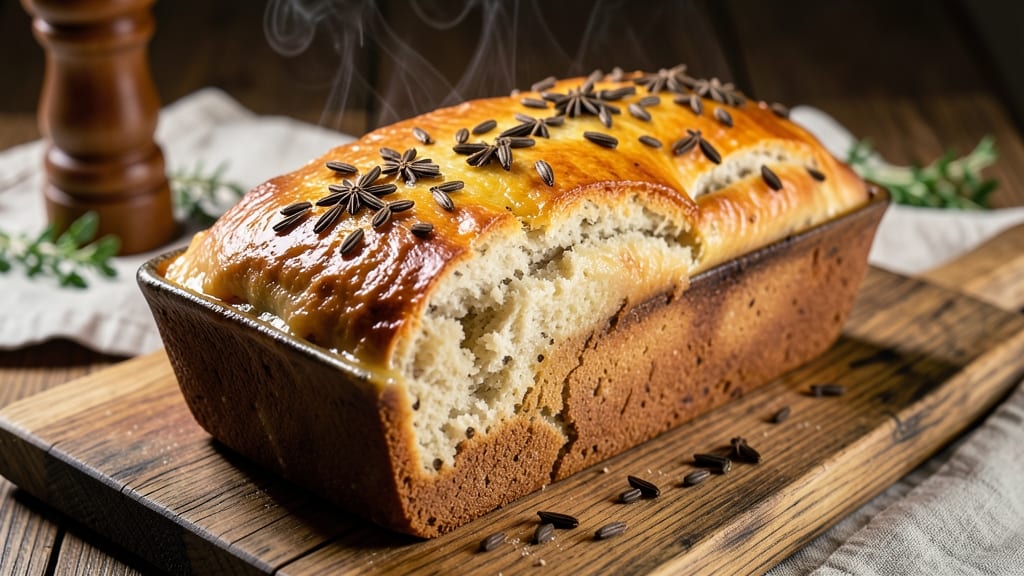
This anise bread machine recipe transforms your kitchen into a bakery with its deep licorice aroma and golden crust. The secret lies in the anise seeds, which infuse the dough with a warm, slightly sweet flavor that lingers long after baking.
Whether you're making it for breakfast toast or as a savory side, this recipe delivers professional-quality results with minimal effort.
The beauty of using a bread machine is its ability to handle the kneading and rising for you, ensuring a light, airy crumb. You'll start with basic ingredients like flour, yeast, and sugar, but it's the anise seeds that elevate this bread to something extraordinary.
The crust develops a perfect golden-brown finish, while the interior remains soft and tender.
What sets this recipe apart is the balance of anise flavor—enough to be noticeable but never overpowering. The bread pairs beautifully with cheeses, cured meats, or even as a base for sandwiches.
With just a few simple ingredients and your bread machine doing the heavy lifting, you'll have a loaf that looks and tastes like it came from a specialty bakery.
For those who prefer a sweeter version, consider adding a touch of honey or cinnamon to the dough. The possibilities are endless, but the foundation remains the same: a foolproof method for achieving a crusty gold top and aromatic interior that makes every slice worth savoring.
Ingredients for anise bread machine
Nine simple ingredients transform your bread machine into a licorice-scented bakery masterpiece.
| Ingredient | Amount | Notes |
|---|---|---|
| All-Purpose Flour 🌾 | 4 cups | White or whole wheat blend |
| Active Dry Yeast 🍞 | 2 ¼ tsp | Ensure freshness by testing in warm water |
| Granulated Sugar 🍚 | ¼ cup | White granulated preferred |
| Salt 🧂 | 1 ½ tsp | Diamond Crystal preferred |
| Whole Anise Seeds 🌿 | 1 ½ tsp | Lightly toasted for enhanced aroma |
| Unsalted Butter 🧈 | ½ cup | Softened to room temperature |
| Warm Water 💧 | 1 ¼ cups | 110-115°F for optimal yeast activation |
| Milk 🥛 | ¼ cup | Whole milk for richness |
| Honey 🍯 | 1 tbsp | Optional for subtle sweetness |
| Large Egg 🥚 | 1 whole | Room temperature for better mixing |
| Cornmeal 🌽 | ¼ cup | For dusting bread pan |
The anise seeds are the heart of this recipe—look for whole seeds at specialty stores like Penzeys or bulk sections at Whole Foods. Toast them lightly in a dry pan for 30 seconds before adding to the dough to deepen their flavor. The yeast must be active; test it in warm water with a pinch of sugar—it should foam within 5 minutes. For the flour, King Arthur or Bob's Red Mill brands yield the best results with consistent texture. The butter should be softened but not melted, ensuring proper incorporation without making the dough too sticky.
No whole anise seeds? Ground anise at half the amount works in a pinch, though texture may vary slightly. Swap whole milk for evaporated milk if you prefer a richer taste. The honey is optional but recommended—Manuka honey adds subtle antibacterial benefits. For a gluten-free version, replace the flour with a 1:1 gluten-free blend, though texture will differ. If your bread machine lacks a crust setting, brush the baked loaf with melted butter mixed with 1 tsp honey for that golden finish. The egg adds structure, but if you're avoiding it, use 1 tbsp flaxseed meal mixed with 3 tbsp water as a binder.
Store the loaf in a paper bag at room temperature for up to 3 days to maintain freshness. For longer storage, slice and freeze portions on a tray before transferring to a bag—up to 3 months. The crust stays crispy when reheated in a 350°F oven for 5 minutes. This bread freezes beautifully before baking too; just thaw overnight in the fridge. The anise flavor intensifies slightly as it sits, so leftovers often taste even better the next day.
Why You'll Love This Recipe
- Hands-Off Magic: The bread machine does all the work—just toss in flour, yeast, sugar, and those tiny anise seeds, then let it knead and rise while you sip coffee. No standing over a bowl, no second-guessing the texture.
- Licorice-Kissed Warmth: That first bite? Pure anise magic—like a whisper of sweet licorice with a soft, pillowy crumb. The seeds infuse just enough to make it special, but not overpowering.
- Breakfast or Snack Star: Slice it thick for French toast in the morning or pack it in lunchboxes for kids who’ll actually eat it. Even my picky husband grabs a slice straight from the bag—no judgment.
- Budget Bread Win: Flour, yeast, and sugar are pantry staples, and a single batch stretches into days. Toast the leftovers for a crispy, flavorful treat that costs pennies per serving.
Step-by-step instructions for anise bread machine recipe
Here's the method for a perfectly golden, licorice-infused loaf with a crisp crust every time.
Prepare the Bread Machine Pan and Ingredients
Lightly grease a 4-cup bread machine pan with nonstick spray or brush with melted butter. Dust the bottom generously with ¼ cup cornmeal, tapping out any excess. This prevents sticking and creates that signature crusty bottom. While the pan preps, toast the 1.5 teaspoons whole anise seeds in a dry skillet over medium-low heat for 1-2 minutes until fragrant—this enhances their flavor dramatically. Let them cool completely before using.
In a small bowl, whisk together the 2.25 teaspoons active dry yeast with ¼ cup warm water (around 110-115°F). Let it sit for 5 minutes until foamy—this confirms the yeast is active. If it doesn't foam, your bread won't rise properly. Meanwhile, soften the ½ cup unsalted butter to room temperature by cutting it into small cubes and letting it sit at room temperature for 20-30 minutes. It should be pliable but not melted.
Combine Wet Ingredients in the Bread Machine
In the bread machine pan, combine the 1.25 cups warm water, ¼ cup milk, ¼ cup granulated sugar, 1 tablespoon honey, and the 1 whole large egg. Mix gently with a wooden spoon until the sugar and honey dissolve completely. The honey adds subtle sweetness that balances the licorice notes from the anise.
Add the ½ cup softened butter, mixing until fully incorporated. The mixture should be smooth but slightly thick. Sprinkle in the 1.5 teaspoons salt and 1.5 teaspoons toasted anise seeds, then add the 4 cups all-purpose flour. Use a rubber spatula to gently fold everything together until just combined—overmixing develops gluten and makes the bread dense. The dough should come together into a shaggy mass that clings to the sides of the pan.
Set the Bread Machine and Let It Do the Work
Select the "Basic White Bread" setting on your bread machine and insert the pan. Close the lid and start the cycle. The machine will automatically knead, rise, and bake the bread. The kneading phase typically lasts 8-10 minutes, during which you'll hear the dough slapping against the sides of the pan. This builds gluten for a light, airy crumb.
After kneading, the machine will switch to rising mode. You'll notice the dough nearly doubles in size and develops a smooth, slightly sticky surface. The rising phase usually takes 1-1.5 hours, but timing varies by machine and room temperature. If your kitchen is cold, the dough may take longer to rise—this is normal. The bread is done when the internal temperature reaches 190-210°F and the crust turns a deep golden brown with a crisp texture.
Cool and Serve for Maximum Freshness
Once the bread machine cycles complete, immediately remove the loaf from the pan and place it on a wire rack. Let it cool for at least 30 minutes before slicing—this allows the crumb to set and prevents a gummy texture. The crust should be crisp and golden, while the interior should be soft and lightly speckled with anise seeds.
For the best flavor, serve the bread within 2-3 days of baking. Store it in an airtight container at room temperature. If you prefer, you can lightly toast slices to enhance the crust's crunch and deepen the anise flavor. This bread pairs beautifully with butter, jam, or as part of a charcuterie board—its licorice notes make it a standout centerpiece.
Pro Tips For Making Anise Bread Machine
- CRUSH THE SEEDS FIRST: Whole anise seeds are tough—if you skip crushing them, you’ll end up with pockets of flavor instead of a smooth, aromatic bite. Lightly toast and grind them in a spice grinder or rolling pin before mixing into the dough. (Yes, it’s extra work, but your bread won’t taste like you forgot to season it.)
- WEIGH YOUR FLOUR: Scooping flour from the bag packs it down, and that’s how your anise bread turns dense. Use a kitchen scale for the exact 3–4 cups called for—this recipe isn’t forgiving with volume measurements. (I learned this after making a loaf that looked like a brick.)
- LET THE DOUGH RISE TWICE: The bread machine handles the first rise, but skip the second rise at room temp, and your crumb will be tight. After shaping, let it proof in a warm spot for 30–45 minutes—just until it springs back slowly when poked. (This is the thing that matters most for that airy, bakery-style texture.)
- USE LESS SUGAR: The recipe might call for ¼ cup sugar, but anise bread doesn’t need that much sweetness to shine. Cut it to 2 tablespoons unless you’re making a dessert loaf—it’ll keep the crust crisp and the flavor focused. (I was skeptical until I tried it.)
Storing and reheating this recipe
Room-Temp Storage
Let your anise bread cool completely on a wire rack before storing—this prevents condensation that makes the crust soggy. Place the loaf in a paper bag (not plastic) at room temperature for up to 3 days.
The paper bag mimics bakery conditions, keeping the crust crisp while the anise flavor intensifies. I always store mine in a breathable cotton bag from Amazon for that perfect texture. 🌾
Fridge Preservation
For longer freshness beyond 3 days, transfer the bread to the fridge in a resealable plastic bag with a paper towel to absorb moisture. It stays fresh for 5-7 days this way, though the crust may soften slightly.
To revive it, wrap slices in foil and reheat in a 350°F oven for 5 minutes—this restores crispiness while keeping the anise aroma vibrant.
Freezing Unbaked Dough
Make this a make-ahead recipe by shaping the dough into a loaf and freezing it unbaked in the bread machine pan. Cover tightly with plastic wrap and aluminum foil, then freeze for up to 3 months.
Thaw overnight in the fridge before baking—your machine's settings will handle the rest. This is my go-to for busy mornings; the anise flavor develops beautifully during the overnight rise. ❄️
Reheating Slices
For individual portions, toast slices in a toaster oven at 375°F for 3-4 minutes until golden and crisp. For a softer texture, warm in a skillet over medium heat for 1 minute per side—this works especially well for sandwiches.
Avoid microwaving; it turns the crust rubbery and dulls the anise notes. A quick stovetop heat always brings back that bakery-fresh quality.
Reviving Stale Crust
If your bread's crust loses its crunch, don't toss it! Wrap the entire loaf in foil and bake at 325°F for 10 minutes. This gentle reheat restores crispiness without overcooking the interior.
The anise flavor actually becomes more pronounced after reheating, making stale bread taste almost as good as fresh. It's like giving your loaf a second chance at bakery perfection. 💫
Nutrition facts
Frequently asked questions
Can I substitute anise seeds with another spice?
The anise seeds give this bread its signature licorice flavor, but you can swap them for 1.5 tsp fennel seeds or 1 tsp ground anise if needed. For a sweeter twist, try 1 tsp cinnamon or ½ tsp cardamom, though the flavor profile will differ. The seeds are key for that authentic aroma—don't skip them if you love the licorice note!
Why did my bread come out dense instead of light and airy?
Overmixing the dough or using cold ingredients are the most common culprits. Make sure your yeast is active (test it in warm water first) and all liquids are between 110-115°F. Also, avoid pressing the dough too much during mixing—let the bread machine handle the kneading. If your kitchen is cold, try placing the machine in a warm spot to help the yeast activate properly.
Can I make this recipe without a bread machine?
Yes! Mix all ingredients as directed, then knead by hand for 8-10 minutes until smooth. Let the dough rise in a greased bowl for 1-1.5 hours until doubled, then shape into a loaf and bake at 375°F for 25-30 minutes until golden. The texture won't be identical, but you'll still get delicious anise-infused bread. For best results, use a Dutch oven for a crispier crust.
How can I make this bread sweeter or more savory?
For a sweeter version, add 2 tbsp extra honey or ½ cup raisins to the dough. For a savory twist, reduce the sugar to 2 tbsp and add 1 tsp dried rosemary or ½ tsp garlic powder. The anise flavor works beautifully in both directions—just adjust the other ingredients to balance it. The bread machine will handle the rest!
What's the best way to use up leftover anise bread?
Toast slices for 30 seconds and spread with butter or jam for breakfast. Or make French toast by dipping slices in an egg-milk mixture and cooking in a buttered pan. For a savory option, use it as a base for garlic butter sandwiches or croutons in soups. The anise flavor actually intensifies as the bread sits, so leftovers often taste even better!