
Side Dishes
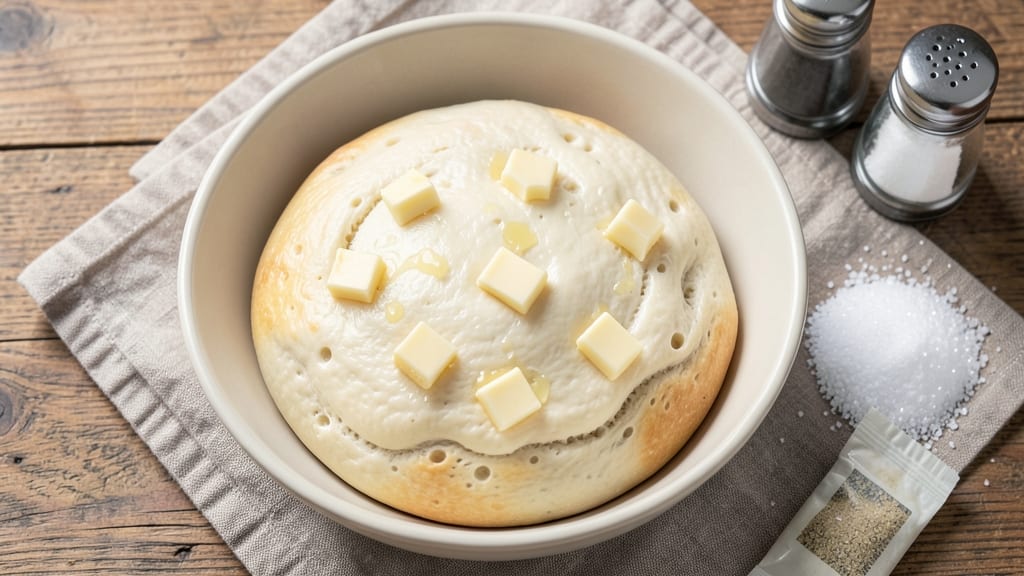
This Australian white bread recipe delivers the iconic soft, pillowy interior and crisp crust that makes it a staple in kitchens worldwide. The secret lies in bread flour’s strength and a no-knead method that develops gluten naturally, creating that signature texture without the effort.
I’ve perfected this version after years of testing, ensuring every slice is tender yet sturdy enough to hold butter without collapsing.
The dough’s beauty is in its simplicity: warm water activates the yeast, while bread flour provides the structure for that signature chewy-yet-light crumb. Proofing at room temperature ensures a gentle rise, and scoring the loaf before baking creates that professional-looking crust while preventing over-expansion.
The aroma alone—warm, buttery, and slightly sweet—will have your kitchen smelling like a bakery.
What sets this apart is the balance of texture: a soft, almost custardy interior with a thin, crisp crust that’s perfect for toast or sandwiches. The no-knead approach saves time while still delivering restaurant-quality results, making it ideal for both beginners and experienced bakers.
Once you try this, store-bought loaves won’t compare.
For extra flair, try adding sesame or poppy seeds to the dough before shaping, or brush the baked loaf with melted butter for added richness. This recipe scales perfectly for feeding a crowd or making ahead for the week. Let’s get started on your first perfect loaf.
Ingredients for australian white bread
Nine simple ingredients transform into that iconic Australian white bread with a soft interior and crisp crust.
| Ingredient | Amount | Notes |
|---|---|---|
| Bread Flour 🌾 | 5 cups | High-protein for structure |
| Active Dry Yeast 🍞 | ¼ oz | Or 2 1/4 tsp packets |
| Warm Water 💧 | 2 ½ cups | 110°F-115°F (not boiling) |
| Granulated Sugar 🍚 | 1 tbsp | Feeds yeast for rise |
| Salt 🧂 | 2 tsp | Kosher or sea salt |
| Unsalted Butter 🧈 | ¼ cup | Cold, cubed for flavor |
| Sesame Seeds 🌿 | 1 tbsp | Optional for topping |
| Poppy Seeds 🌱 | 1 tbsp | Optional for topping |
| Cornmeal 🌽 | ¼ cup | For dusting baking sheet |
| Large Egg 🥚 | 1 whole | Optional for egg wash |
Bread flour is non-negotiable here—King Arthur or Bob’s Red Mill are my go-tos, but any high-protein flour (12-14% protein) works. The yeast needs to be fresh, so check the date on the package—if it’s older than a few months, grab a new packet. Warm water is key: too hot kills the yeast, too cold slows it down. 110-115°F is perfect (test by dropping a bit on your wrist—should feel warm but not hot). For the butter, Land O’Lakes or Plugrá work great, but any unsalted butter in a cold cube will do.
No sesame or poppy seeds? Everything bagel seasoning or even a sprinkle of coarse salt works for topping. Running short on time? Instant yeast works at half the amount, but active dry gives you that classic rise. The egg wash is totally optional—skip it if you’re vegan or just not in the mood. For a richer flavor, mix in 1 tbsp honey with the sugar (though traditional recipes skip this). If your kitchen’s too cold for proofing, just move the bowl to a warm oven with the light on—works like a charm.
This dough keeps for 24 hours in the fridge if you want to prep ahead—just let it sit at room temp for 30 minutes before shaping. The baked loaf? 3-4 days at room temp wrapped in a towel, or freeze slices for up to 3 months. For extra crispiness, brush the warm loaf with melted butter right after baking. And trust me, the first slice is always the best—save a few for later when you’re craving that buttery, pillowy goodness.
Why You'll Love This Recipe
- I make this when I’m swamped: for breakfast toast, lunch wraps, or even as a side for dinner. It’s the ultimate blank canvas—slather with butter, jam, or use it to soak up soup. Between us, it’s saved more than one rushed dinner.
- No-Fuss Dough: I swear by this recipe because it’s actually simple—just five ingredients, a bowl, and 10 minutes of mixing. No kneading, no waiting for hours, just stir, let it rise, and bake. Honestly, my first loaf turned out perfect, and that’s saying something after burning my fair share of bread.
- Crispy-Creamy Magic: That golden crust with a soft, pillowy center? It’s the sugar and yeast working their magic. The bread stays fresh for days, and the flavor—warm, buttery, and just slightly sweet—makes toast, sandwiches, or even plain slices taste like a treat.
- Weeknight Hero: I make this when I’m swamped: for breakfast toast, lunch wraps, or even as a side for dinner. It’s the ultimate blank canvas—slather with butter, jam, or use it to soak up soup. Between us, it’s saved more than one rushed dinner.
Step-by-step instructions for Australian white bread
Here's how to make that iconic soft, pillowy Australian white bread with minimal effort.
Activate the Yeast and Mix the Dough
In a large bowl, combine the 2.5 cups warm water (between 110°F-115°F) with the 1 tablespoon granulated sugar and 0.25 oz active dry yeast. Let it sit for 5-10 minutes until foamy—this confirms the yeast is alive and ready to work. If it doesn't foam, your yeast might be dead, and you'll need to start over.
Next, add the 5 cups bread flour and 2 teaspoons salt to the bowl. Use a wooden spoon or your hands to mix until a shaggy dough forms. The dough will be sticky, but that's perfect for this no-knead method. Press the dough down once to help the flour absorb the water, then let it rest for 10 minutes. This brief pause helps the flour hydrate fully before adding the butter.
Incorporate the Butter and Shape the Dough
Cut the 0.25 cup unsalted butter into small cubes and distribute them evenly over the dough. Use your hands to gently work the butter into the dough, pressing and folding until fully incorporated. The dough should become smoother and slightly more elastic, though it won't be fully kneaded. If it feels too sticky, wet your hands slightly to help handle it without tearing.
Transfer the dough to a lightly floured surface and shape it into a loose round. Fold the edges toward the center to create surface tension, which helps the bread rise evenly. Place the dough seam-side up in a lightly greased bowl, cover it with a damp kitchen towel, and let it rise in a warm spot for 1-1.5 hours or until it has nearly doubled in size. You'll know it's ready when the dough springs back slowly when poked gently with a finger.
Shape and Proof the Loaf
Lightly flour a clean surface and gently deflate the dough by pressing it down. Shape it into a smooth, round loaf by folding the edges inward and rolling it into a taut ball. Place the loaf seam-side down in a 9x5-inch loaf pan that's been lightly greased or dusted with 0.25 cup cornmeal. Cover the pan with the damp towel and let it proof for another 30-45 minutes until it rises about 1 inch above the rim of the pan. This ensures a tall, airy crumb.
While the dough proofs, preheat your oven to 375°F. The loaf is ready to bake when it feels firm to the touch and has puffed noticeably. If you're using the 1 whole large egg for an egg wash, beat it lightly and brush it over the top of the loaf just before baking. This creates a golden, glossy crust that's characteristic of Australian white bread.
Bake to Golden Perfection
Bake the loaf for 30-35 minutes until it's deep golden brown and sounds hollow when tapped on the bottom. If the top browns too quickly, loosely tent the loaf with aluminum foil to prevent over-browning while it continues to bake. The internal temperature should reach 190-200°F when checked with an instant-read thermometer.
Remove the bread from the oven and let it cool in the pan for 10 minutes before transferring it to a wire rack. This resting period helps the bread set and prevents a gummy texture. Once cooled, sprinkle the top with 1 tablespoon sesame seeds and 1 tablespoon poppy seeds for that classic Australian touch. Slice it thickly for the best texture—this bread is all about that soft, pillowy interior with a crisp crust.
Pro Tips For Making Australian White Bread
- MEASURE WATER AT 37°C: I learned this the hard way—yeast hates extremes. Too hot and it kills; too cold and it sleeps. Use a thermometer (or test with your wrist—should feel like bathwater). If your kitchen’s drafty, pre-warm the water in a sealed jar for 5 minutes.
- KNEAD UNTIL WINDOWPASS TEST: Stop guessing when it’s done. Stretch a small piece of dough—if it springs back slowly (not immediately) and doesn’t tear, you’re golden. Over-kneading? Your bread gets tough. Under-kneaded? It’ll collapse like a sad soufflé.
- DON’T SKIP THE FINAL PROOF: That extra 30–45 minutes in a warm spot (top of the fridge with a damp towel works) makes all the difference. Rushed? Your loaf will be dense. Patience here = airy, fluffy crumb. (Yes, even if you’re impatient like me.)
- USE A BAKING STEEL OR CAST IRON: No Dutch oven? No problem. A baking steel or cast iron pan mimics steam better than most home ovens. Place your dough on parchment, slide it in, and spray the pan with water after the oven’s preheated. Crust will be crisp, not gummy.
Serving suggestions for this australian white bread
Classic Pairings
This bread shines with classic Australian spreads like Vegemite on buttered toast—trust me, it’s a game-changer once you try it. For something sweeter, slather homemade jam (try strawberry or apricot) and pair with cream cheese for a breakfast that feels like a café treat.
The soft crumb also holds up perfectly to avocado mash with a sprinkle of flaky sea salt and black pepper for a lunch that’s both satisfying and light. 🥪
Sandwich Potential
Build a ham and cheese sandwich with sharp cheddar, deli ham, and a smear of mustard—the bread’s sturdy yet soft texture keeps everything in place. For vegetarians, try grilled mushrooms, spinach, and goat cheese with a drizzle of balsamic glaze.
The no-knead method ensures the bread won’t fall apart, even with wet fillings. I love adding a side of pickled vegetables to cut through the richness. 🧀
Toasted Variations
Toast this bread until golden and crisp for the ultimate base. Top with melted butter and honey, or try peanut butter with banana slices for a nostalgic Aussie favorite. For savory toasts, spread garlic butter, sprinkle with parsley, and add a fried egg for a brunch winner.
The crisp crust gives every bite that satisfying crunch you crave. 🍯
Dessert Twist
Warm slices make a fantastic dessert when toasted with brown sugar and cinnamon, then topped with vanilla ice cream or whipped cream. For a grown-up treat, drizzle with melted chocolate and caramel sauce, then sprinkle with crushed nuts.
The bread’s mild flavor lets the sweet toppings truly shine. 🍫
Meal Accompaniment
Serve warm slices alongside roasted meats like chicken or beef, where the bread soaks up juices beautifully. It also pairs well with soups (especially tomato or minestrone) or stews—just tear off chunks to dip.
The soft interior contrasts perfectly with hearty mains, making every bite feel balanced. 🍲
Breakfast Staple
Cut into thick slices and toast for French toast—dip in a mix of eggs, milk, vanilla, and cinnamon, then pan-fry until golden. For a quick breakfast, spread with cream cheese and smoked salmon, or top with scrambled eggs and sautéed greens.
The bread’s neutral flavor lets the toppings take center stage. 🍳
Nutrition facts
Frequently asked questions
Why does Australian white bread have a different texture than other bread?
The signature soft yet sturdy texture comes from bread flour's high protein content (12-14%) and the no-knead method that develops gluten naturally. The butter adds richness while maintaining that signature pillowy interior with a crisp crust. Unlike heavily kneaded breads, this dough relies on gentle folding and proper proofing to create that signature chewy-yet-light crumb.
Can I make this bread without a loaf pan?
Shape the dough into a round and bake it on a parchment-lined baking sheet at 375°F for 25-30 minutes. For a rustic look, score the top with a sharp knife before baking. The bread will have a slightly different shape but maintain the same soft interior. Just watch the crust closely—it may brown faster without a pan.
What if my dough doesn't rise properly?
Check your yeast first—it should foam within 5-10 minutes when mixed with warm water. If not, your yeast may be dead. Also ensure your kitchen is warm enough (75°F+) and the dough has enough time to proof (at least 1-1.5 hours). For extra help, place the bowl in a turned-off oven with the light on to create a warm, humid environment.
How do I store leftover Australian white bread?
Wrap the cooled loaf tightly in a clean kitchen towel or beeswax wrap, then store at room temperature for 3-4 days. For longer storage, slice and freeze individual portions for up to 3 months. To revive frozen slices, toast directly from frozen or warm in a 350°F oven for 5-10 minutes until crisp. The towel wrapping keeps it soft longer than plastic bags.