
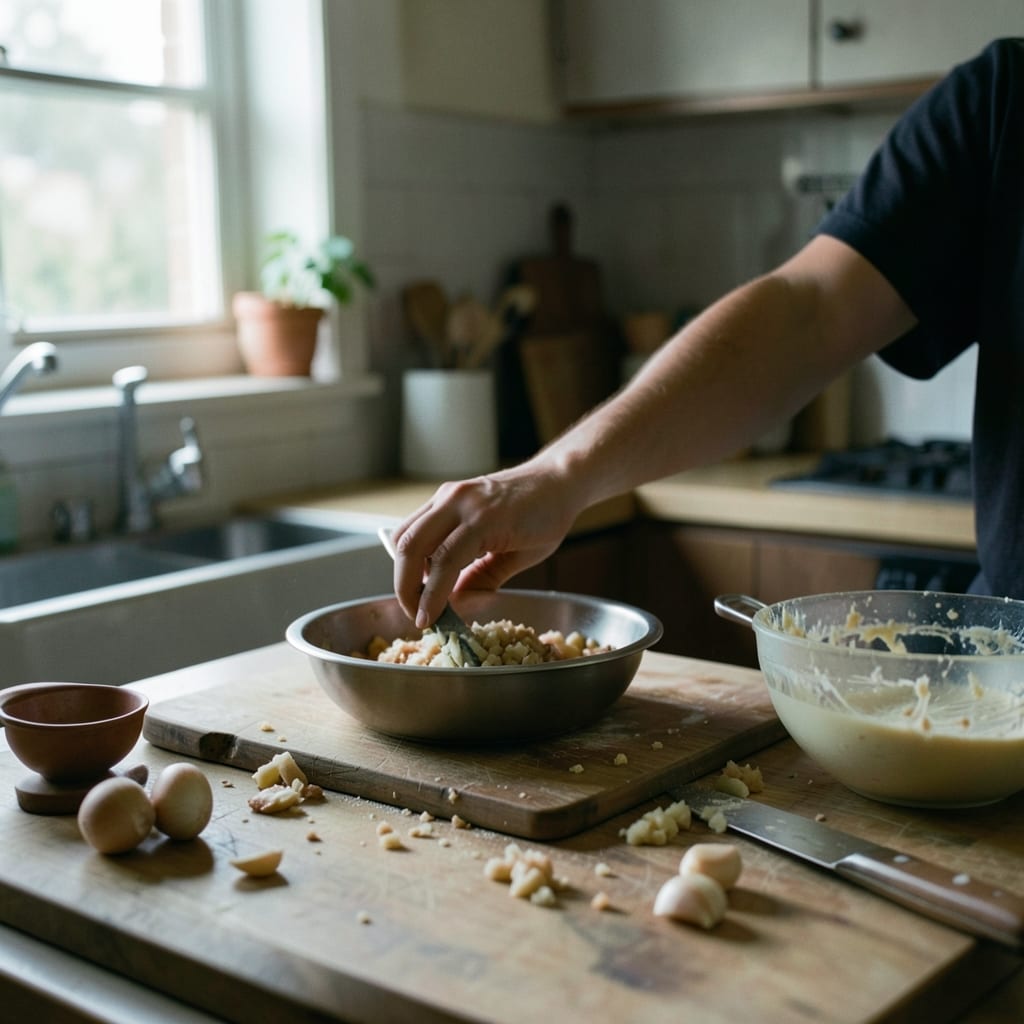
It started with one dough that kept failing
It was December 2017, and I had just moved into my first real apartment. My grandmother’s old recipe for sourdough was the only thing I’d brought from home—a dog-eared card with ‘100% hydration’ scribbled in her handwriting.
The dough rose, collapsed, and then rose again, but when I pulled it from the oven, it was dense as a brick, with a crackly crust that hid a crumb like wet sand.
I tried again the next day, adjusting the flour-to-water ratio, letting it ferment longer. This time, the dough didn’t rise at all. It sat there, sluggish and heavy, as if it had given up. The kitchen smelled like yeast and disappointment.
I’d read every forum post, watched every tutorial, but nothing matched what was happening in my tiny oven.
The third attempt was worse. The crust burned to a dark char before the center was ready, and the loaf had a hollow spot in the middle, like it had deflated mid-bake. I took a picture of it—just a loaf of bread, ugly and uneven—and sent it to my grandmother.
She replied with one sentence: ‘You’re not listening to the dough.’
Nine tries before it worked
I made that dough nine more times before it finally turned out. The first three were disasters—either too sour, too flat, or raw in the center. The fourth time, I swapped out the flour, but the texture was still off.
The fifth attempt, I proofed it for 18 hours straight, and it overproofed into a sad, limp mess. By the seventh try, I’d given up on the recipe entirely and started from scratch, measuring everything by weight and using a digital thermometer to track the oven temperature.
The eighth loaf was the closest yet. The crust was crisp, the crumb open but not too dense. But when I sliced it, the center was still pale.
I realized I’d been overcorrecting—adding too much yeast to compensate for the cold kitchen, letting it ferment too long to ‘fix’ the previous failures. The ninth time, I went back to the original recipe, but this time, I trusted the dough. No extra yeast. No extra time. Just patience.
It worked. The loaf had a golden crust with deep cracks, a crumb that was airy but structured, and a flavor that was tangy without being harsh. I cut a slice, spread it with butter, and sat at the kitchen table, finally understanding what my grandmother had meant.
The dough had been talking to me all along—I just hadn’t been listening.
The mind behind these pages
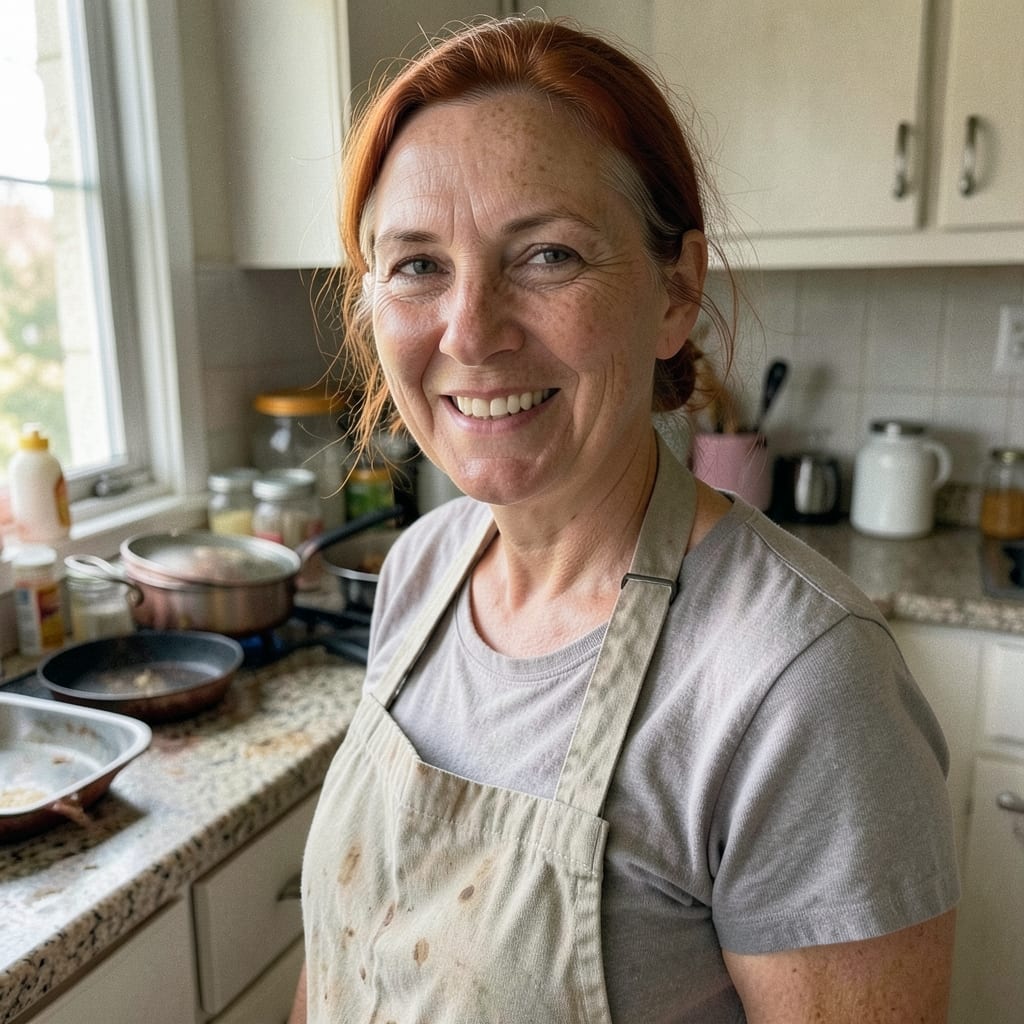
That’s how I ended up here—Imani Everson, founder and editor of *Bread Recipes Warm*. I’m the person who keeps trying, even when it makes no sense. My grandmother used to say I had a ‘stubborn streak,’ but really, it was just stubbornness with a purpose.
Now, it’s what drives every recipe on this site.
I spend my days baking, testing, and rewriting—not because I expect perfection, but because I know the real magic happens in the mess. My kitchen looks like a battlefield after a session, with flour on the walls, burnt pans in the sink, and half-baked experiments in the fridge.
My grandmother noticed it first, when I was eight and kept reshaping the same lump of dough until she told me to stop. I didn’t listen.
Outside of cooking, I’m the kind of person who will attempt a 50-piece puzzle with only the edge pieces sorted, just to see if it’s possible. It’s not. But I’ll try again tomorrow.
That first loaf—ugly, dense, and wrong—is why this site exists. Because the best recipes aren’t the ones that work the first time. They’re the ones that teach you something.
Everything here is written the way that dough was
Every recipe on *Bread Recipes Warm* is made at least nine times before it’s published. Not because we’re perfectionists, but because we know the ninth version is only good if the first eight were honest.
We write down what went wrong, what we changed, and what we learned—even if it means admitting a loaf failed or a technique didn’t work.
You’ll find notes like ‘third attempt: added olive oil to prevent cracking’ or ‘fifth try: oven wasn’t hot enough, crust burned before center cooked.’ These aren’t mistakes; they’re part of the story. The goal isn’t to hide the failures, but to show how they led to something better.
That’s the only way a recipe can truly trust you.
A year after publishing a recipe, we’ll make it again—just to check. The world changes (flour gets older, ovens behave differently), and so do we. If a recipe stops working, we update it. No recipe here is ever ‘final.’
What that means for you
You can expect recipes that feel like they were written for your kitchen, not a perfect lab. There will be no ‘foolproof’ claims, no shortcuts that skip the hard parts.
If a recipe says ‘let it rise until it doubles,’ it means exactly that—no guesswork, no ‘about.’ And if something goes wrong, you’ll know why, because we’ve already failed that way ourselves.
What you won’t find here are vague instructions or ‘trust the process’ advice. Every step is measured, every time is exact, and every tip comes from a real mistake.
This isn’t a cookbook; it’s a series of conversations, where the dough (or the sauce, or the pie crust) gets to have its say too.
If a recipe here doesn’t work for you—or if you’ve found a better way—tell us about it. We’re more interested in what didn’t go right than what went perfectly. Your failures are just the next chapter.
So try it. Burn the dough, overproof it, let it collapse. Then try again. And if you’re lucky, you’ll end up with something warm, something real, and something that tastes like it was made with care.
The recipes are grouped by category: Appetizers, Beverages, Breakfast & Brunch, Desserts, Main Courses and Reviews.