
Main Courses
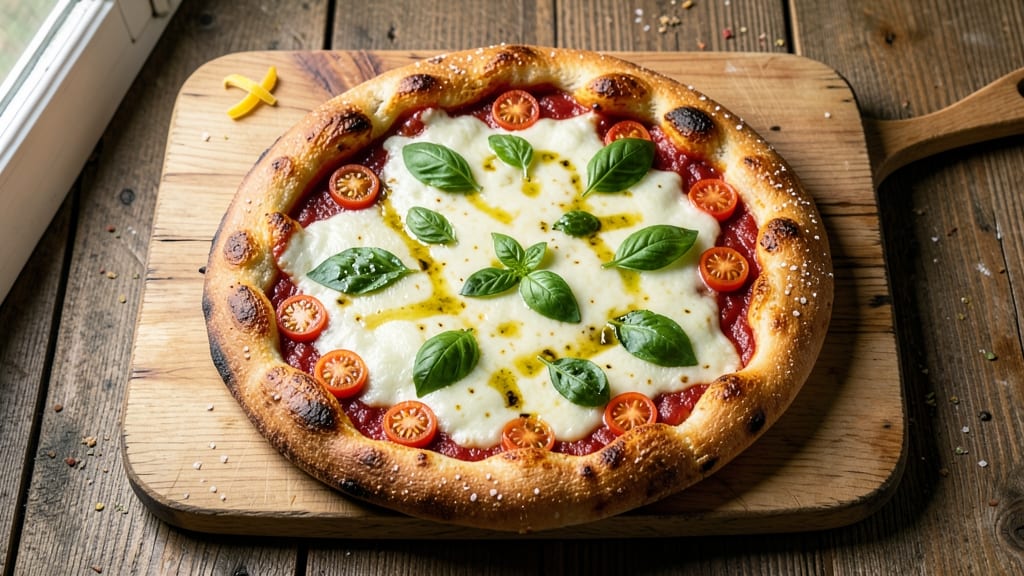
America’s Test Kitchen’s French bread pizza recipe delivers the perfect marriage of crispy, airy crust and chewy interior—just like the iconic New York-style pizza you crave. 🔥 This isn’t your average thin crust; it’s a fusion of French baguette technique and pizza artistry, baked to golden perfection in the oven.
The secret lies in a high-hydration dough that develops a crackly exterior while staying tender inside, all topped with your favorite sauce, cheese, and toppings.
What makes this recipe stand out is the foolproof method for achieving that signature French bread texture—no special equipment needed. We’ll guide you through shaping the dough into a perfect pizza base, ensuring even baking for a crispy yet chewy result every time.
The dough’s long fermentation (or overnight rise) is key to developing flavor and structure, while the baking process mimics a wood-fired oven for that authentic touch.
By the time you pull this pizza from the oven, you’ll have a restaurant-quality dish with a crackling crust, a soft center, and all the melty, bubbly goodness of classic pizza. The high-hydration dough absorbs sauce and toppings beautifully, creating a harmonious blend of textures and flavors.
Whether you’re feeding a crowd or treating yourself to a personal slice, this recipe delivers copycat perfection.
The best part? This method is versatile—swap out toppings for anything from classic margherita to loaded meat lovers, and the crust will hold up perfectly. Let’s get started on creating your own ATK-approved French bread pizza at home.
Ingredients for america's test kitchen french bread pizza
High-hydration dough meets iconic pizza flavors—this is your ATK-approved French bread pizza starter kit.
| Ingredient | Amount | Notes |
|---|---|---|
| All-Purpose Flour 🌾 | 3 cups | High-protein for chewy texture |
| Instant-Read Yeast 🍞 | ¼ tsp | Active dry works too |
| Granulated Sugar 🍚 | ½ tsp | Feeds yeast for rise |
| Salt 🧂 | 1 tsp | Diamond Crystal preferred |
| Water 💧 | 1 ½ cups | Lukewarm, 110°F |
| Extra-Virgin Olive Oil 🫒 | ½ cup | High quality for flavor |
| Pizza Sauce 🍅 | 1 ½ cups | Homemade or Rao's brand |
| Shredded Mozzarella Cheese 🧀 | 1 ½ cups | Part-skim for balance |
| Fresh Basil Leaves 🌿 | ¼ cup | Chopped for garnish |
| Garlic Cloves 🧄 | 4 cloves | Minced for sauce |
| Cornmeal 🌽 | ¼ cup | For dusting pizza peel |
| Semolina Flour 🌾 | ¼ cup | Optional for extra crunch |
The flour is where magic happens. King Arthur or Gold Medal are my go-tos—they handle high hydration like champs. Instant yeast is a game-changer here (no waiting for it to dissolve), but active dry works if you're in a pinch. The water needs to be lukewarm—110°F is perfect. Too hot? It'll kill the yeast. Too cold? It won't activate. Pro tip: Test it by dipping your finger in—should feel like bathwater. The olive oil you use matters too—California avocado oil has a neutral taste that lets the dough shine, while fruity EVOO adds character.
No pizza sauce on hand? Crushed tomatoes with garlic, olive oil, and a pinch of sugar works in a bind. Mozzarella getting clumpy? Microwave it for 30 seconds to soften first. Swapping toppings? Keep it light—the high-hydration dough absorbs sauce like a sponge. Want extra crunch? Toast the semolina in a dry pan for 2 minutes before using. The basil can be dried if needed (use half the amount), but fresh is worth hunting down at Whole Foods or your local farmers market—it makes all the difference.
This dough is a beast—it needs time. Overnight fermentation in the fridge is ideal, but room temp works for 2-3 hours. Store unused dough wrapped tight in plastic for up to 3 days in the fridge. For the sauce, I double it and freeze half in ice cube trays—perfect for quick meals. The pizza peel? Cornmeal is your friend—dust it well to prevent sticking. And if you're making two pizzas? Divide the dough now—it keeps better that way.
Why You'll Love This Recipe
- No-Knead Magic: This dough comes together in five minutes—just flour, yeast, sugar, salt, and water. No stand mixer, no overworking, just mix, rest, and roll. Honestly, I’ve made it while chatting on the phone.
- Crispy-Chewy Perfection: That signature French bread crust—golden, blistered edges—with a pillowy center? The yeast and sugar do all the heavy lifting. It’s the kind of texture that makes you pause mid-bite.
- Weeknight Superstar: Throw it together for dinner, freeze half for later, or reheat slices straight from the fridge. Between us, this is the pizza I grab when I’m too tired to care about fancy toppings.
- Pantry-Friendly Powerhouse: Four ingredients, zero specialty items. If you’ve got flour and yeast, you’ve got pizza. I’ve made this on a budget, for game nights, and even as a lazy Sunday brunch—it never lets me down.
Step-by-step instructions for america's Test Kitchen French bread pizza
Here's how to nail that iconic crispy crust with a chewy center—just like the pros.
👨🍳 Step 1: Mix the Dough for Maximum Flavor
In a stand mixer fitted with the dough hook, combine the 3 cups all-purpose flour, 0.25 tsp instant-read yeast, 0.5 tsp granulated sugar, and 1 tsp salt. Mix on low speed for 30 seconds to blend the dry ingredients completely. This ensures even distribution of yeast and salt throughout the dough.
Next, add the 1.5 cups lukewarm water (about 110°F) and 0.5 cup extra-virgin olive oil. Mix on low speed for 1 minute until the dough comes together, then increase to medium speed for 5 minutes until it's smooth and elastic. The dough should pull away from the sides of the bowl and form a tight, shiny ball. If it's too sticky, add 1 tablespoon more flour.
Here's the thing—don't skip the olive oil. It creates that signature French bread flavor and helps develop a crispy crust. The dough should be soft but not wet; if it's too sticky, you'll struggle to shape it later.
🔥 Step 2: Knead and Let the Dough Rise
Turn the dough out onto a lightly floured surface and knead gently for 2-3 minutes until smooth. This final kneading step develops gluten for that perfect chewy texture. Shape the dough into a ball and place it in a lightly oiled bowl.
Cover the bowl with a damp towel and let the dough rise at room temperature for 1-2 hours, or until it has nearly doubled in size. You'll know it's ready when you poke it gently and it springs back slowly. I press my finger into the dough—if it leaves a slight indentation that doesn't fill back in immediately, it's ready. Don't rush this step; proper rising is what gives French bread pizza its signature texture.
🍳 Step 3: Shape and Pre-Bake the Crust
Preheat your oven to 425°F and line a baking sheet with parchment paper. Lightly dust a pizza peel with the 0.25 cup cornmeal and the 0.25 cup semolina flour. This creates that perfect crispy, golden crust we're after.
Punch down the risen dough and divide it into 2 equal pieces (for two 12-inch pizzas). Roll each piece into a 12-inch round on the floured surface. I like to keep the edges slightly thicker than the center—this creates that signature French bread crust with a chewy middle. Transfer the dough to the prepared peel and gently stretch it into shape if needed.
Bake the crusts for 10-12 minutes until they're golden brown and slightly puffed. Remove them from the oven and let them cool for 2 minutes before adding toppings. This pre-baking step is crucial—it creates that crispy crust while keeping the center chewy.
🥘 Step 4: Assemble and Bake to Perfection
Spread ¾ cup pizza sauce (about ½ cup per pizza) over each pre-baked crust, leaving a ½-inch border for the crispy edge. Sprinkle with ¾ cup shredded mozzarella cheese (about ⅔ cup per pizza) and the 4 minced garlic cloves. I like to distribute the cheese evenly but leave some gaps for that classic pizza look.
Return the pizzas to the oven and bake for 8-10 minutes until the cheese is bubbly and golden brown. The crust should be deep golden brown with crispy edges. Watch closely in the last minute—you want that perfect balance of crispy crust and melted cheese.
🍽️ Step 5: Garnish and Serve Immediately
Remove the pizzas from the oven and let them cool for 1-2 minutes before slicing. Garnish with the 0.25 cup chopped fresh basil leaves right before serving. The basil adds that fresh, aromatic finish that makes this pizza truly special.
Slice each pizza into 8 pieces and serve immediately. The crust should be crispy on the outside with a soft, chewy center, and the cheese should be perfectly melted with a slight pull. This is where all the hard work pays off—each bite delivers that perfect balance of textures and flavors that makes French bread pizza so addictive.
Pro Tips For Making America'S Test Kitchen French Bread Pizza
- STRETCH THE DOUGH LONG: The ATK recipe calls for a 1-hour bulk fermentation, but I’ve found doubling that to 2 hours—even in the fridge—makes the dough more extensible. It’s the difference between a chewy, airy crust and one that feels dense, no matter how much you stretch it.
- MEASURE FLOUR BY WEIGHT: Scooping flour from the bag packs it down, and that’s how you end up with a gummy, underproofed pizza. Use a scale for the 3 cups called for—it’s about 360 grams—and level it off with a knife if you’re stuck with volume. Your crust will thank you.
- STOP STRETCHING TOO SOON: I used to rush the stretching phase, thinking more force meant better results. Wrong. Let the dough rest 10 minutes after shaping before transferring it to the pan—this relaxes the gluten and prevents shrinking during baking. Patience here = crispier crust.
- USE A COLD PAN: The recipe says to preheat the pan, but I’ve had better luck with it cold. Brush the dough with olive oil after it’s in the pan, then bake—this keeps the crust from burning before the center cooks. Yes, it’s an extra step, but it’s worth it.
Dietary considerations for this dish
Gluten-Free Adaptations
For a gluten-free version, replace the 3 cups all-purpose flour with a 1:1 gluten-free flour blend like Bob’s Red Mill or King Arthur, which mimics the texture well. Add 1 extra tablespoon of xanthan gum to improve elasticity and structure—this is non-negotiable for that signature chewy crust.
Use 1.25 cups of water instead of 1.5 cups since gluten-free doughs absorb less liquid. Let the dough rest for 30 minutes after mixing to hydrate properly before shaping. 🌾
Dairy-Free Options
Swap the 1.5 cups shredded mozzarella for 1.5 cups dairy-free mozzarella shreds, like Miyoko’s or Violife, which melt beautifully. For extra creaminess, mix in 2 tablespoons nutritional yeast to mimic the umami depth of cheese.
Use dairy-free butter (like Earth Balance) in your pizza sauce to keep flavors cohesive. The crust will still hold up well, but expect slightly less browning—watch it closely in the oven.
Lower-Carb Adjustments
Cut the 3 cups all-purpose flour to 2 cups and add 1 cup almond flour for a lower-carb crust. Increase the extra-virgin olive oil to ⅔ cup to compensate for the almond flour’s dryness.
For the sauce, use 1 cup sugar-free marinara (like Rao’s Low-Sugar) and top with ½ cup shredded part-skim mozzarella to reduce carbs while keeping flavor. This version still delivers that crispy-chewy contrast but with fewer carbs per slice.
Nut-Free Considerations
If nut allergies are a concern, stick with the original all-purpose flour and avoid almond flour alternatives. For extra protein without nuts, add 2 tablespoons vital wheat gluten to the dough (if gluten isn’t an issue) or use a chickpea flour blend like Bob’s Red Mill.
Ensure all toppings—like pepperoni or sausage—are certified nut-free. The dough’s structure will remain intact without nuts, but monitor hydration closely as chickpea flour absorbs differently.
Vegan Modifications
Replace the instant-read yeast with 0.25 tsp nutritional yeast for a vegan-friendly dough. Use 1.5 cups water and 0.5 cup olive oil as written, but add 1 tablespoon apple cider vinegar to mimic the tang of yeast activation.
For the sauce, use a vegan marinara (like Barilla’s) and top with vegan mozzarella shreds. The crust will still achieve that crispy texture, though it may brown slightly faster—keep an eye on it in the oven.
Nutrition facts
Frequently asked questions
Why does the dough need to rise twice?
The first rise at room temperature activates the yeast and develops flavor, while the optional overnight refrigeration slows fermentation for better gluten development. This creates that signature crispy-chewy contrast—the crust gets its crackly exterior while staying tender inside. Skipping the cold rise? Let it proof at room temp for 2-3 hours instead.
Can I make this pizza without a pizza peel?
Use a baking sheet lined with parchment paper—just dust it generously with cornmeal before adding the dough. For extra crispiness, transfer the shaped pizza to a hot pizza stone (if you have one) for the final 2 minutes of baking. The key is preheating everything thoroughly.
What's the best way to reheat leftover slices?
For maximum crispiness, reheat in a 400°F oven for 3-4 minutes on a baking sheet. Avoid the microwave—it turns the crust soggy. Pro tip: Store slices wrapped in parchment paper to maintain freshness. If reheating from frozen, add 5-6 minutes to baking time.
How do I adjust the recipe for a thicker crust?
Increase the dough by 1 cup flour and reduce water by 2 tablespoons to make it stiffer. Shape it ½-inch thick and bake the pre-baked crust for 14-16 minutes until deeply golden. For extra height, press the dough onto a parchment-lined baking sheet instead of stretching it.
What if my dough doesn't rise properly?
Check your yeast first—it may be expired. Use warm water (110°F) and let the dough rise in a warm place (75°F) (like near the oven with the light on). If it still fails, try adding ½ tsp extra sugar to feed the yeast. For stubborn dough, let it rise up to 4 hours at room temp.