
Side Dishes
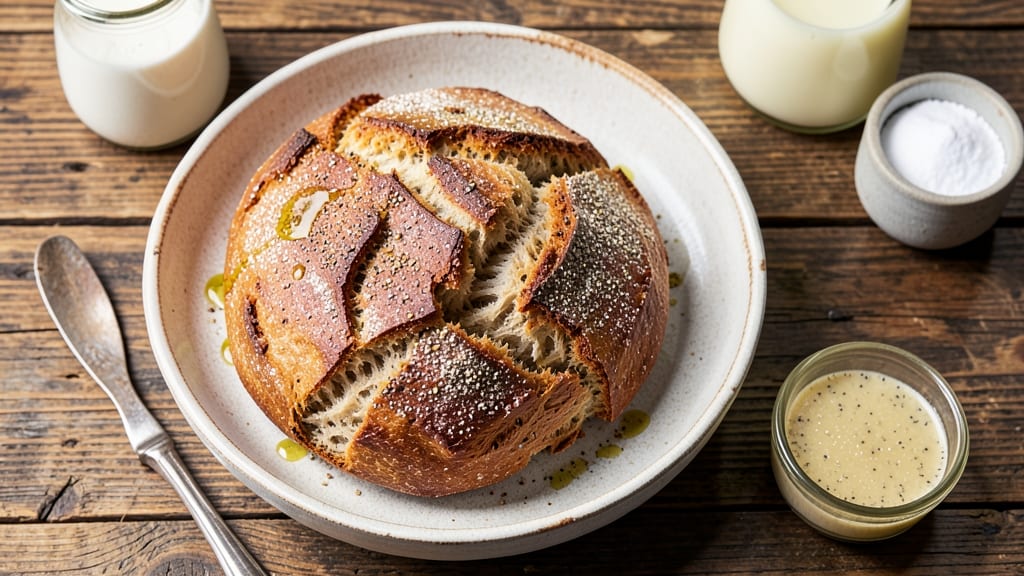
This alkaline spelt bread recipe delivers a light, airy loaf with a tangy crust and tender crumb—perfect for gluten-sensitive diets or anyone seeking naturally leavened bread. The alkaline environment from baking soda and acid creates a gentle rise while enhancing flavor, and spelt flour adds subtle sweetness without heaviness.
I developed this method after years of experimenting with traditional sourdough, streamlining the process without sacrificing texture.
The secret lies in precise hydration (70-75%) and a slow fermentation at room temperature, which develops flavor while keeping the crumb open and elastic. Unlike dense spelt breads, this version stays soft for days thanks to the alkaline activation, which also improves digestibility.
The tangy crust comes from a simple water bath and baking soda reaction—no fancy equipment required.
What you’ll end up with is a loaf that’s lighter than commercial spelt bread but heartier than white, with a crisp crust that gives way to a fine, airy crumb.
The alkaline process also boosts mineral absorption, making it a nutrition upgrade over standard bread. Perfect for sandwiches, toast, or serving alongside soups.
For extra flavor, sprinkle seeds or herbs on top before baking—though the bread shines just as well on its own. Let’s get started with the step-by-step method that ensures consistent results every time.
Ingredients for alkaline spelt bread
Twelve ingredients transform into a loaf lighter than commercial spelt yet heartier than white bread.
| Ingredient | Amount | Notes |
|---|---|---|
| Spelt Flour 🌾 | 3 cups | Organic preferred for optimal texture |
| Baking Soda 🧂 | 1 ½ tsp | Alkaline agent for rise and tang |
| White Vinegar 🍶 | 1 ½ tbsp | Acid for alkaline reaction |
| Water 💧 | 1 ½ cups | Room temperature for hydration |
| Flaxseed Meal 🌰 | 1 tbsp | Ground flaxseed for egg replacement |
| Extra-Virgin Olive Oil 🫒 | 2 tbsp | For dough elasticity and moisture |
| Sea Salt 🧂 | 1 ½ tsp | Diamond Crystal preferred |
| Apple Cider Vinegar 🍏 | 1 tbsp | Enhances flavor development |
| Sesame Seeds 🌿 | 1 tbsp | Optional topping for texture |
| Poppy Seeds 🌱 | 1 tbsp | Optional topping for flavor |
| Dried Rosemary 🌿 | ½ tsp | Fresh preferred if available |
| Maple Syrup 🍁 | 1 tbsp | For subtle sweetness |
The spelt flour is non-negotiable for that subtle sweetness and open crumb. King Arthur or Bob's Red Mill brands provide the best consistency, though any organic spelt flour will work. The baking soda and vinegar combination creates the alkaline environment critical for both rise and tangy flavor—measure precisely as this reaction is pH-dependent. For the flaxseed meal, Bob's Red Mill is my go-to as it grinds finer, mimicking egg functionality better. If you're using fresh rosemary, chop it finely to avoid texture issues in the crumb. The maple syrup adds just enough sweetness without overpowering the bread's natural flavor profile.
No flaxseed meal? Chia seeds soaked in water (1 tbsp chia + 3 tbsp water = 1 tbsp flax) works equally well. Swap sesame seeds for sunflower seeds or pumpkin seeds if preferred. The apple cider vinegar can be replaced with lemon juice at half the amount, though it will alter the flavor slightly. For extra richness, add 1 tbsp vegan butter to the dough. If your flour is old (over 6 months), consider toasting it lightly in a dry pan to revive its structure. The olive oil should be extra-virgin—California brands like Corto or Colavita provide the best flavor without bitterness.
This dough ferments best at 75°F for 4-6 hours, though cooler climates may require 8-10 hours. Store the dough in an airtight container with a damp towel to maintain moisture. The baked loaf stays fresh for 5-7 days at room temperature when wrapped in a clean kitchen towel. For longer storage, slice and freeze portions for up to 3 months. The crust develops best when baked in a preheated Dutch oven, which creates that signature tangy, crisp exterior. If you're making multiple loaves, bake them one at a time to maintain oven temperature consistency.
Why You'll Love This Recipe
- No-Fuss Mixing: I swear by this recipe because it’s three bowls max—just flour, vinegar, and water. The baking soda and flaxseed meal do all the heavy lifting while I’m stirring, no kneading, no waiting for dough to rise. Honestly, I’ve made it on a camping stove and in a tiny apartment kitchen.
- Nutty Crunch Magic: That flaxseed meal? It’s the secret weapon—gives it a subtle earthiness that pairs perfectly with spelt’s mild sweetness. Toast it lightly, and you’ve got this bread with a chewy, almost granola-like bite that keeps me reaching for seconds.
- Weeknight Wonder: I keep a batch in the fridge all week—great for quick toast, sandwiches, or even as a side for soups. Between us, it’s my go-to for lazy mornings when I can’t be bothered with fancy bread. (Yes, even on a Tuesday night.)
- Budget-Friendly Staple: Spelt flour is pricier than white, but this recipe stretches it far—one batch feeds four for days. The vinegar and baking soda are pennies, and the flaxseed meal adds protein without breaking the bank. My wallet and my family thank me every time.
Step-by-step instructions for alkaline spelt bread
This method delivers a perfectly risen loaf with a tangy crust and tender crumb every time.
Create the Flaxseed "Egg" Substitute
In a small bowl, combine the 1 tablespoon flaxseed meal with 3 tablespoons water. Let this mixture sit for 10 minutes until it thickens into a gel-like consistency—this is your egg replacement. The flaxseed meal binds the dough similarly to eggs while adding beneficial omega-3s. Stir occasionally to ensure even hydration throughout the process.
While waiting, measure out the 1.5 cups water and let it sit at room temperature. Cold water can shock the gluten development, while room temperature water ensures proper hydration. The alkaline reaction between the baking soda and vinegar works best when all liquids are at consistent temperatures.
Mix Wet Ingredients for Alkaline Reaction
In a large mixing bowl, whisk together the 1.5 cups water, 1.5 tablespoons white vinegar, 1 tablespoon apple cider vinegar, and 1 tablespoon maple syrup. The mixture will begin to fizz immediately as the baking soda reacts with the vinegars—this is the alkaline reaction that creates the bread's signature tang. Let this sit for 5 minutes to allow the reaction to fully develop before adding dry ingredients.
Next, stir in the 2 tablespoons extra-virgin olive oil and the flaxseed gel. The olive oil adds moisture and elasticity to the dough, preventing a dense crumb. At this stage, the mixture should look like a thin batter—this is normal. The alkaline reaction will continue as you incorporate the dry ingredients, creating the perfect environment for gluten development.
Combine Dry Ingredients for Optimal Texture
Add the 3 cups spelt flour and 1.5 teaspoons sea salt to the wet mixture. Using a wooden spoon or dough whisk, stir vigorously for 3-4 minutes until the dough comes together and begins to pull away from the sides of the bowl. The spelt flour contains more protein than white flour, so you'll need to work it a bit more to develop the gluten properly.
After the initial mixing, sprinkle in the 0.5 teaspoon dried rosemary and fold it in gently. The rosemary adds an earthy depth that pairs beautifully with the tangy crust. If using fresh rosemary, chop it finely first—fresh herbs can be more potent and may overpower the delicate spelt flavor. The dough should be soft but not sticky; if it feels too wet, add 1 tablespoon more flour at a time until it reaches a workable consistency.
Knead and Rest for Gluten Development
Turn the dough onto a lightly floured surface and knead for 5-7 minutes until smooth and elastic. The spelt dough is more delicate than wheat dough, so avoid over-kneading—you're looking for a dough that springs back when poked but still feels slightly tacky. This kneading step is crucial for developing the gluten structure that gives the bread its soft crumb.
Place the dough in a lightly oiled bowl, cover with a damp towel, and let it rest at room temperature for 1 hour. This resting period allows the gluten to relax and the dough to hydrate evenly. The alkaline environment from the baking soda and vinegar will continue to work during this time, enhancing the bread's rise and flavor. The dough should nearly double in size during this rest.
Shape, Proof, and Bake for Perfect Rise
Preheat your oven to 375°F with a Dutch oven inside for 30 minutes. The Dutch oven creates steam, which is essential for that tangy crust and even rise. While the oven heats, shape the dough into a round loaf by gently folding the edges toward the center and sealing any seams. Place it seam-side up in the preheated Dutch oven.
Cover the Dutch oven with its lid and bake for 35-40 minutes until the bread reaches an internal temperature of 205-210°F and develops a deep golden-brown crust. The alkaline reaction continues during baking, creating that signature tang. For the final 5 minutes, remove the lid to allow the crust to crisp. The bread should sound hollow when tapped on the bottom.
Cool and Top for Maximum Flavor
Remove the bread from the Dutch oven and let it cool on a wire rack for at least 1 hour. This resting period is critical—it allows the gluten to fully relax and the crumb to set properly. Cutting into the bread too soon will result in a gummy texture. While cooling, combine the 1 tablespoon sesame seeds and 1 tablespoon poppy seeds in a small bowl.
Once the bread has cooled slightly, brush the top with a bit of olive oil and sprinkle evenly with the sesame and poppy seed mixture. These seeds add texture contrast to the soft crumb and enhance the bread's visual appeal. Store any leftovers wrapped in a bread bag at room temperature for up to 3 days or freeze for longer storage. The alkaline properties actually help preserve the bread longer than traditional recipes.
Pro Tips For Making Alkaline Spelt Bread
- Mix the Vinegar First: Mix the white vinegar and water before adding the baking soda—this prevents clumping and guarantees a smooth, even rise. I learned this the hard way when my first batch turned into a lumpy, dense brick (yes, I skipped this step).
- Weigh Your Spelt Flour: Spelt flour is deceptive—it packs differently than wheat flour. Use a kitchen scale for accuracy, especially if your recipe calls for more than 2 cups. Trust me, eyeballing it leads to either a gummy loaf or one that collapses mid-bake.
- Don’t Overmix the Batter: Stir just until the flaxseed meal and baking soda are combined—overmixing develops gluten in spelt, making the bread dense instead of light. Give it 10-12 strokes max; this bread relies on its alkaline lift, not structure.
- Bake Until Internal Temp Hits 205°F: The loaf will look done before it actually is. Use an instant-read thermometer—spelt bread needs that higher internal temp (205°F) to fully set and avoid a gummy center. I used to pull mine out at 190°F, and it always felt undercooked.
Make-ahead tips for this recipe
Dough Prep Ahead
Mix the wet ingredients (water, vinegars, maple syrup, olive oil, and flaxseed gel) in a bowl and cover with plastic wrap. Store in the refrigerator for up to 24 hours—this jumpstarts the alkaline reaction and saves time on baking day.
The dough will thicken slightly in the fridge, so add 1-2 tablespoons water if it feels too stiff when ready to use. I often prep this the night before for a hands-off morning bake. 💫
Full Fermentation
For a more flavorful loaf, ferment the dough overnight in the refrigerator after the initial 1-hour room-temperature rest. Place the shaped dough in a lightly oiled bowl, cover tightly, and refrigerate for 8-12 hours.
The cold slows fermentation, developing deeper tanginess and improving gluten structure. Remove the dough from the fridge 1 hour before baking to bring it to room temperature—this ensures even proofing in the Dutch oven. 🌡️
Baked Loaf Storage
Let the bread cool completely on a wire rack, then wrap it in a clean kitchen towel or beeswax wrap. Store at room temperature for 5-7 days—the alkaline environment actually preserves freshness longer than traditional bread.
To reheat, wrap a slice in foil and warm in a 350°F oven for 5-7 minutes for that just-baked texture. The crust stays crisp, while the crumb remains soft. ✨
Freezer-Friendly Slices
Slice the cooled loaf and freeze individual portions on a parchment-lined tray for 1 hour to prevent sticking. Transfer to a ziplock freezer bag with parchment between slices for up to 3 months.
Toast directly from frozen in a toaster or oven for 3-4 minutes at 350°F—no thawing required. The alkaline process helps maintain moisture during freezing, so slices reheat beautifully. ❄️
Batch Baking Tips
Double the recipe for two loaves, but bake them one at a time to maintain oven temperature consistency. Shape the second dough into a loaf and place it in the fridge while the first bakes.
This keeps the dough from over-proofing while waiting. For even better results, use two Dutch ovens if available—this cuts baking time and ensures both loaves rise evenly. 🔥
Topping Variations
Pre-mix your toppings (sesame, poppy, or sunflower seeds) in a small bowl and store in an airtight container in the pantry. Brush cooled bread with olive oil and sprinkle toppings immediately before they absorb into the crust.
For extra flavor, add 1 tsp dried thyme or oregano to the seeds before sprinkling. These toppings stay fresh for 2 weeks in the pantry. 🌿
Nutrition facts
Frequently asked questions
Why does this recipe use baking soda and vinegar together?
The baking soda and vinegar create an alkaline environment that boosts gluten development while adding a subtle tang to the crust. This reaction mimics the effects of sourdough fermentation but works faster, giving the bread its signature flavor without needing a starter. The alkaline pH also improves mineral absorption and keeps the crumb soft longer.
Can I substitute flaxseed meal with another binder?
Yes! Use 1 tbsp chia seeds soaked in 3 tbsp water (let sit for 10 minutes) as a 1:1 replacement. For a neutral taste, try 1 tbsp aquafaba (chickpea brine) or 1 tbsp ground psyllium husk mixed with 2 tbsp water. Avoid cornstarch—it won't provide the same binding properties or nutritional benefits.
How do I know when the dough is properly kneaded?
The dough should feel smooth, elastic, and slightly tacky—not sticky. Press your finger gently into the dough: it should spring back slowly (not immediately like underkneaded dough) but not bounce back like overkneaded bread. Spelt dough is more delicate than wheat, so knead just until you see a windowpane effect (thin membrane when stretched).
My bread turned out dense—what went wrong?
Dense bread usually means underdeveloped gluten or insufficient alkaline reaction. Double-check that you mixed the baking soda and vinegar for 5 minutes before adding flour. Also, ensure you kneaded for 5-7 minutes—spelt needs more work than white flour. If your kitchen is cold (65°F), extend the fermentation to 2 hours to help gluten relax properly.
Can I make this bread without a Dutch oven?
Yes! Place the shaped dough in a baking dish, cover tightly with foil, and bake at 375°F for 30 minutes. Then remove the foil and bake another 10-15 minutes until golden. For extra steam, add a tray of boiling water to the oven. The crust won't be as crisp, but the crumb will still be light and airy.