
Side Dishes
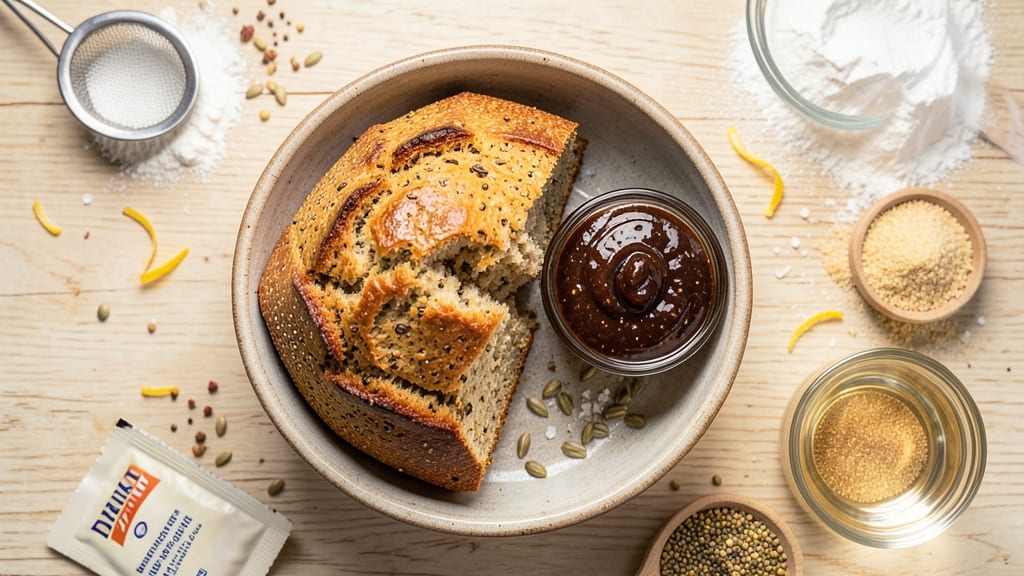
Transforming your bread recipe with flaxseed meal isn't just about adding nutrition—it's about achieving a perfectly balanced loaf that stays moist and flavorful without compromising texture. This vegan-friendly technique replaces traditional binders with a powerhouse ingredient packed with omega-3s and fiber, proving that healthy baking doesn't mean sacrificing quality.
The key lies in precise hydration ratios and gentle mixing to preserve the bread's structure while unlocking its nutritional potential.
What sets this method apart is how flaxseed meal acts as both an egg substitute and a moisture enhancer, creating a loaf that's tender yet sturdy. Unlike other vegan binders, flaxseed adds subtle nuttiness and a slightly earthy depth that complements both sweet and savory breads.
The process is straightforward—just combine ground flaxseed with water to form a gel-like binder, then incorporate it into your dough with the same care you'd use for eggs.
By the time your loaf emerges from the oven, you'll notice a denser crumb structure with improved moisture retention, thanks to the flaxseed's natural gelling properties. The crust remains crisp, while the interior stays soft for days, making this an ideal solution for sandwich bread, dinner rolls, or artisanal loaves.
This technique works equally well for whole-grain and white flour recipes, adapting seamlessly to your favorite formulas.
The best part? You're not just making bread—you're creating a nutrient-dense staple that supports heart health and digestion. With just a few adjustments, you'll achieve professional results that even non-vegans will reach for. Let's get started on crafting your enriched loaf.
Ingredients for adding flaxseed meal to bread
Nine essential ingredients transform ordinary dough into a nutrient-rich, vegan loaf with perfect texture.
| Ingredient | Amount | Notes |
|---|---|---|
| All-Purpose Flour 🌾 | 3 cups | Unbleached preferred for better texture |
| Flaxseed Meal 🌰 | ½ cup | Freshly ground for optimal binding |
| Water 💧 | ¾ cup | Room temperature for proper gel formation |
| Active Dry Yeast 🍞 | 2 ¼ tsp | Ensure yeast is fresh for reliable rise |
| Granulated Sugar 🍚 | 1 tbsp | Feeds yeast for proper fermentation |
| Salt 🧂 | 1 ½ tsp | Diamond Crystal for accurate measurement |
| Olive Oil 🫒 | ½ cup | Extra-virgin for subtle fruity notes |
| Whole Wheat Flour 🌾 | 1 cup | Optional for added nutrition and texture |
| Ground Flaxseed 🌰 | ¼ cup | For extra omega-3 boost in dough |
| Apple Cider Vinegar 🍎 | 1 tbsp | Enhances flavor and extends freshness |
| Sesame Seeds 🌱 | 1 tbsp | For topping and added crunch |
Flaxseed meal is the star here, and Bob's Red Mill or Trader Joe's carry the best quality. Look for freshly ground meal—pre-ground flaxseed loses potency quickly. The flaxseed should smell nutty, not stale. For whole wheat flour, King Arthur brand is ideal as it blends well without overpowering the dough. If you're using whole wheat, increase the water by 1-2 tablespoons since it absorbs more moisture. The yeast needs to be fresh—test it by dropping a pinch in warm water with sugar; if it bubbles within 5 minutes, it's good to go.
No flaxseed meal? Ground chia seeds at the same ratio work as a binder, though the flavor will differ slightly. Running short on whole wheat? Substitute with an extra 1/4 cup all-purpose flour. The apple cider vinegar can be swapped for white vinegar in a pinch, but it won't add the same depth of flavor. If you're making a sweet loaf, reduce the sugar slightly—this recipe balances well with just 1 tablespoon. For a heartier texture, add 1/4 cup rolled oats to the dough. The sesame seeds can be omitted if you're allergic, but they add a lovely crunch and visual appeal.
Store your dough in the fridge for up to 24 hours before baking—this enhances flavor development. Once baked, keep the loaf wrapped in a clean kitchen towel inside an airtight bag for 3-4 days to maintain moisture. For longer storage, freeze slices wrapped in parchment paper for up to 3 months. To revive stale bread, wrap it in a damp towel and heat in a 350°F oven for 5-10 minutes. The flaxseed-enriched loaf reheats beautifully, making it perfect for toast or sandwiches.
Why You'll Love This Recipe
- No-Fuss Mix-In: I swear by this trick—just stir the flaxseed meal right into the water with the yeast. No extra bowls, no messy measuring cups. The flax dissolves smooth as butter, and the dough comes together faster than my coffee brews.
- Nutty Depth: Honestly, the flaxseed meal adds this subtle, toasty richness that plain bread just can’t compete with. It’s not overpowering—more like a warm hug for your sandwich or toast. My kids still ask for "Mom’s weird bread," and I won’t tell them it’s secretly healthy.
- Meal Prep MVP: Between us, this bread is my go-to for lunches, toast, or even croutons. Bake a big batch on Sunday, and you’ve got breakfast, snacks, and leftovers covered. The flax keeps it fresh longer than my usual loaf—no soggy ends in sight.
- Pocketbook Perk: Flaxseed meal is cheap, and a little goes a long way. I stretch my grocery budget by using it in bread, pancakes, even smoothies. Plus, the yeast and sugar are basics I always have—no last-minute store runs for specialty ingredients. Smart, simple, and satisfying.
Step-by-step instructions for nutrient-boosted flaxseed bread
Here's how to blend flaxseed meal into your dough for a loaf packed with omega-3s while keeping that perfect crumb.
Create the Flaxseed Gel for Binding
In a small bowl, whisk together the 0.5 cup flaxseed meal and 0.75 cup water. Let this mixture sit for 10 minutes—you'll see it transform into a thick, gel-like consistency. This is crucial because flaxseed meal doesn't absorb moisture like traditional flours, and the gel acts as a natural binder that mimics gluten's structure.
I always use room-temperature water for this step because cold water creates a weaker gel. Give it a quick stir after the 10 minutes to ensure even consistency. If you notice any dry spots, add a splash of water and mix again. This gel will replace some of the liquid in your dough, so don't worry about adjusting other measurements.
Activate the Yeast with Warm Water
In a separate bowl, combine 1.25 cups warm water (about 110°F—too hot and you'll kill the yeast) with the 2.25 tsp active dry yeast and 1 tbsp granulated sugar. Let this sit for 5-10 minutes until it becomes foamy. You'll know it's active when you see small bubbles forming on the surface and a yeasty aroma develops.
This is where the magic starts. The sugar feeds the yeast, and the warm water activates it—both essential for creating that light, airy crumb. If your kitchen is cold, you might need to let the water sit for an extra minute or two. Just don't exceed 115°F, or you'll denature the yeast proteins and ruin your rise.
Mix the Wet Ingredients
To the yeast mixture, add the 0.5 cup olive oil, 1 tbsp apple cider vinegar, and the flaxseed gel you prepared earlier. Stir gently to combine—this creates your wet ingredient base. The vinegar adds a subtle tang that balances the earthy flaxseed flavor, while the olive oil contributes richness and helps tenderize the crumb.
Now add the 1.5 tsp salt and mix again. The salt isn't just for flavor—it also helps regulate yeast activity and strengthens the gluten structure in the dough. Don't skip this step, even though it might seem minor. Proper salt balance is what separates a good loaf from a great one.
Combine Flours and Flaxseed
In a large mixing bowl, whisk together the 3 cups all-purpose flour and 1 cup whole wheat flour. Add the 0.25 cup ground flaxseed to this dry mixture and stir well. The whole wheat flour adds nutrition and texture, while the ground flaxseed provides that extra omega-3 boost without altering the dough's behavior too dramatically.
Create a well in the center of the dry ingredients and pour in the wet mixture. Using a wooden spoon or dough whisk, gently combine everything until you have a shaggy dough. Avoid overmixing at this stage—you want to preserve the integrity of the flaxseed gel and prevent developing too much gluten too early.
Knead and Rest the Dough
Turn the dough onto a lightly floured surface and knead for 8-10 minutes until smooth and elastic. The flaxseed meal makes the dough slightly denser than traditional bread, so don't be surprised if it feels heavier. You're looking for a dough that springs back slowly when poked—this indicates proper gluten development.
Place the dough in a lightly oiled bowl, cover with a damp towel, and let it rise in a warm place for 1-2 hours, or until doubled in size. The flaxseed meal affects fermentation slightly, so you might notice a slower rise. If your kitchen is cool, consider using a proofing box or placing the bowl near a warm oven with the light on.
Shape, Proof, and Bake
Punch down the dough to release air, then shape it into a loaf. Place it in a greased 9x5-inch loaf pan, cover again, and let it rise for another 30-45 minutes until it's just above the pan's rim. The flaxseed meal gives the dough a slightly denser structure, so don't be tempted to overproof—this can lead to a gummy texture.
Preheat your oven to 375°F. Before baking, brush the top of the loaf with a little water and sprinkle with 1 tbsp sesame seeds for that classic crunchy finish. Bake for 35-40 minutes until the internal temperature reaches 205-210°F and the bread sounds hollow when tapped on the bottom. The sesame seeds will toast beautifully, adding both texture and visual appeal.
Cool and Enjoy
Remove the bread from the pan and let it cool on a wire rack for at least 30 minutes before slicing. This cooling period is crucial—it allows the internal structure to set properly, preventing a gummy crumb. The flaxseed meal makes the bread slightly denser than traditional loaves, so slicing too soon can result in a less-than-ideal texture.
Once cooled, slice and serve. You'll notice the bread has a hearty, nutty flavor from the flaxseed and a satisfying chew from the whole wheat flour. The sesame seeds add a delightful crunch that contrasts perfectly with the tender crumb. Store any leftovers in an airtight container for up to 5 days, or freeze for longer storage.
Pro Tips For Making Adding Flaxseed Meal To Bread
- Mix Flaxseed Last: Mix the flaxseed meal into the dry ingredients after the yeast and sugar—this keeps it from absorbing moisture too early and dulling its nutty flavor. I used to add it with the flour, and the bread always tasted flat until I realized the yeast needed to wake up first.
- Use Warm Water, Not Hot: Dissolve the yeast in water that’s 105–110°F—any hotter and you’ll kill it, no matter how much sugar you add. I learned this the hard way when my first batch failed because I eyeballed the temperature. A quick thermometer check saves you from starting over.
- Weigh Your Flaxseed: Scooping flaxseed meal by volume leads to inconsistent results—it packs differently every time. Use a kitchen scale for 1:1 substitution with flour (e.g., 100g flaxseed = 100g flour). Trust me, your bread’s texture will thank you.
- Let the Dough Rest: After mixing, give the dough at least 10 minutes before shaping—this lets the flaxseed soften and bind properly. I skipped this once and ended up with a dense, crumbly loaf. Patience here makes all the difference.
Perfect pairings for this recipe
Topping Variations
Elevate your flaxseed bread with these simple yet impactful toppings.
For a savory twist, try a mix of 1 tbsp poppy seeds and 1 tsp garlic powder before baking—this adds a nutty depth that pairs perfectly with the flaxseed's earthiness. 🌱 For sweet loaves, sprinkle 1 tbsp cinnamon sugar and 2 tbsp chopped walnuts to create a breakfast-worthy texture.
Want extra crunch? Toast 1 tbsp pumpkin seeds in a dry pan for 2 minutes before sprinkling them on top. The seeds add a smoky note that complements the bread's nuttiness.
If you love herbs, a sprinkle of 1 tbsp dried rosemary or fresh thyme just before baking infuses the crust with aromatic warmth.
Spread Pairings
This nutrient-rich bread shines with creamy avocado mash—mix 1 ripe avocado with 1 tbsp lemon juice and salt for a spread that highlights the flaxseed's omega-3s. For a protein boost, pair with hummus (store-bought or homemade) and sliced cucumbers for a refreshing contrast. 🥑
Sweet tooth? Try almond butter mixed with 1 tsp maple syrup and a pinch of sea salt—the sweetness balances the bread's earthy undertones. For a classic combo, slather with ricotta cheese and top with sliced peaches or blackberries for a dessert-like breakfast or snack.
Beverage Pairings
Match your flaxseed bread with chilled hibiscus tea—its tart, cranberry-like flavor cleanses the palate between bites. For coffee lovers, a light roast with cinnamon enhances the bread's nuttiness without overpowering it. The subtle bitterness of the coffee cuts through the flaxseed's richness beautifully. ☕
For a non-caffeinated option, sip on sparkling water with a splash of apple cider—the effervescence refreshes while the apple notes echo the vinegar in the dough. If you prefer alcohol, a dry Riesling (with its crisp acidity) or a light lager (like Corona) complements the bread's balanced flavors.
Meal Pairings
Turn your flaxseed bread into a heartier meal by serving it with roasted sweet potatoes and sautéed kale tossed in olive oil and lemon zest. The sweetness of the potatoes contrasts the bread's earthy notes, while the kale adds a peppery crunch. 🍠
For lunch, pair slices with smoked salmon, cream cheese, and red onion for a vegan-friendly take on a classic bagel. The smoky salmon elevates the bread's natural nuttiness, making it feel like a gourmet sandwich.
For dinner, serve with grilled chicken and roasted Brussels sprouts for a protein-packed, balanced plate.
Nutrition facts
Frequently asked questions
How much flaxseed meal replaces eggs in bread?
Use 1 tablespoon ground flaxseed + 3 tablespoons water for each egg in your recipe. For this bread, we used 0.5 cup flaxseed meal total to create a gel that binds the dough perfectly. The mixture needs 10 minutes to thicken before adding to your dough.
Can I use whole flaxseeds instead of flaxseed meal?
No—whole flaxseeds won't work as a binder. The meal (ground seeds) releases lignans when mixed with water, forming a gel that mimics egg's binding properties. Whole seeds will just add texture without proper binding. For extra nutrition, you can still add 0.25 cup ground flaxseed to the dough separately.
Why does my flaxseed bread taste bitter?
Overheating or using stale flaxseed meal causes bitterness. Always store flaxseed in the fridge or freezer, and use freshly ground meal for best flavor. Toasting 1 tbsp sesame seeds before adding also helps balance any earthy notes. If bitterness persists, reduce the flaxseed by 1 tablespoon next time.
How long does flaxseed bread stay fresh?
This enriched loaf stays fresh for 5-7 days when wrapped in a clean kitchen towel inside an airtight bag. The flaxseed's natural oils help retain moisture. For longer storage, slice and freeze portions for up to 3 months. To revive stale slices, wrap in a damp towel and warm at 350°F for 5-10 minutes.
Can I make this bread without yeast?
Yes, but the texture will be denser. Replace the yeast with 1 tsp baking soda + 1 tbsp vinegar (or 1/4 cup buttermilk). The flaxseed gel still works as a binder, but you'll lose the airy crumb. For a quick version, bake at 375°F for 25-30 minutes until the internal temp reaches 205°F.