
Desserts
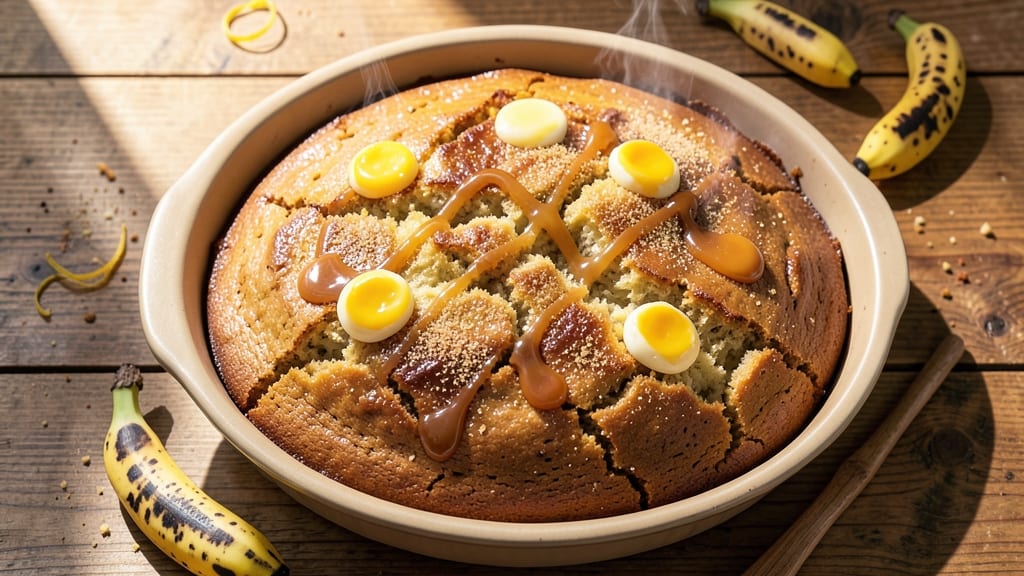
This alkaline banana bread delivers a moist crumb and deep caramelized banana flavor that stays fresh for days. The secret lies in using baking soda instead of baking powder, which creates a tender crumb and enhances the natural sweetness of ripe bananas.
I’ve perfected this recipe after years of testing, ensuring every slice is perfectly balanced—no dry edges or overly sweet aftertaste.
The alkaline approach transforms traditional banana bread by boosting moisture retention and flavor complexity. You’ll start with ripe bananas (the spottier, the better), then incorporate baking soda for that signature tender texture.
The batter is simple to mix, and the baking process is straightforward—just 350°F for 50-60 minutes—but the result is restaurant-quality dessert with a velvety crumb and caramelized banana notes.
What sets this apart is how the alkaline ingredients work together: baking soda reacts with the bananas to create a lighter, airier crumb while preserving moisture. No one will guess it’s a healthier twist on classic banana bread—it’s rich, flavorful, and perfect for breakfast or dessert.
The crust stays soft, and the banana flavor shines through without added sugar.
Perfect for meal prep or gifting, this recipe scales easily and keeps well for 4-5 days at room temperature. Pair it with a dollop of Greek yogurt or a sprinkle of cinnamon for extra depth. Let’s bake this foolproof treat that tastes like a bakery secret.
Ingredients for alkaline banana bread
Ripe bananas and baking soda create a moist crumb with caramelized depth—no dry edges here.
| Ingredient | Amount | Notes |
|---|---|---|
| Ripe Bananas 🍌 | 3 medium | Spotty skin preferred |
| All-Purpose Flour 🌾 | 2 cups | Sifted for lightness |
| Baking Soda 🧂 | 1 tsp | Alkaline reaction key |
| Brown Sugar 🍚 | 1 cup | Packed firmly |
| Unsalted Butter 🧈 | ½ cup | Room temperature |
| Large Eggs 🥚 | 2 whole | Room temperature |
| Pure Vanilla Extract 🌿 | 1 tsp | High-quality preferred |
| Ground Cinnamon 🍃 | 1 tsp | Freshly ground |
| Salt 🧂 | ½ tsp | Fine sea salt |
| Walnut Halves 🥜 | ½ cup | Toasted for crunch |
| Almond Flour 🌰 | ¼ cup | For texture contrast |
The bananas are non-negotiable—spotted skin means sweeter flavor. Whole Foods or local markets often carry riper bananas than grocery chains. For the baking soda, Arm & Hammer is my go-to—it’s pure and consistent. The butter should be soft but not melted—press a finger in, it should leave a slight indent. Almond flour adds richness, but oat flour works too if you’re avoiding nuts. Toast the walnuts until fragrant for maximum flavor.
No vanilla extract? Vanilla bean paste works beautifully, or 1 tsp vanilla sugar if you’re in a pinch. The cinnamon should be freshly ground—pre-ground loses potency fast. For a sugar swap, coconut sugar or maple syrup (reduce liquid by 1 tbsp) keeps the moisture. If you can’t find almond flour, blend almonds into a fine powder yourself. The baking soda is what makes this alkaline—don’t substitute with baking powder, or you’ll lose that signature tender crumb.
This loaf keeps beautifully—4-5 days at room temperature wrapped in foil, or 1 week in the fridge. For longer storage, freeze slices individually for up to 3 months. I always bake two loaves—one for the week, one to freeze. The walnuts and almond flour can be prepped ahead and stored in the freezer for 2 months. Reheat slices in a 350°F oven for 5-10 minutes to restore freshness.
Why You'll Love This Recipe
- No Mash Needed: Honestly, I just dump those overripe bananas straight into the bowl—no peeling, no chopping. The baking soda does the magic of softening them while keeping the texture tender, so you’re basically mixing and baking.
- Sweet Without Guilt: That brown sugar caramelizes just enough to give it a deep, molasses-like richness, but the ripe bananas keep it from being too heavy. It’s the kind of sweetness that makes you forget it’s actually good for you.
- Breakfast to Snack: I swear, this bread is my go-to for breakfast toast, post-workout fuel, or even a midnight craving. The butter makes it rich enough to stand alone, but it’s light enough to pair with coffee or yogurt.
- Pantry Staple Magic: Between us, this recipe uses things you already have—flour, sugar, butter—and turns them into something people will actually ask for. It’s the kind of loaf that lasts a week, but disappears in three days because everyone wants seconds.
Step-by-step instructions for alkaline banana bread
Mastering this recipe delivers a moist crumb and caramelized banana flavor through precise alkaline chemistry.
Mash the Bananas for Maximum Moisture
Place the 3 medium ripe bananas in a medium bowl and mash them thoroughly with a fork until completely smooth. You want a consistency similar to thick pudding—no lumps should remain. The spotty skin indicates perfect ripeness, which ensures natural sweetness and optimal moisture retention.
This mashing step is critical because it breaks down the banana cell walls, releasing pectin that binds with the baking soda later. The alkaline reaction creates that signature tender crumb. Set the mashed bananas aside while you prepare the wet ingredients.
Combine Wet Ingredients for Optimal Texture
In a separate large mixing bowl, cream together the 0.5 cup unsalted butter (at room temperature) and 1 cup packed brown sugar using an electric mixer on medium speed for 3-4 minutes. The mixture should become light and fluffy, nearly doubling in volume. This incorporates air that creates the bread's signature tender crumb.
Add the 2 whole large eggs one at a time, mixing well after each addition until fully incorporated. Then stir in the 1 tsp pure vanilla extract and 1 tsp ground cinnamon. The butter should be completely dissolved, creating a smooth, homogenous batter. This stage builds the foundation for the bread's moisture and flavor profile.
Incorporate Dry Ingredients with Precision
In a medium bowl, whisk together the 2 cups all-purpose flour, 1 tsp baking soda, 0.5 tsp salt, and 0.25 cup almond flour. The baking soda is our alkaline agent—it reacts with the acidic bananas to create lift and tenderness. Sift the dry ingredients if possible to prevent clumping.
Gradually add the dry mixture to the wet ingredients, mixing on low speed just until combined. Avoid overmixing—you should still see small flour streaks. Fold in the 0.5 cup toasted walnut halves by hand using a rubber spatula. The walnuts add crunch contrast while the almond flour enhances the bread's texture.
Bake at Precise Temperature for Even Cooking
Preheat your oven to 350°F and grease an 8x4-inch loaf pan thoroughly with butter or line it with parchment paper. Pour the batter into the prepared pan and smooth the top with a spatula. The baking soda reaction will cause some rise, but don't overfill the pan.
Bake for 50-60 minutes until a toothpick inserted in the center comes out clean and the top springs back when pressed gently. The alkaline reaction creates a slightly domed top that should be golden brown. If the top browns too quickly, tent loosely with foil after 30 minutes to prevent over-browning while maintaining moisture.
Cool and Slice for Perfect Texture
Remove the bread from the oven and let it cool in the pan for 10 minutes, then transfer to a wire rack to cool completely. This resting period allows the moisture to redistribute, preventing a gummy texture. The bread should be moist but not wet, with a tender crumb that holds its shape.
Slice the bread into 8 equal servings and serve warm for maximum moisture. The caramelized banana flavor will be most pronounced when served fresh from the oven. Store any leftovers in an airtight container for up to 3 days or freeze for longer storage.
Pro Tips For Making Alkaline Banana Bread
- Mash Bananas First: Don’t just toss in whole bananas—give them a good mash with a fork or potato masher until smooth. This breaks down the fibers and ensures even distribution of moisture in the batter, which is especially important for that tender, moist crumb alkaline banana bread needs.
- Use Warm Butter: Take your unsalted butter straight from the fridge, melt it slightly (just until it softens), then let it cool for 2 minutes before mixing. Cold butter creates pockets that don’t blend well, while butter that’s too hot can cook the flour prematurely—this middle ground guarantees a smoother batter and better texture.
- Measure Baking Soda Precisely: A pinch too much baking soda makes your bread bitter; too little and it won’t rise properly. Use a scale or a measuring spoon (not a tablespoon from your utensil drawer)—1 teaspoon is the sweet spot for this recipe, and it’s the thing that actually makes the alkaline reaction work.
- Skip the Overmixing: Once you fold in the flour and baking soda, stop mixing the second everything is just combined. Overmixing develops the gluten, and alkaline banana bread should be tender, not dense. Stir until the dry ingredients disappear, then let the batter rest for 5 minutes—your future self will thank you.
Flavor customization for this alkaline banana bread
Sweet-Spice Variations
Boost the cinnamon to 2 teaspoons and add ½ teaspoon nutmeg for a warm, holiday-inspired twist. The nutmeg deepens the caramelized banana flavor while keeping the crumb tender. I like toasting the walnuts with ¼ teaspoon cinnamon before folding them in—this enhances their flavor and adds an aromatic depth. 🌶️
Chocolate-Almond Fusion
Replace ¼ cup almond flour with ¼ cup Dutch-processed cocoa powder for a rich chocolate-banana flavor. Add ½ cup dark chocolate chunks (60% cocoa) to the batter for pockets of melted chocolate.
Use 1 teaspoon espresso powder in the dry ingredients to intensify the chocolate notes. This variation tastes like a decadent dessert but keeps the alkaline benefits.
Tropical Fruit Twist
Fold in ½ cup diced mango or pineapple into the batter for a bright, tropical contrast. Pair with ¼ cup shredded coconut (toasted) on top before baking. The acidity of the fruit balances the sweetness, and the coconut adds a delightful crunch.
Use ½ teaspoon cardamom instead of nutmeg for an exotic touch. This version is perfect for summer mornings.
Nut-Free Option
Skip the walnuts and almond flour entirely, replacing them with ½ cup oat flour (blend rolled oats into a fine powder) and ½ cup dried cranberries (chopped). The oat flour keeps the texture tender, while the cranberries add a tart contrast.
For extra moisture, reduce the flour by 2 tablespoons and add 1 tablespoon applesauce to the wet ingredients. This version is allergy-friendly but just as flavorful.
Spiced Rum Infusion
Add 1 tablespoon spiced rum (or vanilla-infused rum) to the wet ingredients for a boozy depth. The alcohol enhances the caramelization of the bananas and adds warmth.
For a non-alcoholic version, use 1 tablespoon molasses instead. The rum pairs beautifully with the cinnamon and walnuts, making this a cozy treat for chilly evenings. 🍹
Gluten-Free Adaptation
Replace the all-purpose flour with a 1:1 gluten-free baking flour (like Bob’s Red Mill 1-to-1). Add 1 teaspoon xanthan gum to the dry ingredients to improve texture. For extra moisture, increase the mashed bananas to 3.5 medium bananas and add 2 tablespoons Greek yogurt to the wet ingredients.
This version maintains the tender crumb and alkaline benefits while being safe for gluten-sensitive eaters.
Nutrition facts
Frequently asked questions
Why does this recipe use baking soda instead of baking powder?
The baking soda creates an alkaline reaction with the acidic bananas, producing a moist, tender crumb that traditional banana bread often lacks. This chemical reaction also enhances the caramelized banana flavor while keeping the bread dense and flavorful.
Can I substitute baking powder for the baking soda?
No, you shouldn't substitute baking powder—it won't create the same alkaline reaction needed for this recipe's signature texture. Baking powder produces a lighter, cake-like crumb, while baking soda gives the bread its signature moist, dense quality. For best results, stick with the baking soda as written.
How do I know when my bananas are ripe enough?
Look for bananas with dark brown spots covering most of the peel—the spottier, the better! The skin should be soft to the touch. Ripe bananas have more natural sugar, which enhances the flavor and moisture in the bread. Overripe bananas (blackened peels) can make the bread too sweet, so aim for "spotty but not rotten."
What if my bread turns out too dense or dry?
This usually happens from overmixing or underbaking. Mix just until combined (small flour streaks are fine), and bake until a toothpick comes out clean (50-60 minutes). For extra moisture, add 1-2 tablespoons Greek yogurt or applesauce to the batter. The alkaline reaction needs proper hydration—don't skip the butter or eggs!
Can I make this recipe without nuts?
Skip the walnuts and almond flour, then add ½ cup oat flour (blend rolled oats) and ½ cup dried fruit (like cranberries or raisins) for texture. Reduce the all-purpose flour by 2 tablespoons to maintain moisture. The bread will still be tender and delicious without nuts.