
Breakfast & Brunch
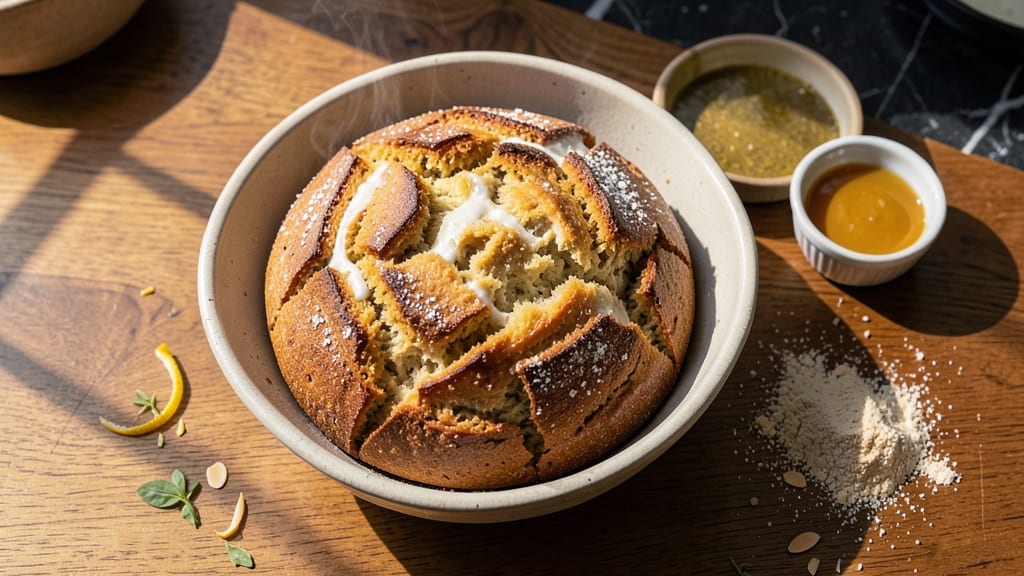
This almond flour yogurt bread recipe delivers the perfect balance of fluffy texture and nutty sweetness—ideal for breakfast lovers seeking a healthier twist on classic bread.
The secret lies in combining almond flour’s natural richness with the tangy lift of yogurt, creating a loaf that’s both moist and tender without relying on refined flour. Whether you're baking for a vegan diet or simply exploring gluten-free options, this recipe transforms simple pantry staples into a restaurant-worthy loaf.
What sets this recipe apart is its foolproof technique, designed to achieve a high rise and golden crust even with almond flour’s denser texture. We’ll use plant-based yogurt (or dairy-free alternatives) to bind the ingredients while adding probiotic benefits, and a touch of flaxseed for extra structure.
The result? A bread that’s light enough to toast but sturdy enough for sandwiches—all baked at 350°F for a crisp exterior and soft interior.
By the time you pull this loaf from the oven, you’ll have a nutty-sweet, aromatic bread with a tender crumb and subtle tang from the yogurt. The almond flour adds depth to every bite, making it perfect for breakfast toast, French toast, or even as a side for soups.
No special equipment is needed—just a standard loaf pan and patience for the proofing process.
For those new to almond flour baking, don’t worry—this recipe includes troubleshooting tips to ensure success, whether you’re adjusting for humidity or perfecting the rise. Leftovers stay fresh for days, and the flavor only improves with time. Let’s get started on this game-changing loaf!
Ingredients for almond flour yogurt bread
Nine simple ingredients transform into a fluffy, nutty-sweet almond flour loaf with perfect rise.
| Ingredient | Amount | Notes |
|---|---|---|
| Almond Flour 🥜 | 2 ½ cups | Finely ground, unsweetened preferred |
| Unsweetened Plant-Based Yogurt 🥛 | 1 cup | Vegan, thick consistency |
| Ground Flaxseed 🌾 | 2 tbsp | Plus 6 tbsp water for flax egg |
| Granulated Sugar 🍚 | ¼ cup | Or coconut sugar for refined-free |
| Baking Soda 🧂 | 1 tsp | Ensures proper rise |
| Salt 🧂 | ½ tsp | Fine sea salt preferred |
| Vanilla Extract 🌿 | 1 tsp | Pure vanilla for authentic flavor |
| Applesauce 🍎 | ½ cup | Unsweetened, replaces some fat |
| Unflavored Almond Milk 🥛 | ½ cup | Room temperature for best mixing |
| Whole Flaxseeds 🌾 | 1 tbsp | For texture and omega-3 boost |
| Sesame Seeds 🌻 | 1 tbsp | Optional for topping |
Almond flour is the star here—Bob's Red Mill or Anthony's Goods are my go-to brands for consistency. Look for finely ground, unsweetened varieties to avoid gritty texture. The plant-based yogurt should be thick and tangy; Silk or Kite Hill work perfectly. If you can't find unsweetened, use plain Greek yogurt and reduce sugar slightly. The flaxseed mixture is non-negotiable—it's what gives this bread its structure without gluten. Measure carefully, as almond flour packs differently than traditional flour.
No almond flour? Substitute with a 1:1 blend of oat flour and tapioca starch, though texture will differ slightly. Running out of plant-based yogurt? Unsweetened applesauce or mashed banana works in a pinch, but flavor will be milder. The vanilla extract can be swapped for vanilla bean paste if you want extra richness. For a sweeter loaf, add 1-2 tbsp maple syrup to the wet ingredients. Sesame seeds are optional but add beautiful crunch—toasted in a dry pan for 30 seconds before sprinkling makes them irresistible.
This dough keeps in the fridge for up to 3 days wrapped tightly in plastic, though it's best baked fresh. For longer storage, freeze portions for up to 3 months—wrap tightly and thaw overnight at room temperature. The bread reheats beautifully in a 350°F oven for 5-10 minutes to restore freshness. Slice with a serrated knife for clean cuts, and store in an airtight container to maintain moisture. Leftovers make perfect toast or French toast—just add a drizzle of maple syrup.
Why You'll Love This Recipe
- No Mixer Needed: I swear by this recipe because it’s three ingredients plus water—just stir, pour, and bake. The almond flour and yogurt blend like magic, no kneading, no fuss, and no excuses for skipping homemade bread.
- Tangy-Sweet Magic: That unsweetened plant-based yogurt gives it a bright, almost custardy richness while the flaxseed adds a subtle nuttiness. Honestly, it’s the kind of bread that makes you pause mid-bite and think, “Wait, why don’t I make this more often?”
- Weeknight Workhorse: I keep a loaf wrapped in the fridge for days—perfect for toast, French toast, or even crusty sandwiches. It’s my go-to when I’m too tired for elaborate prep but still want something actually good.
- Budget-Friendly Luxury: Almond flour might sound fancy, but it stretches further than regular flour, and the yogurt keeps it moist without needing butter or eggs. I’ve made this on a tight grocery budget, and it still feels like a treat. (Yes, even on a Tuesday night.)
Step-by-step instructions for almond flour yogurt bread
Here's how to create a light, nutty loaf with perfect rise and moist crumb.
Prepare the Flax Egg and Combine Wet Ingredients
In a small bowl, whisk together the 2 tablespoons ground flaxseed with 6 tablespoons water. Let this mixture sit for 5 minutes until it thickens into a gel-like consistency—this is your flax egg, which replaces traditional eggs for binding. Meanwhile, in a separate large mixing bowl, combine the 1 cup unsweetened plant-based yogurt, 0.5 cup applesauce, 0.5 cup unflavored almond milk, 0.25 cup granulated sugar, and 1 teaspoon vanilla extract. Mix until fully incorporated, ensuring the sugar dissolves completely.
This step ensures all wet ingredients are properly blended, creating a smooth base for the batter. The applesauce adds moisture while keeping the bread lighter, and the yogurt provides that signature tangy flavor. Let the mixture sit for 2 minutes to allow the sugars to fully integrate before moving to the next step.
Mix Dry Ingredients and Combine with Wet
In a medium bowl, sift together the 2.5 cups almond flour, 1 teaspoon baking soda, and 0.5 teaspoon salt. Sifting prevents lumps and ensures even distribution of the leavening agent. Gradually add this dry mixture to the wet ingredients while mixing on low speed with a hand mixer or whisk until just combined. Be careful not to overmix—you should still see small streaks of almond flour in the batter. The texture should be thick but pourable.
At this stage, the batter should resemble a dense, slightly sticky dough. If it appears too thick, add 1 tablespoon more almond milk to achieve a consistency similar to pancake batter. The almond flour gives this bread its signature texture, but it absorbs moisture differently than wheat flour, so proper hydration is key.
Fold in Flaxseeds and Prepare the Loaf Pan
Gently fold in the 1 tablespoon whole flaxseeds using a spatula, reserving a small handful for topping later. Lightly grease a 9x5-inch loaf pan with nonstick spray or brush with a thin layer of neutral oil. Line the bottom with parchment paper, leaving an overhang on two sides for easy removal. Pour the batter into the prepared pan and smooth the top with a spatula. Sprinkle the remaining reserved flaxseeds evenly over the surface, followed by the 1 tablespoon sesame seeds for added texture and visual appeal.
This step is crucial for achieving that beautiful crust and preventing the bread from sticking. The sesame seeds add a subtle nutty crunch that complements the soft interior. Tap the pan gently on the countertop to release any air bubbles that may have formed during mixing.
Bake Until Golden and Springy
Preheat your oven to 350°F and place a small baking dish filled with 1 cup hot water on the lower rack to create steam. This helps the bread rise higher and stay moist. Bake the loaf for 50-55 minutes until the top is golden brown and a toothpick inserted into the center comes out clean. The bread should also spring back slightly when pressed gently with a finger—this indicates proper doneness.
If the top browns too quickly before the center is fully baked, loosely cover the loaf with aluminum foil after 30 minutes and continue baking. The internal temperature should reach 205-210°F for a perfectly baked loaf. Be mindful not to overbake, as almond flour bread can dry out faster than traditional wheat-based breads.
Cool and Slice for Maximum Freshness
Remove the loaf from the oven and let it cool in the pan for 10 minutes. Then transfer it to a wire rack to cool completely for another 20-30 minutes before slicing. This resting period allows the bread to set properly and prevents it from falling apart when you cut into it. The bread will firm up as it cools, making it easier to handle and slice.
Once fully cooled, slice the loaf into 4 equal servings using a sharp serrated knife. Each slice should have a tender crumb with a subtle sweetness from the applesauce and a delicate crunch from the sesame seeds. Store any leftovers in an airtight container at room temperature for up to 3 days or refrigerate for up to 5 days for maximum freshness.
Pro Tips For Making Almond Flour Yogurt Bread
- Whisk the Flaxseed: DESCRIPTION:
- Measure Yogurt Cold: DESCRIPTION:
- Skip Overmixing: DESCRIPTION:
- Bake Until Golden: DESCRIPTION:
Make-ahead tips for this recipe
Prep Ahead Strategy
Mix the wet ingredients—yogurt, applesauce, almond milk, and sugar—up to 2 days ahead and store in an airtight container in the fridge. The flax egg can be prepped 1 hour ahead and kept at room temperature, but don’t let it sit too long or it’ll thicken too much.
This saves you time on baking day and ensures everything is ready to go when you’re. 💡
Dough Prep Timeline
Combine the dry ingredients and wet mixtures the night before, then refrigerate the dough for 12-24 hours. The cold temperature helps the almond flour absorb moisture better, resulting in a lighter texture.
When you’re ready to bake, let the dough sit at room temperature for 30 minutes before pouring into the pan. This prevents cracking and ensures an even rise. ⏰
Freezer-Friendly Dough
For maximum convenience, shape the dough into a loaf in the pan and freeze it completely (about 2 hours). When ready to bake, remove it from the freezer and let it thaw in the fridge overnight.
Bake as directed, but add 5-10 extra minutes to the baking time since the dough will be colder. This method is perfect for meal prep Sundays or busy mornings. ❄️
Baked Loaf Storage
Once fully cooled, slice the loaf and store individual portions in ziplock bags or an airtight container. Toasted slices freeze beautifully for up to 3 months—just reheat in a toaster or oven for 2-3 minutes to restore freshness.
The bread’s texture holds up well to freezing, making it a great make-ahead option for quick breakfasts. 🍞
Batch Baking Tips
Double the recipe and bake two loaves at once by using two 9x5-inch pans on the same oven rack. Rotate the pans halfway through baking for even browning.
Label and date the loaves, then store them separately to maintain freshness. This is ideal for feeding a crowd or prepping for the week ahead. 💫
Reheating Leftovers
To revive stale slices, wrap them in a damp paper towel and microwave for 10-15 seconds. For a crispier texture, toast in a toaster or under the broiler for 1-2 minutes.
Avoid over-reheating, as almond flour bread can dry out quickly. A quick spritz of water before reheating helps restore moisture. 🔥
Nutrition facts
Frequently asked questions
Can I substitute regular yogurt for plant-based yogurt in this recipe?
Yes, but make adjustments for texture and flavor. Use Greek yogurt (full-fat works best) and reduce the almond milk by 2 tbsp to maintain moisture. For flavor, add ½ tsp lemon juice to mimic yogurt's tang. The bread will still be delicious, though slightly denser than with plant-based yogurt.
Why did my almond flour bread turn out dense instead of fluffy?
This usually happens from overmixing, insufficient proofing, or incorrect hydration. Almond flour absorbs moisture differently—ensure your batter is thick but pourable (like pancake batter). Also, let the dough rest 10 minutes before baking to relax the structure. For extra rise, try adding ½ tsp apple cider vinegar to the wet ingredients.
How do I make this bread sweeter or less sweet?
For a sweeter loaf, add 1-2 tbsp maple syrup or extra sugar (up to ¼ cup total). To reduce sweetness, omit the sugar entirely and use unsweetened applesauce only. The yogurt's natural tang balances flavors beautifully, so adjustments are easy. Taste the batter before baking for guidance.
Can I use this bread for sandwiches or does it crumble?
This recipe yields a sturdy yet tender loaf perfect for sandwiches! The flax egg and yogurt create excellent binding, while the sesame topping adds structural support. For extra strength, chill the baked loaf 1 hour before slicing. Store slices in an airtight container to prevent drying.
What's the best way to reheat stale almond flour bread?
For toasty slices, wrap in a damp paper towel and microwave for 10-15 seconds. For crispier results, toast in a toaster or under the broiler for 1-2 minutes. Avoid over-reheating—almond flour bread dries out quickly. A spritz of water before reheating helps restore moisture.