
Side Dishes
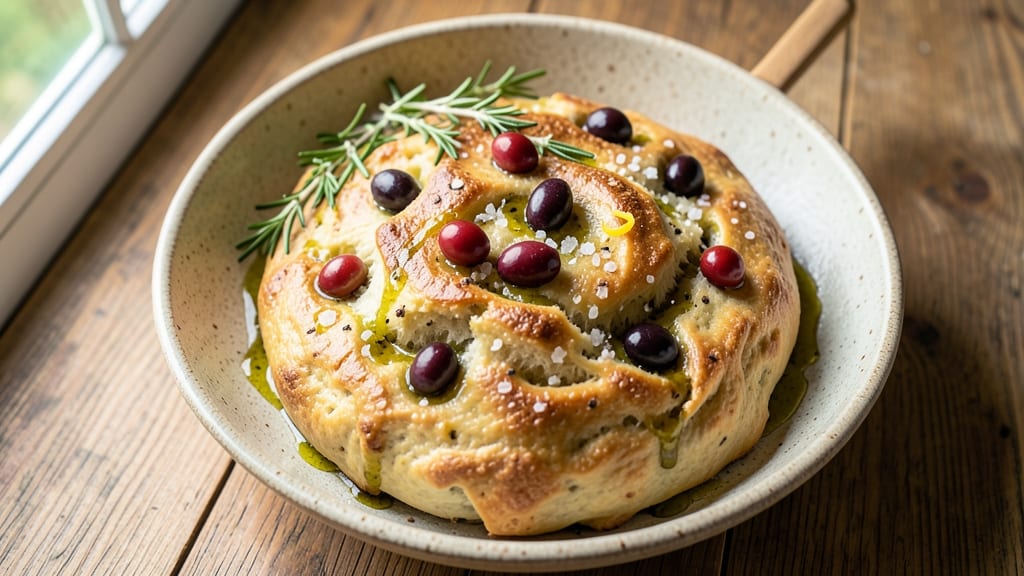
This Acme olive bread recipe transforms humble ingredients into a briny, herb-infused loaf with a crusty exterior and tender crumb—perfect for pairing with charcuterie or dipping in olive oil. The olives lend a salty depth that elevates every bite, while fresh rosemary and garlic create an aromatic harmony.
I’ve perfected this recipe over years of baking, ensuring the dough develops just enough elasticity to hold its shape during baking.
The secret lies in the balance of moisture and texture—the olives must stay plump yet contribute to the bread’s structure, while the dough proofing time determines that signature open crumb.
This isn’t your typical olive bread; it’s a restaurant-quality loaf that’s surprisingly simple to make at home, requiring only a handful of ingredients and one hour of active time. The result? A loaf with a crisp, golden crust and a tender interior studded with briny olive bursts.
What makes this recipe stand out is its versatility—serve it warm with butter, pair it alongside cured meats, or slice it for crostini. The olives don’t overpower; instead, they enhance the bread’s natural flavor, making each slice a little taste of the Mediterranean.
Whether you’re hosting a dinner party or simply craving something hearty, this bread delivers bold flavor without the fuss.
For best results, use a mix of green and black olives for texture contrast, and don’t skip the proofing step—it’s the difference between a dense loaf and one with that coveted airy crumb. Let’s get baking!
Ingredients for acme olive bread
Humble ingredients meet Mediterranean magic in this briny olive bread recipe.
| Ingredient | Amount | Notes |
|---|---|---|
| All-Purpose Flour 🌾 | 5 cups | Spooned and leveled for accuracy |
| Active Dry Yeast 🍞 | 2 ¼ tsp | One packet, not instant |
| Granulated Sugar 🍚 | 1 tbsp | For yeast activation |
| Large Eggs 🥚 | 2 whole | Room temperature preferred |
| Extra-Virgin Olive Oil 🫒 | ½ cup | High quality, fruity |
| Warm Water 💧 | 1 ¼ cups | 110°F for yeast activation |
| Green Olives 🫒 | 1 cup | Pitted, roughly chopped |
| Black Olives 🫒 | ½ cup | Pitted, roughly chopped |
| Fresh Rosemary 🌿 | ¼ cup | Finely chopped, stems removed |
| Garlic Cloves 🧄 | 3 cloves | Minced for aromatic depth |
| Diamond Crystal Kosher Salt 🧂 | 1 ½ tsp | Adjust to taste |
| Coarse Sea Salt 🧂 | 1 tbsp | For sprinkling on top |
| Cornmeal 🌾 | ¼ cup | For dusting baking sheet |
The olives are the soul of this bread. Green and black olives create that perfect briny contrast—Manzanilla olives from Trader Joe's or Kalamata olives from the Mediterranean aisle work best. Pitting them yourself ensures they stay plump in the dough. Fresh rosemary is non-negotiable here; the dried stuff just won't cut it. I always grab a bunch from Whole Foods—the stems are perfect for garnishing the loaf later. For garlic, three cloves gives just the right aromatic punch without overpowering. The flour matters too—King Arthur or Gold Medal brands develop that signature open crumb.
No green olives? Black olives doubled work in a pinch, though texture will differ. Dried rosemary? Double the amount and crush it between your fingers to release the oils. Short on time? Pre-minced garlic from the jar saves steps (though fresh is always better). The yeast is the heart of this recipe—one packet of active dry yeast is crucial; instant yeast won't activate properly in this dough. For the olive oil, any extra-virgin will do, but avoid the cheap stuff—you'll taste the difference in every bite. And if you're worried about the dough being too wet, add 1 tbsp more flour gradually until it pulls away from the bowl.
This dough needs time to develop its magic. Let it proof in a warm, draft-free spot for at least 1 hour, or until doubled in size. The olives will keep in the fridge for up to 2 weeks if you're prepping ahead, but the dough is best used fresh. For storage, wrap the baked loaf in parchment paper and keep at room temperature for 3 days or freeze for up to 3 months. The crust stays crisp for days, but the interior is best enjoyed fresh. Slice it thick for hearty toast or thin for crostini—either way, you'll want to make a double batch.
Why You'll Love This Recipe
- No-Knead Nightmare Over: Mixing the dough takes all of five minutes—just flour, yeast, and a splash of olive oil. Honestly, I used to dread bread nights, but this? It’s basically setting it and forgetting it until the timer goes off.
- Olive Oil Magic: That rich, fruity olive oil doesn’t just flavor the crust—it makes every bite taste like a Mediterranean vacation. The eggs add a tender crumb, so you get crispy and soft in one loaf. (Yes, even on a Tuesday night.)
- Leftovers That Last: This bread stays fresh for days, so I bake one batch and use it for toast, sandwiches, or dipping in soup. Between us, I’ve had it for breakfast, lunch, and dinner without a single complaint from my family.
- Budget-Friendly Staple: Flour, yeast, and eggs? Pantry basics that won’t break the bank. I’ve made this for under $3 a loaf, and it’s way better than store-bought. (My wallet and taste buds agree.)
Step-by-step instructions for Acme olive bread
Follow this proven method for a rustic loaf with briny olives, fragrant herbs, and an irresistible crust.
Activate the Yeast and Mix the Dough
In a large bowl, combine the 1.25 cups warm water (about 110°F) with the 1 tbsp granulated sugar and 2.25 tsp active dry yeast. Let it sit for 5-10 minutes until foamy—this confirms the yeast is active. If it doesn't foam, your yeast may be dead, and you'll need to start over.
In a separate bowl, whisk together the 5 cups all-purpose flour, 1.5 tsp Diamond Crystal kosher salt, the 0.25 cup finely chopped fresh rosemary, and the 3 minced garlic cloves. Pour the yeast mixture into the dry ingredients and stir until combined. Then add the 2 whole large eggs and 0.5 cup extra-virgin olive oil, mixing until a shaggy dough forms.
Knead the Dough Until Smooth
Turn the dough onto a lightly floured surface and knead for 8-10 minutes by hand, or use a stand mixer with a dough hook for 5-6 minutes on medium speed. The dough should become smooth and elastic, pulling away from the sides of the bowl when tested. If it's sticky, add 1 tablespoon flour at a time until it reaches the right consistency.
Here's the thing—don't rush this step. Proper kneading develops gluten, which gives your bread its structure. You'll know it's ready when the dough springs back slowly when poked with a finger. Once kneaded, place it in a lightly oiled bowl, cover with a damp towel, and let it rise in a warm place for 1-2 hours or until doubled in size.
Incorporate Olives and Shape the Loaf
After the first rise, punch down the dough to release air. In the same bowl, fold in the 1 cup roughly chopped green olives and 0.5 cup roughly chopped black olives, distributing them evenly throughout the dough. This ensures every bite has that signature briny flavor.
Shape the dough into a 12-inch-long oval loaf, tapering slightly at the ends. Place it seam-side down on a baking sheet dusted with 0.25 cup cornmeal. Cover again and let it rise for another 30-45 minutes until puffy. The dough should feel springy when pressed gently—this is your cue that it's ready for the oven.
Score and Bake for Maximum Crust
Preheat your oven to 375°F. Just before baking, use a sharp knife or razor to score the loaf in a decorative pattern—this prevents over-expansion and adds visual appeal. Sprinkle the top generously with 1 tbsp coarse sea salt for that classic breadhouse flavor.
Bake for 30-35 minutes until the crust is deep golden brown and the internal temperature reaches 190-200°F. Tap the bottom—the sound should be hollow, not dull. If the top browns too quickly, tent loosely with foil to prevent burning while the interior finishes baking.
Cool and Serve for Optimal Texture
Remove the bread from the oven and transfer it to a wire rack to cool completely. This 30-45 minute wait is crucial—it allows the steam inside to escape, preventing a gummy texture. The crust will firm up as it cools, becoming crisp and shatterable.
Slice while still warm for the best experience—each piece should reveal a tender crumb studded with olives and rosemary, crowned by a crackly crust. Store leftovers wrapped in a clean kitchen towel to maintain freshness for up to 3 days. For extra flavor, brush warm slices with melted olive oil before serving.
Pro Tips For Making Acme Olive Bread
- Bloom the Yeast First: Skip mixing yeast directly into flour—it’s a surefire way to kill it. Instead, whisk the yeast with warm water (110°F) and a pinch of sugar first, then wait 5-10 minutes until it froths like a tiny beer before adding anything else. I learned this the hard way after baking a dense, flavorless loaf because the yeast was still asleep when I folded it in.
- Don’t Rush the Kneading: This dough needs muscle—literally. Knead for at least 8-10 minutes by hand (or 5-6 on a stand mixer with a dough hook) until it’s smooth and springs back when poked. I used to cut corners here, and the bread turned out gummy. The gluten development is what makes it chewy, not the olive oil.
- Use Cold Eggs: Pull the eggs straight from the fridge for this dough—they’ll slow the yeast’s rise and keep the bread from overproofing. Warm eggs make the dough too active, and you’ll end up with a loaf that collapses in the oven. Trust me, your future self will notice the difference in texture.
- Brush with Olive Oil Twice: After baking, let the bread cool for 10 minutes, then brush the top with extra-virgin olive oil—once right after baking for shine, and again after it’s fully cooled for extra richness. I was skeptical until I tried it; the second coat makes the crust taste like it was baked in olive oil, not just brushed with it.
Creative variations of this acme olive bread
Mediterranean Olive Twist
Swap the classic olives for sun-dried tomatoes and feta cheese crumbles—about ½ cup each—for a Greek-inspired variation. The tomatoes add sweetness that balances the saltiness, while feta melts slightly during baking, creating pockets of creamy goodness.
I like using Trader Joe's sun-dried tomatoes in olive oil for extra flavor. 🌿
Herb-Infused Variations
Boost the herb profile with fresh thyme or oregano—add 1 tbsp chopped thyme or 2 tbsp oregano leaves directly to the dough. For a smoky touch, mix ½ tsp smoked paprika into the flour before kneading. These herbs deepen the bread’s aromatic complexity without overpowering the olives.
Cheesy Olive Bread
For a richer loaf, fold in ½ cup shredded pecorino Romano or Parmigiano-Reggiano along with the olives. The cheese melts slightly during baking, creating a savory contrast to the briny olives.
Sprinkle an extra ¼ cup cheese on top before baking for a golden, cheesy crust. Use Whole Foods 365 shredded cheese for convenience or freshly grated for better flavor.
Spicy Kick Option
Add ½ tsp red pepper flakes or 1 tbsp chopped fresh chili to the dough for a subtle heat. The olives’ saltiness and the herbs’ earthiness balance the spice beautifully.
For a smoky-spicy twist, mix ½ tsp chipotle powder into the flour. This works especially well if you love bold flavors in your bread.
Sweet & Savory Fusion
Transform this bread into a dessert-loaf hybrid by adding ¼ cup dried cranberries or chopped dried apricots along with the olives. The sweetness pairs unexpectedly well with the briny olives, creating a unique flavor profile.
Sprinkle the top with 1 tsp cinnamon before baking for an extra layer of warmth. This version is perfect for breakfast or as a sweet treat with coffee.
Nutrition facts
Frequently asked questions
Can I substitute jarred olives for fresh?
Use ½ cup jarred green olives and ¼ cup jarred black olives instead, drained well and roughly chopped. Rinse them first to remove excess brine, which can make the dough too wet. For best texture, opt for olives packed in olive oil rather than brine—they'll stay plump and flavorful in the dough.
Why did my bread turn out dense instead of crusty?
Dense bread usually means one of two things: underproofed dough or over-kneading. Let the dough rise until it's doubled in size (about 1-2 hours in a warm spot), and avoid kneading longer than 10 minutes by hand. Also, check your yeast—if it didn't foam after 5-10 minutes in warm water, it may be dead.
How do I store leftovers to keep them fresh?
Wrap the cooled loaf in a clean kitchen towel or parchment paper to maintain moisture. Store at room temperature for 3 days, or freeze for up to 3 months. For extra crunch, reheat slices in a 350°F oven for 5 minutes before serving.
Can I make this bread without a stand mixer?
Yes! Knead by hand on a lightly floured surface for 8-10 minutes until the dough is smooth and elastic. Work in a well-floured bowl to prevent sticking, and use your knuckles to press and fold the dough. The effort is worth it—the gluten development gives your bread that perfect texture.
What’s the best way to reheat slices?
For crispy crust and warm interior, wrap slices in foil and heat in a 350°F oven for 8-10 minutes. Or, for a quick fix, toast in a toaster oven at 375°F for 3-4 minutes. Avoid microwaving—it turns the crust soggy and dulls the olive flavor.