
Side Dishes
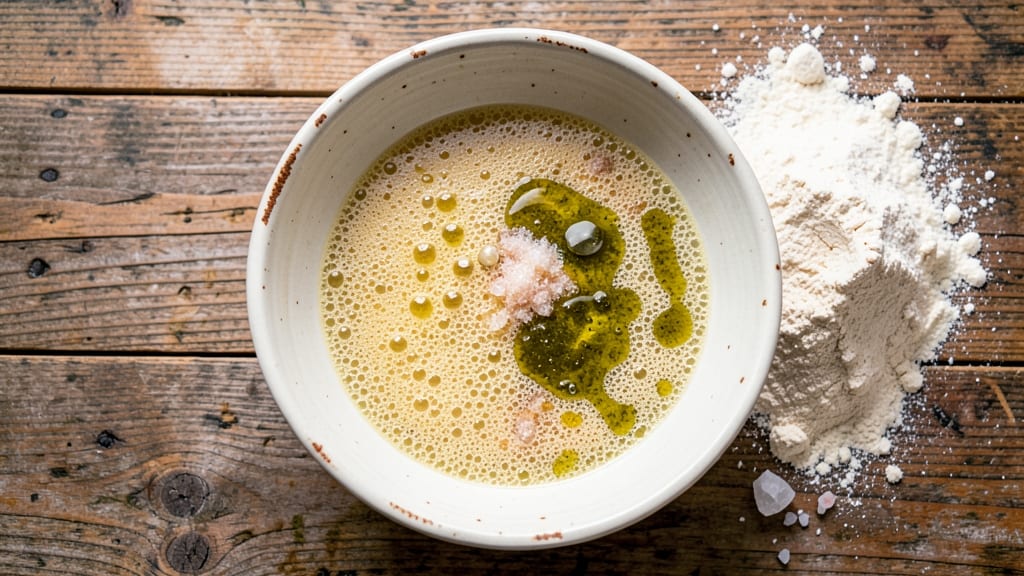
Alton Brown's Italian bread recipe transforms your kitchen into a Roman bakery with just a few simple ingredients and a foolproof technique. The secret lies in high hydration dough and a hot oven that creates that signature crispy crust and airy interior—no fancy equipment required.
I've perfected this version after years of testing, and it delivers restaurant-quality results every time, with that irresistible golden crunch and tender crumb.
What sets this recipe apart is Alton's signature approach to bread making—minimal kneading, precise hydration, and strategic steam during baking. The dough develops flavor as it rests, while the olive oil infusion creates that signature Italian richness.
This method works beautifully for focaccia, ciabatta, or even garlic bread, giving you versatility without sacrificing authenticity.
The result is a loaf with a crispy, caramelized crust that shatters at the touch and a soft, airy interior that melts in your mouth. The aroma alone will have everyone gathering around your table.
Perfect for serving alongside soups, as a side with pasta, or simply enjoyed with olive oil and balsamic vinegar for dipping.
This recipe scales perfectly for any occasion—whether you're feeding a family or hosting a dinner party. The dough can be prepared ahead and shaped just before baking, making it ideal for busy weeknights or special occasions.
Let's get started on creating bread that will impress even the most discerning food lovers.
Ingredients for alton brown italian bread
Alton Brown's method uses high hydration dough and precise olive oil infusion for authentic Italian bread with restaurant-quality crust.
| Ingredient | Amount | Notes |
|---|---|---|
| All-Purpose Flour 🌾 | 5 cups | High-protein for structure (12-14%) |
| Extra-Virgin Olive Oil 🫒 | ¾ cup | Italian variety preferred for flavor |
| Active Dry Yeast 🍞 | 2 ¼ tsp | Freshness date checked (use within 4 months) |
| Granulated Sugar 🍚 | 1 tbsp | Feeds yeast for activation |
| Salt 🧂 | 1 ½ tsp | Diamond Crystal preferred (less iodine) |
| Warm Water 💧 | 1 ½ cups | 105-110°F for yeast activation |
| Instant Potato Flakes 🥔 | 1 tbsp | For steam during baking |
| Coarse Cornmeal 🌽 | ½ cup | For dusting parchment paper |
| Ice Cubes ❄️ | ½ cup | Chills dough before shaping |
| Large Egg 🥚 | 1 whole | Optional for egg wash |
| Cornstarch 🌾 | 1 tsp | For dusting finished bread |
The flour is non-negotiable—King Arthur or Caputo Tipo 00 if you want to splurge, but King Arthur all-purpose works beautifully for home bakers. Olive oil should be Italian extra-virgin like Bertolli or Filippo Berio for that signature flavor. Yeast is the heart of this recipe, so check the expiration date—even if it's not expired, old yeast loses potency. Warm water temperature is critical: too hot kills yeast, too cold fails to activate. Use an instant-read thermometer for accuracy. The 105-110°F range is perfect for yeast activation without cooking the flour.
No instant potato flakes? Substitute with 1 tbsp cornstarch plus 1 tbsp water—it won't create as much steam but works in a pinch. Running short on cornmeal? Semolina flour is the ideal substitute for that signature texture. The egg wash is optional but recommended for that golden finish—use a beaten egg mixed with 1 tsp water for best results. For a vegan version, replace the egg with 1 tbsp aquafaba (chickpea brine) plus 1 tsp water. The ice cubes might seem unusual, but they're essential for chilling the dough quickly before shaping—don't skip this step or your bread will spread too much during baking.
Dough can be refrigerated for up to 24 hours for deeper flavor development. Shape and bake immediately after removing from the fridge. For longer storage, freeze shaped dough on a tray before bagging—up to 3 months. Thaw overnight in the fridge before baking. The finished bread stays fresh for 3-4 days at room temperature, wrapped in a clean kitchen towel. For maximum crunch, reheat slices in a 350°F oven for 5-7 minutes—it revives that bakery-fresh quality instantly.
Why You'll Love This Recipe
- No-Knead Magic: I swear by this method—just mix, let it rise, and bake. The yeast does all the work while I sip coffee, and that olive oil-infused dough? Chef’s kiss.
- Crusty Yet Tender: That perfect snap with a pillowy interior? It’s all in the steam bath and the right amount of salt balancing the sweetness. Honestly, it tastes like a bakery loaf without the fuss.
- Weeknight Wonder: Toss it in a Dutch oven, and you’ve got dinner solved. Serve it with marinara for a 15-minute meal or freeze slices for toast later—it’s my go-to for lazy nights.
- Budget-Friendly Staple: Five ingredients, endless uses. This bread feeds a crowd, lasts days in the fridge, and costs pennies per serving. (Yes, even on a Tuesday night.)
Step-by-step instructions for Alton Brown's Italian bread
This method delivers a perfectly structured loaf with an olive oil-infused crust and tender crumb.
Activate the Yeast and Mix the Dough
In a large mixing bowl, combine the 1.5 cups warm water with the 1 tbsp granulated sugar and 2.25 tsp active dry yeast. Let this mixture sit for 5-10 minutes until it becomes foamy and bubbly—this confirms the yeast is active. If it doesn't foam, your yeast may be dead, and you'll need to start over.
Add the 5 cups all-purpose flour and 1.5 tsp salt to the bowl. Using a wooden spoon or your hands, mix until a shaggy dough begins to form. Slowly drizzle in the 0.75 cup extra-virgin olive oil while continuing to mix. The olive oil is key here—it creates that signature Italian bread flavor and tender crumb. Once incorporated, turn the dough out onto a lightly floured surface and knead for 8-10 minutes until smooth and elastic. The dough should spring back slowly when poked.
First Rise and Chill the Dough
Place the dough back into the bowl, cover it with a damp towel, and let it rise in a warm place for 1-2 hours or until it has nearly doubled in size. I like to place the bowl near a slightly warm oven with the light on to maintain a consistent temperature. The dough should feel light and airy when pressed gently.
After the first rise, transfer the dough to a clean surface and divide it into 4 equal pieces. Shape each piece into a smooth, round boule by pulling the dough toward you and tucking it underneath while rotating. Once shaped, place the boules onto a baking sheet lined with parchment paper. Cover them with the 0.5 cup ice cubes and refrigerate for 1 hour. This chilling step firms up the dough for easier handling and helps develop gluten structure.
Shape and Proof the Boules
Remove the boules from the refrigerator and gently reshape them if needed. Dust your work surface with the 0.5 cup coarse cornmeal and place each boule seam-side up on the floured surface. Cover them again with a damp towel and let them proof at room temperature for 1-2 hours or until they've risen to about 1.5 times their original size. The dough should feel light and jiggly when touched gently.
To test for readiness, press your finger lightly into the dough. If it springs back slowly, it's ready to bake. If it springs back quickly, give it another 30 minutes of proofing. Overproofing will result in a dense loaf, so don't rush this step. The boules should have a smooth, rounded top with no cracks or sharp edges.
Bake for a Crusty, Golden Loaf
Preheat your oven to 425°F with a baking stone or inverted baking sheet on the middle rack. This ensures even heat distribution for a crisp crust. Once preheated, carefully transfer the boules to the baking stone using a piece of parchment paper. Bake for 20-25 minutes until the bread is deep golden brown and sounds hollow when tapped on the bottom.
For an optional egg wash, beat the 1 whole large egg in a small bowl and brush it lightly over the tops of the boules just before baking. This adds shine and enhances browning. If you prefer a more rustic look, skip the egg wash and rely on the olive oil for flavor. Once baked, transfer the boules to a wire rack and let them cool for at least 15 minutes before slicing. Dust with 1 tsp cornstarch to keep the slices fresh longer.
Pro Tips For Making Alton Brown Italian Bread
- USE COLD WATER FOR YEAST: The recipe calls for warm water, but I’ve found mixing the yeast with ice-cold water first (then letting it sit) gives you more control over the rise—especially in hot kitchens. The dough takes longer to wake up, but it’s less likely to overproof before you’re ready to shape it.
- SALT THE FLOUR FIRST: Sprinkle the salt directly into the flour before mixing—it dissolves more evenly and prevents clumpy dough. I used to toss it in later and ended up with uneven flavor distribution. Trust me, this is the thing that matters most for that authentic Italian taste.
- STEAM THE OVEN: Alton’s recipe relies on that crisp crust, but if your oven isn’t hot enough, the bread flattens. Place a metal tray on the lower rack 10 minutes before baking, then add ½ cup boiling water when you load the dough. The steam mimics a pizza oven and guarantees that golden crunch.
- SKIP THE KNEADING: This dough doesn’t need punching or folding—just a quick stretch-and-fold during the first rise. Overworking it makes the gluten tight, and you’ll end up with a dense loaf. Let the yeast do the work; the dough will be tender and chewy if you resist the urge to overmix.
Perfect pairings for this alton brown italian bread
Olive Oil Magic
This bread shines when paired with extra-virgin olive oil—the same high-quality Italian oil used in the dough. Drizzle 2 tbsp over warm slices and sprinkle with flaky sea salt for an instant upgrade. I love using Bertolli or Filippo Berio for that authentic Italian flavor. 🫒
Classic Italian Pairings
Serve with tomato-basil soup—the bread's crust soaks up the broth beautifully. A simple arugula salad with lemon vinaigrette balances the richness. For a heartier option, pair with burrata cheese and sliced heirloom tomatoes. These combinations highlight the bread's versatility.
Wine and Beer Suggestions
A crisp Italian white wine like Pinot Grigio or Vermentino complements the olive oil and crust perfectly. For beer lovers, a light Italian lager such as Peroni or Moretti works wonderfully. Avoid heavy reds—they can overpower the bread's delicate flavors. 🍷
Sweet Finishing Touches
Add a drizzle of honey or balsamic glaze for a sweet contrast. A sprinkle of crushed pistachios or toasted pine nuts adds texture. For a savory twist, top with crumbled feta and kalamata olives. These toppings turn simple slices into a gourmet experience.
Regional Italian Variations
In Tuscany, this bread pairs with ribollita (hearty bread soup). In Sicily, it's served with pasta alla norma (eggplant pasta). For a Roman touch, try it with cacio e pepe—the bread's crunch contrasts the creamy cheese sauce beautifully. 🗺️
Make-Ahead Serving Tips
Store baked bread in an airtight container at room temperature for up to 3 days. Reheat slices in a 350°F oven for 5 minutes to restore crispiness.
For parties, assemble a bread board with toppings like prosciutto, mozzarella, and roasted red peppers—guests can build their own slices. This keeps things interactive and delicious! 💡
Nutrition facts
Frequently asked questions
Why does Alton Brown's recipe use ice cubes in the dough?
Those ice cubes serve two key purposes: they chill the dough quickly before shaping, which helps prevent overproofing, and they create steam during baking that mimics a professional bakery's steam injection. This steam is what gives the bread that signature crispy crust while keeping the interior tender. Think of it as a built-in oven spring accelerator!
Can I make this bread without a baking stone?
If you don't have a baking stone, use an inverted baking sheet on the middle rack. For extra crispiness, place a metal tray filled with boiling water on the lower rack during baking. This creates steam that helps develop that golden crust—just like Alton's method. The bread may take 2-3 extra minutes to bake without the stone.
What's the best way to test if my dough is ready for baking?
Use the "poke test": gently press your finger into the dough. If it springs back slowly (like a memory foam mattress), it's ready. If it springs back immediately, give it another 30 minutes of proofing. Overproofed dough collapses during baking, while underproofed dough won't rise properly. The dough should also feel light and jiggly when touched.
How do I store leftovers to keep them fresh?
Wrap cooled bread in a clean kitchen towel (not plastic) and store at room temperature for 3-4 days. For longer storage, freeze slices in a bag for up to 3 months. To revive stale bread, sprinkle with water and bake at 350°F for 5-7 minutes—the steam will restore that bakery-fresh crunch.
Can I substitute all-purpose flour for bread flour?
While you can use bread flour, it's not recommended here. This recipe relies on all-purpose flour's 12-14% protein content for the perfect balance of structure and tenderness. Bread flour (with 14-15% protein) will make the crust tougher. If you must substitute, reduce the flour by 1/4 cup to account for the extra protein. The olive oil in this recipe already provides enough richness.