
Desserts
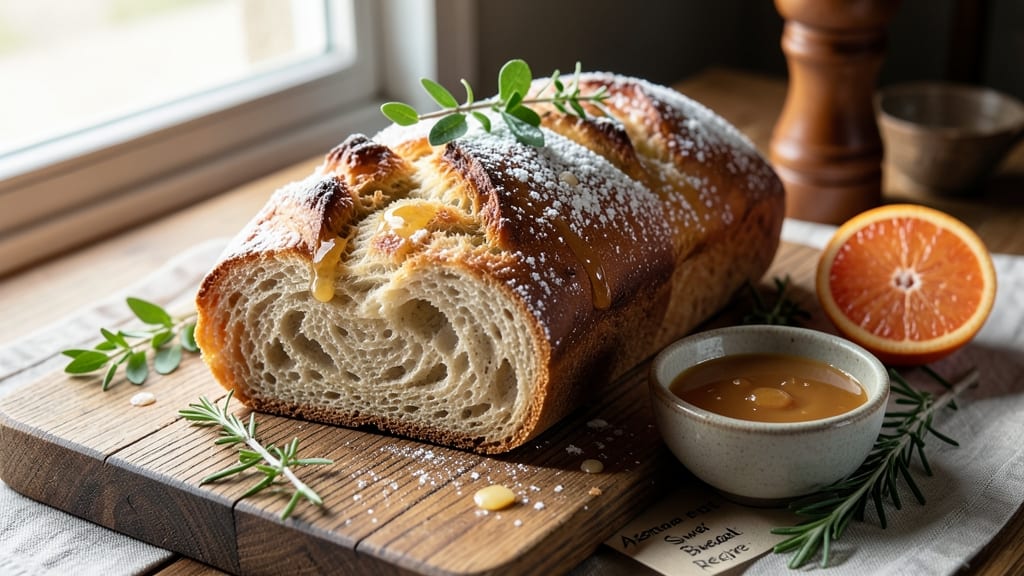
This Azorean sweet bread recipe transports you to the sun-drenched islands of the Azores with its golden, buttery swirls and delicate cinnamon-kissed crust. 🌟 A beloved Portuguese pastry, it’s traditionally served during holidays and celebrations, bringing warmth and tradition to every bite.
The dough, rich with butter and sugar, unfurls into tender layers that melt in your mouth, while the cinnamon filling adds a fragrant, sweet contrast that’s simply irresistible.
The magic lies in the dough’s light, airy texture—achieved through careful proofing and baking techniques that create those signature flaky, golden layers. Unlike many sweet breads, this recipe balances richness with a subtle sweetness, making it perfect for pairing with coffee or enjoying as a standalone dessert.
The process might seem intricate, but breaking it into manageable steps ensures even home bakers can achieve professional results.
Once baked, the bread emerges from the oven with a perfectly crisp crust and a soft, pillowy interior, infused with the comforting aroma of cinnamon. It’s the kind of treat that feels like a hug—ideal for family gatherings, festive occasions, or simply indulging in a moment of comfort.
The recipe also allows for creative variations, like adding citrus zest or a hint of vanilla, to tailor it to your taste.
Whether you’re celebrating a special day or just craving a taste of the Azores, this sweet bread delivers restaurant-quality flavor with a homemade touch. Let’s bring a little Portuguese magic to your kitchen—one buttery, cinnamon-kissed swirl at a time.
Ingredients for azorean sweet bread
Golden layers, cinnamon whispers, and buttery magic—just 14 ingredients transform your kitchen into Azores heaven.
| Ingredient | Amount | Notes |
|---|---|---|
| All-Purpose Flour 🌾 | 4 cups | High-protein for elasticity (12-14%) |
| Unsalted Butter 🧈 | 1 cup | Cold, cubed for dough layers |
| Granulated Sugar 🍚 | ½ cup | Superfine for smoother texture |
| Instant Yeast 🍞 | 2 ¼ tsp | Or active dry (use 1.75 tsp) |
| Warm Milk 🥛 | ¾ cup | Whole milk, 105°F (40°C) |
| Large Eggs 🥚 | 1 whole | Room temperature for blending |
| Salt 🧂 | ½ tsp | Diamond Crystal preferred |
| Vanilla Extract 🌸 | 1 tsp | Pure, high-quality extract |
| Ground Cinnamon 🌿 | 2 tbsp | Freshly ground for aroma |
| Light Brown Sugar 🍚 | ½ cup | Packed, for filling |
| Powdered Sugar 🍚 | ¼ cup | For final dusting |
| Lemon Zest 🍋 | 1 tbsp | Optional, for brightness |
| Granulated Sugar 🍚 | ¼ cup | For sprinkling on top |
| Turbinado Sugar 🍚 | ¼ cup | For decorative crust |
The butter and flour are your golden ticket here. European-style butter (like Plugrá or President) has higher fat content, which gives those signature flaky layers—don't skimp on the quality. For flour, King Arthur or Gold Medal are my go-tos; they're high-protein enough to handle the butter without turning gummy. If you're using active dry yeast instead of instant, make sure it's fresh (test it in warm water—it should foam in 5-10 minutes). The milk needs to be warm but not hot—105°F is perfect—or you'll kill the yeast. Pro tip: Use a thermometer or test with your elbow (should feel warm like bathwater).
No vanilla extract? Vanilla bean paste or even a scraped vanilla bean works in a pinch, though the flavor won't be as concentrated. Short on brown sugar? Substitute white sugar plus 1 tsp molasses for that caramel depth. The cinnamon should be freshly ground—pre-ground loses its aroma fast. If you're feeling fancy, add a pinch of cardamom or nutmeg to the filling for an Azorean twist. For the sugar toppings, turbinado gives that beautiful crunch, but plain white sugar works too if that's what you've got. And if you're making this ahead, freeze the shaped dough for up to 2 weeks—just thaw overnight before baking.
This bread is best served warm, straight from the oven, but it reheats beautifully. Wrap cooled loaves in plastic and store at room temperature for 2 days—they'll keep their softness better than in the fridge. For longer storage, freeze the fully baked bread (wrapped tightly) for up to 3 months. To reheat, wrap in a damp towel and warm in a 300°F oven for 10 minutes. The cinnamon filling stays fragrant for days, so it's perfect for making a batch ahead of holidays. And if you're feeling ambitious, drizzle with warmed orange blossom water for an authentic Azorean touch—trust me, it's worth the extra minute.
Why You'll Love This Recipe
- No-Knead Magic: The dough comes together in a bowl—no stand mixer, no fuss. Just mix, let it rise while you sip coffee, and watch that buttery, golden crust form without a single punch-down.
- Buttery-Sweet Bliss: That warm milk and butter combo? It’s like a hug in bread form. The sugar caramelizes just enough to give every bite a subtle, addictive sweetness that pairs perfectly with coffee or jam.
- Breakfast or Snack Hero: Slice it fresh for toast, pack it for lunch, or serve it warm with butter at brunch. It’s my go-to for lazy mornings, school lunches, or when I need something quick to share with guests.
- Budget-Friendly Staple: Uses pantry basics—flour, sugar, butter—and stretches to feed the whole family. Leftovers? Toast them the next day or freeze slices for instant toast—no waste, all satisfaction.
Step-by-step instructions for Azorean sweet bread
Here's how to craft golden layers and spiced swirls with buttery perfection.
👨🍳 Step 1: Mix the Dough Base
In a large mixing bowl, whisk together the 4 cups all-purpose flour, 0.5 cup granulated sugar, 2.25 tsp instant yeast, and 0.5 tsp salt. Create a well in the center and pour in the 0.75 cup warm milk (about 105°F) and 1 whole egg. Mix until just combined—you'll see dry bits remain.
Here's the thing—don't overmix. You want a shaggy dough with visible flour streaks. Add the 1 tsp vanilla extract and 1 tbsp lemon zest (if using) and mix again. Cover the bowl with a damp towel and let it rest for 10 minutes. This initial rest helps the gluten relax and makes the next steps easier.
🍳 Step 2: Incorporate Butter and Knead
Cut the 1 cup cold unsalted butter into small cubes and add them to the dough. Using a dough hook attachment on your stand mixer, knead on low speed for 3-4 minutes until the butter is fully incorporated and the dough becomes smooth and elastic. If the dough feels too sticky, add 1 tablespoon flour at a time until it comes together.
Here's what to watch for: the dough should be soft but not sticky, and it should pull away cleanly from the sides of the bowl. If it's too tough, you've overworked it. Once it reaches the right consistency, shape it into a rectangle about 8x12 inches on a lightly floured surface.
🥘 Step 3: Create the Cinnamon Filling
In a small bowl, combine 0.5 cup light brown sugar and 2 tbsp ground cinnamon to make the filling. Spread this mixture evenly over the dough rectangle, leaving a ½-inch border around the edges. Starting from the long side, roll the dough tightly into a log, sealing the edges as you go.
This is the moment that matters: the filling should be evenly distributed but not squeezed out. If it looks like too much, trust me—it'll distribute perfectly during baking. Once rolled, pinch the seam to seal completely. Chill the dough log for 30 minutes to firm up before shaping.
🔥 Step 4: Shape and Proof the Loaf
Preheat your oven to 350°F. On a lightly floured surface, gently shape the chilled dough log into an oval loaf about 12x6 inches. Place it seam-side down on a parchment-lined baking sheet. Cover loosely with a clean kitchen towel and let it proof for 1-1.5 hours until nearly doubled in size.
You'll know it's ready when the dough springs back slowly when gently pressed. Don't skip this proofing time—it's what gives your bread that light, airy texture. While it proofs, prepare the egg wash by whisking 1 egg with 1 tablespoon milk.
⏰ Step 5: Bake to Golden Perfection
Brush the proofed loaf with the egg wash, then sprinkle evenly with 0.25 cup granulated sugar and 0.25 cup turbinado sugar for that signature crunchy crust. Bake for 35-40 minutes until the top is deep golden brown and the internal temperature reaches 190°F.
Here's the final touch: as soon as it comes out of the oven, dust the top with 0.25 cup powdered sugar while still warm. Let it cool on a wire rack for 15 minutes before slicing. The sugar will melt slightly into the crust, creating that irresistible sweetness we love in Azorean bread.
Pro Tips For Making Azorean Sweet Bread
- Cut Butter in Cold: Take your unsalted butter straight from the fridge and cube it into ½-inch pieces before mixing with flour—this keeps the dough from overworking and ensures tiny pockets of butter melt into flaky layers during baking. I used to soften it first, and the bread turned out dense instead of tender.
- Proof Yeast in Milk: Mix the instant yeast with warm milk (110°F) and a pinch of sugar first—let it foam for 5 minutes before adding to the flour. This guarantees your yeast is active and cuts down on dough rising time. Skipping this step? Your bread might rise unevenly or collapse.
- Avoid Over-Kneading: Stop mixing the moment the dough pulls away from the bowl and looks shaggy—about 2-3 minutes by hand or 3-4 on low speed. Overworking the gluten makes Azorean sweet bread tough instead of pillowy. I learned this after making a brick instead of a loaf.
- Brush with Milk: After shaping, brush the dough with warm milk before baking—it gives the crust a golden sheen and keeps the crumb moist. I was skeptical until I tried it; the difference in texture is noticeable. (Yes, even if you’re impatient like me.)
Regional styles of this azorean sweet bread
Classic Azorean Style
In the Azores, this sweet bread is traditionally known as Pão de Mel or Bolo de Mel, often made for holidays like Christmas and Easter. The original recipe features a simple cinnamon-sugar filling wrapped in buttery dough, baked until golden and fragrant.
In São Miguel, the largest island, it's common to serve it warm with a cup of bica (Portuguese espresso) or as a dessert after meals. The dough is often enriched with a touch of lemon zest to balance the sweetness—a nod to the islands' citrus groves. 🌟
Faial's Spiced Twist
On the island of Faial, bakers often enhance the filling with a pinch of freshly ground nutmeg or cardamom, giving it a warmer, more complex flavor profile. Locals also sometimes add a layer of goiabada (guava paste) between the dough and cinnamon filling for a tropical twist.
The bread is often shaped into a round loaf rather than an oval, reflecting the island's distinct baking traditions. This version pairs beautifully with bolo de mel (honey cake), another Faial specialty.
Pico's Rustic Version
Pico Island's version is heartier, often made with a slightly higher butter content and a thicker cinnamon layer. The dough is sometimes rolled thinner to create more pronounced swirls, and the crust is generously coated with coarse sugar for extra crunch.
Pico's bakers also frequently add a splash of aguardente (Portuguese brandy) to the dough for depth—about 1 tablespoon—which infuses the bread with a subtle warmth. It's a favorite for family gatherings and often served with leite-creme (Portuguese custard).
Santa Maria's Citrus Infusion
Santa Maria, the southernmost island, incorporates bright citrus into its sweet bread. Beyond the standard lemon zest, bakers here often add 1 tablespoon orange zest or a splash of orange blossom water to the dough.
The filling might also include a pinch of clove for warmth, creating a zesty, aromatic profile that reflects the island's sunny climate. This version is lighter in texture, almost brioche-like, and pairs perfectly with local queijo São Jorge (cheese) as a dessert.
Terceira's Holiday Special
On Terceira, this bread takes center stage during Festas de São João (June festivals). The dough is often enriched with 1 tablespoon honey instead of some of the sugar, giving it a deeper caramelized flavor when baked.
The cinnamon filling is sometimes mixed with a sprinkle of crushed almonds for texture, and the bread is shaped into a decorative braid or wreath. It's traditionally served with bolo de mel and queijadas (custard tarts) as part of the festival's sweet spread. 💫
Modern Fusion Adaptations
Today's Azorean bakers are putting creative spins on this classic. Some replace half the butter with coconut oil for a lighter texture, while others add matcha powder to the dough for a vibrant green tea twist.
A popular variation swaps the cinnamon filling for a mix of chopped dried figs and walnuts**, creating a nutty, chewy contrast. These modern takes keep the traditional shape and baking method but introduce bold, unexpected flavors that appeal to contemporary palates.
Nutrition facts
Frequently asked questions
Can I make this Azorean sweet bread without a stand mixer?
The dough can be mixed and kneaded by hand—just be patient. After combining the dry ingredients and wet ingredients, use a wooden spoon or your hands to incorporate the cold butter cubes. Knead on a lightly floured surface for 8-10 minutes until the dough is smooth and elastic. You'll need strong arms, but the result will be just as delicious.
Why did my bread turn out dense instead of light and fluffy?
Dense bread usually means one of three things: overmixing the dough, skipping proofing time, or using warm butter. First, check your butter—it must stay cold until fully incorporated. Second, ensure you let the dough proof until it nearly doubles in size. Finally, avoid overworking the dough during kneading, especially by hand. If all else fails, try increasing the yeast slightly (by 0.25 tsp) next time.
How can I store Azorean sweet bread to keep it fresh?
For short-term storage, keep it wrapped in plastic at room temperature for 2 days—it stays soft this way. For longer storage, freeze the baked bread (wrapped tightly) for up to 3 months. To reheat, wrap in a damp towel and warm in a 300°F oven for 10 minutes. The cinnamon filling stays fragrant even after freezing, making it perfect for holiday prep.
Can I substitute the cinnamon filling with something else?
Yes! For a tropical twist, try a mix of 2 tbsp chopped dried figs and 1 tbsp chopped walnuts with the brown sugar. Or for a spiced version, add 1 tsp pumpkin pie spice to the cinnamon mixture. The key is keeping the filling moist—avoid overly dry ingredients like shredded coconut unless you add a binder like honey.
What's the best way to serve this bread?
Warm slices pair perfectly with a cup of Portuguese espresso or Azorean tea. For a festive touch, serve with whipped cream or a scoop of vanilla ice cream. The bread also makes a stunning dessert when sliced diagonally and arranged on a platter with fresh berries. In the Azores, it's often enjoyed during holiday gatherings as a sweet conclusion to meals.