
Sauces & Condiments
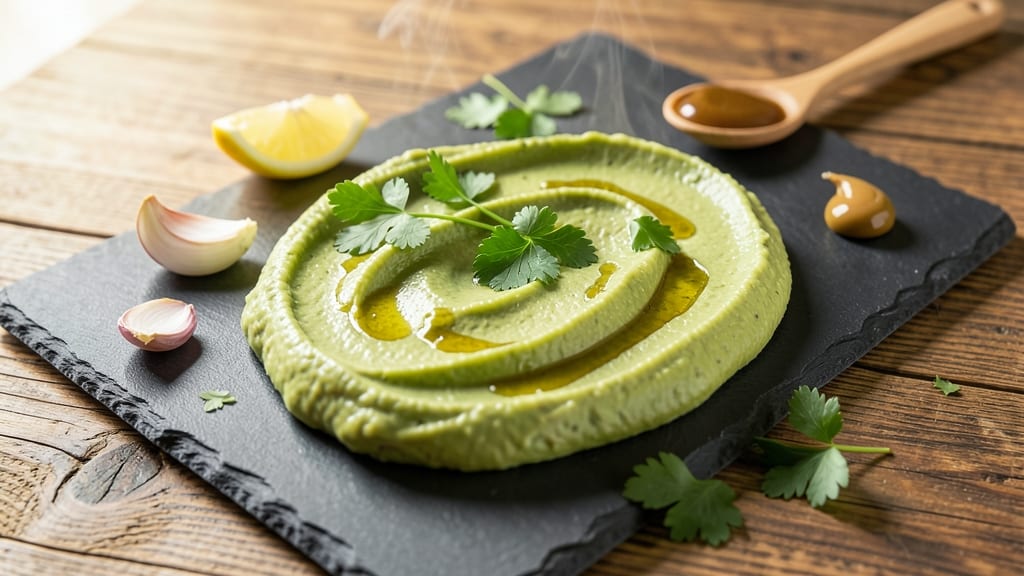
This avocado bread spread recipe delivers ultra-creamy texture with a vibrant green goddess twist that transforms toast into a gourmet experience.
The secret lies in blending ripe avocados with tangy lemon juice and fresh herbs, creating a velvety spread that's rich yet light—perfect for vegan diets or anyone craving fresh, healthy flavors. Unlike store-bought versions, this recipe avoids processed ingredients while delivering restaurant-quality depth.
The magic happens with proper avocado ripeness and blending technique—no lumps, just silky smoothness that clings beautifully to bread. A touch of garlic and Dijon mustard adds complexity, while parsley and basil bring bright herbal notes.
This spread isn't just for toast; it elevates bagels, wraps, or even as a dip for veggies, proving how versatile simple ingredients can be when combined thoughtfully.
What makes this recipe stand out is its foolproof texture that stays creamy for days, not hours. The acid from lemon juice prevents browning while balancing the avocado's richness, and optional additions like nutritional yeast or smoked paprika let you customize the flavor profile.
With just 10 minutes of prep time and no cooking required, you'll have a spread that's as impressive as it is easy to make.
Store it in an airtight container for up to 5 days in the fridge, or freeze for longer shelf life. The flavors actually improve as it sits, developing deeper herbal notes.
Whether you're hosting brunch or need a quick upgrade for morning toast, this avocado spread delivers restaurant-quality results with minimal effort—proof that healthy eating can be both delicious and convenient.
Ingredients for avocado bread spread
Nine fresh ingredients transform into ultra-creamy, restaurant-quality avocado spread.
| Ingredient | Amount | Notes |
|---|---|---|
| Ripe Avocados 🥑 | 2 whole | Firm but yielding when pressed |
| Extra-Virgin Olive Oil 🫒 | ¼ cup | High-quality, fruity variety |
| Fresh Lemon Juice 🍋 | 2 tbsp | Freshly squeezed, strained |
| Fresh Garlic Cloves 🧄 | 2 cloves | Minced for smooth texture |
| Dijon Mustard 🌶️ | 1 tbsp | For depth of flavor |
| Fresh Flat-Leaf Parsley 🌿 | ¼ cup | Stems removed, finely chopped |
| Fresh Basil Leaves 🌿 | ¼ cup | Packed, stems removed |
| Nutritional Yeast 🧀 | 2 tbsp | Optional for cheesy flavor |
| Smoked Paprika 🌶️ | ½ tsp | Optional for smoky depth |
| Sea Salt 🧂 | ½ tsp | Diamond Crystal preferred |
Avocado ripeness is everything—look for firm yet yielding fruit that gives slightly when pressed. Whole Foods or local farmers markets often carry the best quality, but any grocery store avocados work if they're ripe. The extra-virgin olive oil should be fruity and peppery, not mild. California Avocados brand is my go-to for consistent quality, but any high-quality brand will work. Fresh herbs are non-negotiable here; dried won't deliver the same vibrant flavor. If you can't find fresh basil or parsley, substitute with cilantro but reduce to half the amount.
No fresh garlic? Garlic powder at half the amount works in a pinch, though texture will differ. The lemon juice is critical for both acidity and preventing browning—bottled lemon juice lacks freshness. For extra richness, add 1 tbsp of tahini to the blend. The nutritional yeast and smoked paprika are optional but elevate the flavor profile significantly. If you're sensitive to mustard, reduce to 1 tsp or omit entirely. The blend should be silky smooth—pulse avocados first before adding other ingredients to avoid lumps.
This spread keeps beautifully in an airtight container for 5 days in the fridge, with flavors actually deepening over time. To prevent browning, press plastic wrap directly onto the surface before sealing. For longer storage, freeze in 2-tbsp portions—thaw at room temperature for 10 minutes before using. The texture remains creamy even after freezing. If the spread separates slightly after refrigeration, simply re-blend before serving. This recipe makes about 1.5 cups, perfect for brunch or snacking.
Why You'll Love This Recipe
- Five-Ingredient Magic: I swear, this spread comes together with just a fork, a knife, and zero fancy tools. Mash the avocado, mix in the olive oil—that’s it—and suddenly you’ve got something restaurant-worthy without the fuss.
- Garlic-Glazed Luxury: The moment that lemon juice hits the garlic and mustard? Pure flavor payoff. It’s bright, tangy, and just sharp enough to cut through buttery toast—like a fancy bruschetta but with half the effort.
- Breakfast-to-Appetizer Workhorse: Slather it on toast for a lazy morning, dollop it on crackers for guests, or even use it as a dip for veggies when the kids come home hungry. It’s my go-to for when I need one thing to do double duty.
- No-Waste Pantry Hero: Between us, avocado spreads are my secret weapon for using up ripe fruit before it turns to mush. And since it keeps for days in the fridge, I’m always covered—whether I’m prepping for the week or just craving something quick.
Step-by-step instructions for avocado bread spread
Transform simple ingredients into a velvety, herby spread that elevates every slice of bread.
Prepare the Avocado Base
Cut the 2 whole ripe avocados in half, remove the pits, and scoop the flesh into a food processor. I like to use a sharp spoon to avoid wasting any creamy avocado. The texture should be firm but yield slightly when pressed—this ensures a smooth, spreadable consistency without being too soft.
Add the 0.25 cup extra-virgin olive oil and 2 tablespoons fresh lemon juice to the processor. The lemon juice brightens the flavor while preventing oxidation that can turn your spread dull. Pulse the mixture briefly to combine, then scrape down the sides with a spatula to ensure even blending. This step creates the foundational creaminess that makes this spread irresistible.
Blend the Herbs and Aromatics
Add the minced 2 cloves fresh garlic, 1 tablespoon Dijon mustard, and 0.5 teaspoon sea salt to the food processor. The Dijon mustard adds depth and a subtle tang that balances the richness of the avocado. Pulse the mixture again, then add the 0.25 cup fresh flat-leaf parsley and 0.25 cup fresh basil leaves. These herbs contribute a vibrant, fresh flavor that defines this green goddess twist.
Blend until the herbs are finely chopped but not completely pureed—you want visible flecks of green for texture and visual appeal. Stop the processor and taste the mixture. At this stage, it should be creamy but still slightly chunky. If it's too thick, add 1 tablespoon of water and pulse again until smooth. The goal is a spread that's easy to spread but still has body.
Incorporate Flavor Enhancers
Add the 2 tablespoons nutritional yeast and 0.5 teaspoon smoked paprika to the processor. The nutritional yeast lends a cheesy, umami richness that complements the avocado perfectly, while the smoked paprika adds a subtle smokiness that deepens the flavor profile. Pulse the mixture once more to evenly distribute these ingredients.
Taste the spread again and adjust the seasoning if needed. I often find that another pinch of sea salt or a splash of lemon juice enhances the flavor. The spread should be tangy, herby, and slightly nutty with a smooth, velvety texture. If it's too thick, add another tablespoon of water and blend until it reaches a spreadable consistency. The final product should be thick enough to hold its shape on bread but still glide smoothly across the surface.
Serve and Store
Transfer the avocado spread to a serving bowl or airtight container. I like to press plastic wrap directly onto the surface to prevent browning. This spread is best enjoyed fresh, but it will keep in the refrigerator for up to 3 days. When ready to serve, give it a quick stir to redistribute any separated ingredients.
The spread pairs beautifully with crusty sourdough, warm baguettes, or even as a dip for veggie sticks. For an extra touch, sprinkle additional chopped herbs or a pinch of smoked paprika on top before serving. The combination of creamy avocado, bright herbs, and smoky depth makes this spread a standout for any meal.
Pro Tips For Making Avocado Bread Spread
- MASH THE AVOCADOS FIRST: Ditch the food processor—your hands work better here. Cut the avocado in half, remove the pit, and scoop the flesh directly into a bowl. Mash it with a fork until it’s mostly smooth with just a few tiny chunks left. This keeps the texture creamy without turning it into avocado puree, and you’ll feel every bit of flavor.
- USE A GARLIC PRESS—NOT MINCED: Skip the knife and go straight for a garlic press. Fresh, unminced garlic cloves add a punch without the bitterness that comes from overworking them. Press just 1-2 cloves into the mix—any more and you’ll taste it before you want to.
- LEMON JUICE NEEDS TIME: Don’t just splash it in and stir. Let the lemon juice sit for 2-3 minutes after mixing to brighten the flavors. I used to rush this, and the spread always tasted flat until I realized the acid needs a moment to work its magic.
- DIJON MUSTARD IN STAGES: Start with half the mustard called for, taste, then add the rest. Too much upfront makes the spread taste sharp and unbalanced. Stir in the remaining mustard gradually—you’re aiming for tangy depth, not a mustard sandwich.
Common mistakes when making your avocado bread spread
Overblending Avocados
I’ve ruined more spreads than I’d admit by overblending the avocados into a puree. The goal is silky smooth but not soupy—think Greek yogurt consistency, not guacamole. If you blend too long, the spread will separate and lose its structure.
Pulse in short bursts (3-4 seconds on, 5 seconds off) until just combined, then add other ingredients. This keeps the texture perfect for spreading, not dripping. 🥑
Using Unripe Avocados
Unripe avocados are the enemy of creamy spreads—they taste bland and turn mushy when blended. Look for firm but yielding fruit that gives slightly when pressed near the stem. If yours are too hard, let them sit at room temperature for 1-2 hours before using.
Pro tip: Store them in a paper bag with a banana to speed up ripening. Trust me, the texture difference is night and day. 🍌
Skipping the Lemon Juice
This is a classic mistake that makes your spread taste flat and turn brown quickly. The 2 tbsp lemon juice serves two purposes: it brightens flavors and prevents oxidation (the chemical reaction that causes browning).
If you omit it, your spread will lose that vibrant green color and develop a metallic taste within hours. Freshly squeezed is best—bottled juice lacks the same punch. 🍋
Not Adjusting Seasoning
Taste as you go! Many people stop blending after adding all ingredients, only to realize it needs more salt or acid. Keep a small bowl nearby to test spoonfuls. I usually add another pinch of salt or ½ tsp more lemon juice after blending.
The spread should taste tangy, herby, and slightly nutty—not bland. This is where restaurant-quality spreads shine. 🧂
Using Dried Herbs
Fresh herbs are non-negotiable for that vibrant green goddess flavor. Dried herbs lose their potency and won’t give you the same bright, fresh taste.
If you’re in a pinch, substitute with fresh cilantro (use half the amount) or a pinch of dried herbs, but the texture and flavor won’t be the same. Fresh basil and parsley are worth seeking out—they make all the difference. 🌿
Storing Without Protection
Even the best spread will brown if left exposed to air. Press plastic wrap directly onto the surface before sealing the container to create an airtight barrier.
I also like to sprinkle a tiny bit of water on the wrap before pressing it down—this extra step keeps the spread looking fresh for days. Without this, you’ll end up with a sad, oxidized top layer. ❄️
Nutrition facts
Frequently asked questions
Can I make this avocado spread without a food processor?
Use a fork to mash the avocados in a bowl until smooth, then whisk in the olive oil, lemon juice, and other ingredients. For extra creaminess, blend with an immersion blender afterward. The texture will be slightly chunkier but still delicious—just stir well before serving.
How do I prevent my spread from turning brown too quickly?
Press plastic wrap directly onto the surface before sealing the container to block air. Add a tiny splash of water to the wrap before pressing—this creates a moisture barrier that keeps the spread vibrant. Store in the fridge and use within 3 days for best results.
What's the best bread to pair with this spread?
Crusty sourdough or whole grain bread works perfectly, but don't limit yourself! Try it on bagels, English muffins, or even as a dip for cucumber slices. The herby flavor also pairs well with crackers or toasted pita. For extra flair, warm the bread lightly before spreading.
Can I add other ingredients like honey or maple syrup?
This recipe is designed to be vegan, but you can add 1 tsp maple syrup for sweetness if desired. Just reduce the lemon juice slightly to maintain balance. For a savory-sweet version, try adding ½ tsp cinnamon—it pairs surprisingly well with the herby notes. Always taste as you go!
Why does my spread taste bitter after a day?
Bitterness usually means oxidation—either from skipping lemon juice or leaving the spread exposed to air. Always use fresh lemon juice and store properly with plastic wrap pressed on top. For extra protection, add ½ tsp vitamin E oil (food-grade) when blending—it acts as a natural preservative.