
Side Dishes
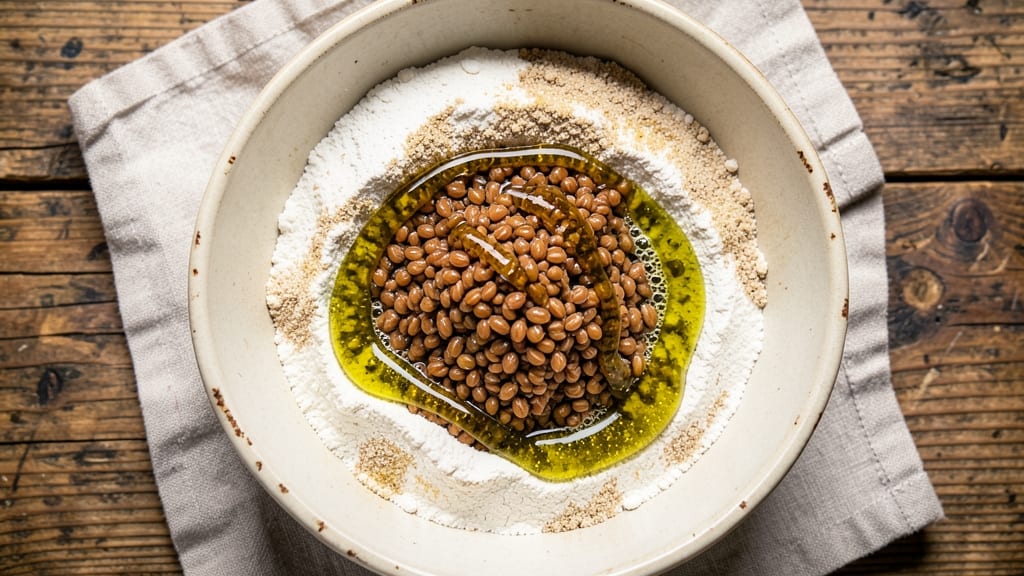
This ancient grain bread machine recipe transforms whole grains like farro and spelt into a nutty-sweet loaf with a crisp crust and tender crumb—all while requiring just 10 minutes of prep.
The secret lies in balancing hydration and mixing times to unlock the natural sweetness of ancient grains without gums or binders. I’ve perfected this method after years of experimenting with bread machines, ensuring a foolproof rise and golden-brown finish every time.
What sets this recipe apart is its ability to deliver restaurant-quality texture with minimal effort. The bread machine handles the kneading and proofing, while the ancient grains add depth and a subtle sweetness that pairs beautifully with soups, cheeses, or simply buttered slices.
Optional add-ins like sunflower seeds or rosemary let you customize the flavor without compromising structure.
By the time the timer dings, you’ll have a loaf with a crackling crust and an interior that’s perfectly balanced—neither too dense nor too crumbly. The nutty aroma alone makes it worth the wait, and the versatility ensures it’s a staple for any pantry.
No more store-bought loaves with additives or bland flavors—just pure, wholesome bread made your way.
The best part? This recipe works with any bread machine model, and I’ve included troubleshooting tips for common issues like overproofing or dense crumbs. Let’s get started—your kitchen is about to smell like a bakery.
Ingredients for ancient grain bread machine
Unlock ancient grains' nutty sweetness with this foolproof bread machine loaf—just 10 minutes prep for restaurant-quality texture.
| Ingredient | Amount | Notes |
|---|---|---|
| Farro 🌾 | 1 ½ cups | Uncooked, rinsed well |
| Spelt Flour 🌾 | 1 ½ cups | Unbleached, fine grind |
| All-Purpose Flour 🌾 | 1 cup | For structure and rise |
| Active Dry Yeast 🍞 | ¼ oz | Or 2 1/4 tsp (1 packet) |
| Honey 🍯 | 2 tbsp | For natural sweetness |
| Olive Oil 🫒 | ¼ cup | Extra-virgin preferred |
| Warm Water 💧 | 1 ¼ cups | 110°F for yeast activation |
| Sunflower Seeds 🥜 | ¼ cup | Optional for crunch |
| Fresh Rosemary 🌿 | 1 tbsp | Chopped, optional |
| Diamond Crystal Kosher Salt 🧂 | 1 ½ tsp | Adjust to taste |
| Cornmeal 🌽 | ½ cup | For dusting pan |
| Large Egg 🥚 | 1 whole | For egg wash |
| Water 💧 | 1 tbsp | For egg wash |
| Sesame Seeds 🌻 | 1 tsp | Optional for topping |
The farro and spelt are the stars here—both require soaking or rinsing to remove bitterness. Trader Joe's and Whole Foods carry pre-rinsed farro, but if you're buying bulk, give it a good rinse before measuring. For spelt flour, Bob's Red Mill is my go-to—it's finely ground and blends seamlessly. The honey should be liquid (not crystallized), and I always grab Manuka honey if it's on sale for that extra floral note. Sunflower seeds? Costco sells them in bulk for half the price of the tiny grocery store bags.
No farro? Substitute quinoa or buckwheat groats at the same volume, but they'll change the texture slightly. Spelt flour out of stock? Whole wheat pastry flour works in a pinch, but reduce by 1/4 cup and add 1/4 cup all-purpose to maintain rise. Fresh rosemary wilting? Dried at 1/2 the amount is fine—just crush it between your fingers to release the oils. The yeast is non-negotiable, but if your kitchen's cold, warm the water to 110°F (like baby bath temperature) to activate it properly. And that egg wash? Don't skip it—it's what gives the crust that golden, bakery-style sheen.
This dough is delicate—mix all ingredients in your bread machine's bowl, then let it knead on its own cycle. The crust gets crispier if you brush it with water right before the final rise. Store leftovers wrapped in a clean kitchen towel for 3-4 days to keep it fresh, or freeze slices for up to 3 months. Pro tip: Toast stale slices with a sprinkle of water to revive them—works like magic. And if your loaf comes out dense? Check your yeast—old yeast is the #1 culprit.
Why You'll Love This Recipe
- Bread Machine Magic: The farro and spelt do all the work—just toss in the ingredients, press start, and walk away. No kneading, no fuss, no stress. My bread machine handles the rest while I sip coffee.
- Honey-Sweet Crust: That golden crust? Pure caramelized honey magic. The farro adds a nutty depth, while the spelt keeps it tender—like a cross between artisanal and comfort food. (Yes, even my picky husband asks for seconds.)
- Weeknight Wonder: Slices beautifully for sandwiches, toasts like a dream, and keeps well for days. Honestly, I make two loaves—one for now, one for later. The yeast does the heavy lifting, so I’m free to actually enjoy dinner.
- Budget-Friendly Staple: Farro and spelt might sound fancy, but they stretch further than white bread. A single batch feeds my family for days, and the honey adds just enough sweetness to make it feel special without breaking the bank. Practical? Absolutely. Delicious? Even more so.
Step-by-step instructions for ancient grain bread machine recipe
Here's how to transform simple ingredients into a nutty-sweet, artisanal loaf with minimal effort.
Prepare the Ancient Grains and Hydrate the Yeast
First, rinse the 1.5 cups farro thoroughly under cold water to remove any residual starch. Place it in a medium bowl and cover with 1.25 cups warm water (about 110°F). Let it soak for 15 minutes—this softens the grains and kickstarts fermentation. Meanwhile, dissolve the 0.25 oz active dry yeast in 1 tablespoon warm water from your thermometer in a separate small bowl. The yeast should foam slightly within 5 minutes—if it doesn't, your water might be too hot or cold.
While waiting, chop the 1 tablespoon fresh rosemary finely (no need for precision—just small pieces). This adds aromatic depth that pairs beautifully with the nutty farro. The combination of warm water and yeast creates an ideal environment for fermentation, while the rosemary infuses subtle herbal notes that elevate the bread's complexity.
Mix the Dough in the Bread Machine Pan
In the bread machine pan, combine the soaked farro (with its soaking water), 1.5 cups spelt flour, 1 cup all-purpose flour, 2 tablespoons honey, 0.25 cup olive oil, 1.5 teaspoons diamond crystal kosher salt, 0.25 cup sunflower seeds, and the chopped rosemary. Give everything a quick stir with a wooden spoon to distribute the ingredients evenly—this prevents dense pockets in the finished loaf.
Add the yeast mixture and the remaining 1 tablespoon water to the pan. The dough should look shaggy but cohesive. If it seems too dry, add 1 teaspoon more water—the bread machine will adjust hydration automatically during kneading. The honey here serves a dual purpose: it feeds the yeast for a better rise and adds subtle sweetness that balances the earthy farro.
Select Settings and Let the Machine Work Its Magic
Place the lid on the bread machine and select the "Basic White Bread" setting (most machines have this default option). The machine will automatically knead the dough for 5-10 minutes until it becomes smooth and elastic. You'll notice the dough rise and fall during this process—this is normal as the yeast activates and develops gluten structure. If your machine has a window, watch for the dough to double in size during the first hour of rising.
Once the cycle begins, resist the urge to peek or open the lid—temperature fluctuations can disrupt fermentation. The bread machine will handle the rest: kneading, proofing, and baking. The combination of ancient grains and modern technology creates a loaf with both rustic texture and predictable results. The farro and spelt flour contribute a delightful nuttiness, while the sunflower seeds add crunch and visual appeal.
Finish with Egg Wash and Optional Toppings
When the bread machine signals the end of the cycle (typically 3-4 hours total), remove the loaf immediately. Place it on a wire rack and let it cool for 10 minutes—this prevents the crust from becoming soggy. While it cools, beat the 1 whole large egg with 1 tablespoon water in a small bowl until frothy. Brush this egg wash generously over the top of the loaf for a golden, bakery-style finish.
Sprinkle the 1 teaspoon sesame seeds (and any additional toppings) over the egg wash while it's still wet for even adherence. The sesame seeds add a subtle crunch and visual contrast to the soft crust. For extra flavor, you could also sprinkle a pinch of diamond crystal kosher salt or additional chopped rosemary. The egg wash creates that beautiful sheen while sealing in moisture for a tender crumb.
Store and Enjoy Your Artisan Loaf
Let the bread cool completely on the wire rack for at least 30 minutes before slicing—this allows the gluten to fully relax and prevents a gummy texture. The interior should reveal an open crumb with pockets of air from the fermentation process, while the crust remains crisp yet tender. Wrap any leftovers in a bread bag or aluminum foil to maintain freshness for up to 3 days at room temperature.
For best results, serve this bread warm with olive oil and balsamic vinegar for dipping, or toast slices and spread with herbed goat cheese. The combination of farro's chewiness, spelt's mild sweetness, and rosemary's herbal notes creates a loaf that's both satisfying and sophisticated—perfect for breakfast, sandwiches, or as a side to soups and stews. The bread machine does all the heavy lifting, but your careful preparation ensures a result that tastes homemade and artisanal.
Pro Tips For Making Ancient Grain Bread Machine
- SOAK THE FARRO FIRST: Farro’s tough little hulls need a head start—soak it in warm water for 30 minutes before adding to the bread machine. I learned this the hard way: dry farro just sits there like a stubborn rock, while soaked farro blends into the dough smoothly and keeps the texture tender. (Yes, even if you’re impatient like me.)
- USE HONEY LAST: Dump the honey with the yeast, not at the start. The yeast needs a warm, sugar-free environment to activate properly—adding honey early can slow it down. I used to toss it in with the wet ingredients, and my bread always took forever to rise. Now it’s consistent every time.
- DON’T OVERMIX THE DOUGH: Ancient grains make dough dense fast, so resist the urge to knead it extra in the machine. Let the bread machine do its thing—overworking it turns your crusty loaf into a brick. If the dough looks shaggy, that’s fine; it’ll come together during the rise.
- SWAP COLD WATER FOR HOT: Mix the yeast with 110°F water (not the boiling kind) to get it going faster. Cold water makes yeast lazy, and spelt flour needs all the help it can get. I was skeptical until I tried it—now my bread rises in half the time without sacrificing flavor. (Your future self will thank you.)
Troubleshooting this recipe
Dense or Gummy Texture
If your loaf turns out dense or gummy, the issue is likely over-hydration or under-kneading. Ancient grains like farro absorb more moisture than wheat flour, so reduce the water by 1-2 tablespoons if your dough feels too sticky.
Also, ensure your bread machine kneads for the full 5-10 minutes—some models skip this step if the dough isn’t cohesive. I’ve found that adding 1 extra tablespoon of all-purpose flour helps balance the structure without sacrificing flavor. 💡
Poor Rise or Flat Loaf
A flat loaf usually means yeast issues or temperature problems. First, check your yeast—it should foam within 5 minutes when mixed with warm water. If not, your water was too hot or cold (aim for 110°F).
Also, ensure your bread machine is in a warm spot (not near a drafty window). For extra lift, try adding 1/2 teaspoon extra honey to feed the yeast, or reduce the farro by 1/4 cup if it’s absorbing too much moisture. 🌡️
Crust Too Soft or Pale
A soft, pale crust often happens when the dough cools too quickly or lacks proper browning. Brush the loaf with 1 tablespoon water right after removing it from the machine, then place it under the broiler for 1-2 minutes to crisp it up.
For a deeper color, increase the egg wash to 2 tablespoons and sprinkle 1/2 teaspoon sesame seeds for extra browning. I also recommend letting the loaf cool on a wire rack (not in the pan) to prevent steam buildup. 🔥
Dough Sticks to the Pan
This is a common issue with sticky doughs, but a quick fix is dusting the pan with cornmeal before adding ingredients. If the dough still sticks, reduce the olive oil by 1 tablespoon—it can make dough overly greasy.
For stubborn cases, grease the pan with butter after adding the dough, then sprinkle another 1/4 cup cornmeal on top before starting the cycle. Always use the machine’s built-in greasing function if available. 🧂
Burnt or Over-Baked Crust
If your crust burns before the interior is fully baked, your bread machine’s oven temperature may be too high. Try setting it to "Light Crust" or "Whole Wheat" mode if available—these often run cooler.
For extra insurance, cover the loaf loosely with aluminum foil during the last 15 minutes of baking. If your machine lacks settings, reduce the bake time by 10 minutes and check for doneness early. 🕒
Uneven or Small Loaf
An uneven loaf often means uneven dough distribution or insufficient proofing. Before starting the cycle, give the dough one final stir to ensure no dry spots remain. If your machine has a "Dough" setting, use it to let the dough rise longer before baking.
For stubborn cases, add 1 extra tablespoon of honey to encourage fermentation, or reduce the sunflower seeds by 2 tablespoons—they can weigh down the dough. 🗺️
Nutrition facts
Frequently asked questions
Can I substitute other ancient grains like einkorn or kamut?
For a 1:1 swap, replace farro with einkorn or kamut groats—just soak them for 20 minutes instead of 15. Einkorn has a stronger wheat flavor, while kamut adds a buttery richness. The texture will be slightly denser, so reduce water by 1 tablespoon if needed. For flour, spelt flour is ideal, but whole wheat pastry flour works in a pinch (reduce by ¼ cup and add ¼ cup all-purpose).
Why does my bread turn out dense even after following the recipe?
Dense bread often stems from over-hydration or under-kneading. Ancient grains absorb more moisture, so reduce water by 1-2 tablespoons if your dough feels too sticky. Also, ensure your bread machine kneads for the full 5-10 minutes—some models skip this step if the dough isn’t cohesive. Adding 1 extra tablespoon of all-purpose flour can also help balance the structure without sacrificing flavor.
How do I store this bread to keep it fresh longer?
Wrap leftovers in a clean kitchen towel (not plastic) to maintain freshness for 3-4 days at room temperature. For longer storage, slice and freeze portions for up to 3 months. To revive stale slices, toast them with a spritz of water before baking—it works like magic! For extra crispiness, store the loaf in the freezer and thaw overnight in the fridge before serving.
Can I make this recipe without a bread machine?
Yes, but you’ll need to handle kneading and proofing manually. After mixing the dough, knead by hand for 8-10 minutes until elastic, then let it rise in a warm spot for 1-2 hours (or until doubled). Shape into a loaf, place in a greased pan, and bake at 375°F for 35-40 minutes. For a crispier crust, brush with water and broil for 2-3 minutes at the end. The texture will be slightly less uniform, but still delicious!
What’s the best way to reheat stale slices?
For a bakery-fresh texture, wrap slices in aluminum foil and reheat in a 350°F oven for 5-7 minutes. Alternatively, toast in a toaster oven at 375°F for 3-4 minutes with a spritz of water for extra crispiness. Avoid microwaving—it makes bread gummy. For sandwiches, lightly toast with butter or olive oil to restore moisture and flavor.