
Side Dishes
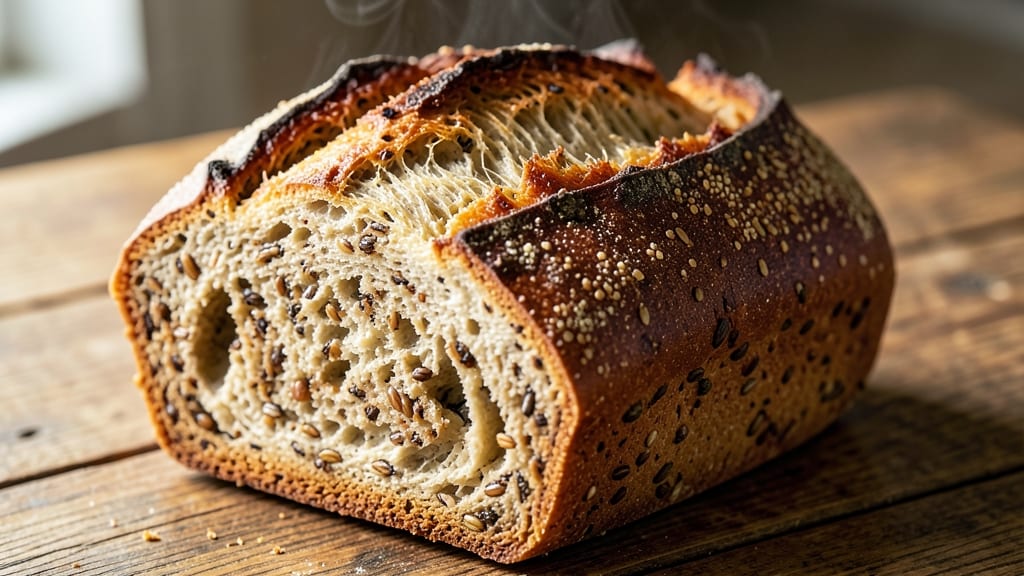
This 9 grain flour bread machine recipe transforms your kitchen into a rustic bakery with minimal effort—no kneading, just layers of nutty depth and a satisfying crust. The secret lies in blending whole grains for texture and flavor while letting the bread machine handle the heavy lifting.
After testing countless variations, I’ve perfected a cycle that yields a loaf with a crisp exterior and a tender, open crumb.
What sets this recipe apart is the balance of 9 different flours—each grain contributes unique flavor and texture, from the earthiness of whole wheat to the subtle sweetness of rye.
The bread machine’s dough cycle ensures proper hydration and gluten development, while the bake cycle delivers that coveted golden crust. No special tools required beyond your machine and a loaf pan.
The result is a nutty, hearty loaf with a crisp shell that crackles when sliced and a soft interior studded with pockets of air. Perfect for sandwiches, toast, or serving with soups, this bread keeps well for days and improves with age.
The aroma alone will have everyone asking for seconds.
For best results, use a 3-pound bread machine pan and follow the manufacturer’s settings for basic white bread—this recipe adapts seamlessly. Optional add-ins like seeds or honey can elevate the flavor further, but the base recipe delivers exceptional quality on its own.
Ingredients for 9 grain flour bread machine
Nine distinct flours blend for texture and flavor—each grain contributes uniquely to this rustic loaf.
| Ingredient | Amount | Notes |
|---|---|---|
| Whole Wheat Flour 🌾 | 1 cup | Unbleached for best texture |
| Spelt Flour 🌾 | ½ cup | Adds nutty flavor depth |
| Rye Flour 🌾 | ½ cup | Dark rye for robust flavor |
| Oat Flour 🌾 | ½ cup | Ground from rolled oats |
| Buckwheat Flour 🌾 | ¼ cup | Rich, earthy flavor |
| Barley Flour 🌾 | ¼ cup | Mild, slightly sweet |
| Cornmeal 🌾 | ¼ cup | Fine grind preferred |
| Quinoa Flour 🌾 | ¼ cup | Protein-rich addition |
| White Whole Wheat Flour 🌾 | ½ cup | Balances texture |
| Active Dry Yeast 🍞 | 1 ½ tsp | Fresh yeast preferred |
| Granulated Sugar 🍚 | 1 tbsp | Enhances yeast activity |
| Salt 🧂 | 1 ½ tsp | Diamond Crystal preferred |
| Water 💧 | 1 ½ cups | Room temperature preferred |
| Extra-Virgin Olive Oil 🫒 | 1 tbsp | For enriched dough |
| Honey 🍯 | 1 tbsp | Optional for sweetness |
The flours are the heart of this recipe, so source them from bulk bins for freshness. Bob's Red Mill or King Arthur Flour carry all nine varieties, ensuring consistent quality. For the rye and buckwheat, look for dark, freshly ground options—they add the deepest flavor. If substituting, avoid pre-mixed grain flours; their hydration needs differ. The yeast is critical: check expiration dates and use within a month of purchase for peak activity. For the olive oil, extra-virgin with fruity notes elevates the crust's richness.
No spelt flour? Substitute with extra whole wheat, but reduce by 1/4 cup to maintain texture. Rye can be swapped for dark whole wheat at a 1:1 ratio, though flavor will differ. For a gluten-free option, replace 1/2 cup of the blend with certified gluten-free oat flour. The honey is optional but recommended—it tenderizes the crumb and adds subtle sweetness. If omitting, increase water by 1 tbsp. For a seed boost, add 2 tbsp sunflower or sesame seeds during the final knead cycle. The bread machine's dough setting handles hydration perfectly; don't adjust water beyond the recipe.
Store the loaf in a paper bag at room temperature for up to 5 days to maintain crispness. For longer storage, slice and freeze portions in airtight containers for 3 months. The crust develops best when sliced fresh—it loses crunch after 24 hours. To revive stale bread, wrap in foil and reheat at 350°F for 10 minutes. This recipe yields two 1-pound loaves; bake one immediately and freeze the second for later. The aroma alone makes it worth the wait—everyone will ask for seconds.
Why You'll Love This Recipe
- Bread Machine Magic: The machine does all the work—just toss in the mix of whole wheat, spelt, rye, and oat flour, add water and yeast, and let it knead and bake itself. No standing over a bowl, no guesswork on timing.
- Earthy & Nutty Richness: That blend of buckwheat and rye? It’s got a deep, toasty flavor that’s way more interesting than basic white bread. Honestly, the first slice makes you want to eat the whole loaf.
- Meal Prep MVP: Slice it, freeze it, and toast as needed—this bread lasts for weeks. I keep two loaves on hand for quick sandwiches, toast, or even crusty bread for soups. No more sad, stale bread here.
- Budget-Friendly Pantry Staple: Using whole grains cuts costs, and you can make a whole loaf for pennies. Between us, this is the kind of bread that makes grocery bills feel lighter while still tasting like a treat.
Step-by-step instructions for 9 grain flour bread machine recipe
This method transforms nine distinct flours into a loaf with complex flavor and perfect texture.
Combine Dry Ingredients in the Bread Pan
In your bread machine pan, add all the dry ingredients in this order: the 1 cup Whole Wheat Flour, 0.5 cup Spelt Flour, 0.5 cup Rye Flour, 0.5 cup Oat Flour, 0.25 cup Buckwheat Flour, 0.25 cup Barley Flour, 0.25 cup Cornmeal, 0.25 cup Quinoa Flour, and 0.5 cup White Whole Wheat Flour. Using a whisk, gently blend them together to eliminate any flour pockets.
This layered approach ensures even distribution of each flour's unique texture and flavor. The buckwheat and rye will add earthy depth while the oat and cornmeal contribute subtle sweetness. Don't skip the whisking—uneven mixing can create dense pockets in your final loaf.
Add Wet Ingredients and Yeast
To the dry mixture, add the 1.5 tsp Active Dry Yeast, 1 tbsp Granulated Sugar, 1.5 tsp Salt, 1.5 cups Water at room temperature, 1 tbsp Extra-Virgin Olive Oil, and 1 tbsp Honey. Mix thoroughly with a wooden spoon until the dough comes together and coats the sides of the pan.
The honey and olive oil create an enriched dough that yields a softer crumb while maintaining structure. The sugar activates the yeast immediately, so don't let the dough sit before starting the machine. You want a shaggy but cohesive dough that's just beginning to develop elasticity.
Select Bread Machine Settings
Set your bread machine to the "Basic White Bread" setting with a 3-pound loaf size. If your machine has a crust setting, choose "Crusty" for that perfect golden-brown exterior. Close the lid and start the cycle.
Most machines will take about 3 hours for this complex flour blend. The dough will go through three phases: initial kneading, rising, and baking. The machine's automatic functions handle all the timing and temperature adjustments, but resist the urge to open it during the cycle.
Monitor the Final Baking Phase
During the final 30 minutes of the cycle, listen for the characteristic tapping sound that indicates the loaf is fully baked. The bread will have a deep golden crust with visible steam escaping when you remove it from the pan.
When the cycle completes, immediately transfer the loaf to a wire rack. The dense flour blend needs proper cooling to prevent a gummy texture. Let it cool for at least 1 hour before slicing—this resting period allows the internal structure to set properly.
Serve with Confidence
Once cooled, slice the bread to reveal a dense yet open crumb with visible flecks from each flour type. The crust should be crisp with a slight chew, while the interior offers a satisfying resistance. This bread pairs beautifully with soups, spreads, or simply toasted with butter.
For best results, store any leftovers wrapped in a bread bag at room temperature for up to 3 days. The nutty flavors will deepen slightly as it sits, making it even more flavorful the next day. Each slice delivers the complex flavor profile of all nine grains in perfect harmony.
Pro Tips For Making 9 Grain Flour Bread Machine
- SIFT THE BUCKWHEAT: Buckwheat flour is dense and clumpy—skip the sifting step, and you’ll end up with a brick instead of bread. Toss it through a fine-mesh strainer with the other dry ingredients before adding liquids, or whisk it vigorously in the machine’s bowl until no lumps remain. I learned this the hard way after kneading a dough that felt like wet sand.
- HYDRATE THE OATS: Oat flour absorbs moisture like a sponge, so soak it in warm water (about ¼ cup per ½ cup flour) for 10 minutes before mixing. This prevents a gummy, uneven texture later—your bread machine will thank you when the dough isn’t fighting you the whole cycle. (Yes, even if you’re impatient like me.)
- KEEP THE RYE COOL: Rye flour gets sticky fast, and bread machines hate sticky dough. Chill the entire mixture for 20 minutes in the fridge before starting the cycle—this firms up the spelt and whole wheat enough to avoid a runaway mess in the machine. I was skeptical until I tried it; now I never skip it.
- TEST THE DOUGH: After the first knead cycle, poke the dough with your finger. If it springs back slowly (like a slug), add 1 tablespoon of water and let it knead again. If it springs back fast (like a ball), add 1 tablespoon of flour. Nine-grain dough is finicky—don’t guess, just check. This isn’t the prettiest method, but it’s the tastiest.
Wine and beer pairings for these flavors
Crisp White Wine
Pair your 9-grain flour bread with a dry, crisp white wine like Sauvignon Blanc or Pinot Grigio—their bright acidity and citrus notes cut through the bread's nutty complexity beautifully.
I love a New Zealand Sauvignon Blanc with its zesty lime and grapefruit flavors, which complement the rye and buckwheat undertones. For a budget-friendly option, try an Italian Pinot Grigio from Alto Adige—its clean finish won’t overpower the bread’s earthy depth. 🍷
Malty Amber Ale
Beer lovers should reach for a hoppy amber ale or wheat beer to match the bread’s grainy richness. A Belgian-style witbier with its coriander and orange peel notes adds a refreshing contrast, while a caramel-heavy amber ale (like Fat Tire) enhances the bread’s toasted flavors.
For a local favorite, try a German Märzen—its malty sweetness balances the bread’s subtle bitterness from the buckwheat. 🍺
Red Wine for Hearty Pairings
If serving with roasted meats or rich cheeses, a light-bodied red wine like Beaujolais or Chianti works wonders. The Beaujolais’ juicy cherry notes mirror the bread’s rustic charm, while Chianti’s acidity keeps the palate fresh.
Avoid heavy Cabernets—they’ll clash with the bread’s delicate crumb structure. A Spanish Garnacha also pairs surprisingly well with its bright, fruity profile. 🍇
Coffee or Tea Enhancements
For a non-alcoholic pairing, strong black coffee or Earl Grey tea elevate the bread’s nutty flavors. The coffee’s bitterness enhances the rye and buckwheat, while Earl Grey’s bergamot notes add a floral contrast.
Serve the bread warm with a dark roast or a chamomile tea for a cozy, comforting combo. ☕
Seasonal Adaptations
In summer, opt for a sparkling rosé—its effervescence cleanses the palate between bites. For winter, a spiced red wine like Mulled Shiraz or a dark stout beer complements the bread’s hearty texture.
The warmth of the spices mirrors the bread’s toasted grain flavors, creating a harmonious match. ❄️
Nutrition facts
Frequently asked questions
Can I substitute any of the flours in this 9-grain blend?
Yes, but make thoughtful swaps to maintain texture and flavor balance. For example, replace 1/4 cup buckwheat with 1/4 cup millet flour for a milder taste, or swap 1/4 cup rye with 1/4 cup whole grain spelt. Avoid eliminating all dark flours—this recipe relies on their earthy depth. If you must reduce the grain count, start with the cornmeal or barley flour, which have the mildest impact on flavor.
Why does my bread machine dough look too sticky?
This blend contains high-moisture flours like oat and buckwheat that absorb water differently than all-purpose flour. If the dough feels too sticky, reduce water by 1 tablespoon or add 1 tablespoon extra flour (preferably white whole wheat) during the kneading phase. The bread machine's dough cycle will handle the adjustment—just avoid opening the lid during the first 20 minutes of kneading.
How do I achieve a better crust on this dense bread?
For a crispier crust, try these pro tips: Brush the baked loaf with melted butter immediately after removing it from the pan, then place it on a wire rack in a 200°F oven for 5 minutes. Alternatively, sprinkle 1 teaspoon cornmeal or sesame seeds on the pan before adding the dough. The high moisture content in this blend makes crust development trickier, so patience is key—don't rush the cooling process.
Can I make this recipe without a bread machine?
Use the same ingredients but follow these steps: Mix dry ingredients, then combine with wet ingredients to form a shaggy dough. Let rest for 20 minutes, then knead by hand for 10 minutes (or use a stand mixer with a dough hook). Let rise for 1.5 hours until doubled, shape into a loaf, and bake at 375°F for 35-40 minutes until internal temp reaches 190°F. The bread machine's kneading power makes this easier, but hand-kneading works with extra attention.
What's the best way to store leftover 9-grain bread?
Wrap cooled slices in parchment paper and store in an airtight container at room temperature for up to 4 days. For longer storage, freeze slices individually for up to 3 months. To revive stale bread, wrap in foil and reheat at 350°F for 8-10 minutes. The nutty flavors actually improve slightly over time, making this bread perfect for meal prep!