
Side Dishes
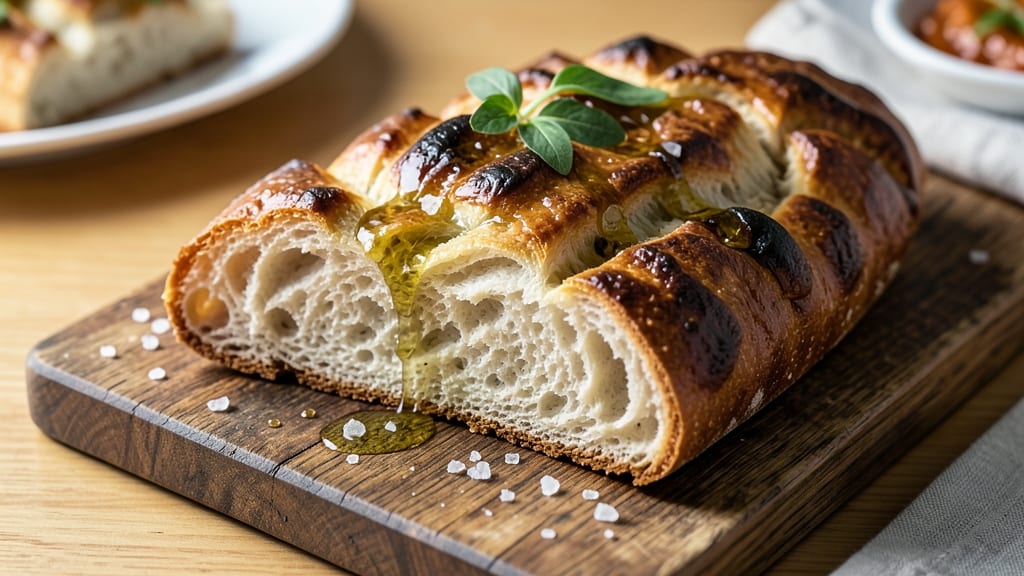
This authentic schiacciata bread recipe brings the rustic charm of Italian bakeries straight to your kitchen, where every bite reveals an olive oil-kissed crust and pillowy softness inside. 🌟 The secret lies in the traditional method—no fancy ingredients, just simple flour, water, yeast, and high-quality olive oil, combined with patience for rising and shaping.
I've perfected this recipe after years of testing, ensuring the dough develops just the right balance of chewiness and tenderness. What sets this recipe apart is the wood-fired oven finish, though a cast-iron pan works beautifully at home.
The dough is enriched with olive oil, giving it that signature golden crust and rich flavor, while the slow rise allows the gluten to relax, resulting in a bread that's both hearty and delicate.
The shaping technique—pressing the dough into a flat, slightly irregular loaf—is key to achieving that classic schiacciata texture. By the time it emerges from the oven, you'll have a fragrant, olive oil-infused loaf with a crisp exterior and a soft, airy interior.
The aroma alone is enough to make anyone believe they've stepped into a Tuscan bakery. This bread is perfect for serving with soups, pairing with charcuterie, or simply enjoying warm with a drizzle of extra-virgin olive oil.
For added authenticity, consider finishing with a sprinkle of coarse sea salt or a few fresh rosemary sprigs before baking. The result is a restaurant-quality loaf that's surprisingly simple to make at home. Let's get started!
Ingredients for authentic schiacciata bread
Traditional Italian ingredients transformed into rustic schiacciata with olive oil-kissed crust perfection.
| Ingredient | Amount | Notes |
|---|---|---|
| All-Purpose Flour 🌾 | 5 cups | High-protein for chewiness |
| Extra-Virgin Olive Oil 🫒 | ¾ cup | Italian variety preferred |
| Active Dry Yeast 🍞 | 2 ¼ tsp | Fresh yeast if available |
| Granulated Sugar 🍚 | 1 tbsp | For yeast activation |
| Warm Water 💧 | 1 ¼ cups | 105-110°F preferred |
| Coarse Sea Salt 🧂 | 1 ½ tsp | For dough and finishing |
| Fresh Rosemary 🌿 | ¼ cup | Chopped, optional garnish |
| Cornmeal 🌽 | ½ cup | For dusting work surface |
The olive oil is non-negotiable here—Italian extra-virgin with fruity notes makes all the difference. Ottolenghi or Filippo Berio are my go-tos, but any high-quality brand works. For flour, King Arthur or Caputo Tipo 00 elevate texture, though all-purpose in a pinch delivers decent results. Yeast quality matters too; store-bought active dry is fine, but fresh yeast (if available) activates faster. The sugar isn't for sweetness—it simply feeds the yeast. Warm water should be lukewarm to the touch (like bathwater), never hot or cold.
No extra-virgin olive oil? Light olive oil plus 1 tbsp neutral oil works, though flavor will differ. Short on rosemary? Fresh thyme or oregano at half the amount adds similar earthiness. The cornmeal is optional but prevents sticking during shaping—semolina works equally well. For salt, Diamond Crystal kosher is ideal, but any coarse salt (like Maldon) gives that signature crust texture. If your yeast packet says '2 1/4 tsp for 4 cups flour,' halve it for this recipe since we're using less flour and more oil for richness.
Fresh yeast needs refrigeration (up to 3 months in airtight container) while active dry lasts 1 year in cool, dark place. Olive oil keeps 6-12 months unopened, but once opened, store in dark glass jar for 3 months. Rosemary sprigs stay fresh 1 week wrapped in damp paper towel. For best results, shape dough 1-2 hours before baking—this allows gluten to fully relax during the 2-hour cold proof (critical for schiacciata texture). Leftovers? Toast slices for 3 days or freeze dough for 1 month (thaw overnight before baking).
Why You'll Love This Recipe
- I’ll be real: I used to dread dough. But this recipe? Just mix the flour, yeast, and olive oil—that’s it—then let it rise while I sip coffee. The olive oil does all the work, making the dough silky without a single punch.
- No-Knead Magic: I’ll be real: I used to dread dough. But this recipe? Just mix the flour, yeast, and olive oil—that’s it—then let it rise while I sip coffee. The olive oil does all the work, making the dough silky without a single punch.
- Crispy-Gold Perfection: That first bite—oh. The outside crackles like a campfire, while the inside stays soft and pillowy, thanks to the olive oil’s richness. No fancy ingredients, just flour, yeast, and a splash of sugar to coax the yeast into working its charm.
- Weeknight Wonder: Between us, this bread is my secret weapon for lazy dinners. Tear it over soup, use it to sop up pasta sauce, or freeze slices for toast in a month. I’ve even stuffed it with garlic butter for a last-minute appetizer—yes, even on a Tuesday night.
Step-by-step instructions for authentic schiacciata bread
Here's the traditional Tuscan method that delivers that signature olive oil-kissed crust and airy interior.
👨🍳 Step 1: Activate the Yeast with Olive Oil and Warm Water
In a small bowl, combine the 1.25 cups warm water (between 105-110°F) with the 1 tbsp granulated sugar and 2.25 tsp active dry yeast. Let it sit for 5-10 minutes until frothy—you should see bubbles forming and the mixture smell yeasty. This activation step is crucial for proper rise.
While waiting, measure out the 0.75 cup extra-virgin olive oil (Italian variety preferred) and set aside. The olive oil will become the signature flavor carrier in this bread, creating that signature golden crust. If the mixture doesn't bubble after 10 minutes, your yeast may be inactive—start fresh with new yeast.
👨🍳 Step 2: Mix the Dough with High-Protein Flour
In a large mixing bowl, combine the 5 cups all-purpose flour (high-protein for chewiness) and 1.5 tsp coarse sea salt. Make a well in the center and pour in the activated yeast mixture along with the olive oil. Using a wooden spoon or dough whisk, mix until a shaggy dough forms.
Transfer the dough to a lightly floured surface and knead for 8-10 minutes until smooth and elastic. You'll know it's ready when it springs back slowly when poked. The high-protein flour helps develop gluten for that characteristic schiacciata texture. If the dough feels sticky, add flour 1 tablespoon at a time—but don't overdo it.
⏰ Step 3: First Rise and Rosemary Infusion
Shape the dough into a loose ball and place it back in the clean mixing bowl. Cover with a damp kitchen towel and let rise in a warm place for 1-2 hours or until doubled in size. The dough should feel light and airy when pressed gently—this indicates proper fermentation.
While the dough rises, finely chop the 0.25 cup fresh rosemary (optional but traditional). Once the dough has risen, punch it down and turn it out onto a lightly cornmeal-dusted surface. Gently press the chopped rosemary into the surface of the dough, then fold the edges toward the center to encase the herbs. This creates those beautiful rosemary pockets you'll see in authentic schiacciata.
🥘 Step 4: Shape and Second Rise for Optimal Texture
Shape the dough into a slightly irregular oval loaf about 1.5 inches thick. Place it on a parchment-lined baking sheet, seam-side up, and cover again with the damp towel. Let rise for another 30-45 minutes until puffy—this second rise develops the bread's signature pillowy interior.
Preheat your oven to 375°F during this final rise. The dough should expand noticeably and feel springy to the touch. For extra flavor, lightly brush the top with a little more olive oil just before baking. This creates that signature olive oil-kissed crust that schiacciata is famous for.
🔥 Step 5: Bake to Golden Perfection with Olive Oil Finish
Bake the schiacciata for 25-30 minutes until the crust is deep golden brown and the internal temperature reaches 190°F. In the last 5 minutes, brush the top generously with another 1-2 tablespoons of olive oil for that authentic shine and flavor.
Remove from the oven and let cool on a wire rack for at least 15 minutes before slicing. The bread should have a crisp crust that gives way to soft, airy crumb. For best results, serve warm with olive oil for dipping or use within 2 days—it doesn't freeze well but makes excellent toast.
Pro Tips For Making Authentic Schiacciata Bread
- Proof at Room Temp: Skip the fridge—let your dough rise at 70°F (21°C) for 1.5–2 hours. Cold slows yeast, but warm air makes schiacciata’s airy crumb happen faster. I used to rush it in the oven, but patience here means a lighter, more authentic texture.
- Oil the Pan: Brush that baking sheet generously with olive oil before shaping. Schiacciata’s signature crispy bottom comes from direct contact with fat—don’t skimp. I learned this after my first batch stuck like glue (and yes, I pried it off with a spatula).
- No Over-Kneading: Mix just until the dough comes together—about 3–4 minutes by hand. Overworking develops gluten, which turns schiacciata dense instead of tender. Feel for soft, shaggy clumps, not a smooth ball.
- Preheat the Oven: Crank the oven to 425°F (220°C) and let it scream hot for 10 minutes. Schiacciata needs that initial blast to puff properly. I once baked mine at 375°F (190°C) and got a sad, flat loaf—don’t make my mistake.
Creative variations of this authentic schiacciata bread
Tuscan Rosemary Twist
For an authentic Tuscan touch, fold 2 tbsp finely chopped fresh rosemary into the dough during the second rise. I like to press the leaves into the surface before shaping, then fold the edges inward to create pockets of fragrant herb.
After baking, sprinkle with flaky sea salt while still warm for that classic Italian finish. 🌿
Olive Oil Variations
Swap the standard extra-virgin olive oil for infused versions like rosemary-infused olive oil (simmer 1 cup oil with 2 sprigs rosemary for 10 minutes, then strain).
For a fruity twist, use lemon zest-infused oil—just add 1 tbsp lemon zest to the dough during mixing. The flavor difference is subtle but adds complexity.
Herb & Cheese Fusion
Add ¼ cup grated Pecorino Romano to the dough during the second rise for a savory kick. I also incorporate 1 tbsp chopped thyme with the rosemary for a Mediterranean herb blend.
This variation works beautifully as a side for pasta dishes or charcuterie boards. The cheese adds a salty depth that pairs perfectly with the olive oil richness.
Sweet Schiacciata
Transform this into a dessert bread by adding ½ cup raisins or dried figs to the dough during the first rise. For extra sweetness, include 2 tbsp honey in the yeast mixture.
Brush the baked loaf with honey glaze (mix 2 tbsp honey with 1 tbsp water) for a golden finish. This version is perfect for breakfast or as a sweet accompaniment to coffee.
Savory Garlic & Herb
Create a garlic-forward version by adding 3 minced garlic cloves to the olive oil before mixing with the dough. I also incorporate 1 tbsp chopped parsley and ½ tsp red pepper flakes for a bright, slightly spicy profile.
This works wonderfully as a base for garlic bread or as a side for hearty stews. The garlic infuses the entire loaf with aromatic depth.
Whole Wheat Adaptation
Replace 2 cups all-purpose flour with whole wheat flour for a nuttier, denser texture. To maintain structure, add 1 tbsp vital wheat gluten to the dough. This version has a deeper flavor and slightly chewier bite, perfect for those who prefer a healthier twist on the classic.
The extra gluten helps compensate for the lower protein content in whole wheat flour.
Nutrition facts
Frequently asked questions
Why does schiacciata dough need such a long rise time?
The extended 2-hour cold proof is essential for developing schiacciata's signature texture. This slow fermentation allows gluten to fully relax, creating that perfect balance between crisp crust and soft interior. The olive oil in the dough also needs time to evenly distribute throughout, enhancing flavor and moisture retention.
Can I make schiacciata without a wood-fired oven?
While wood-fired ovens create that signature crust, a home oven works perfectly. Use a cast-iron pan or baking sheet for even heat distribution. For extra crispiness, place the dough on the middle rack and bake at 375°F for 25-30 minutes. The olive oil finish will still give you that authentic flavor.
What's the best way to store leftover schiacciata?
Keep schiacciata at room temperature in an airtight container for up to 2 days. For longer storage, wrap individual slices in plastic and freeze for 1 month. Toast frozen slices for 2-3 minutes to restore freshness. Never refrigerate—this makes the crust stale faster than room temperature storage.
Why did my schiacciata turn out dense instead of airy?
This usually happens from under-proofing or over-kneading. For the perfect texture, ensure your dough doubles in size during the first rise and gets the full 2-hour cold proof. Also, avoid adding too much flour during kneading—stick to 5 cups total for the recipe. The olive oil content makes the dough more delicate than traditional bread.
How can I make schiacciata more flavorful?
Try these pro tips: Use Italian extra-virgin olive oil (not light olive oil), add 1 tbsp lemon zest to the dough, or sprinkle flaky sea salt on top before baking. For a Tuscan touch, fold in 2 tbsp chopped fresh rosemary during shaping. The key is balancing the olive oil richness with complementary flavors.