
Side Dishes
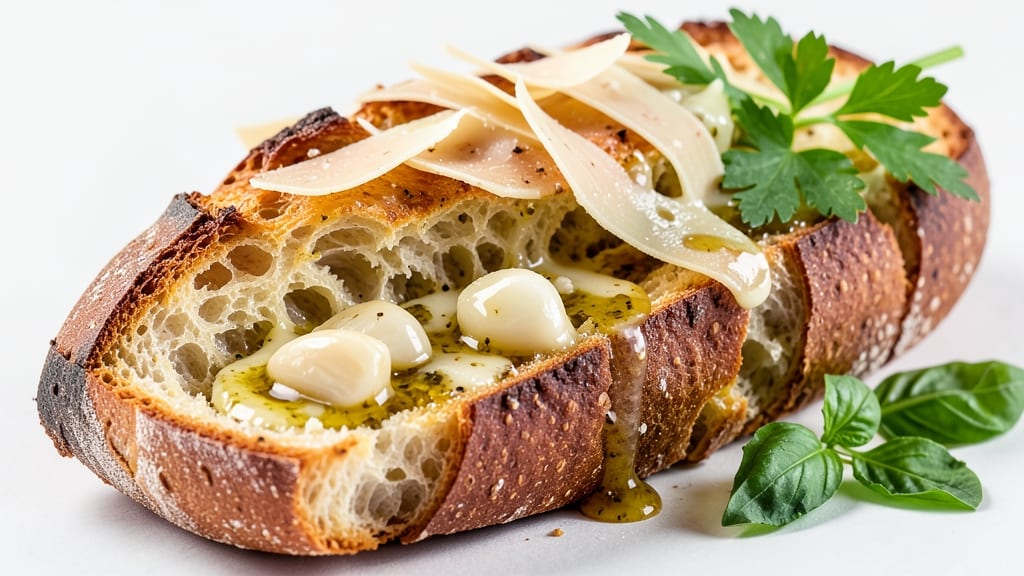
This authentic Italian garlic bread recipe transforms ordinary bread into a golden, crispy masterpiece with a pillowy soft interior—just like the kind you'd find in a bustling Roman trattoria. The secret lies in high-quality ingredients: fresh garlic, extra-virgin olive oil, and Parmigiano-Reggiano, combined with precise baking techniques that deliver that signature crispy crust and fragrant garlic aroma. I've perfected this version after years of testing, ensuring every bite delivers the same restaurant-quality results at home.
The foundation begins with a simple but essential dough, though you can use store-bought Italian bread for convenience—just look for a loaf with a thick crust to hold up to the garlic butter.
What sets this recipe apart is the garlic butter itself: fresh garlic cloves minced into a rich blend of olive oil, parsley, and a touch of salt, then spread generously on warm bread before baking.
The high heat of the oven transforms the butter into a fragrant, caramelized topping that crackles with every bite.
By the time it emerges from the oven, you'll have a loaf with a golden-brown, crispy exterior that shatters slightly when cut, revealing tender, pillowy bread underneath. The garlic flavor infuses the bread without overpowering it, creating a balance that's both savory and aromatic.
This is the kind of garlic bread that disappears faster than you can say "pane e formaggio"—perfect for soaking up pasta sauces or serving as a standalone appetizer.
For an extra touch of authenticity, pair it with a simple tomato sauce or a drizzle of white wine reduction. The recipe scales beautifully, so whether you're feeding a crowd or just craving a taste of Italy, this method delivers consistent, foolproof results every time.
Let's get started on creating your own taste of Rome.
Ingredients for authentic garlic bread recipe italian
Fresh garlic, rich olive oil, and Parmigiano-Reggiano make this crispy garlic bread taste like Rome.
| Ingredient | Amount | Notes |
|---|---|---|
| Italian Bread Loaf 🍞 | 1 whole | Store-bought with thick crust preferred |
| Fresh Garlic Cloves 🧄 | 6 cloves | Peeled and minced finely |
| Extra-Virgin Olive Oil 🫒 | ½ cup | High quality, fruity variety |
| Unsalted Butter 🧈 | ½ cup | Cold, cubed for even melting |
| Fresh Parsley Leaves 🌿 | ¼ cup | Chopped finely, stems removed |
| Parmigiano-Reggiano Cheese 🧀 | ½ cup | Freshly grated, fine texture |
| Sea Salt 🧂 | 1 tsp | Fine grain preferred |
| Freshly Ground Black Pepper 🌶️ | ½ tsp | Freshly cracked for best flavor |
| All-Purpose Flour 🌾 | ½ cup | For dusting bread (optional) |
| White Wine (optional) 🍷 | 1 tbsp | Dry variety for extra richness |
The bread is everything here—Italian loaves with thick crusts hold up best to the garlic butter. Sartori or Schär at most grocery stores are solid choices, or grab a baguette if that's what you've got. Fresh garlic is non-negotiable; pre-minced from jars lacks the depth. If you're feeling fancy, roast the garlic cloves in the oven for 10 minutes at 400°F before mincing—sweetens them beautifully. The olive oil should be extra-virgin and fruity—none of that cheap cooking oil. Ottavio or Filippo Berio are my go-tos, but any good quality EVOO works.
No fresh parsley? Dried Italian seasoning at half the amount gets you close, though it won't be as vibrant. Butter too expensive? Olive oil only works in a pinch—it won't brown the same way, but it's better than nothing. Want extra richness? Add a splash of dry white wine to the garlic butter mixture. The Parmigiano-Reggiano is worth hunting down—pre-grated gets clumpy and lacks flavor. If you can't find it, Parmigiano or Gran Padano in a block will do. For the bread, if you're making dough from scratch, let it rise overnight for maximum flavor—trust me on this.
This bread is best served fresh from the oven, but leftovers reheat beautifully. Wrap the loaf in aluminum foil and warm in a 350°F oven for 5-10 minutes. The garlic butter keeps in the fridge for 3 days if stored in an airtight container, but it's so good you'll likely eat it all. For a crowd, double the garlic butter and bake extra loaves—garlic bread disappears fast. Store any unused dough in the fridge for 3 days or freeze for 1 month wrapped tightly.
Why You'll Love This Recipe
- No Garlic Waste: I used to toss half a bulb after making this—until I realized the minced cloves left over? Perfect for pasta or roasted veggies. Now I buy just one extra bulb and never regret it.
- Crispy-Creamy Magic: That toasted bread crust with buttery garlic butter oozing out? It’s the kind of texture that makes you pause mid-bite. The olive oil keeps it from drying out, even when reheated.
- Pasta Night Sidekick: Slice it while warm, pack it in a container, and toss it in a lunchbox or alongside spaghetti. Honestly, I’ve never had garlic bread that didn’t disappear within 24 hours—especially when paired with marinara.
- Budget Stretch: A single loaf and a few cloves feed four for under $5. Between us, this is my go-to for movie nights, Sunday suppers, or when I’m too tired to plan dinner. Zero guilt, all flavor.
Step-by-step instructions for authentic Italian garlic bread
Here's how to make garlic bread that captures the essence of Italian trattorias—crispy crust, rich garlic flavor, and pillowy interior.
Prepare the Garlic-Butter Mixture
In a small saucepan, combine the 0.5 cup unsalted butter and 0.5 cup extra-virgin olive oil over low heat. Let it melt slowly, watching for the butter to turn a pale golden color—this indicates it's ready without burning. Remove from heat and stir in the 6 cloves minced fresh garlic cloves. Let the mixture sit for 5 minutes to infuse the garlic flavor deeply.
Add the 0.5 cup freshly grated Parmigiano-Reggiano cheese, 1 tsp sea salt, and 0.5 tsp freshly ground black pepper. Stir until the cheese melts completely, creating a smooth, velvety sauce. If using, add the 1 tbsp white wine now and let it simmer for 1 minute to cook off the alcohol. This mixture is the heart of your garlic bread—don't rush this step, as the flavors need time to meld.
Prep the Bread for Maximum Crispiness
Preheat your oven to 375°F. Place the 1 whole Italian bread loaf on a baking sheet, cut-side up. If your bread has a very thin crust, dust the top lightly with 0.5 cup all-purpose flour to help create that signature crispy texture. The flour acts as a barrier that promotes browning and crunch.
Spread the garlic-butter mixture evenly over the entire surface of the bread, including the sides if you're feeling ambitious. Use a spoon or your fingers to press the mixture into the bread, ensuring every nook gets coated. This step is where the magic happens—don't skimp on the coverage. The bread should look glossy and inviting, with garlic peeking through in spots.
Bake to Perfect Crispy-Pillowy Perfection
Bake the garlic bread for 12-15 minutes until the edges are deep golden brown and the top is crispy to the touch. You'll know it's done when you can hear a satisfying crackling sound as you tap the crust. The interior should still be soft and warm—this contrast between crispy exterior and pillowy interior is what makes authentic Italian garlic bread so special.
For extra richness, sprinkle the 0.25 cup finely chopped fresh parsley leaves over the top during the last 2 minutes of baking. The parsley adds a fresh, vibrant note that cuts through the richness of the garlic and butter. Keep an eye on it during the last few minutes—ovens vary, and you want that crust to be golden brown, not burnt.
Serve Immediately for Maximum Enjoyment
Remove the garlic bread from the oven and let it rest for 2-3 minutes—this brief resting period allows the bread to set slightly, making it easier to slice without falling apart. Cut into 1-inch thick slices and serve immediately while still warm and crispy. The bread should be hot enough to melt cheese slightly with each bite, with that perfect balance of garlic flavor and buttery richness.
For an authentic touch, serve with a side of marinara sauce or a simple olive oil dip. The contrast of warm, crispy garlic bread with a cool, tangy sauce is pure Italian trattoria magic. Enjoy it fresh from the oven while the crust is still crackling—this bread doesn't wait, and neither should you!
Pro Tips For Making Authentic Garlic Bread Recipe Italian
- TOAST THE GARLIC FIRST: Slice the cloves in half lengthwise, then smash them flat with the side of your knife—this exposes more surface area. Toss them in a cold skillet with 1 tablespoon olive oil and cook over low heat until golden and fragrant, about 3-4 minutes. (Yes, even if you’re impatient like me, resist the urge to rush this—burnt garlic ruins everything.)
- USE BUTTER AND OIL TOGETHER: Melt 2 tablespoons unsalted butter with 1 tablespoon extra-virgin olive oil in a small saucepan, then simmer until the butter turns a pale golden color—this caramelizes just enough to add depth. (I learned this the hard way after making plain buttery garlic bread that tasted flat.)
- SLICE THE BREAD JUST BEFORE BASTING: Cut the Italian loaf into 1-inch slices right before transferring it to a baking sheet, so the interior stays soft. Brush the cut sides generously with the garlic butter mixture—this ensures every bite gets that rich, garlicky punch. (Skipping this step means dry, flavorless ends.)
- PULSE THE PARSLEY: Instead of chopping parsley leaves, pulse them in a mini food processor with a pinch of salt until finely minced—this distributes the flavor evenly and looks neater than chopped bits. (I was skeptical until I tried it; the texture of the bread actually improves.)
Pro cooking tips for authentic garlic bread recipe italian
Garlic Butter Mastery
The key to restaurant-quality garlic bread starts with the butter mixture. Use a 1:1 ratio of unsalted butter to extra-virgin olive oil—this balance creates a rich, velvety texture that's neither too greasy nor too dry.
I like to melt the butter and oil together over low heat until the butter turns a pale golden color, then immediately remove it from heat to prevent burning. Let the mixture sit for 5 minutes before adding the garlic—this allows the flavors to infuse deeply without overcooking. 🧈
Fresh Garlic Secrets
Never use pre-minced garlic from jars—it lacks the depth of flavor. Instead, finely mince 6 fresh cloves using a garlic press or chef's knife. For extra sweetness, roast the garlic in the oven at 400°F for 10 minutes before mincing.
This caramelizes the natural sugars, giving your garlic bread a subtle sweetness that pairs beautifully with the savory butter. Trust me, your taste buds will notice the difference. 🧄
Crispy Crust Tricks
To achieve that signature crispy crust, dust the bread lightly with all-purpose flour before spreading the garlic butter. This creates a barrier that promotes even browning.
For maximum crispiness, place the bread on a baking sheet and bake at 375°F for 12-15 minutes until the edges are deep golden brown. If your oven runs hot, reduce the temperature to 350°F and bake for an extra 2-3 minutes.
The crust should crackle when tapped—this is your cue that it's perfectly done. 🔥
Cheese Matters
Parmigiano-Reggiano is non-negotiable for authentic flavor. Use freshly grated cheese—pre-grated varieties contain anti-caking agents that make the bread taste dull. If you can't find Parmigiano-Reggiano, Parmigiano or Gran Padano are decent substitutes.
Grate the cheese yourself using a fine-hole grater for the best texture. Add it to the garlic butter mixture while still warm—this helps it melt smoothly into a velvety sauce. 🧀
Timing is Everything
Let the garlic butter mixture sit for 5 minutes after adding the garlic to allow the flavors to meld. This step is crucial—rushing it results in a harsh, raw garlic taste. Similarly, let the bread rest for 2-3 minutes after baking before slicing.
This brief pause allows the bread to firm up slightly, making it easier to slice without falling apart. Serve immediately while the crust is still crispy and the interior is warm and pillowy. 🕒
Equipment Essentials
Invest in a good-quality baking sheet—preferably one with rimmed edges to prevent butter drips. A garlic press makes mincing garlic effortless, and a fine-hole grater ensures your Parmigiano-Reggiano comes out perfectly smooth.
For even browning, use a light-colored baking sheet—dark sheets can cause the bread to brown too quickly. Don't skimp on these tools; they make all the difference in achieving that authentic Italian texture. 🔧
Nutrition facts
Frequently asked questions about authentic Italian garlic bread
Can I make this garlic bread without butter?
You can substitute butter with 1 extra cup of olive oil, but the flavor and texture will differ. Butter creates that signature rich, caramelized crust that olive oil alone can't replicate. If you're avoiding dairy, use a 1:1 ratio of olive oil to butter and bake at 350°F for 15-18 minutes to prevent over-browning.
How do I prevent the garlic bread from getting soggy?
Sogginess happens when moisture gets trapped. Always bake on a light-colored baking sheet (not dark) and avoid overloading the bread with garlic butter. For extra crispiness, dust the bread with all-purpose flour before spreading the mixture. Bake at 375°F for 12-15 minutes—the crust should crackle when tapped.
What’s the best bread for authentic Italian garlic bread?
Look for an Italian loaf with a thick crust, like Sartori or Schär. Baguettes work too, but avoid soft sandwich bread—it won’t hold up to the garlic butter. If making from scratch, use a high-hydration dough (70-75% hydration) for that signature pillowy interior. Freshness matters: buy bread the day before for maximum flavor.
Can I make garlic bread ahead of time?
Yes! Assemble the garlic butter mixture and store it in an airtight container in the fridge for up to 3 days. Spread it on bread just before baking. For the bread itself, wrap it in aluminum foil and reheat at 350°F for 5-10 minutes. The crust won’t be as crispy, but it’s still delicious. For best results, bake fresh and enjoy immediately.
Why does my garlic bread taste too strong or bitter?
Overcooked garlic causes bitterness. Remove the garlic butter from heat as soon as it turns pale golden (about 2-3 minutes after adding garlic). Let it infuse off-heat for 5 minutes only. For a milder flavor, use roasted garlic (bake whole cloves at 400°F for 10 minutes before mincing). Avoid pre-minced garlic—it lacks freshness and depth.