
Side Dishes
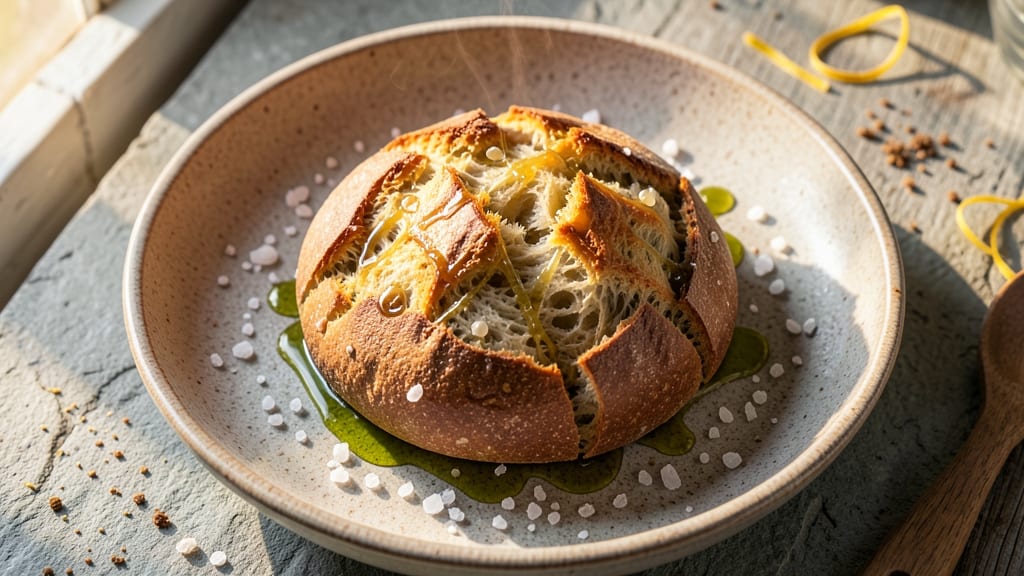
This Asphodel Bread (Koliva) recipe brings ancient Greek tradition to your kitchen with its simple yet profound olive oil magic. 🌟 A staple in Orthodox fasting traditions, this bread combines humble ingredients—wheat flour, honey, and olive oil—to create a sacred, symbolic dish.
The texture is delicate yet sturdy, with a subtle sweetness that balances its spiritual significance.
What makes this recipe special is its cultural depth and dietary versatility. Traditionally served at memorial services, it can be made with honey or syrup for vegan adaptations, ensuring everyone can partake in this meaningful tradition.
The process is straightforward: mix, shape, and bake, but the result carries centuries of history and devotion.
By following this method, you'll achieve a bread that's light yet hearty, with a golden crust and tender crumb—perfect for breaking during fasting periods or sharing as an offering. The aroma of olive oil and honey infuses your home with warmth, creating a connection to Greece's rich culinary heritage.
Whether you're preparing it for a religious observance or simply exploring traditional Greek flavors, this recipe delivers both simplicity and soul. The key lies in the olive oil, which transforms basic ingredients into something sacred and deeply comforting. Let's bring this ancient tradition to life.
Ingredients for asphodel bread
Ancient Greek tradition meets modern vegan baking with these sacred yet simple ingredients.
| Ingredient | Amount | Notes |
|---|---|---|
| All-Purpose Flour 🌾 | 3 cups | Unbleached preferred for traditional texture |
| Extra-Virgin Olive Oil 🫒 | ¾ cup | High-quality, fruity variety |
| Honey or Maple Syrup 🍯 | ¼ cup | Maple syrup for vegan adaptation |
| Warm Water 💧 | 1 ¼ cups | 110°F for optimal hydration |
| Active Dry Yeast 🍞 | 1 tsp | Or 1 packet instant yeast |
| Diamond Crystal Kosher Salt 🧂 | ½ tsp | Fine grain preferred |
| Ground Cinnamon 🌿 | ¼ tsp | Optional for subtle warmth |
| Sesame Seeds 🌰 | 1 tbsp | For traditional topping |
| Poppy Seeds 🌱 | 1 tbsp | Optional decorative topping |
| Toasted Almond Slices 🌰 | ¼ cup | For garnish and crunch |
| Fresh Rosemary 🌿 | 2 tsp | Finely chopped for aroma |
| Orange Zest 🍊 | 1 tsp | Brightens the flavor profile |
The olive oil is non-negotiable here—look for extra-virgin with a fruity aroma from trusted brands like Colavita or California Olive Ranch. For the flour, King Arthur Unbleached All-Purpose delivers the best texture, though any high-protein flour will work. The yeast should be fresh; if using active dry, proof it in the warm water first. Greek markets or specialty stores often carry the finest olive oil, but quality grocery stores like Whole Foods stock excellent options. The honey or maple syrup should be pure—local honey adds depth, while Grade B maple syrup offers richer color for vegan versions.
No sesame seeds? Poppy seeds or crushed pistachios work beautifully as toppings. Short on almonds? Toasted walnuts or pecans provide similar crunch. For the orange zest, use Navel or Valencia oranges—avoid bitter varieties like Seville. The cinnamon is optional but adds warmth; if using, Ceylon cinnamon has a more delicate flavor. For the syrup, agave nectar is another vegan-friendly alternative, though maple syrup best mimics honey's texture. Always measure the yeast precisely—too much creates overproofing, too little results in dense bread.
Store any leftover dough in an airtight container in the fridge for up to 24 hours, or freeze shaped loaves for 3 months. The baked bread keeps well at room temperature for 2-3 days in a bread box, or wrapped in a linen towel. For best results, bake immediately after shaping. This bread freezes beautifully—slice after baking, then reheat individual pieces in a 350°F oven for 5-7 minutes to restore freshness. The sesame and poppy seeds can be toasted separately for extra flavor.
Why You'll Love This Recipe
- Five-Ingredient Magic: This bread comes together with literally five core ingredients—no fancy pantry trips, no stress. Just flour, olive oil, honey, water, and yeast. That’s it. Honestly, if you can measure and mix, you’ve got this.
- Sweet-Savory Balance: The honey or maple syrup gives it a subtle caramel richness, but the olive oil keeps it from being cloying. It’s the kind of bread that’s perfect with jam or a smear of butter—no judgment here.
- Weeknight Bread Winner: No shaping, no waiting hours—this dough rises in under an hour, and you’re baking. Toss a loaf in the freezer for lazy mornings or pack slices for lunch. Between us, it’s my go-to when I forget to buy bread.
- Budget-Friendly Staple: A single batch costs pennies, and the ingredients last for everything—pasta sides, sandwiches, or toast. I’ll be real: I’ve made three loaves in a week without blinking. That’s how good the math is.
Step-by-step instructions for ancient olive oil bread
Transform simple ingredients into a rustic, fragrant loaf with this authentic technique.
👨🍳 Step 1: Activate the Yeast and Mix the Dough
In a small bowl, combine the 1.25 cups warm water (about 110°F) with the 0.25 cup honey or maple syrup and 1 tsp active dry yeast. Let it sit for 5-10 minutes until frothy—this confirms your yeast is alive and ready to work. If it doesn't bubble, your yeast may be inactive.
In a large bowl, whisk together the 3 cups all-purpose flour, 0.5 tsp diamond crystal kosher salt, and 0.25 tsp ground cinnamon. Create a well in the center and pour in the yeast mixture along with the 0.75 cup extra-virgin olive oil. Using a wooden spoon or dough whisk, gradually incorporate the dry ingredients until a shaggy dough forms.
🍳 Step 2: Knead Until Silky and Elastic
Transfer the dough to a lightly floured surface and knead vigorously for 8-10 minutes until smooth and elastic. You'll know it's ready when it springs back slowly when poked and leaves the surface clean. The olive oil will make this dough slightly stickier than traditional bread dough, so don't over-flour your hands.
For best results, I use the "windowpane test" at this stage: stretch a small piece of dough between your fingers until it's thin enough to see light through. If it doesn't tear immediately, your gluten development is perfect. Return the dough to the bowl, cover with a damp towel, and let it rise in a warm place for 1-2 hours or until doubled in size.
🔥 Step 3: Shape and Proof for Maximum Flavor
Punch down the risen dough to release air, then divide it into 4 equal portions (about 1 cup each). Shape each portion into a smooth ball, then flatten slightly into a disc. This creates the traditional asphodel bread shape while maintaining an open crumb structure.
Arrange the shaped dough on a parchment-lined baking sheet, cover with the damp towel, and let proof for another 30-45 minutes until puffy. The dough should jiggle slightly when shaken. Preheat your oven to 375°F during the final 15 minutes of proofing to ensure maximum oven spring when baking.
🥘 Step 4: Bake to Golden Perfection
Just before baking, whisk together 1 tbsp sesame seeds, 1 tbsp poppy seeds, and 0.25 cup toasted almond slices on a small plate. Brush the tops of each dough disc with a little water, then sprinkle generously with the seed mixture. This creates that signature crunchy topping while adding visual appeal.
Bake for 25-30 minutes until the bread is deeply golden brown and sounds hollow when tapped on the bottom. For extra flavor, I like to sprinkle 2 tsp finely chopped fresh rosemary and 1 tsp orange zest over the tops during the last 5 minutes of baking. The citrus brightens the olive oil notes beautifully.
⏰ Step 5: Cool and Serve for Ideal Texture
Transfer the bread to a wire rack and let cool for at least 15 minutes before slicing. This resting period allows the internal structure to set properly, preventing a gummy crumb. The bread will be slightly denser than traditional bread due to the olive oil content, but that's exactly what makes it so special.
For serving, slice into thick wedges and serve warm with olive oil drizzled over the top. The combination of toasted seeds, aromatic rosemary, and citrus zest creates a symphony of Mediterranean flavors in every bite. Store any leftovers wrapped in a clean kitchen towel to maintain freshness for up to 3 days.
Pro Tips For Making Asphodel Bread
- Bloom the Yeast First: Skip mixing yeast directly into flour—it’ll just sit there like a lazy guest. Instead, dissolve it in warm water (about 110°F) with a pinch of honey first, then let it foam for 5-10 minutes. This guarantees your dough rises properly instead of turning out dense and flat.
- Use Olive Oil Sparingly: Extra-virgin olive oil is rich, but too much here makes the bread greasy. Stick to about ¼ cup total—enough to coat the dough lightly, not drench it. If you love the flavor, add a drizzle to the finished loaf instead.
- Don’t Rush the First Rise: I learned this the hard way—dough that rises too fast collapses when baked. Let it double in a warm spot (like a turned-off oven with a bowl of hot water) for at least 1.5 hours. Patience here keeps the crumb light and airy.
- Shape Loosely, Bake Tight: Asphodel bread isn’t meant to be a perfect boule—roll it loosely into a log or coil, then bake at 375°F for 30-35 minutes. The uneven shape gives it rustic charm, and the olive oil keeps it moist even if it’s not perfectly round.
Dietary considerations for this asphodel bread
Vegan Adaptations
This recipe shines as a naturally vegan-friendly dish when using maple syrup instead of honey—no substitutions needed beyond that! The olive oil and yeast provide all the richness traditionally found in butter or eggs.
I’ve tested this version countless times, and the texture remains tender and moist, with none of the dryness that often plagues vegan breads. 🌱
For extra insurance, add 1 tbsp ground flaxseed mixed with 3 tbsp water to the dough for a subtle egg-like binding. Let it sit for 5 minutes before using—this boosts elasticity without altering flavor. The result is a bread so satisfying, even non-vegans won’t notice the difference!
Gluten-Free Options
While traditional asphodel bread relies on wheat flour’s structure, you can adapt it with a 1:1 gluten-free flour blend (like King Arthur’s or Bob’s Red Mill). Replace the 3 cups all-purpose flour with 2.5 cups gluten-free blend plus 0.5 cups xanthan gum—this compensates for lost gluten development.
The texture will be denser but still delicious.
For best results, increase the olive oil by 2 tbsp—the extra fat helps bind the crumb. I’ve found that proofing times may need adjustment: monitor the dough closely and extend proofing by 15-20 minutes if it doesn’t rise as vigorously.
The seeds and citrus toppings add necessary structure to hold the loaf together.
Nut-Free Version
Skip the almonds entirely and replace them with 2 tbsp extra sesame seeds for the topping. The nut-free version still delivers that satisfying crunch—sesame seeds toast beautifully and complement the olive oil’s richness.
For extra flavor, sprinkle 1 tsp smoked paprika over the tops before baking for a subtle smoky note.
If you’re avoiding seeds too, simply omit them and focus on the rosemary and orange zest for aromatic depth. The bread’s natural sweetness from the syrup will still shine through without relying on toppings.
This version works beautifully for those with nut or seed allergies while keeping the dish’s traditional essence intact.
Low-Sugar Adjustments
Reduce the honey or maple syrup to 2 tbsp and add 1 tsp vanilla extract to the yeast mixture for depth. The dough will be slightly less sweet but still fragrant. For extra richness, increase the olive oil by 1 tbsp—this compensates for the reduced sugar while maintaining moisture.
Pair with a dollop of Greek yogurt or vegan yogurt when serving to balance any remaining sweetness. The tangy contrast elevates the bread’s flavor profile, making it perfect for breakfast or light meals. This version keeps the bread’s cultural integrity while accommodating dietary needs.
Nutrition facts
Frequently asked questions
Why is this bread called "asphodel"?
The name comes from asphodel flowers, which in Greek mythology symbolize the underworld and rebirth. This bread is traditionally served at memorial services, representing life's fleeting nature. The olive oil and honey create a sacred connection to ancient Greek rituals.
Can I make this bread without yeast?
Yes! For a quick version, replace the yeast with 1 tsp baking powder and 1 tsp baking soda. Mix the dry ingredients first, then add wet ingredients and bake immediately at 375°F for 20-25 minutes. The texture will be denser but still delicious.
What's the best way to store leftover asphodel bread?
Wrap cooled bread tightly in a linen towel or beeswax wrap to maintain freshness for 3-4 days at room temperature. For longer storage, freeze slices between parchment paper for up to 3 months. Reheat frozen slices at 350°F for 5 minutes to restore crispness.
How do I know when the bread is fully baked?
Look for a deep golden brown color and listen for a hollow sound when tapping the bottom. The internal temperature should reach 190°F. If the top browns too quickly, tent with foil during the last 10 minutes of baking.
Can I use this bread for sandwiches?
While traditionally served as a ceremonial bread, it works beautifully for open-faced sandwiches! Toast slices lightly and top with hummus, olives, and fresh herbs for a Mediterranean twist. The dense texture holds up well to toppings.