
Side Dishes
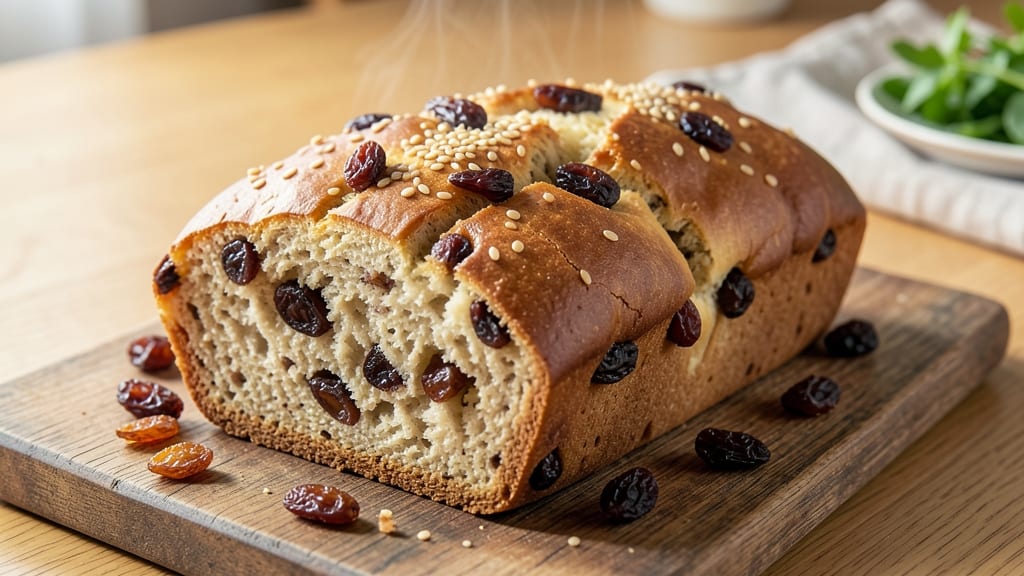
This Asian raisin bread recipe delivers the perfect balance of sweet, chewy texture and aromatic spices that make every slice irresistible. 🌟 Inspired by Malaysian and Filipino traditions, this loaf combines buttery dough with plump raisins and warm cardamom for a flavor profile that's both comforting and sophisticated.
The secret lies in proper dough development and proofing—key steps that transform simple ingredients into restaurant-quality bread.
What sets this recipe apart is its versatile texture: a tender crumb with a slightly crisp crust, achieved through precise kneading and baking techniques. Unlike quick breads, this version requires patience—allowing the dough to rise twice ensures maximum flavor and that signature chewy bite.
The raisins soak up the dough's natural sweetness while the spices infuse every bite with warmth.
Perfect for breakfast toast, afternoon tea, or as a sweet accompaniment to savory meals, this bread becomes the star of any table. The aroma alone will have everyone anticipating that first bite—sweet, spiced, and just slightly sticky.
Whether you're baking for a family gathering or treating yourself to a homemade indulgence, this recipe delivers results that taste like a bakery secret.
Ready in about 3 hours (including rising time), this bread is a weekend project worth the wait. The process is straightforward once you understand the key steps—dough preparation, proofing, shaping, and baking at the right temperature.
With just 10 simple ingredients, you'll create a loaf that's far more impressive than anything store-bought. Let's get started on making this crowd-pleasing classic!
Ingredients for asian raisin bread
Ten essential ingredients crafting a loaf with Malaysian-Filipino soul and bakery-quality chew.
| Ingredient | Amount | Notes |
|---|---|---|
| All-Purpose Flour 🌾 | 5 cups | Sifted for light texture |
| Granulated Sugar 🍚 | ½ cup | White or light brown preferred |
| Instant Yeast 🍞 | 2 ¼ tsp | Fresh yeast if available |
| Unsalted Butter 🧈 | ½ cup | Cold, cubed, high-fat content |
| Whole Milk 🥛 | ¾ cup | Room temperature preferred |
| Large Eggs 🥚 | 1 whole | Room temperature for even baking |
| Plump Raisins 🍇 | 1 ½ cups | Soaked in warm water for 15 mins |
| Ground Cardamom 🌿 | 1 ½ tsp | Freshly ground for maximum aroma |
| Fine Sea Salt 🧂 | 1 ½ tsp | Diamond Crystal preferred |
| Cornstarch 🌾 | 1 tbsp | For chewy texture and crisp crust |
The flour is your foundation—King Arthur or Gold Medal brands yield the best texture. Cardamom is non-negotiable; Penzeys Spices sells premium ground cardamom that elevates this bread beyond basic raisin loaves. Raisins should be plump, not shriveled—soak them in warm water with a splash of rum extract for extra depth. Butter matters too: Land O'Lakes or Plugrá brands with 82%+ fat content ensure that signature tender crumb. For the yeast, Fleischmann's active dry is reliable, but fresh yeast from a bakery adds complexity if you're ambitious.
No cardamom? Cinnamon at half the amount mimics warmth, though purists will notice the difference. Raisins too dry? Chopped dates or dried apricots work in a pinch. Substituting milk? Full-fat coconut milk mimics richness, but dairy delivers better texture. The cornstarch is crucial—Bob's Red Mill is my go-to for consistent results. For a gluten-free adaptation, King Arthur GF flour blend works, though texture will differ. Always let ingredients reach room temperature before mixing; cold butter creates tough dough.
Store the dough in an airtight container in the fridge for up to 24 hours before shaping—this enhances flavor. Baked loaves keep well at room temperature for 3 days, wrapped tightly in foil. For longer storage, freeze slices wrapped individually for up to 3 months. The crust stays crisp when reheated briefly in a 350°F oven for 5 minutes. This bread's magic lies in patience: never rush the proofing—that's when the chewy texture develops. The aroma alone makes the wait worthwhile.
Why You'll Love This Recipe
- No-Knead, No-Fuss: This bread comes together with just a bowl and a spoon—no stand mixer, no fancy tools. The yeast and warm milk do all the heavy lifting while you sip your coffee.
- Sweet But Not Cloying: That perfect balance of raisins soaked in warm milk and just enough sugar? It’s rich without being heavy, and the butter keeps every bite tender. Honestly, the first slice disappears faster than I can say "second cup of tea."
- Breakfast or Snack Star: Toast it for a quick breakfast, pack slices for lunch, or serve it warm with butter—it’s my go-to for lazy mornings or when I need something satisfying between meals. (Yes, even on a Tuesday night.)
- Budget Baking at Its Best: A single batch uses pantry staples and stretches for days—leftovers stay fresh for a week if you wrap them right. Between us, this is the kind of bread that makes grocery shopping feel like a win.
Step-by-step instructions for sweet-savory Asian raisin bread
Master the art of creating tender, chewy loaves with aromatic cardamom and plump raisins.
👨🍳 Step 1: Prepare the Raisins and Activate the Yeast
First, soak the 1.5 cups plump raisins in warm water for 15 minutes to plump them up. Drain well and pat dry with paper towels—this prevents dense pockets in your bread. In a small bowl, dissolve the 2.25 tsp instant yeast in the 0.75 cup room-temperature whole milk with 1 tablespoon granulated sugar (reserve the remaining 0.5 cup granulated sugar for later). Let this sit for 5-10 minutes until foamy—this confirms your yeast is active and ready to work.
Here's the thing—if your yeast doesn't foam, your bread won't rise properly. I've ruined loaves because I skipped this test. Always verify yeast activity before proceeding. The mixture should look like a frothy cappuccino, not flat like milk. If it doesn't bubble, start over with fresh yeast.
🍳 Step 2: Mix the Dough Base and Incorporate Wet Ingredients
In a stand mixer fitted with the dough hook, combine the 5 cups sifted all-purpose flour, 1.5 tsp ground cardamom, 1.5 tsp fine sea salt, and 1 tbsp cornstarch. Mix on low speed for 30 seconds to aerate the flour. In a separate bowl, whisk together the 0.5 cup cold cubed unsalted butter, 1 whole large egg, and the yeast-milk mixture until smooth.
With the mixer running on low, gradually pour in the wet ingredients while scraping down the sides of the bowl. Once combined, increase speed to medium and knead for 5-7 minutes until the dough becomes elastic and pulls away from the bowl. You'll know it's ready when it forms a smooth, windowpane-like sheet when stretched—this indicates proper gluten development for that signature chewy texture.
🥘 Step 3: Fold in Raisins and First Rise
Remove the dough from the mixer and turn it out onto a lightly floured surface. Gently press down to flatten, then fold in the drained raisins using your fingertips. This creates those beautiful swirls while distributing them evenly. Shape the dough into a rectangle about 12x8 inches, then roll it up tightly from the long side, pinching the seam to seal.
Place the sealed dough in a greased loaf pan (about 9x5 inches) and cover with a damp kitchen towel. Let it rise in a warm place for 1-1.5 hours until it doubles in size and puffs 1-2 inches above the pan. I like to place my oven light on for gentle warmth—this creates a consistent environment. Don't rush this step; proper rising develops that airy, open crumb structure.
🔥 Step 4: Shape and Second Rise
Turn the risen dough out onto a lightly floured surface and gently reshape it into a loaf form. The dough will be sticky—this is normal due to the milk and butter. Fold the sides inward to create a smooth, rounded top. Place the shaped loaf back in the greased pan, cover again, and let it rise for another 30-45 minutes until it expands slightly more and feels firm to the touch.
Here's where precision matters: the dough should spring back slowly when poked with a finger. If it springs back quickly, it needs more time. If it leaves a permanent indentation, it's overproofed. Preheat your oven to 375°F while the dough rises—this ensures it goes straight into a hot oven for even baking.
🔥 Step 5: Bake to Golden Perfection
Bake the loaf for 30-35 minutes until the top is deep golden brown and registers 190-200°F internally. The edges should pull away slightly from the pan, and you should hear a hollow sound when tapping the bottom. For extra browning, brush the top with 1 tablespoon milk after 20 minutes in the oven.
This is the moment that matters: remove the bread from the oven and let it cool in the pan for 10 minutes before transferring to a wire rack. The residual heat will finish cooking the center while preventing a gummy texture. Real talk: if you cut it too soon, you'll end up with a dense, sticky loaf instead of that perfect chewy crumb. Patience here makes all the difference.
Pro Tips For Making Asian Raisin Bread
- SOAK RAISINS OVERNIGHT: I learned this the hard way—dry raisins just won’t soften enough in the dough. Toss them in warm milk (about ½ cup) with a splash of sugar and let them sit 8+ hours. They’ll plump up like little clouds, and the bread’s sweetness will be even and rich, not just clustered where the raisins land.
- MEASURE FLOUR BY WEIGHT: Scooping flour straight from the bag packs in air, and your bread will turn out dense. Use a kitchen scale—1 cup of all-purpose flour is actually 125 grams, not the 160 grams you’d get by scooping. The difference? A light, airy crumb that doesn’t taste like a brick.
- DON’T SKIP THE SECOND RISE: After shaping the loaf, I used to pop it straight in the oven—big mistake. Let it rise another 30–45 minutes until it springs back slowly when poked. This step guarantees height and that signature Asian bread fluffiness. (Yes, even if you’re impatient like me.)
- USE COLD BUTTER FOR LAYERS: Softened butter blends fine, but cold butter creates those perfect, flaky layers. Cut the butter into small cubes, toss them in flour, and fold into the dough like you’re making puff pastry. The contrast in temperatures gives you that tender, melt-in-your-mouth texture.
Perfect pairings for asian raisin bread
Tea Pairings
This aromatic bread pairs beautifully with jasmine tea—its delicate floral notes complement the cardamom's warmth without overpowering the sweet raisins. I always steep Lipton Jasmine Green Tea for a refreshing contrast, especially when serving warm slices with butter.
For a bolder match, try Assam black tea—its malty depth stands up to the bread's richness. 🍵
Morning or afternoon tea calls for a lighter brew like Earl Grey, where the bergamot's citrus brightness cuts through the dough's buttery texture. For a festive touch, serve with chamomile tea—the floral undertones mirror the cardamom's aroma, creating a soothing harmony.
Always let the tea steep for 3-4 minutes to avoid bitterness that could clash with the bread's sweetness.
Butter Spreads
Nothing elevates this bread like salted brown butter—its nutty depth and caramelized notes create a flavor bomb when spread on warm slices.
I melt Land O'Lakes salted butter in a saucepan over medium heat until it turns golden brown (about 5 minutes), then brush it on freshly baked bread. For extra decadence, mix in 1 tsp honey and a pinch of flaky sea salt before serving. 🧈
For a lighter option, try whipped honey butter—whisk ½ cup softened butter with 2 tbsp honey and 1 tsp lemon juice until fluffy. This sweet-tangy spread highlights the raisins' natural sweetness while adding a silky texture.
Store any leftovers in an airtight container for up to 5 days in the refrigerator.
Savory Contrasts
This bread's sweetness makes it an unexpected but brilliant partner for smoked salmon—the salty, briny fish balances the cardamom's warmth perfectly. I serve thin slices of Nova lox on toasted bread with a smear of crème fraîche and a sprinkle of everything bagel seasoning.
The contrast is pure magic, especially for brunch. 🍣
For a heartier pairing, try it with sharp cheddar cheese and apple slices—the tangy cheese cuts through the bread's sweetness while the crisp apple adds freshness. This combo works especially well for afternoon snacks or light suppers. Always use sharp cheddar (like Cabot) for the best flavor impact.
Dessert Upgrades
Turn this bread into a dessert by toasting slices and topping with mascarpone cream—whisk ½ cup mascarpone with 1 tbsp powdered sugar and a splash of vanilla extract, then drizzle with dark chocolate sauce. The creamy texture contrasts beautifully with the bread's chewy crumb. 🍫
For a no-bake treat, layer slices with whipped cream, fresh berries, and a sprinkle of toasted coconut flakes. This dessert-style serving is perfect for summer gatherings when you want something light yet indulgent. The berries' acidity brightens the bread's richness, making every bite feel special.
Nutrition facts
Frequently asked questions
Why does this recipe use cardamom instead of cinnamon?
Cardamom gives this bread its signature aromatic depth found in Malaysian and Filipino traditions. While cinnamon adds warmth, cardamom's floral, slightly minty notes create a more complex flavor profile that pairs perfectly with the sweet raisins. For a similar effect, you can substitute with half the amount of cinnamon, but purists will notice the difference.
Can I make this bread without a stand mixer?
Knead the dough by hand for 8-10 minutes on a lightly floured surface until it becomes smooth and elastic. The key is to fold and press the dough repeatedly to develop the gluten properly. You'll know it's ready when it springs back slowly when poked. Just be prepared for slightly more arm work than with a mixer.
How do I know when the dough is properly risen?
The dough should double in size and puff 1-2 inches above the pan during the first rise. When you gently press your finger into the dough, it should leave a slow, partial indentation that doesn't spring back immediately. If it springs back quickly, it needs more time. Overproofing (when it doesn't spring back at all) will result in a dense loaf.
What if my raisins are too dry or wrinkled?
Soak them in warm water for 15-20 minutes before using, then drain well. For extra flavor, add 1 tsp rum extract or orange zest to the soaking water. If you're short on time, you can briefly microwave the raisins with 1 tbsp water for 20 seconds to plump them up, but soaking gives the best results.
Can I make this bread in a smaller loaf pan?
Yes, but expect a wider, shorter loaf. Use a 8x4-inch pan and reduce baking time by 5-7 minutes. The dough will spread more, so check for doneness at 28 minutes. For best results, stick to the 9x5-inch pan size in the recipe—it creates the ideal proportions for that signature chewy texture.