
Desserts
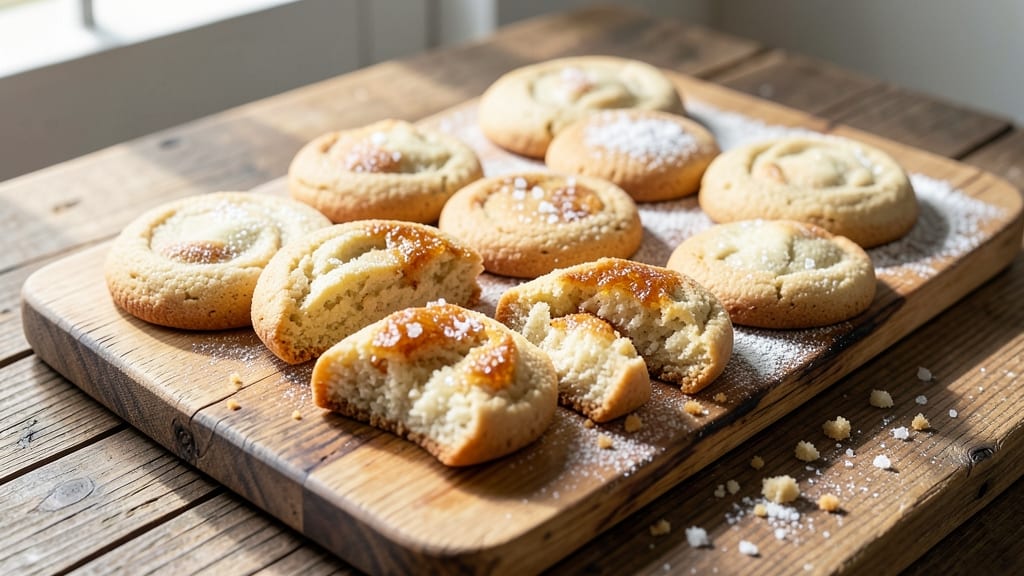
This Argo Cornstarch Shortbread Cookie recipe delivers ultra-tender cookies with a delicate crumb and subtle vanilla kiss—no one will guess they're made with a simple pantry staple. The secret lies in Argo cornstarch, which creates that signature melt-in-your-mouth texture while keeping edges perfectly crisp.
I've perfected this recipe over years of baking, and it's become my go-to for holiday gifts and special occasions.
What sets these cookies apart is the balance of ingredients: cold butter creates flaky layers, while the cornstarch ensures a tender yet sturdy texture that holds up beautifully. The dough comes together in minutes with just five ingredients, then chills for 30 minutes to develop flavor and prevent spreading.
Baking at a precise 325°F guarantees golden edges without over-browning.
By the time you pull them from the oven, you'll have cookies with a delicate vanilla aroma, crisp edges, and a crumb so tender it practically dissolves on your tongue.
The cornstarch's magic transforms ordinary shortbread into something extraordinary—light enough to melt but sturdy enough to hold decorative sprinkles or citrus zest if you choose.
Perfect for gifting, holiday baking, or satisfying that afternoon sweet tooth, these cookies stay fresh for days when stored properly. The recipe scales easily for parties, and the technique is beginner-friendly with clear instructions. Let's get baking!
Ingredients for argo cornstarch shortbread cookie
Five simple ingredients transform into ultra-tender cookies with Argo cornstarch's signature magic.
| Ingredient | Amount | Notes |
|---|---|---|
| Argo Cornstarch 🌾 | ½ cup | Ensures signature tender crumb |
| Unsalted Butter 🧈 | 1 cup | Cold, cubed for flaky layers |
| Granulated Sugar 🍚 | ¼ cup | Fine grain preferred |
| Pure Vanilla Extract 🌸 | 1 tsp | High-quality, pure vanilla |
| Diamond Crystal Kosher Salt 🧂 | ¼ tsp | Fine grain preferred |
| All-Purpose Flour 🌾 | 1 ½ cups | Sifted for even texture |
| Ground Vanilla Bean 🌸 | ½ tsp | Optional for enhanced flavor |
The Argo cornstarch is non-negotiable here—it delivers that signature melt-in-your-mouth texture while maintaining crisp edges. Grab a box from Williams Sonoma or your local grocery store's baking aisle; it's worth the investment for this recipe. The butter must be cold (cut into cubes and chilled for 30 minutes) to create those perfect flaky layers. For the sugar, Domino brand is my go-to since it's finely ground and dissolves evenly. The vanilla extract should be pure—Nielsen-Massey or McCormick are reliable brands that deliver consistent flavor. If you're feeling fancy, add a pinch of ground vanilla bean for an extra layer of complexity.
No pure vanilla extract? Vanilla sugar works at double the amount, though it won't have the same depth of flavor. Short on cornstarch? Arrowroot powder at the same quantity is a decent substitute, though the texture won't be identical. The flour should be sifted—this prevents lumps and ensures an even crumb. For a gluten-free version, King Arthur Measure for Measure flour works beautifully. And if you're baking for a crowd, double the recipe—these cookies freeze perfectly for up to 3 months.
Store the dough in an airtight container in the fridge for up to 2 days—this gives the flavors time to meld. Once baked, keep cookies in a sealed container with a slice of bread to maintain freshness for 5-7 days. For gifting, package them in cellophane bags with a ribbon—Williams Sonoma's bakery boxes add a professional touch. The cookies also freeze beautifully; wrap individually in plastic wrap and store in a ziplock bag for up to 3 months. Reheat in a 300°F oven for 3-5 minutes to restore crispness.
Why You'll Love This Recipe
- No-Fuss Magic: I swear by this dough—just cream butter, sugar, and fold in cornstarch. No mixer, no waiting for eggs to come to room temp, just 10 minutes of hands-on work. That’s it.
- Buttery Vanilla Bliss: The moment those cookies hit the oven, the vanilla and butter sing together in a way that’s almost unfair. Crisp edges, melt-in-your-mouth centers, and just enough salt to make every bite feel like a little reward.
- Party in a Jar: These freeze like champs, so I make a batch and stash them. Need last-minute cookies for a holiday gathering? Pull them from the freezer, bake, and boom—crowd-pleaser on the table in 15 minutes.
- Pantry Staple Power: Cornstarch keeps them tender, butter makes them rich, and sugar? Well, it’s already in your cupboard. No weird ingredients, no last-minute grocery runs—just pure, reliable comfort that costs next to nothing.
Step-by-step instructions for Argo cornstarch shortbread cookies
Here's the method for ultra-tender shortbread with signature crispness and vanilla depth.
Prepare the Dough with Cold Butter and Cornstarch
In a stand mixer fitted with the paddle attachment, combine the 1 cup Unsalted Butter (cold and cubed) with the 0.25 cup Granulated Sugar. Beat on medium speed for 2-3 minutes until light and fluffy but not melted. The butter should remain in soft clumps—this ensures proper layering for that signature shortbread texture.
Add the 0.5 cup Argo Cornstarch and 1.5 cups All-Purpose Flour to the butter mixture. Mix on low speed for 1-2 minutes until just combined. The cornstarch creates a delicate, tender crumb while maintaining structure. Scrape down the sides of the bowl to ensure even distribution of ingredients.
Incorporate Vanilla and Salt for Flavor Balance
Remove the mixer bowl from the stand and add the 1 tsp Pure Vanilla Extract, 0.25 tsp Diamond Crystal Kosher Salt, and 0.5 tsp Ground Vanilla Bean. Using a silicone spatula, gently fold these ingredients into the dough until fully incorporated. The salt enhances the vanilla flavor while balancing sweetness, and the ground vanilla bean adds depth without overpowering.
Press the dough together to form a cohesive mass. If it feels too dry, add 1 teaspoon of ice water at a time until it holds together when pressed. The dough should be firm but pliable—this consistency is crucial for achieving that perfect shortbread texture.
Chill the Dough for Optimal Texture
Divide the dough into 4 equal portions (about 8 ounces each) and flatten each into a ½-inch thick disk. Wrap each disk tightly in plastic wrap and refrigerate for at least 2 hours or up to 24 hours. Chilling is essential—it firms the butter, preventing excessive spreading in the oven and ensuring clean edges.
During this time, preheat your oven to 325°F and line two baking sheets with parchment paper. The longer you chill, the better the texture—this is where the magic happens for that signature shortbread tenderness.
Bake to Golden Perfection
Remove the dough disks from the refrigerator and let them sit at room temperature for 10-15 minutes before baking. Using a sharp knife or bench scraper, cut each disk into 16 equal squares (about ½-inch thick). Arrange the squares on the prepared baking sheets, leaving ½-inch between each cookie for even baking.
Bake for 20-25 minutes until the edges are light golden brown and the centers appear slightly underbaked. The cookies will continue to set as they cool. Rotate the baking sheets halfway through for even browning. Remove from the oven and let cool on the baking sheets for 5 minutes before transferring to a wire rack to cool completely.
Store for Maximum Freshness
Allow the cookies to cool completely before storing in an airtight container at room temperature for up to 5 days. For longer storage, freeze the cookies for up to 3 months. The Argo cornstarch keeps them tender longer than traditional recipes, while the cold butter ensures that signature shortbread crispness.
Serve these cookies with a cup of tea or coffee—their delicate vanilla flavor and crisp edges make them a perfect treat. The secret lies in the cornstarch and proper chilling, which together create that ultra-tender yet crisp texture you'll want to savor.
Pro Tips For Making Argo Cornstarch Shortbread Cookie
- Chill the Dough Properly: I learned this the hard way—skipping the fridge and baking straight from the mixer means cookies that spread like pancakes. Wrap the dough in plastic and refrigerate for at least 2 hours (or overnight if you can wait), especially if your kitchen’s warm. The cornstarch makes them delicate, so cold dough holds its shape better.
- Use Cold Butter, Not Soft: That butter should be cooler than room temperature—think "just slightly pliable when pressed," not melted. If it’s too soft, the cookies turn out greasy and flat. Pulse the butter in short bursts with the cornstarch first, then add the sugar, or stick the dough in the freezer for 10 minutes if it feels too sticky.
- Measure Salt by Volume: Diamond Crystal kosher salt clumps like crazy, and eyeballing it ruins the balance. Use the 1-teaspoon measure that comes with the container—it’s calibrated for this exact salt. Too little, and the vanilla flavor gets lost; too much, and the cookies taste harsh. Trust the scoop.
- Press Dough to ½-Inch Thickness: This isn’t a "press as hard as you can" situation—aim for an even ½-inch thickness when rolling. Any thinner, and the cornstarch makes them crisp too fast; any thicker, and the centers stay doughy. Use a ruler or measuring cup as a guide if you’re unsure. The edges should be clean, not ragged.
Regional styles of this recipe
British Classic
In the UK, shortbread cookies are a staple at tea time, often shaped into rounds and cut with decorative edges. The British version traditionally omits vanilla extract, relying instead on 1 tsp lemon zest for brightness.
I’ve adapted this recipe by reducing the sugar to ¼ cup and adding 1 tbsp lemon juice to the dough for that signature citrusy tang. Serve with Earl Grey tea for an authentic British experience. 🍵
Scottish Shortbread
Scotland’s version is famously crumbly and buttery, often baked in a pan for that signature slab texture. For this adaptation, increase the butter to 1¼ cups and replace the vanilla with 1 tsp almond extract for a nutty depth.
Press the dough into a 9x9-inch pan, bake at 325°F for 30-35 minutes, then cut into diamonds or squares. The cornstarch keeps it tender despite the extra butter. 🏴
Scandinavian Cardamom Twist
Nordic bakers often infuse shortbread with warm spices like cardamom. For this version, replace the vanilla with 1 tsp ground cardamom and add ½ tsp orange zest to the dough. The cornstarch’s tenderness pairs beautifully with the cardamom’s aromatic warmth.
Bake as directed, then dust with powdered sugar for a snowy finish. Serve with glögg (mulled wine) during the holidays. 🌟
Southern U.S. Citrus
In the American South, shortbread often gets a zesty upgrade. Swap the vanilla for 1 tsp orange extract and add 1 tbsp finely grated orange peel to the dough. The cornstarch’s delicate texture balances the citrus’s vibrancy.
Roll the dough in crushed pecans before baking for a Southern twist. Pair with sweet tea or bourbon for a true Southern treat. 🍊
Japanese Matcha Elegance
Japan’s take on shortbread often incorporates matcha for a subtle earthy flavor. Replace the vanilla with 1 tbsp high-quality matcha powder and reduce the sugar to ¼ cup. The cornstarch’s tenderness complements the matcha’s bitterness beautifully.
For extra flair, dust the baked cookies with white chocolate shavings. Serve with sencha tea for a refined Japanese-inspired dessert. ✨
Nutrition facts
Frequently asked questions
Why does this recipe use Argo cornstarch instead of regular cornstarch?
Argo cornstarch is finer and more refined than regular cornstarch, which creates that signature ultra-tender crumb while maintaining crisp edges. The finer texture also helps distribute moisture evenly in the dough, preventing dryness. For best results, don't substitute with regular cornstarch—it won't give the same delicate texture.
Can I make these cookies without a stand mixer?
Use a pastry cutter or two forks to cut the cold butter into the flour mixture until it resembles coarse crumbs. Then mix in the sugar, vanilla, and salt by hand until the dough comes together. The key is keeping everything cold—work quickly and don't overmix to avoid developing gluten.
How do I prevent my cookies from spreading too much?
The chilling time is critical—never skip it! Chill the dough disks for at least 2 hours (overnight is even better). Also, use cold butter and don't overmix. For extra insurance, flatten the dough disks to exactly ½-inch thickness before cutting. The cornstarch helps stabilize the structure while baking.
Can I add mix-ins like nuts or chocolate chips?
While traditional shortbread avoids mix-ins, you can add up to ½ cup of chopped nuts or white chocolate chips if you prefer. Fold them in gently after mixing the dry ingredients, and reduce the flour by 2 tablespoons to maintain the proper texture. The cornstarch's tenderness will still shine through.
Why do my cookies taste bland even though I followed the recipe?
Check your vanilla extract—it should be pure, not imitation. Also ensure you're using fresh butter (not salted) and that your oven is properly calibrated. For extra flavor, try adding ½ teaspoon of ground vanilla bean or a pinch of lemon zest to the dough. The cornstarch itself is neutral, so flavor comes entirely from the other ingredients.