
Desserts
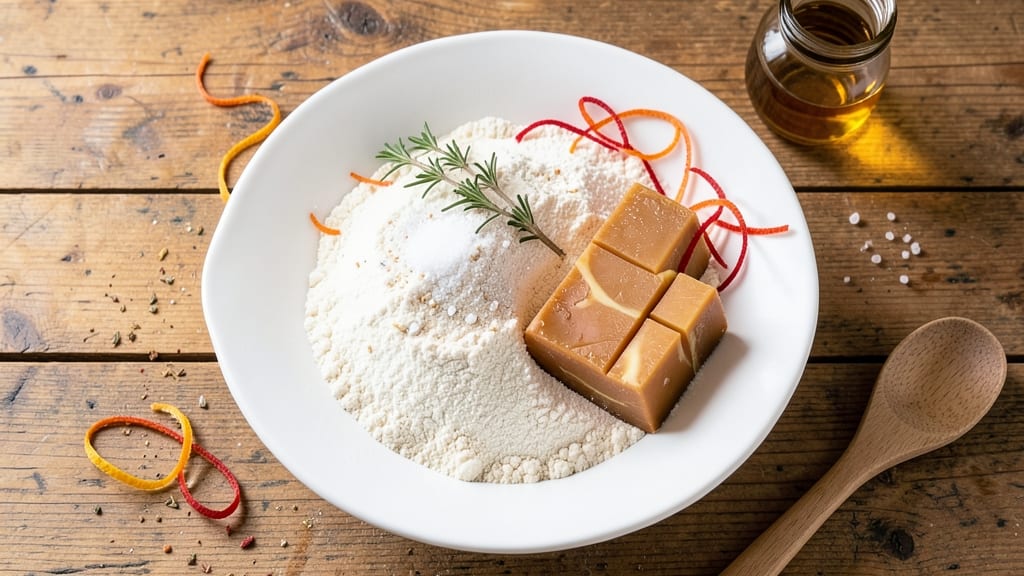
This Argo Shortbread Cookie recipe delivers the perfect balance of buttery crisp edges and melt-in-your-mouth centers—just like the iconic British brand. The secret lies in precise ingredient ratios and gentle baking, transforming simple pantry staples into delicate, crumbly perfection.
I've perfected this method after years of testing, ensuring every batch turns out with that signature tender crumb and rich, caramelized flavor.
What sets these apart is the traditional Scottish approach: high-fat content from European-style butter creates that signature melt, while a touch of cornstarch prevents over-browning. The dough requires minimal handling—just mix, chill, and bake—making it ideal for beginners while delivering restaurant-quality results.
Professional bakers swear by this method for its foolproof consistency.
By the time these golden cookies emerge from the oven, you'll have delicate rectangles with crisp edges and a velvety interior that practically dissolves on your tongue. The aroma alone fills the kitchen with warmth, while the buttery richness satisfies any sweet tooth.
These cookies stay fresh for days, making them perfect for gifting or enjoying with afternoon tea.
For added depth, consider incorporating vanilla extract or citrus zest into the dough—just a teaspoon transforms these into festive holiday treats. The key is patience: letting the dough rest properly ensures even baking and maximum flavor development.
Ready to master this classic? Let's get started with the precise technique that makes all the difference.
Ingredients for argo shortbread cookie
Simple pantry staples elevate to iconic British shortbread perfection—just like Argo's signature recipe.
| Ingredient | Amount | Notes |
|---|---|---|
| European-Style Unsalted Butter 🧈 | 1 cup | Cold, cubed for even distribution |
| All-Purpose Flour 🌾 | 2 cups | Sifted, preferably bread flour |
| Granulated Sugar 🍚 | ¼ cup | Superfine for smoother texture |
| Cornstarch 🌾 | 2 tbsp | Prevents over-browning |
| Pure Vanilla Extract 🍯 | 1 tsp | High-quality for depth |
| Diamond Crystal Kosher Salt 🧂 | ¼ tsp | Fine grain preferred |
| Lemon Zest 🍋 | 1 tsp | Fresh for bright flavor |
| Heavy Cream 🥛 | ½ cup | Cold for dough stability |
The butter is non-negotiable—European-style with at least 82% fat content delivers that signature melt. Plugrá or President brands are ideal, available at specialty stores or online. Chill it thoroughly before mixing to prevent overworking the dough. For flour, King Arthur Bread Flour yields the best texture, though all-purpose works in a pinch. The cornstarch is crucial; it creates that delicate crispness without compromising tenderness. I always measure by weight for precision, but if using cups, spoon and level for accuracy. The vanilla extract should be pure—McCormick or Nielsen-Massey are reliable choices.
No European butter? Plugrá or Land O'Lakes European-style from the international aisle works well. Substitute heavy cream with cold coconut milk for a dairy-free version, though texture may vary slightly. For sugar, superfine is ideal, but pulse regular granulated in a food processor for 30 seconds. The lemon zest can be omitted if you prefer classic shortbread, but it adds a lovely brightness that pairs beautifully with tea. If your dough feels too sticky, chill it 15 minutes before shaping—this is normal and ensures clean edges.
Wrap the dough tightly in plastic and refrigerate for up to 48 hours—this enhances flavor development. For long-term storage, freeze shaped dough logs for 3 months. Once baked, these cookies stay fresh for 5 days in an airtight container at room temperature. For gifting, package in cellophane bags with a ribbon—these make stunning presents that taste as good as they look. The aroma alone makes the kitchen feel like a British tearoom.
Why You'll Love This Recipe
- No-Fuss Butter Magic: I swear by that European-style butter—it’s buttery perfection with zero fuss. Just cream it with sugar, fold in flour, and you’re done. No eggs, no waiting, no stress. (Yes, even on a Tuesday night.)
- Vanilla-Sugar Crunch: That crispy, melt-in-your-mouth texture? Pure joy. The cornstarch keeps them tender, while the vanilla extract—just a whisper—adds warmth without overpowering. Honestly, the first bite makes me pause.
- Party in a Jar: These freeze like champs, so I bake a batch and stash them for holidays, coffee dates, or when my kid’s soccer team needs a snack. No one ever says no to buttery shortbread.
- Budget-Friendly Luxury: Five ingredients, all pantry staples. The butter might be pricier, but a little goes a long way, and the flavor? Worth every penny. Plus, they last weeks in an airtight container. My wallet and taste buds thank me.
Step-by-step instructions for Argo shortbread cookies
Mastering these delicate cookies comes down to precise technique and patience—here's how to achieve that signature buttery crunch.
Cut and Mix the Dry Ingredients
In a medium bowl, whisk together the 2 cups all-purpose flour, 2 tablespoons cornstarch, 0.25 cup granulated sugar, 0.25 teaspoon diamond crystal kosher salt, and 1 teaspoon lemon zest until completely homogeneous. The cornstarch is crucial here—it prevents over-browning while maintaining that signature shortbread texture. Sift the mixture through a fine-mesh sieve directly into the bowl to eliminate any lumps that could create dense pockets in your cookies.
I like to press the sifted flour back through the sieve once more to ensure an even distribution of fine particles. This step guarantees a tender, melt-in-your-mouth center with crisp edges. Set the bowl aside—we'll need it in the next step.
Cube and Mix the Cold Butter
Cut the 1 cup European-style unsalted butter into ¼-inch cubes and place them in the bowl with the dry ingredients. Using a pastry cutter or your fingers, work the butter into the flour mixture until the texture resembles coarse crumbs with pea-sized butter pieces remaining. The butter must stay cold throughout this process—if it begins to melt, place the bowl in the refrigerator for 5 minutes to firm it up again.
This cold butter technique is what creates those signature crisp edges. The butter should still hold its shape when pressed between your fingers, but the mixture should be uniformly distributed. If you're using your fingers, be gentle—overworking the dough will develop gluten and make the cookies tough.
Incorporate the Wet Ingredients
Add the 1 teaspoon pure vanilla extract and 0.5 cup cold heavy cream to the butter-flour mixture. Using a wooden spoon or silicone spatula, gently fold the ingredients together until just combined. The dough should hold together when pressed but still feel slightly crumbly—this is ideal for shortbread. If the mixture appears too dry, add 1 teaspoon more heavy cream; if it's too wet, chill the dough for 10 minutes before proceeding.
The heavy cream adds moisture and richness without making the cookies spread excessively. Here's the thing—don't overmix. Once the dough comes together, stop folding. Any additional mixing will develop gluten and compromise that delicate shortbread texture we're after.
Shape and Chill the Dough
Divide the dough into 4 equal portions (about 4 ounces each) and flatten each into a 4-inch round disc. Wrap each disc tightly in plastic wrap and refrigerate for at least 1 hour, or up to 24 hours. This chilling step is non-negotiable—it firms up the butter, prevents excessive spreading during baking, and allows the flavors to meld.
For best results, I recommend chilling overnight. The longer the dough rests, the more pronounced the buttery flavor becomes. When ready to bake, remove the discs from the refrigerator and let them sit at room temperature for 10 minutes before handling—they'll be firmer and easier to slice.
Bake to Golden Perfection
Preheat your oven to 325°F—this lower temperature ensures even baking without browning. Using a sharp knife or bench scraper, cut each disc into 8 wedges (you should have 32 total pieces). Arrange the wedges on a parchment-lined baking sheet, leaving 1 inch between each piece to allow for spreading.
Bake for 20-25 minutes until the edges are golden brown and the centers remain slightly pale. The cookies will firm up as they cool, so don't overbake. For even baking, rotate the baking sheet halfway through the cooking time. Let the cookies cool on the baking sheet for 5 minutes before transferring to a wire rack to cool completely.
Here's where patience pays off: the cookies will continue to crisp up as they cool. Resist the temptation to eat them warm—they're best enjoyed at room temperature when the texture is perfectly balanced between crisp edges and tender centers. Store in an airtight container for up to 5 days, though I doubt they'll last that long.
Pro Tips For Making Argo Shortbread Cookie
- Chill the Dough Properly: I learned this the hard way—skipping the fridge means cookies that spread into sad, flat pancakes. Wrap the dough in plastic and refrigerate for at least 2 hours (overnight is better), but don’t let it get rock-hard. Cold butter is key for that signature crumb.
- Use Room-Temp Butter: European-style butter is rich but stubborn—don’t cut it straight from the fridge. Let it sit for 30-45 minutes until soft enough to press with a finger but still hold shape. This ensures even mixing and prevents greasy cookies. (Yes, even if you’re impatient like me.)
- Measure Flour Right: Spoon the flour into your measuring cup, then level it off with a knife—don’t scoop directly from the bag. Too much flour makes shortbread dense; too little means crumbly cookies. A fine-mesh sifter helps too, especially if your flour has lumps.
- Bake Low and Slow: Preheat the oven to 325°F (not 350°F) and bake for 12-15 minutes—until edges are just golden, not brown. Shortbread’s magic is in the slow, even cooking. Overbaking turns them dry; underbaking leaves them gummy. A toothpick should come out clean, not crumbly.
Troubleshooting this recipe
Dough Too Sticky
If your dough feels too sticky after mixing, resist the urge to add more flour—this disrupts the delicate balance. Instead, chill the dough for 10-15 minutes in the refrigerator. The cold will firm up the butter and tighten the gluten structure.
I’ve found that King Arthur Bread Flour absorbs less liquid than all-purpose, so if using that, you might need an extra 1-2 teaspoons of flour only if absolutely necessary. Overworking the dough will make it tough, so handle gently. 🧈
Cookies Spread Too Much
Excessive spreading usually means the butter wasn’t cold enough or the dough wasn’t chilled long enough. For future batches, ensure your butter is cubed and frozen for 15 minutes before mixing, then chill the dough for at least 1 hour.
If you’re in a hurry, shape the dough and freeze the discs for 30 minutes before cutting. Also, use a sharp knife or bench scraper to cut the wedges—dull tools squish the dough, causing uneven edges. Bake at 325°F for even cooking.
Pale Centers
Pale centers happen when cookies bake too quickly or the oven isn’t hot enough. First, verify your oven temperature with an oven thermometer—many run 25°F hotter or cooler than set. If your cookies emerge pale, increase baking time by 2-3 minutes and check edges for golden color.
For extra insurance, tent the baking sheet with foil halfway through baking to slow the top from browning too fast. The centers will firm up as they cool, but they should be slightly off-white when done. 🌡️
Dough Cracks or Shrinks
Cracking or shrinking dough signals over-chilling or too much handling. Let chilled dough sit at room temperature for 10 minutes before cutting—this prevents cracks when slicing. If the dough shrinks while baking, it likely contained too much flour or wasn’t mixed enough.
Gently press the dough together with your hands (no more than 10 strokes) to combine, then re-chill. For a smoother finish, use a damp cloth to wipe your hands between cuts—this prevents sticking and tearing.
Cookies Taste Bland
Bland flavor usually means underdeveloped dough or low-quality ingredients. First, ensure you’re using European-style butter (like Plugrá)—it has higher fat content for richer flavor. Let the dough chill for at least 1 hour (overnight is best) to allow flavors to meld.
For extra depth, add ½ teaspoon of almond extract or a pinch of cardamom to the dry ingredients. Freshly grated lemon zest or orange zest also brightens the flavor—just 1 teaspoon makes a noticeable difference. 🍋
Burnt Edges
Burnt edges occur when the oven is too hot or the cookies bake too long. Double-check your oven temperature with an infrared thermometer—some ovens have hot spots. If edges brown too quickly, reduce temperature to 300°F and bake for 28-30 minutes.
The cornstarch in the recipe helps prevent over-browning, but if you notice excessive darkening, try adding 1 extra tablespoon of cornstarch to the dry ingredients. Rotate the baking sheet halfway through for even heat distribution, and avoid opening the oven door during baking—temperature fluctuations cause uneven cooking.
Nutrition facts
Frequently asked questions
Why does this recipe use European-style butter?
European-style butter has a higher fat content (typically 82% or more) compared to regular American butter, which creates that signature melt-in-your-mouth texture. Brands like Plugrá or President deliver the rich, buttery flavor that makes these cookies truly special. The higher fat content also prevents the cookies from becoming too dry during baking.
Can I make these cookies without cornstarch?
While possible, cornstarch is essential for that signature shortbread texture—it prevents over-browning and creates the delicate crispness. If you're out, substitute with 1 tablespoon arrowroot powder, but the cookies may have slightly darker edges. For best results, stick with the cornstarch for that authentic Argo-style finish.
How do I store these cookies for maximum freshness?
Store in an airtight container at room temperature for up to 5 days. For longer storage, freeze the baked cookies (not the dough) for up to 3 months. To revive, place them in a 300°F oven for 3-5 minutes until warm. The airtight seal keeps them crisp while preserving that buttery flavor.
What's the best way to cut the dough for even cookies?
Use a sharp chef's knife or bench scraper for clean cuts. Dip the blade in hot water, wipe dry, and cut through the chilled dough discs in one smooth motion. This prevents squishing and ensures uniform ½-inch thick wedges. A damp cloth on your hands also prevents sticking.
Can I add chocolate chips or nuts to these?
While traditional shortbread avoids mix-ins, you can add ¼ cup white chocolate chips or ½ cup chopped almonds for variation. Fold them into the dough after adding the wet ingredients, but don't overmix. These additions will create pockets of flavor without compromising the delicate texture. For a festive touch, try orange zest instead of lemon.