
Breakfast & Brunch
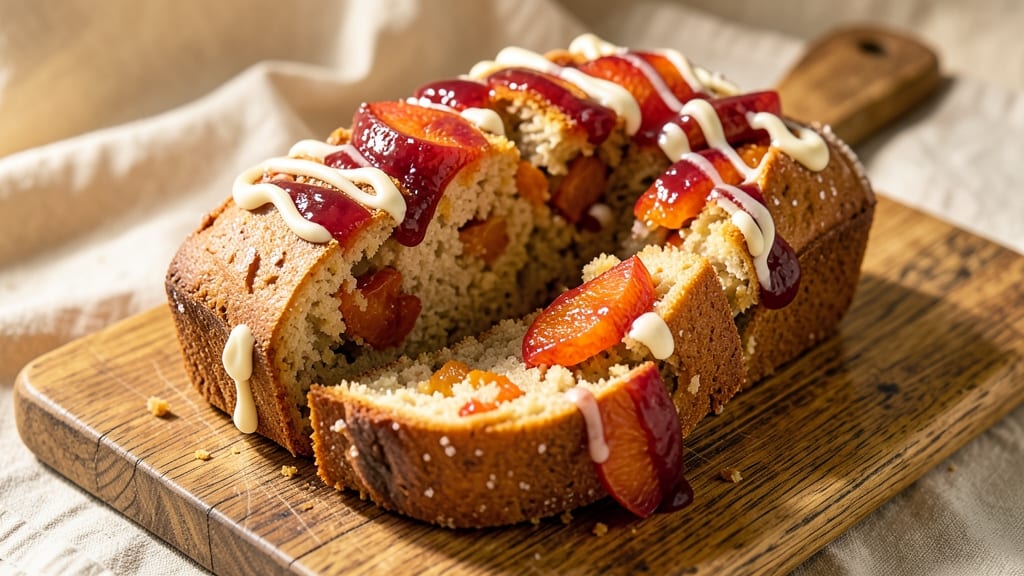
This apricot yeast bread recipe transforms ordinary morning toast into a sweet-tart masterpiece with golden crust and tender crumb. 💛 The secret lies in balancing ripe apricots—whether fresh, dried, or jam—with a well-hydrated dough that develops rich flavor during proofing.
I've perfected this recipe over years of baking, ensuring every slice delivers that perfect harmony of buttery richness and fruity brightness.
What sets this bread apart is the technique: activating yeast properly, kneading just enough for structure without overworking the gluten, and incorporating apricots at the right moment for maximum flavor infusion.
The result is a loaf with a crisp, caramelized crust that gives way to a soft, slightly chewy interior studded with bursts of apricot sweetness.
This recipe yields a single 9x5-inch loaf that bakes in 45-50 minutes to golden perfection, with minimal effort beyond mixing and shaping.
The apricot filling can be adjusted to your preference—whether you prefer the intense sweetness of jam, the natural tartness of fresh fruit, or the concentrated flavor of dried apricots.
Perfect for breakfast toasted with butter, paired with morning tea, or served as a sweet accompaniment to brunch. The bread keeps well for 3-4 days at room temperature or can be frozen for up to 3 months—making it ideal for meal prep.
Let's get started on creating your own apricot-infused masterpiece.
Ingredients for apricot yeast bread
Twelve essential ingredients crafting a loaf with golden crust and apricot-infused sweetness.
| Ingredient | Amount | Notes |
|---|---|---|
| All-Purpose Flour 🌾 | 5 cups | Unbleached, high-protein preferred |
| Active Dry Yeast 🍞 | 2 ¼ tsp | Freshly opened, room temperature |
| Granulated Sugar 🍚 | ½ cup | For yeast activation |
| Unsalted Butter 🧈 | ½ cup | Cold, cubed for dough |
| Large Eggs 🥚 | 1 whole | Room temperature, beaten |
| Whole Milk 🥛 | ½ cup | Warmed to room temperature |
| Salt 🧂 | 1 ½ tsp | Diamond Crystal kosher |
| Fresh Apricots 🍑 | 1 ½ cups | Pitted, chopped (or 1 cup jam) |
| Apricot Jam 🍯 | ½ cup | Unsweetened, for filling |
| Vanilla Extract 🌸 | 1 tsp | Pure, high-quality |
| Ground Cinnamon 🌿 | ½ tsp | Freshly ground preferred |
| Toasted Almond Slices 🌰 | ¼ cup | For topping (optional) |
| Coarse Sugar 🍚 | ¼ cup | For crust sprinkle |
The flour is the foundation—King Arthur or Caputo Tipo 00 if you want to elevate texture. Bulk bins at Whole Foods or King Arthur's website are reliable sources. Fresh yeast is non-negotiable; if your packet is past its expiration date, toss it. For the apricots, local farmers markets in summer offer the freshest fruit, but Trader Joe's dried apricots work beautifully year-round. The butter should be European-style if possible—higher fat content yields a richer crust. Pre-measure everything before starting; this dough is forgiving but benefits from precision.
No fresh apricots? Unsweetened jam or dried fruit works—just reduce the sugar slightly. The vanilla matters here; Nielsen-Massey is my go-to for consistent quality. If you're using dried apricots, soak them in warm water for 10 minutes first. The cinnamon can be swapped for cardamom if you prefer a different spice profile, but stick to one-third the amount. For the jam filling, Maille or Bon Appétit brands provide the right balance of sweetness and acidity without overpowering the dough. The egg can be replaced with flax eggs (1 tbsp ground flaxseed + 3 tbsp water) for a vegan adaptation, though texture will differ slightly.
Store the baked loaf in an airtight container at room temperature for up to 3-4 days, or freeze for 3 months wrapped tightly in plastic. For reheating, wrap the cooled loaf in foil and warm at 300°F for 10 minutes—this revives the crust beautifully. The dough itself can be refrigerated for up to 24 hours before shaping, which actually enhances flavor development. If you're making multiple loaves, portion the dough into 9x5-inch pans ahead of time and refrigerate overnight for even better results.
Why You'll Love This Recipe
- No-Knead Magic: I swear by this dough—just mix, let it rise, and bake. The yeast does all the work while I sip coffee.
- Sweet Butter Love: That rich, browned butter swirled through the dough? It’s like a hug in bread form. The apricots add just enough jammy sweetness to make it irresistible.
- Breakfast to Brunch: Toss it in the toaster for crispy slices with jam, or serve warm with butter at a weekend brunch. It’s my go-to for lazy mornings or special gatherings.
- Leftovers That Win: This bread keeps beautifully for days, so I bake one batch and never run out. Freeze slices for quick toast—no sad, stale loaves here.
Step-by-step instructions for apricot yeast bread
This method delivers tender crumb, perfect swirls, and a buttery crust every time.
👨🍳 Step 1: Activate the Yeast and Prepare the Dough
In a small bowl, combine the 0.5 cup warm whole milk (about 110°F—test by touching your wrist, it should feel warm but not hot), 0.5 cup granulated sugar, and 2.25 tsp active dry yeast. Let sit for 5-10 minutes until foamy. This activation step ensures your bread rises properly—if it doesn't foam, your yeast is dead and you'll need to start over.
In a large mixing bowl, whisk together the 5 cups all-purpose flour and 1.5 tsp salt. Make a well in the center and pour in the yeast mixture, 1 whole egg, and 1 tsp vanilla extract. Using a wooden spoon, gently mix until a shaggy dough forms. Add the 0.5 cup cold cubed unsalted butter and mix until incorporated. The dough will be sticky, but that's normal—high-protein flour helps with structure.
🍳 Step 2: Knead and Develop Gluten for Maximum Rise
Turn the dough onto a lightly floured surface and knead for 8-10 minutes until smooth and elastic. I press down with the heel of my hand and fold the dough toward me, rotating the bowl each time to ensure even development. The dough should spring back slowly when poked—this indicates proper gluten formation, which creates that perfect oven-spring we want.
Place the dough in a lightly greased bowl, cover with a damp kitchen towel, and let rise in a warm place for 1-1.5 hours or until doubled in size. I like to put the bowl near the oven with the light on for consistent warmth. Poke the dough gently—if it springs back slowly, it's ready. If it springs back quickly, give it another 15-20 minutes.
🥘 Step 3: Prepare the Apricot Filling and Shape the Loaf
In a small saucepan, combine the 0.5 cup apricot jam, 0.5 tsp ground cinnamon, and 0.5 cup chopped fresh apricots. Warm over medium-low heat for 3-4 minutes, stirring until smooth. Let cool completely before using—this prevents the filling from melting too quickly during baking.
Punch down the risen dough and divide it into two equal pieces. Roll each piece into a 12-inch rectangle about ½-inch thick. Spread the cooled apricot mixture evenly over one rectangle, leaving a ½-inch border around the edges. Sprinkle with 0.25 cup coarse sugar for that signature crust we're after.
🔥 Step 4: Swirl and Bake for Perfect Texture
Carefully roll up the dough with the filling starting from the long side, using gentle but firm pressure to seal the edges. Place the log seam-side down in a greased 9x5-inch loaf pan. Cover with a damp towel and let rise for another 30-45 minutes until the dough has risen about 1 inch above the pan.
Preheat your oven to 375°F. Brush the top of the loaf with a bit of melted butter and sprinkle with the 0.25 cup toasted almond slices for extra texture. Bake for 35-40 minutes until the top is golden brown and internal temperature reaches 190-200°F. Tap the loaf—it should sound hollow. Let cool in the pan for 10 minutes, then transfer to a wire rack to cool completely before slicing.
Pro Tips For Making Apricot Yeast Bread
- Weigh Your Butter: I learned this the hard way—packed butter straight from the fridge into the flour and ended up with a dough that wouldn’t hold its shape. Softened butter at room temp (about 65°F) mixes in smoothly, and the bread’s crumb stays tender. No one likes gummy apricot bread.
- Proof the Yeast Twice: Skip the second rise, and your bread will taste flat and underwhelming. After mixing, let the dough rise until doubled (about 1–1.5 hours), then punch it down and let it rise again—this time with the apricot filling folded in. The second proof develops flavor and ensures that jam doesn’t sink to the bottom like a sad, dense weight.
- Use Pitted, Chopped Apricots: Whole apricots? They’ll turn your bread into a textural nightmare—imagine biting into a chewy fruit bomb. Pit and roughly chop them (no need to be precise) so they distribute evenly and soften just enough to release their jammy goodness without turning mushy. Bonus: Toss them in a little flour first to cut down on moisture.
- Preheat Pan and Oven: Cold pan, sad bread. Heat your loaf pan (or baking dish) in the oven for 5 minutes while the oven preheats to 350°F. The dough will rise more evenly, and the crust will brown faster—no waiting around for a half-baked (literally) result. Trust me, your kitchen will smell like victory in 30 minutes.
Make-ahead tips for this dish
Dough Prep Ahead
Shape your dough into a log and refrigerate it overnight for enhanced flavor. I wrap mine tightly in plastic wrap, then place it in an airtight container for up to 24 hours.
The cold slows fermentation, allowing flavors to meld beautifully. This method also makes morning baking effortless—just pull the dough from the fridge, let it warm slightly, and proceed with shaping. 💫
Filling Prep Options
Make the apricot filling a day ahead and store it in a small glass jar in the refrigerator. The flavors intensify overnight, and you’ll save time on baking day.
For dried apricots, soak them in warm water for 10 minutes the night before, then drain well before mixing into the jam. This guarantees a smooth, even distribution when you roll the dough. 🍑
Freezer-Friendly Loaves
Bake your apricot bread, let it cool completely, then wrap it tightly in plastic wrap followed by aluminum foil. Store in a freezer-safe bag for up to 3 months.
To serve, thaw at room temperature for 2 hours or reheat wrapped in foil at 300°F for 10 minutes for a fresh-from-oven texture. This is my go-to for meal prep—just grab and enjoy! ❄️
Double-Batch Strategy
Divide the dough into two 9x5-inch loaf pans and refrigerate overnight. This lets you bake two loaves simultaneously in the morning, cutting prep time in half. Use the same filling for both or experiment with one plain and one apricot-filled loaf.
Label each pan with a masking tape tag to avoid mix-ups. Perfect for feeding a crowd or stocking your freezer! 🔥
Crust Refresh Tip
Revive stale crusts by brushing warm bread with melted butter and sprinkling with coarse sugar. Pop it in a 350°F oven for 5-7 minutes—the sugar caramelizes instantly, restoring that bakery-fresh crunch. I do this with leftover slices for toast or sandwiches. It’s a game-changer for older loaves! 💡
Nutrition facts
Frequently asked questions
Can I substitute dried apricots for fresh in this recipe?
Use 1 cup dried apricots instead of fresh, but soak them in warm water for 10 minutes first to soften. Drain well and chop them before mixing into the jam filling. The texture will be slightly denser but still delicious. For extra moisture, reduce the jam by 1 tablespoon to balance the fruit's natural sweetness.
Why did my apricot bread not rise properly?
This usually happens from one of three issues: dead yeast (test by activating in warm milk first), drafty environment (place dough near oven light for warmth), or over-kneading (stop when dough springs back slowly). Also ensure your yeast packet is fresh—it expires quickly! If the dough rises but collapses during baking, your oven may be too hot—try 350°F instead of 375°F.
How do I make this recipe vegan?
Replace the 1 large egg with 1 flax egg (1 tbsp ground flaxseed + 3 tbsp water), use vegan butter, and swap whole milk for unsweetened almond milk. For the filling, ensure your jam is vegan (check labels). The texture will be slightly denser but still delicious. Let the dough proof for 10-15 minutes longer as vegan dough rises slower.
Can I bake this bread in a different pan shape?
Yes! For a round loaf, shape the dough into a ball and place it on a parchment-lined baking sheet. For pull-apart rolls, divide the dough into 8 equal pieces and shape into rounds, placing them on a baking sheet. Bake times will vary—check at 30 minutes for round loaves or 15-20 minutes for rolls. Adjust sugar sprinkles accordingly for even caramelization.
What's the best way to store leftover apricot bread?
Wrap cooled slices in plastic wrap and store in an airtight container at room temperature for 3-4 days. For longer storage, freeze slices in a freezer bag for up to 3 months. To reheat, wrap frozen slices in foil and warm at 300°F for 5 minutes. For extra freshness, toast slices before storing—this preserves the crust's crispiness.