
Side Dishes
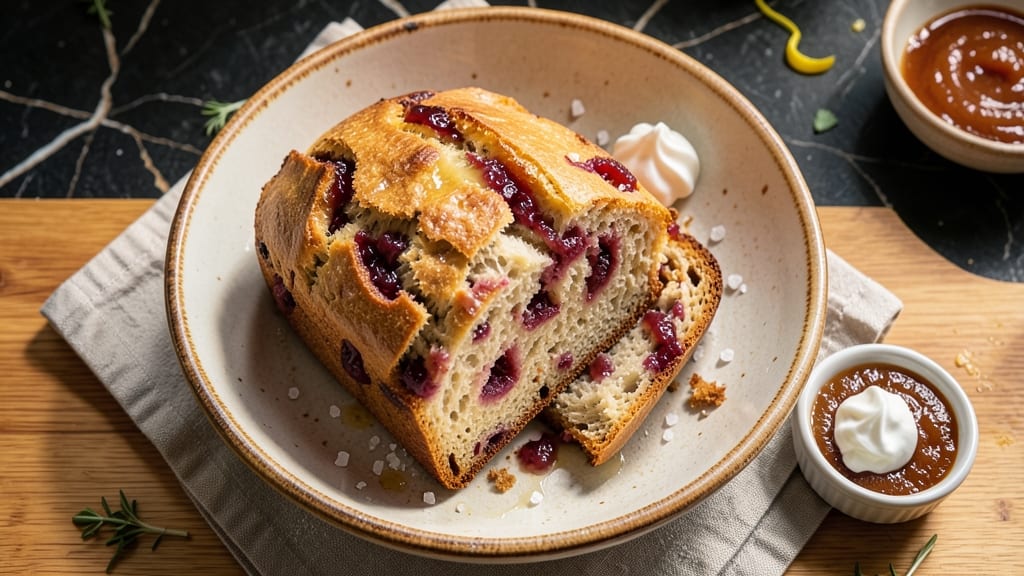
This apricot sourdough bread recipe transforms humble ingredients into a bakery-worthy loaf with golden crust and swirls of jammy sweetness. The secret lies in balancing tangy sourdough with apricot's natural tartness—no fancy equipment required, just patience and precise timing.
I've baked this loaf dozens of times, perfecting the fermentation and baking techniques to ensure a light, airy crumb with pockets of jam that burst with every bite.
What sets this recipe apart is the two-stage fermentation that develops deep flavor while keeping the crumb tender. You'll start with a simple sourdough starter (or use store-bought for convenience), then incorporate apricot puree or jam during the final dough mixing.
The result? A loaf with caramelized edges, a crisp crust, and just the right amount of fruity sweetness in every slice—no added sugar needed.
The baking process itself is where the magic happens: high heat creates that perfect crust while protecting the jam swirls from burning. I've included troubleshooting tips for common sourdough pitfalls like overproofing or dense crumb, so even beginners can achieve professional results.
This bread pairs beautifully with sharp cheeses, butter, or simply on its own—warm from the oven with a pat of cultured butter is pure heaven.
With just five key ingredients (plus your chosen apricot filling), this recipe delivers restaurant-quality results in about 24 hours—most of that time is hands-off fermentation. Whether you're a seasoned baker or new to sourdough, this method ensures success.
Let's get started on creating your perfect loaf—one that'll have everyone asking for seconds.
Ingredients for apricot sourdough bread
Five core ingredients plus apricot jam create bakery-quality sourdough with perfect sweet-tart balance.
| Ingredient | Amount | Notes |
|---|---|---|
| Active Sourdough Starter 🍞 | ½ cup | Well-fed, bubbly starter |
| All-Purpose Flour 🌾 | 4 cups | High-protein preferred (12% protein) |
| Granulated Sugar 🍚 | ¼ cup | Fine grain preferred |
| Unsalted Butter 🧈 | ½ cup | Cold, cubed for laminating |
| Apricot Jam or Puree 🍑 | ½ cup | Unsweetened preferred |
| Large Eggs 🥚 | 1 whole | Room temperature |
| Instant Yeast 🍞 | ¼ tsp | For additional rise |
| Diamond Crystal Kosher Salt 🧂 | 1 ½ tsp | Adjust to taste |
| Water 💧 | 1 cup | Lukewarm (105-110°F) |
| Cornmeal 🌽 | ¼ cup | For dusting loaf pan |
The sourdough starter is non-negotiable for authentic flavor—maintain your starter with equal parts flour and water daily for at least 5 days before baking. For convenience, store-bought starter works but may lack complexity. The flour choice matters: King Arthur or Caputo Tipo 00 yield superior results, though all-purpose flour suffices for home baking. Apricot jam should be unsweetened to avoid overpowering the dough's natural tang—Bon Appétit or Bonne Maman brands excel here. If using puree, strain seeds for a smoother texture. The butter must be cold to create those signature laminations during shaping.
No active starter? Instant yeast at double the amount provides a backup, though flavor won't match. Substitute apricot jam with peach or plum jam for similar tartness, or unsweetened mango puree for tropical notes. The egg acts as a binder—aquafaba (3 tbsp) works 1:1 as a vegan alternative. For a lower-protein flour option, bread flour at 11% protein improves oven spring. The water temperature is critical: too hot kills yeast, too cold slows fermentation. Use a thermometer for precision, or test with your wrist—should feel warm but not scalding.
Store the sourdough starter in the fridge between uses, feeding it weekly. Freshly baked loaves keep at room temperature for 2 days wrapped in a linen towel, or freeze for up to 3 months by slicing and wrapping individual portions. The jam swirls caramelize beautifully when reheated—toast slices for 5 minutes at 350°F to revive their golden crust. For optimal flavor development, bake within 24 hours of mixing, allowing the dough to ferment at room temperature overnight. The two-stage fermentation process (initial bulk fermentation plus final proof) creates that signature open crumb structure—don't rush it.
Why You'll Love This Recipe
- Sweet Swirl Magic: I swear by that jam-packed center—just a spoonful of apricot jam folded into the dough, then baked until golden. The tangy-sweet burst in every bite? It’s like summer in bread form, and honestly, it takes zero effort beyond mixing.
- No-Fuss Dough: Between us, this uses your sourdough starter (which you already have) and basic pantry staples. Knead, fold, shape—it’s more like a hug than a chore. My lazy Sundays thank me every time.
- Breakfast to Picnic: Toast it for breakfast with butter, or pack slices for lunch with cheese. The jam keeps it moist for days, so it’s my go-to for meal prep. (Yes, even on a Tuesday night.)
- Budget Baked Good: A single batch feeds a crowd or lasts me a week. Butter and jam stretch further than you’d think, and the flour? Just your standard all-purpose stuff. Fancy without the price tag.
Step-by-step instructions for apricot sourdough bread
This method delivers bakery-quality apricot swirls with a crisp crust and tender crumb every time.
Prepare the Apricot Filling and Laminate the Dough
In a small bowl, combine the 0.5 cup apricot jam or puree with 1 tablespoon of the 0.25 cup granulated sugar. Set aside. For the dough, mix the 0.5 cup active sourdough starter, 1 cup lukewarm water (105-110°F), 1 whole large egg, 0.25 tsp instant yeast, and 1.5 tsp diamond crystal kosher salt in a stand mixer fitted with the dough hook.
Knead on medium speed for 2 minutes until the ingredients come together. Gradually add the 4 cups all-purpose flour while mixing, then increase speed to medium-high and knead for 5-7 minutes until the dough is smooth and elastic. The dough should be slightly tacky but not sticky—add a few tablespoons of flour if needed. Cover with a damp towel and let rest for 15 minutes at room temperature.
On a lightly floured surface, roll the rested dough into a 12x10-inch rectangle. Spread the apricot mixture evenly over the dough, leaving a ½-inch border around the edges. Starting from the long side, tightly roll the dough into a log, pinching the seam to seal. Wrap in plastic wrap and refrigerate for at least 2 hours or up to 12 hours.
Shape the Loaf and Prepare for Proofing
Remove the chilled dough from the refrigerator and let it sit at room temperature for 10 minutes to soften slightly. On a lightly floured surface, gently unroll the dough and reshape it into a 9x5-inch loaf, folding the edges inward to create a clean, rectangular shape. This step ensures an even rise and a professional-looking loaf.
Transfer the shaped loaf to a parchment-lined baking sheet and cover loosely with plastic wrap. Place in a warm, draft-free area to proof for 1-1.5 hours until the dough has risen by about 50%. The dough should feel springy when pressed gently with a fingertip—this indicates it's ready for baking. If the dough rises too quickly, return it to the refrigerator for 30 minutes to slow the fermentation.
Score and Bake for a Crisp Crust
Preheat the oven to 375°F. Line a baking sheet with parchment paper and lightly dust it with 0.25 cup cornmeal. Carefully transfer the proofed loaf to the prepared baking sheet, seam-side down. Using a sharp serrated knife or lame, score the top of the loaf in a diagonal pattern, cutting about ½-inch deep. This step allows the bread to expand properly and creates a beautiful crust.
Bake for 30-35 minutes until the bread is deep golden brown and sounds hollow when tapped on the bottom. The internal temperature should reach 190-200°F. If the bread browns too quickly, tent it loosely with aluminum foil to prevent over-browning while ensuring it cooks through.
Cool and Serve for Maximum Flavor
Remove the bread from the oven and transfer it to a wire rack to cool completely for at least 1 hour. This cooling period allows the crumb to set and the flavors to fully develop. The apricot filling will continue to soften as the bread cools, creating those perfect sweet-tart swirls you're after.
Slice the bread into ½-inch thick pieces and serve warm or at room temperature. The exterior should be crisp with a slight crackle, while the interior remains soft and pillowy. Store any leftovers in an airtight container at room temperature for up to 3 days, or freeze for up to 3 months for freshness.
Pro Tips For Making Apricot Sourdough Bread
- STRETCH AND FOLD: Use a bench scraper to fold the dough—it’s faster than your hands and gives you cleaner, tighter gluten structure. I learned this the hard way after struggling to get that signature sourdough chew; the scraper cuts through the dough like butter and saves your knuckles from a workout.
- TEST THE STARTER: Your sourdough starter should float in water like a buoy—if it sinks, it’s not ready. I used to eyeball it and end up with dense, gummy bread; dropping a spoonful in water tells you exactly when it’s active enough for apricot swirls.
- WARM THE JAM: Spread the apricot jam or puree on cold dough, and it’ll just sit there like a sad puddle. Warm it slightly first—just enough to loosen it—and it’ll melt into the dough beautifully during baking, giving you those perfect, gooey pockets.
- SCORE DEEPER: A shallow slash won’t do—cut a cross about ½ inch deep to let the bread rise properly and prevent cracking. I used to half-ass this step, and my loaves would either explode or stay stubbornly compact; deeper scores = better oven spring.
Pro cooking tips for this recipe
Starter Readiness Test
Before mixing your dough, test your sourdough starter's vitality by performing the float test. Drop a small spoonful of starter into a glass of water—if it floats within 5 minutes, it's ready. A sluggish starter (sinking or slow to rise) needs 24 more hours of feeding.
I always feed my starter with equal parts flour and water (1:1 ratio) 4-6 hours before using it in recipes. This ensures peak activity when you're ready to mix. 🌱
Dough Temperature Control
Keep your dough between 75-78°F during mixing and fermentation for optimal yeast activity. Use a digital thermometer to check water temperature—lukewarm water should read 105-110°F.
If your kitchen is cold (65°F or below), proof the dough in a slightly warm spot (like a turned-off oven with the light on) to maintain consistent fermentation. I've found that doughs fermenting at cooler temperatures develop more complex flavors but take 20-30% longer to rise. 🌡️
Apricot Filling Tricks
For a smoother swirl, strain your apricot jam or puree through a fine-mesh sieve to remove seeds. Add 1 tsp lemon juice to the filling to brighten the flavor and prevent browning.
When spreading the filling, use a pastry brush to distribute it evenly in the center of your dough rectangle, leaving that ½-inch border to prevent leaks during baking. I like to use Bonne Maman apricot jam—it's less sweet and has perfect seed consistency. 🍑
Proofing Perfection
The final proof is where many home bakers go wrong. Your dough should rise until it reaches about 50% of its height and springs back slowly when gently pressed. If it springs back immediately, it needs more time; if it leaves a dent, it's overproofed.
For visual cues, place a toothpick in the dough—if it leaves a clean hole, it's ready. I often proof my dough in a proofing box (a plastic container with a bowl of hot water inside) to maintain consistent 80°F temperatures. ⏰
Scoring Secrets
Use a sharp serrated knife or lame for clean cuts that won't tear the dough. Score in a diagonal pattern (like a lightning bolt) to direct the bread's expansion and create an attractive crust.
The cuts should be ½-inch deep—don't cut too deep or you'll lose steam and weaken the structure. I like to dip my knife in hot water between cuts to prevent sticking. This technique also helps release gases trapped in the dough, preventing cracks. ✨
Baking Adjustments
If your oven runs hot, reduce the temperature to 350°F and bake for 40-45 minutes instead. For even browning, place a baking stone on the lower rack and preheat for 30 minutes before baking. I always bake my apricot sourdough on the middle rack to ensure even heat distribution.
The internal temperature should reach 190-200°F—use an instant-read thermometer to check. The bread is done when it sounds hollow when tapped on the bottom. 🔥
Nutrition facts
Frequently asked questions
Can I substitute apricot jam for fresh apricots?
While fresh apricots work beautifully when cooked down into a puree, jam is much more convenient and prevents the dough from becoming too wet. For a fresh approach, simmer 2 cups chopped apricots with 2 tablespoons sugar until soft, then strain. The jam version requires no prep—just use ½ cup unsweetened apricot jam mixed with 1 tablespoon sugar as called for in the recipe.
Why does my sourdough apricot bread turn out dense?
Dense bread usually stems from overproofing or underdeveloped gluten. Make sure your dough rises to only 50% of its height during proofing—it should spring back slowly when pressed. Also verify your starter is active (float test) and your dough temperature stays between 75-78°F. For extra lift, add ½ tsp extra instant yeast if your kitchen is cold.
How long can I refrigerate the dough before baking?
You can refrigerate the laminated dough for up to 12 hours before shaping and proofing. The cold slows fermentation, which actually enhances flavor development. For best results, let it sit at room temperature for 10 minutes before shaping to make it more pliable. Never exceed 24 hours total fermentation time or the flavor will become too sour.
Can I make this bread without a stand mixer?
Yes! By hand, knead the dough for 8-10 minutes until smooth and elastic. Use a dough scraper to help turn and fold the dough on a floured surface. The key is consistent pressure—press down hard with your knuckles to develop gluten. For the apricot filling, use a pastry brush to spread it evenly, then roll carefully to avoid leaks.
What's the best way to reheat sliced apricot sourdough?
For crispy crust and warm filling, wrap slices in foil and heat at 350°F for 5-7 minutes. Or toast in a toaster oven until golden. Avoid microwave—it makes the crust soggy. Pro tip: Brush warm slices with melted butter for extra richness. The jam swirls soften beautifully when reheated this way.