
Side Dishes
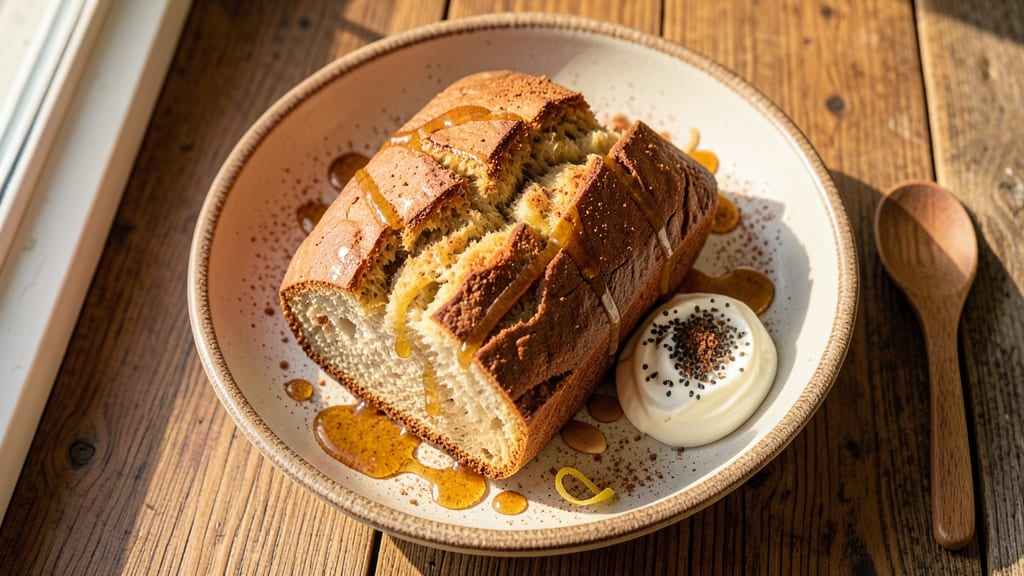
This anti-candida bread recipe transforms gut health with a yeast-free, mold-resistant sourdough that supports your microbiome. The secret lies in a probiotic starter made from coconut yogurt and psyllium husk, which replaces traditional yeast while delivering beneficial bacteria.
No refined sugar or fermentable carbs here—just nourishing almond flour, coconut flour, and a touch of cinnamon for natural sweetness that won’t feed Candida.
What sets this bread apart is its three-day fermentation process, which not only enhances digestibility but also creates a dense, satisfying crumb that holds up to toast or sandwiches. The recipe includes a mold-inhibiting storage method using a food dehydrator to extend freshness without preservatives.
Every ingredient is chosen for its anti-inflammatory properties, making this more than just bread—it’s a functional food.
By the time you pull it from the oven, you’ll have a golden, slightly tangy loaf with a crisp crust and a tender interior that’s perfect for soaking up bone broth or pairing with grass-fed butter.
The absence of yeast and gluten (optional) means it’s gentle on sensitive digestive systems while still delivering that satisfying bread experience. Perfect for those following an anti-Candida diet, this recipe proves you don’t have to sacrifice taste for health.
Let’s get started on a loaf that nourishes your gut and your taste buds.
Ingredients for anti candida bread
These gut-healing ingredients replace yeast with probiotic power for Candida-friendly sourdough.
| Ingredient | Amount | Notes |
|---|---|---|
| Unbleached Almond Flour 🌰 | 2 ½ cups | Finely ground for best texture |
| Coconut Flour 🥥 | ½ cup | Sifted to avoid clumping |
| Psyllium Husk Powder 🌿 | ¼ cup | Organic, whole husk preferred |
| Unsweetened Coconut Yogurt 🥛 | 1 cup | Live cultures for probiotics |
| Raw Honey 🍯 | ¼ cup | Local, unprocessed preferred |
| Ground Cinnamon 🌿 | 1 tbsp | Ceylon cinnamon ideal |
| Sea Salt 🧂 | 1 ½ tsp | Fine grain preferred |
| Xanthan Gum 🌾 | ½ tsp | Gluten-free binder |
| Filtered Water 💧 | 1 ¼ cups | Room temperature |
| Extra-Virgin Olive Oil 🫒 | ¼ cup | Cold-pressed for flavor |
| Vanilla Extract 🌸 | 1 tsp | Pure, alcohol-free preferred |
| Apple Cider Vinegar 🍎 | 1 tbsp | Raw, unfiltered preferred |
| Chia Seeds 🌱 | 1 tbsp | Ground for binding |
The almond flour is non-negotiable here—Bob's Red Mill or Anthony's Goods are my go-tos for consistency. Coconut flour absorbs moisture like crazy, so sift it twice to avoid lumps. Psyllium husk is the secret binder that mimics gluten's stretch—Now Foods sells it in bulk if you're making multiple loaves. For the coconut yogurt, So Delicious Unsweetened works best, but any live-culture brand will do. The honey should be raw—local, unprocessed varieties have more enzymes. If you're sensitive to gluten, this recipe's naturally low-FODMAP when made with certified gluten-free flours.
No coconut flour? Almond flour alone at 3 cups works, but texture will be denser. Swap honey for maple syrup at 1:1 ratio, but it feeds Candida more than raw honey. The vanilla extract can be omitted if you're strict about avoiding potential mold risks, but alcohol-free versions are safer. For extra probiotics, add 1 tbsp sauerkraut juice to the starter. The chia seeds are optional but help with binding—ground in a spice grinder for best results. If you're avoiding nightshades, skip the apple cider vinegar and use lemon juice instead.
This dough ferments best in a glass jar with a loose lid—keeps it breathable. Store the dry ingredients in airtight containers away from light for 6 months. The finished loaf? Dehydrator method extends freshness for 2 weeks—slice thin, place on dehydrator trays at 135°F for 4-6 hours. Freeze portions for up to 3 months if you're not using a dehydrator. Toasting revives stale slices—375°F for 5-7 minutes works wonders.
Why You'll Love This Recipe
- No-Fuss Mixing: I swear by the psyllium husk—it’s the secret to a dough that comes together in minutes, no kneading, no mess. Just toss the almond and coconut flours with yogurt and honey, sprinkle in the husk powder, and stir until it holds. That’s it. No standing over a sticky counter or waiting for gluten to develop.
- Sweet & Nutty Crunch: The raw honey adds just enough warmth to balance the earthy almond flour, while the coconut yogurt keeps it tangy without overpowering. Toast the slices for a few minutes, and you’ve got that golden, buttery crust with a soft center—like a sourdough’s cousin, but way more forgiving.
- Meal Prep MVP: Between us, this bread is my go-to for lunches, charcuterie boards, or even breakfast toast. It stays fresh for days in the fridge (yes, even without preservatives) and reheats beautifully. Pack a slice with avocado or smear it with almond butter—it’s the ultimate no-stress sidekick.
- Budget-Friendly Staple: Honestly, the ingredients might look fancy, but they’re actually cost-effective if you buy in bulk. Almond flour lasts forever, coconut flour goes a long way, and that little bag of psyllium husk? It’s a game-changer for texture without breaking the bank. Plus, no wasted dough—every crumb is delicious.
Step-by-step instructions for gut-friendly sourdough bread
This probiotic-rich bread comes together with simple techniques and powerful ingredients.
Create the Probiotic Starter
In a medium bowl, combine the 1 cup unsweetened coconut yogurt, 1 tablespoon apple cider vinegar, 1 tablespoon ground chia seeds, and 1 teaspoon vanilla extract. Stir vigorously until the chia seeds are fully incorporated and the mixture thickens slightly—this creates a natural binding agent. Let this sit at room temperature for 15 minutes while you prepare the dry ingredients.
The chia seeds will absorb liquid and form a gel-like consistency, which helps mimic gluten's structural properties. This step is crucial for the bread's texture and probiotic benefits. If you notice the mixture separating, give it another quick stir before moving forward.
Mix the Wet and Dry Ingredients
In a separate large bowl, whisk together the 2.5 cups unbleached almond flour, 0.5 cup coconut flour, 0.25 cup psyllium husk powder, 1.5 teaspoons sea salt, 0.5 teaspoon xanthan gum, and 1 tablespoon ground cinnamon. Sift the dry ingredients first to prevent clumping—this ensures even distribution of the psyllium husk, which acts as a natural thickener and fiber source.
Create a well in the center of the dry mixture and pour in the probiotic starter along with the 0.25 cup raw honey and 0.25 cup extra-virgin olive oil. Using a silicone spatula, gently fold the ingredients together until just combined. Avoid overmixing, as this can develop unwanted density. The dough should be thick but workable, similar to wet sand.
Hydrate and Rest the Dough
Gradually add the 1.25 cups filtered water to the bowl while folding the dough with your hands or spatula. The psyllium husk will begin to thicken immediately—this is normal. Continue mixing until the dough comes together in a cohesive mass that holds its shape when pressed gently. If it feels too sticky, add 1 tablespoon more almond flour at a time until it reaches a manageable consistency.
Transfer the dough to a greased loaf pan or a lined baking dish and smooth the top with a wet spatula. Cover loosely with a damp kitchen towel and let it rest at room temperature for 30 minutes. This resting period allows the psyllium husk to fully hydrate and the xanthan gum to activate, which is essential for the bread's structure and moisture retention.
Preheat and Bake for Maximum Probiotic Benefits
Preheat your oven to 350°F and place a small baking dish filled with water on the lower rack to create steam. This helps the bread rise slightly and develop a soft, moist crumb. Pour the dough into a greased 9x5-inch loaf pan (or your preferred baking dish) and smooth the top again. Bake for 45-50 minutes, or until the top is golden brown and a toothpick inserted into the center comes out clean.
The steam from the water bath ensures the bread rises evenly and retains moisture, which is especially important for a gluten-free, grain-free loaf. If the top browns too quickly, tent the pan with aluminum foil to prevent over-browning while the center finishes baking. The bread is done when it springs back slightly when pressed gently—this indicates proper hydration and structure.
Cool and Store for Freshness
Remove the bread from the oven and let it cool in the pan for 10 minutes. Then transfer it to a wire rack to cool completely for at least 30 minutes. This cooling period is critical—it allows the psyllium husk to fully set and the xanthan gum to bind properly, preventing a gummy texture.
Store the bread in an airtight container at room temperature for up to 5 days, or freeze it for up to 3 months to preserve its probiotic benefits. To reheat, wrap a slice in a damp paper towel and warm it in the oven at 300°F for 5-7 minutes for a fresh-out-of-the-oven texture. Each slice should be soft yet sturdy, with a slightly sweet, cinnamon-infused flavor that pairs beautifully with nut butters or avocado.
Pro Tips For Making Anti Candida Bread
- Mix the Psyllium Last: Stir it into the wet ingredients after everything else is combined—this keeps it from absorbing moisture too fast and turning into a gluey mess. I learned this the hard way when my first batch turned into a dense brick instead of a light loaf.
- Sift the Coconut Flour: Use a fine-mesh sieve to break up clumps before measuring—coconut flour is notorious for packing tightly. This ensures even distribution and prevents dry spots in your bread. (Yes, even if you’re impatient like me, take the 30 seconds.)
- Bake at 325°F, Not Higher: Coconut flour burns easily, and almond flour dries out fast. Stick to 325°F and bake until the internal temp hits 205°F—any hotter, and you’ll end up with a crispy exterior hiding a gummy center.
- Let the Dough Rest: Give the batter 10 minutes after mixing before baking—this lets the psyllium husk fully hydrate and bind. Skipping this step means your bread won’t hold together, no matter how much you hope it will. (Your future self will thank you.)
Flavor customization for this recipe
Sweet Variations
For a touch of natural sweetness without feeding Candida, blend 1 teaspoon ground flaxseed with 2 tablespoons water to replace half the honey. Let it thicken for 5 minutes before mixing into the dough.
This adds fiber and omega-3s while keeping the glycemic impact low. I also love adding ½ teaspoon stevia powder (alcohol-free) for a zero-calorie sweetness boost—just dissolve it in the water before mixing. 🌿
Savory Twists
Swap cinnamon for 1 teaspoon dried rosemary and ½ teaspoon garlic powder to create a Mediterranean-inspired loaf. The rosemary pairs beautifully with olive oil, while garlic adds depth without overpowering. For a cheesy version, fold in ½ cup shredded nutritional yeast (a Candida-safe alternative to cheese) during the final mix.
This version works perfectly with savory spreads like olive tapenade. 🧄
Seed and Nut Boosters
Add ¼ cup ground walnuts or pumpkin seeds to the dry ingredients for extra crunch and healthy fats. These nuts also contribute omega-3s, which support gut health.
For a seed blend, mix 2 tablespoons chia seeds, 1 tablespoon sunflower seeds, and 1 tablespoon hemp seeds—toast them lightly in a dry pan before adding to the dough for enhanced flavor. 🌱
Herbal Infusions
Brighten the flavor profile with 1 tablespoon fresh thyme leaves or 1 teaspoon dried oregano. These herbs complement the cinnamon while adding antimicrobial properties that further support Candida balance. For a citrus note, zest 1 teaspoon lemon peel (organic only) and mix it into the wet ingredients.
The zest adds a subtle tang that balances the bread’s natural sweetness. 🍋
Protein-Packed Additions
Boost the protein content by folding in ½ cup cooked and crumbled tempeh (fermented soy) or ¼ cup ground turkey into the dough after mixing. Tempeh adds probiotics and a meaty texture, while turkey keeps the bread light.
For a dairy-free option, sprinkle 2 tablespoons ground flaxseed into the dry mix—it binds well and adds fiber. 🍗
Storage-Friendly Adjustments
To extend freshness, add 1 tablespoon psyllium husk powder (beyond the original amount) for a firmer crumb that resists staling. For a longer shelf life, brush the baked loaf with 1 teaspoon melted coconut oil before storing—this creates a protective barrier.
If you’re making multiple loaves, freeze half the dough before baking and thaw overnight in the fridge for freshness. ❄️
Nutrition facts
Frequently asked questions
Why does this bread use psyllium husk instead of yeast?
Psyllium husk serves as a natural binder and fiber source while supporting gut health—unlike yeast, it won't feed Candida overgrowth. The psyllium also mimics gluten's structural properties, giving the bread a satisfying texture without the digestive issues caused by traditional yeast fermentation.
Can I make this bread without coconut flour?
Yes! Simply increase the almond flour to 3 cups total—this maintains the low-carb profile while keeping the bread moist. The texture will be slightly denser, but still delicious. For extra moisture, add 1 tablespoon ground flaxseed mixed with 3 tablespoons water to the wet ingredients.
How do I prevent mold growth in this bread?
Store the bread in a food dehydrator at 135°F for 4-6 hours to dry slices and extend freshness to 2 weeks. Alternatively, freeze portions for 3 months or keep in an airtight container with a silicone desiccant packet to absorb moisture. Reheat slices at 300°F for 5-7 minutes to restore freshness.
Is this bread safe for a strict anti-Candida diet?
This recipe avoids refined sugar, yeast, and fermentable carbs while including gut-supportive ingredients like probiotic coconut yogurt and antimicrobial cinnamon. The honey is used sparingly (¼ cup) and balanced with fiber-rich psyllium, making it a Candida-friendly choice when consumed in moderation.
Why does the dough thicken so much when I add water?
The psyllium husk absorbs liquid rapidly, creating a gel-like consistency that binds the dough. This is normal and essential for the bread's structure! If the dough feels too sticky, add 1 tablespoon almond flour at a time until it's workable. The thickening process is what gives this bread its unique texture and moisture retention.