
Side Dishes
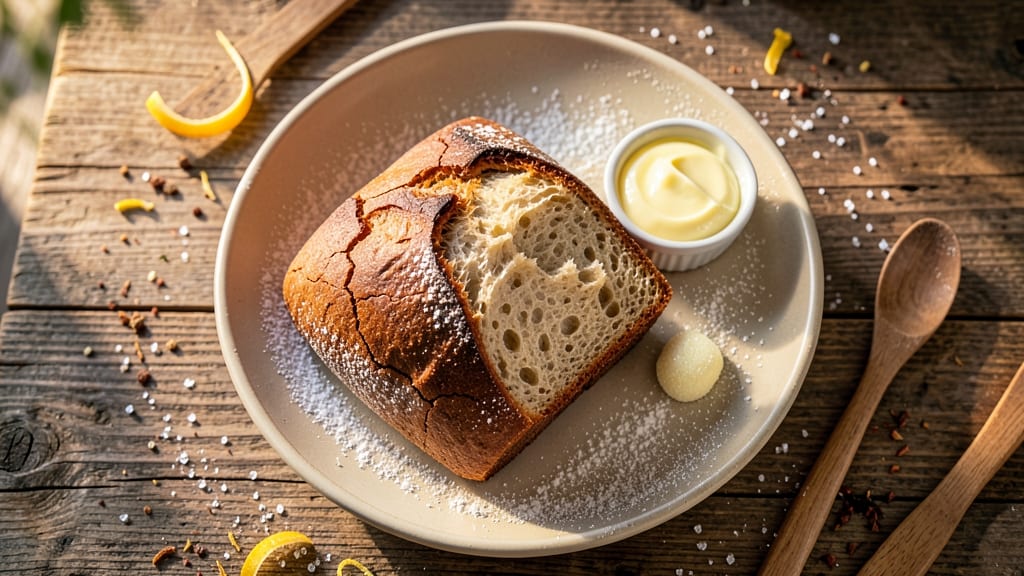
This Anova oven bread recipe transforms your countertop appliance into a bread-baking powerhouse—delivering crusty, golden-brown loaves with even baking and crisp edges, all without needing a Dutch oven.
The Anova's precise temperature control and steam function create the perfect conditions for restaurant-quality bread at home, with less cleanup and more consistency than traditional methods.
The secret lies in the Anova’s ability to maintain steady steam and heat during baking, which mimics a professional bread oven. Unlike conventional ovens that struggle with even baking, this method ensures a crispy crust and an airy, even crumb throughout.
No special equipment beyond your Anova and a basic mixing bowl is required—just a few simple ingredients and the right technique.
What you’ll achieve is a loaf with a shatteringly crisp exterior and a soft, fluffy interior, all baked in under an hour.
The Anova’s even heat distribution eliminates the need for rotating pans or worrying about hot spots, making this the most reliable bread recipe for beginners and experienced bakers alike.
Perfect for sandwiches, toast, or serving alongside soups, this bread is versatile enough for everyday meals but impressive enough for guests. Let’s get started with the foolproof steps to achieve bakery-style results every time.
Ingredients for anova oven bread
Nine essential ingredients transform your Anova into a bread-baking marvel with professional crust and crumb.
| Ingredient | Amount | Notes |
|---|---|---|
| All-Purpose Flour 🌾 | 4 cups | High-protein for better structure |
| Active Dry Yeast 🍞 | 0.03 oz | Or 2.25 tsp for accuracy |
| Granulated Sugar 🍚 | ½ tsp | Enhances yeast activation |
| Salt 🧂 | 1 ½ tsp | Diamond Crystal preferred |
| Unsalted Butter 🧈 | ½ cup | Cold, cubed for steam |
| Warm Water 💧 | 1 ¼ cups | 105°F-110°F ideal |
| Cornmeal 🌽 | ¼ cup | For dusting baking surface |
| Coarse Sea Salt 🧂 | 1 tsp | For final crust sprinkle |
| Ice Water ❄️ | ¼ cup | For final dough adjustment |
| Olive Oil 🫒 | 1 tbsp | Extra-virgin for richness |
The flour is non-negotiable—King Arthur or Bread Flour yields the best oven-spring. Yeast must be fresh (test by dropping in warm water—should foam in 5-10 minutes). Whole Foods or King Arthur carry reliable brands. The butter's cold cubes create steam during baking, so don't soften it. For the water, use a thermometer—105°F-110°F activates yeast perfectly without killing it. If your kitchen's hot, chill the water first.
No yeast? Instant yeast works 1:1, but activate it in warm water first. Short on sugar? Honey at half the amount works but may darken the crust slightly. Butter too soft? Chill it 15 minutes or use vegetable shortening for steam. The cornmeal prevents sticking—semolina is a great alternative for extra crunch. For a lighter loaf, replace 1 tbsp flour with Dijon mustard (adds structure). The ice water is crucial—it tightens gluten for a cleaner crumb.
Store dough in an airtight container with a damp towel for up to 24 hours in the fridge. For longer storage, freeze shaped loaves (unbaked) for 3 months10 minutes to the time. Baked loaves keep 3 days wrapped at room temperature, or freeze sliced for 6 months in airtight bags.
Why You'll Love This Recipe
- No-Knead Magic: The dough comes together in three minutes—just mix, let it rise overnight, and bake. Honestly, I’ve made it while scrolling on my phone. That butter-in-the-dough trick? Pure genius for texture without extra work.
- Buttery Crust, Soft Core: That moment when the crust turns golden and the inside stays pillowy? It’s the sugar and butter working together like a dream team. Tear it fresh and watch it steam—chef’s kiss—no sad, dry slices here.
- Weeknight Hero: I bake a loaf on Sundays, wrap it in a towel, and it stays fresh for days. Perfect for toast, sandwiches, or just ripping into with jam. (Yes, even on a Tuesday night when you forgot to grocery shop.)
- Budget Baking Wins: Flour, yeast, sugar, butter—these are pantry staples that won’t break the bank. One batch feeds my family for four meals, and the leftovers? Better than store-bought every time. My wallet and taste buds thank me.
Step-by-step instructions for Anova oven bread
Master this technique and you'll achieve bakery-quality crust without a Dutch oven.
Activate the Yeast and Develop the Dough
In a large bowl, combine the 1.25 cups warm water (between 105°F-110°F), 0.5 tsp granulated sugar, and 0.03 oz active dry yeast. Let this sit for 5-10 minutes until foamy—this confirms the yeast is alive and ready to work. If it doesn't foam, your yeast may be dead, and you'll need to start over.
Add the 4 cups all-purpose flour and 1.5 tsp salt to the bowl. Using a wooden spoon or your hands, mix until a shaggy dough forms. Then add the 0.5 cup cold, cubed unsalted butter and 1 tbsp olive oil. Knead the dough on a lightly floured surface for 8-10 minutes until smooth and elastic. The dough should feel slightly tacky but not sticky—if it sticks too much, add 1-2 tablespoons of the reserved flour.
First Rise and Shape the Loaf
Place the dough in a lightly oiled bowl, cover with a damp towel, and let it rise in a warm place for 1-2 hours, or until it has doubled in size. The dough should feel springy when poked gently—this indicates proper fermentation. If the room is cold, place the bowl near a warm oven (turned off) with the light on to create a consistent environment.
Once risen, punch down the dough to release air and shape it into a 12-inch round loaf on a parchment-lined baking sheet. Fold the edges toward the center to create a tight, smooth surface. This shaping ensures even baking and a crisp crust. Dust the top lightly with 0.25 cup cornmeal to prevent sticking during the final rise.
Preheat the Anova Oven and Prepare for Baking
Preheat your Anova Oven to 425°F for 30 minutes to ensure it reaches the correct temperature. While it preheats, place the shaped dough on a baking sheet dusted with the remaining 0.25 cup cornmeal. Cover loosely with a towel and let it rise for an additional 30-45 minutes—this final rise gives the bread its signature height and texture.
Just before baking, sprinkle the top of the dough generously with 1 tsp coarse sea salt and, if desired, a light mist of 0.25 cup ice water using a spray bottle. This creates steam during baking, which is essential for that golden, crispy crust. The Anova Oven’s even heat distribution will ensure the bread bakes uniformly without the need for a Dutch oven.
Bake to Golden Perfection
Place the baking sheet in the preheated Anova Oven and bake for 25-30 minutes, until the bread reaches an internal temperature of 190°F and the crust is deep golden brown. Tap the bottom of the loaf—it should sound hollow, indicating it’s fully baked. If the top browns too quickly, tent loosely with foil to prevent over-browning while the interior finishes cooking.
Remove the bread from the oven and let it cool on a wire rack for at least 1 hour before slicing. This resting period allows the internal structure to set, preventing a gummy crumb. The result should be a crusty, golden exterior with a soft, airy interior—perfect for sandwiches or serving alongside soups.
Pro Tips For Making Anova Oven Bread
- Use Room-Temp Butter: Cold butter makes for a dense, greasy loaf—this isn’t a croissant. Let that unsalted stick sit out for 30 minutes before mixing, or even better, microwave it for 10 seconds until just pliable. You want it soft enough to cut into the dough easily, not melted. Trust me, your bread’s texture will thank you.
- Proof Until It Doubles: I used to pull bread out of the oven too soon because I thought "doubled" meant "slightly puffy." Nope. The dough should rise until it’s almost touching the sides of the bowl—like it’s begging to spill over. If it’s shy, give it another 20-30 minutes. Underproofed bread collapses; overproofed bread flattens. Aim for that happy medium where it’s light and airy but still holds its shape.
- Skip the Overmixing: The moment you see flour streaks disappear, stop. I learned this the hard way—overworking the dough develops too much gluten, and your bread turns out tough instead of tender. Mix just until the ingredients come together, then let the kneading (or lack thereof) happen during the bulk rise. Your Anova bread should be soft, not chewy.
- Preheat the Oven and the Pan: Cold pans steal heat and leave you with a sad, uneven bake. Slide your bread pan into the oven while it’s preheating—even if it’s just for 10 minutes. Then, when you transfer the dough, it’ll start baking immediately instead of waiting for the pan to warm up. This ensures a crisp crust and even rise. (Yes, even if you’re impatient like me.)
Flavor customization for anova oven bread
Sweet & Rich Variations
Add 1 tbsp honey or 2 tbsp maple syrup to the dough for a subtle sweetness that caramelizes beautifully in the Anova's even heat. For a cinnamon swirl, roll 2 tbsp brown sugar mixed with 1 tsp cinnamon into the dough before shaping.
I love this variation for breakfast toast—just brush with softened butter after baking. 🍯
Herb & Garlic Infusions
Boost flavor by mixing 1 tbsp fresh rosemary or 2 tbsp chopped garlic into the dough during kneading. For a Mediterranean twist, add 1 tsp dried oregano and ½ tsp red pepper flakes.
The Anova's precise temperature control ensures these delicate flavors develop without burning. Finish with a sprinkle of flaky sea salt before baking.
Seeded & Nutty Crunch
Stir ¼ cup sunflower seeds, ¼ cup pumpkin seeds, or ½ cup chopped walnuts into the dough for texture. For a savory version, add 2 tbsp sesame seeds and 1 tbsp poppy seeds.
The seeds toast perfectly in the Anova's dry heat, creating a satisfying crunch. Press seeds into the top before the final rise for maximum flavor.
Whole Grain Boost
Replace 1 cup all-purpose flour with whole wheat flour or spelt flour for a nuttier, heartier loaf. For extra fiber, add ½ cup rolled oats to the dough.
The Anova's steam function helps these denser flours bake evenly without drying out. Pair with olive oil instead of butter for a lighter texture.
Cheesy & Savory Twists
Fold ½ cup shredded cheddar or feta crumbles into the dough for a cheesy pull-apart texture. For a French-inspired version, add ¼ cup grated Parmesan and 1 tbsp Dijon mustard.
The Anova's consistent heat melts cheese evenly, preventing clumps. Sprinkle extra cheese on top before baking for a golden crust.
Nutrition facts
Frequently asked questions
Can I use this recipe with other Anova models like the Mini or Sous Vide?
The recipe works best in the standard Anova Oven due to its larger capacity and better steam control. The Mini may struggle with even baking, while the Sous Vide isn't designed for bread baking at all. For the Mini, reduce the recipe by half and use a metal loaf pan to help with heat distribution. The Sous Vide requires a completely different approach—consider steaming the dough first and finishing in a conventional oven.
Why does my Anova bread turn out dense instead of crusty?
Dense bread usually means underproofed dough or insufficient steam. Make sure your yeast is active (it should foam in warm water) and your dough doubles in size during both rises. For steam, add 1-2 ice cubes to the Anova's baking pan before placing your bread inside, or spray the oven walls with water at the start of baking. Also verify your Anova reaches 425°F—some models need longer preheating.
How do I adjust the recipe for high altitude baking?
For elevations above 3,500 feet, increase flour by 1-2 tablespoons and reduce yeast by 0.01 oz (0.75 tsp). Also add 1 tbsp honey or sugar to help with oven spring. The Anova's precise temperature control helps compensate for thinner air, but monitor closely—high altitude breads bake faster. Consider reducing the oven temperature by 25°F if browning too quickly.
Can I make this bread without butter?
Yes! Replace the butter with ½ cup olive oil or ½ cup vegetable shortening for similar moisture. For extra flavor, use ¼ cup melted lard or ½ cup Greek yogurt. The Anova's even heat works well with these substitutes, though butter creates the best steam for crust development. If using oil, add 1 extra tablespoon of flour to maintain structure.
What's the best way to reheat sliced bread?
Wrap slices in foil and warm in the Anova at 300°F for 5-7 minutes for perfect texture. For crispy crust, place slices directly on the Anova's baking tray (no foil) at 375°F for 3-4 minutes. Avoid microwaving—it makes bread gummy. The Anova's gentle heat preserves the bread's moisture better than conventional ovens.