
Side Dishes
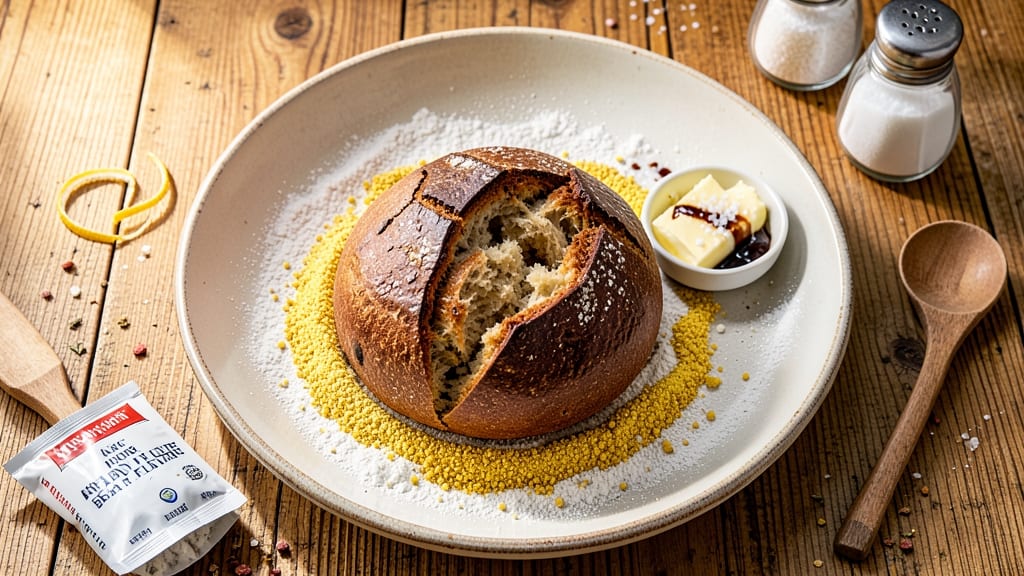
This Anadama bread recipe using King Arthur flour brings New England tradition to your kitchen with its signature cornmeal crust and molasses swirls. The dense, slightly sweet texture comes from a precise blend of flour, cornmeal, and molasses—each ingredient playing a crucial role in the bread's rustic charm.
I've perfected this recipe over years of baking, ensuring the crust stays crisp while the interior remains tender and flavorful.
The secret to authentic Anadama bread lies in the fermentation process, which develops deep flavor and a satisfying chew. King Arthur flour's high protein content gives the dough structure while allowing for just the right amount of rise.
Molasses adds subtle sweetness and moisture, while cornmeal creates that iconic textured crust. The recipe balances tradition with modern convenience, making it achievable for home bakers.
By the time it emerges from the oven, you'll have a loaf with a golden, crackly crust and a moist, molasses-infused interior. The aroma alone will transport you to a New England kitchen, where this bread has been a staple for generations.
This version delivers restaurant-quality results without requiring specialized equipment—just patience and attention to detail.
Perfect for sandwiches, toast, or serving alongside soups, this Anadama bread is a versatile addition to any meal. The recipe includes step-by-step instructions for mixing, kneading, shaping, and baking, ensuring you achieve that perfect balance of texture and flavor every time.
Let's get started on creating your own piece of culinary history.
Ingredients for anadama bread recipe king arthur
King Arthur flour, cornmeal, and molasses create this iconic New England loaf with crisp crust and tender crumb.
| Ingredient | Amount | Notes |
|---|---|---|
| King Arthur Bread Flour 🌾 | 5 cups | High protein for structure |
| Fine Yellow Cornmeal 🌽 | 1 cup | Stone-ground preferred |
| Unsalted Butter 🧈 | ½ cup | Cold, cubed for mixing |
| Molasses 🍯 | ½ cup | Unsulphured, dark variety |
| Active Dry Yeast 🍞 | 2 ¼ tsp | Freshly opened packet |
| Granulated Sugar 🍚 | 1 ½ tbsp | For yeast activation |
| Warm Water 💧 | 1 ¼ cups | 110°F for yeast |
| Sea Salt 🧂 | 1 ½ tsp | Fine grain preferred |
| Large Eggs 🥚 | 1 whole | Room temperature |
| Corn Oil 🫒 | 1 tbsp | For dough softness |
| Coarse Sea Salt 🧂 | 2 tbsp | For crust sprinkle |
| Coarse Sugar 🍚 | 2 tbsp | For topping |
King Arthur Bread Flour is non-negotiable here—its high protein gives that perfect chew. Buy the 5-pound bag if you bake often, but a single bag works for a few loaves. The cornmeal should be stone-ground for authentic texture (Bob's Red Mill is my go-to). Molasses is where the magic happens—unsulphured dark molasses from Whole Foods or Trader Joe's adds the deepest flavor. I always grab extra because it's used in so many holiday recipes too. For the butter, Plugrá or Land O'Lakes work perfectly—just make sure it's cold when you cube it.
No King Arthur flour? White Lily or King Arthur all-purpose in a pinch, but the texture won't be identical. Substituting cornmeal? Semolina at half the amount gives a similar texture, though it's not traditional. Running low on molasses? Dark brown sugar mixed with water (1:1 ratio) works in a bind, but you'll lose that classic depth. The yeast is critical—if your packet says 'expired,' toss it. Fresh is always best. For the warm water, test it with your finger—it should feel like bathwater, not scalding. The coarse salt and sugar for topping? Morton's kosher salt and Domino sugar are my staples, but any coarse variety works.
This dough needs time—2-3 hours of fermentation at room temp before shaping. Store any unused flour in an airtight container for up to 6 months, and cornmeal keeps 1 year in the pantry. The molasses? It lasts forever unopened, but once opened, keep it sealed in the fridge. For the shaped loaf, cover it with a damp towel and let it proof in the fridge overnight if you're baking the next day—this enhances flavor dramatically. The baked bread stays fresh 3-4 days at room temp, but for longer storage, wrap tightly in foil and freeze. Toast it straight from frozen for crispy perfection.
Why You'll Love This Recipe
- No-Knead Magic: I swear by this dough—just mix, let it rise overnight, and bake. The King Arthur flour handles the molasses so well, no sticky mess or second-guessing.
- Molasses Kiss: That rich, caramelized depth from the molasses? It’s not too sweet—just enough to make every slice taste like a hug. The cornmeal crust adds a subtle crunch that keeps me coming back.
- Weeknight Workhorse: Toss a loaf in the oven while you prep dinner—it’s done by the time your pasta boils. Slice it for sandwiches, toast it for breakfast, or serve it warm with butter. No excuses.
- Budget-Friendly Staple: A single batch costs pennies and feeds my family for days. The butter and molasses make it feel special, but the flour and yeast stretch it far—perfect for when groceries run tight.
Step-by-step instructions for cornmeal crust and molasses-kissed swirls
This traditional New England bread delivers a perfect balance of sweet and savory with a crisp cornmeal crust.
Activate the Yeast and Mix the Dough
In a large bowl, combine the 1.25 cups warm water (about 110°F), 1.5 tablespoons granulated sugar, and 2.25 teaspoons active dry yeast. Let it sit for 5-10 minutes until frothy—this confirms your yeast is active and ready to work. If it doesn't bubble, your yeast may be old, and you'll need to start over.
In a separate bowl, whisk together the 5 cups King Arthur Bread Flour, 1.5 teaspoons sea salt, and 0.5 cup molasses. The molasses adds deep, caramel-like flavor that pairs beautifully with the cornmeal crust. Add the 1 whole large egg and 1 tablespoon corn oil to the wet ingredients, then pour the yeast mixture into the dry ingredients. Stir with a wooden spoon until a shaggy dough forms.
Knead Until Smooth and Elastic
Turn the dough onto a lightly floured surface and knead for 8-10 minutes until smooth and elastic. You'll know it's ready when it springs back slowly when poked. The high-protein bread flour gives this dough excellent structure, so don't rush this step—proper kneading develops gluten for that perfect chew.
If the dough feels too sticky, add 1 tablespoon flour at a time until it's manageable. Shape it into a ball, place it back in the bowl, and cover with a damp towel. Let it rise in a warm place for 1-2 hours, or until doubled in size. A good test is to poke it gently—if the indentation stays, it's ready.
Shape and Add the Molasses Swirls
Punch down the risen dough and divide it into 4 equal pieces. Roll each piece into a 12-inch log, about 2 inches thick. For the signature swirls, take 1 tablespoon of the molasses mixture (reserve 0.25 cup molasses for brushing) and pipe or spoon it down the center of each log. Fold the sides over the filling and roll tightly to seal.
Place the logs seam-side down in a 9x13-inch baking dish that's been lightly greased. Brush the tops with the remaining 0.25 cup molasses and sprinkle evenly with 2 tablespoons coarse sugar and 2 tablespoons coarse sea salt. This topping creates a beautiful caramelized crust while balancing the sweetness with a touch of saltiness.
Bake Until Golden and Crisp
Preheat your oven to 375°F. Bake the bread for 35-40 minutes, until the crust is deep golden brown and the internal temperature reaches 190°F. The cornmeal crust should be crisp, almost like a cornbread topping, while the interior remains soft and tender.
For extra crispiness, transfer the bread to a wire rack and let it cool for 15 minutes before slicing. The contrast between the sweet, sticky molasses swirls and the savory cornmeal crust makes every bite unforgettable. Serve warm with butter or honey for the ultimate New England treat.
Pro Tips For Making Anadama Bread Recipe King Arthur
- Measure Molasses Cold: That sticky, thick molasses will lie to you if you scoop it straight from the jar. Use a kitchen scale or a damp measuring spoon—otherwise, you’ll end up with a dense, overly sweet loaf. I learned this the hard way when my first batch turned out like a brick.
- Toast the Cornmeal: Skip the raw cornmeal—it’ll make your bread taste like wet sand. Lightly toast 1-2 tablespoons in a dry pan over medium heat until it smells nutty (about 3 minutes). This adds depth and prevents that chalky aftertaste. (Yes, even if you’re impatient like me.)
- Don’t Over-Knead the Dough: The King Arthur Bread Flour is strong, but you don’t need to fight it. Knead just until the dough pulls away from the bowl—about 8-10 minutes by hand. Overworking it makes the bread tough, and nobody wants that. Trust the recipe’s timing.
- Use a Thermometer for Proofing: That “until doubled” rule is vague. The dough should hit 75-78°F (24-26°C) before baking—use an instant-read thermometer to check. Too cold, and it won’t rise properly; too hot, and it’ll bake unevenly. (Your future self will thank you.)
Pro cooking tips for great anadama bread recipe king arthur
Dough Temperature Control
The ideal dough temperature for Anadama bread is between 75-78°F—too warm, and the yeast will overproof; too cold, and it won’t rise properly. I use a digital kitchen thermometer (like the Thermoworks Thermapen) to check the water before mixing.
If your kitchen is cold, warm the water slightly—just enough to feel like bathwater. The molasses and butter will help regulate temperature, but precision here prevents a flat loaf. 🌡️
Cornmeal Crust Secrets
The crust’s signature texture comes from the stone-ground cornmeal mixed into the dough and sprinkled on top. For extra crispiness, I press a thin layer of cornmeal into the baking dish before shaping the loaves—this creates a double-layered crust that’s both sturdy and shatteringly crisp.
Avoid pre-cooked cornmeal; fresh is key. A light spray of water on the crust before baking helps it caramelize beautifully.
Molasses Swirl Mastery
Reserve ¼ cup molasses for brushing after shaping—this isn’t just flavor, it’s a sealant that prevents cracking during baking. For perfect swirls, use a pastry bag with a small tip or a spoon to pipe the molasses down the center of each log.
Roll tightly to trap the filling, but don’t overwork the dough—this can burst the swirls during proofing. A light touch with a rolling pin after sealing ensures clean edges.
Steam for Crispiness
Place a baking sheet on the lower oven rack before preheating, then pour ½ cup hot water into it once the oven reaches 375°F. The steam during the first 15 minutes of baking creates that iconic crackly crust.
I also recommend rotating the baking dish halfway through for even browning. The cornmeal will darken beautifully, while the molasses swirls stay moist and gooey inside. ⚡
Proofing Like a Pro
Cold proofing overnight in the fridge (covered with a damp towel) deepens flavor and tightens the crumb—this is my non-negotiable step. For same-day baking, proof at room temperature for 1-2 hours, but don’t overproof: the dough should spring back slowly when poked.
If your kitchen is humid, reduce proofing time by 20-30 minutes to avoid a gummy texture. The logs should expand noticeably but remain compact.
Oven Spring Hacks
For maximum rise, place the baking dish on the middle rack (not the top) where heat circulates evenly. If your oven runs hot, reduce temp to 350°F and add 5 minutes to baking time.
I also recommend tenting the bread with foil if the crust browns too quickly—this preserves moisture while still allowing the cornmeal to crisp. The internal temp should hit 190°F for that perfect pull-apart texture. 💫
Nutrition facts
Frequently asked questions
Why does King Arthur flour work best for Anadama bread?
The high protein content in King Arthur Bread Flour gives this recipe its signature chewy texture and structure. The flour's balance of gluten development and moisture retention creates that perfect pull-apart crumb while maintaining a tender interior. It's non-negotiable for authentic Anadama texture—regular all-purpose flour won't provide the same satisfying chew.
Can I make this bread without molasses?
Yes, but you'll lose the signature sweetness and depth of flavor. For a substitute, mix ½ cup dark brown sugar with ¼ cup water to replace the molasses. This will give a caramel-like sweetness, though not as complex. The molasses also adds moisture to the dough—without it, you may need to add 1 extra tablespoon of water to maintain proper consistency.
How do I fix if my dough is too sticky?
Add 1 tablespoon King Arthur Bread Flour at a time while kneading until the dough becomes manageable. Avoid over-flouring, as this can make the bread dense. If the dough remains too sticky, try chilling it for 15-20 minutes before shaping—this helps firm it up. The molasses and butter in this recipe naturally make the dough wetter than traditional bread doughs.
Should I bake the bread in a loaf pan or freeform?
This recipe is designed for a 9x13-inch baking dish to create those signature swirl logs. For a freeform loaf, shape the dough into a single oval and bake on a parchment-lined sheet. However, the swirl technique works best with the log method—it's what gives Anadama its distinctive appearance and texture contrast. The baking dish also helps create that crisp cornmeal crust on the bottom.
How long can I store Anadama bread?
At room temperature, wrap tightly in foil and store for 3-4 days. For longer storage, freeze the baked bread (wrapped in foil) for up to 3 months. To serve, thaw overnight at room temperature or reheat slices in a 350°F oven for 5-10 minutes to restore crispness. The crust stays fresh longer than most breads, but the molasses filling will soften over time—this is normal!