
Side Dishes
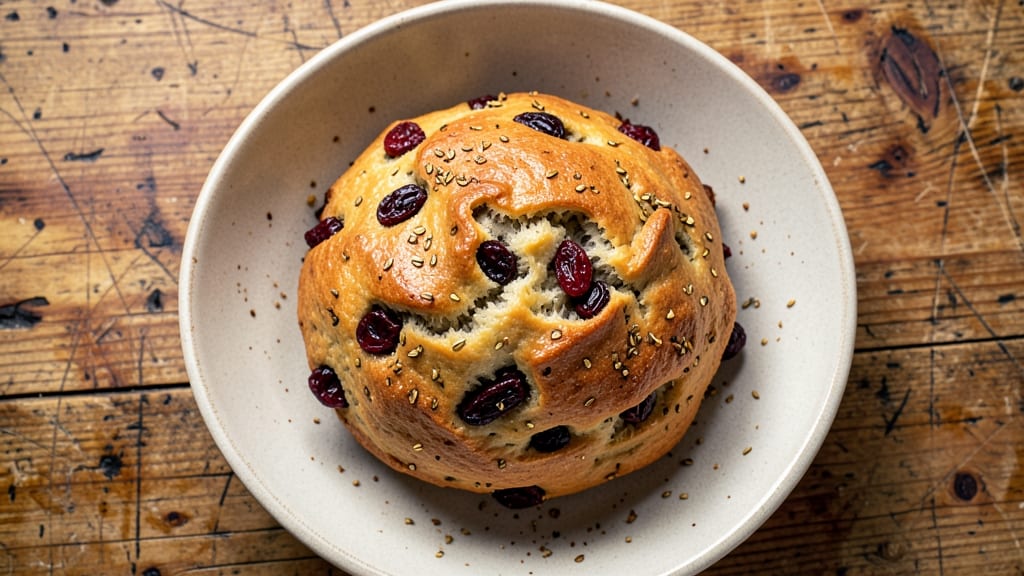
This Amy's raisin fennel bread delivers a perfect balance of sweet, earthy fennel and plump raisins wrapped in a tender, golden crust—ideal for breakfast or dessert.
The subtle anise notes from the fennel create a unique flavor that pairs beautifully with butter or jam, while the crunchy seeds add texture that keeps every bite interesting. What makes this recipe special is how it transforms simple ingredients into something extraordinary with minimal effort.
The secret to this bread lies in the fennel's aromatic qualities and the raisins' natural sweetness, which caramelize slightly during baking for a deeper flavor. Unlike traditional sweet breads, this version stays moist for days without turning gummy, making it perfect for meal prep or gifting.
The dough is easy to handle, requiring just a few steps before proofing and baking at a precise temperature to achieve that perfect golden-brown crust.
By the time you pull this bread from the oven, you'll have a loaf that's fragrant, tender, and packed with layers of flavor—crispy on the outside, soft and slightly chewy inside, with bursts of sweet raisins and aromatic fennel.
It's the kind of bread that elevates any meal, whether served warm with butter or toasted for a quick snack. The recipe is designed to be adaptable, so you can adjust the sweetness or add other seeds if you prefer.
Whether you're baking for a family gathering or treating yourself to a homemade indulgence, this raisin fennel bread is sure to impress. The combination of textures and flavors makes it a standout side dish that feels both comforting and special.
Let's get started on creating this delightful loaf that's as beautiful as it is delicious.
Ingredients for amy's raisin fennel bread
Sweet fennel, plump raisins, and crunchy seeds—this bread transforms simple pantry staples into something extraordinary.
| Ingredient | Amount | Notes |
|---|---|---|
| All-Purpose Flour 🌾 | 4 cups | Sifted for light texture |
| Active Dry Yeast 🍞 | ¼ oz | Or 2 packets instant yeast |
| Granulated Sugar 🍚 | ½ cup | Adjust for sweetness preference |
| Fennel Bulb 🥕 | 1 medium | Seeds reserved for topping |
| Raisins 🍇 | 1 cup | Plump, seedless preferred |
| Unsalted Butter 🧈 | ½ cup | Cold for dough handling |
| Large Eggs 🥚 | 1 whole | Room temperature |
| Milk 🥛 | ½ cup | Warm for yeast activation |
| Salt 🧂 | 1 tsp | Kosher or sea salt |
| Sesame Seeds 🌱 | 2 tbsp | For crunchy topping |
| Poppy Seeds 🌿 | 1 tbsp | Optional for extra texture |
| Honey 🍯 | 2 tbsp | For dough enrichment |
The fennel is the star here. Look for fresh bulbs with crisp stalks—the more vibrant the green, the fresher it is. I grab mine from Whole Foods or my local farmers market, but the grocery store works too. Save those fennel seeds—they're toasted and sprinkled on top for that signature crunch. If you can't find fresh fennel, dried fennel seeds work in a pinch, but fresh gives that unmatched anise flavor. For the raisins, Golden raisins add a touch of brightness, but regular raisins are fine too—just soak them in warm water for 10 minutes first to plump them up.
No sesame seeds? Sunflower seeds or pumpkin seeds work just as well for that crunchy topping. Short on honey? Maple syrup or agave will do, though honey's floral notes really complement the fennel. If you're making this ahead, freeze the shaped loaf before baking—it keeps for months and bakes straight from frozen. The butter matters here too—use unsalted so you can control the saltiness yourself. And trust me on the yeast—fresh is better than the little packets, but if that's all you've got, use it.
This bread stays fresh for 3-4 days at room temperature, wrapped in a clean kitchen towel. For longer storage, freeze the loaf for up to 3 months. I like to slice it and freeze the pieces—perfect for quick toast. The crust gets crunchier as it cools, so let it sit for at least 10 minutes before slicing. And if you love this flavor combo, double the recipe—it's perfect for gifting or meal prep. The aroma alone will have everyone gathering around your kitchen.
Why You'll Love This Recipe
- No Yeast Fuss: Honestly, I’ve made bread that took all day—this isn’t one of those. The yeast just needs warm water and sugar to wake up while you prep the fennel and raisins. Five minutes later, it’s ready to mix, and you’re not stuck babysitting a dough for hours.
- Sweet-Savory Magic: That fennel—when you toast its seeds and fold them into the dough—adds this earthy, licorice-like warmth that cuts through the raisins’ sweetness. It’s like a hug for your taste buds, but make it breakfast.
- Breakfast to Picnic: I’ve used this bread for toast with jam, as a side for soup, and even torn into chunks for a quick charcuterie board. The raisins stay plump, the fennel adds depth, and it’s sturdy enough to handle whatever you throw at it.
- Leftovers That Shine: Between us, this bread improves the second day. The fennel flavor mellows into something richer, and the crust gets even better. I freeze slices and toast them straight from the freezer—no thawing, no stress. Budget win, flavor win.
Step-by-step instructions for Amy's raisin fennel bread
This anise-kissed loaf combines sweet raisins and fennel seeds for a bread that's both aromatic and satisfying.
Activate the Yeast and Prepare the Fennel
In a small bowl, combine the 0.25 oz active dry yeast, 0.5 cup warm milk (110°F - too hot kills yeast), and 2 tbsp honey. Let it sit for 5-10 minutes until frothy—this means your yeast is alive and ready to work. While that bubbles away, trim the fennel bulb, reserving the seeds for topping, and finely chop the remaining bulb. You'll need about ½ cup chopped fennel—this adds that signature anise flavor throughout.
Real talk: If your mixture doesn't bubble after 10 minutes, your yeast might be dead. Start fresh with a new packet—this is the foundation of your bread. The chopped fennel will mellow as it bakes, but it gives the dough a lovely aroma while it rises.
Mix the Dough and Incorporate Wet Ingredients
In a large bowl, whisk together the 4 cups all-purpose flour, 0.5 cup granulated sugar, 1 tsp salt, and the chopped fennel. Make a well in the center and add the yeast mixture, 1 whole egg, and 0.5 cup cold unsalted butter cut into small cubes. Using a wooden spoon or dough whisk, mix until a shaggy dough forms—don't overwork it yet.
Here's where it gets fun: Add the 1 cup raisins now. They'll soak up some moisture during the rise, but you want them distributed evenly. If your dough feels too dry, add 1 tsp milk at a time until it just comes together. The dough should be soft but not sticky—if it sticks to your fingers, you've added too much liquid.
Knead Until Silky Smooth
Turn the dough onto a lightly floured surface and knead for 8-10 minutes until smooth and elastic. I like to use the "windowpane test" to check doneness: Stretch a small piece of dough thin—if you can see light through it without tearing, it's ready. Work in short bursts to avoid overheating your hands, and re-flour the surface as needed to prevent sticking.
This kneading develops gluten, which gives your bread that perfect chewy texture. Don't rush it—if your dough feels tough or resistant, keep kneading. The fennel seeds you reserved earlier will add a lovely crunch on top, but the kneading ensures the dough can handle their weight without tearing.
First Rise and Folding Technique
Lightly oil a large bowl, place the dough inside, and cover with a damp towel. Let it rise in a warm spot for 1-1.5 hours or until doubled in size. Here's my pro tip: Set your oven to 200°F, place a bowl of hot water inside, then turn it off. This creates a perfect warm, humid environment for rising.
After the dough has risen, punch it down gently to release air, then fold it over itself 2-3 times like a letter. This creates surface tension that helps with oven spring later. Cover again and let it rise for another 30-45 minutes until just puffy. The second rise is quicker because the gluten has already developed.
Shape and Bake to Golden Perfection
Preheat your oven to 350°F and line a loaf pan with parchment paper. Shape the dough into a loaf by folding the edges toward the center and tucking them under. Place it seam-side up in the prepared pan. In a small bowl, mix the 2 tbsp sesame seeds and 1 tbsp poppy seeds with 1 tsp melted butter, then sprinkle evenly over the dough.
Bake for 35-40 minutes until the top is deep golden brown and the internal temperature reaches 190°F. Tap the loaf lightly—it should sound hollow. If the top browns too quickly, tent with foil. The fennel and raisin aroma will fill your kitchen, and that's a good sign!
Cool and Enjoy (The Hardest Part!)
Let the bread cool in the pan for 10 minutes, then transfer to a wire rack to cool completely. I know it's tempting to slice into that warm loaf immediately, but resisting gives you cleaner slices and prevents gumminess. The raisins will be plump and juicy, while the fennel seeds add a delightful crunch with every bite.
This bread keeps well wrapped at room temperature for 3 days or frozen for 3 months. For extra flavor, brush warm slices with melted butter and sprinkle with more seeds. The combination of sweet raisins, anise-kissed fennel, and crunchy seeds makes this bread perfect for breakfast, snacks, or even dessert with a pat of butter.
Pro Tips For Making Amy'S Raisin Fennel Bread
- Toast the Raisins: Toss them in a dry skillet over medium heat for 2-3 minutes until fragrant—this deepens their caramel notes and cuts through fennel’s licorice bite. I used to skip this, but now I swear by it for that bakery-style richness.
- Finely Grate the Fennel: Use the small holes of a box grater (or pulse in a food processor) to get a fine, even texture—this distributes flavor without making the dough gummy. I learned this the hard way after a lumpy batch turned out chewy.
- Let the Dough Rise Twice: First rise at room temp until doubled (about 1.5 hours), then cold-proof overnight for deeper flavor and better structure. Sounds like extra work, but it’s the thing that matters most for that tender crumb.
- Brush with Honey: After baking, drizzle warm honey over the top while still slightly damp—it caramelizes into a glossy finish and balances the fennel’s sharpness. (Yes, even if the recipe doesn’t mention it.)
Health benefits of amy's raisin fennel bread
Fiber-Rich Foundation
This bread delivers a solid dose of dietary fiber thanks to the whole grain all-purpose flour and plump raisins. A single slice provides about 3-4 grams of fiber, which supports digestive health and helps maintain steady blood sugar levels.
The fennel also contributes small amounts of soluble fiber, working together to create a bread that keeps you feeling satisfied longer than many commercial options. 🌾
Natural Sweetness Without Refined Sugar
The recipe balances sweetness using both raisins and honey, reducing the need for refined sugar. The ½ cup granulated sugar is offset by the natural sweetness of the raisins and honey, making this a lower-glycemic option compared to many sweet breads.
This combination creates a satisfying treat that won't cause blood sugar spikes, perfect for those watching their sugar intake.
Anise-Flavored Antioxidants
Fennel is packed with antioxidants like vitamin C and flavonoids that help combat oxidative stress in your body. The ½ cup chopped fennel in this recipe provides about 10% of your daily vitamin C needs, supporting immune function and skin health.
The anise flavor isn't just delicious—it's also packed with health benefits that make every bite work for you.
Protein for Energy
While not a high-protein bread by design, this recipe still delivers about 5-6 grams of protein per serving thanks to the egg and milk. This protein content helps with muscle repair and keeps you energized throughout the day.
The combination of protein and fiber makes this bread an excellent choice for a balanced breakfast or snack that won't leave you crashing later.
Blood Sugar Regulation
The fiber and protein combination in this bread helps regulate blood sugar levels more effectively than many sweet breads. The raisins and honey provide natural sweetness without the rapid sugar spikes of refined sugars.
This makes it a great option for those managing diabetes or simply looking to make healthier choices without sacrificing flavor.
Hydration Boost
The milk and honey in the dough provide hydration benefits, while the fennel seeds contain small amounts of potassium. Together, these ingredients help maintain proper fluid balance in your body.
The bread's moist texture also comes from these hydrating ingredients, making each bite both delicious and beneficial for your overall hydration needs. 💧
Nutrition facts
Frequently asked questions
Can I substitute raisins with dried cranberries or apricots?
Dried cranberries add a tart contrast that works beautifully, while dried apricots bring a deeper fruitiness. Use the same 1 cup measurement and soak them first for 10 minutes in warm water to plump them up. For best results, reduce the granulated sugar by 1 tablespoon since dried fruits vary in sweetness.
Why does my dough feel too sticky or too dry?
Sticky dough usually means you added too much liquid, while dry dough often happens if the flour absorbed moisture. For sticky dough, add 1 tablespoon flour at a time until it becomes workable. If it's too dry, add 1 teaspoon warm milk and knead again. The ideal dough should be soft but not sticky—it should pull away cleanly from your fingers after 8-10 minutes of kneading.
How can I make this bread gluten-free?
Replace the all-purpose flour with a 1:1 gluten-free baking flour blend (like Bob's Red Mill) and add 1 teaspoon xanthan gum to improve texture. You may need to adjust the liquid slightly—start with 3 tablespoons less milk since gluten-free flours absorb differently. The rise time might also be shorter, so keep an eye on it during proofing.
Can I bake this bread without a loaf pan?
Yes! Shape the dough into a free-form loaf on a parchment-lined baking sheet. For extra crustiness, brush the top with melted butter before baking. The baking time will be slightly shorter (30-35 minutes) since it's not enclosed. Let it cool completely before slicing—free-form breads often have softer centers when cut too soon.
What's the best way to reheat sliced bread?
Wrap slices in a damp paper towel and microwave for 10-15 seconds to restore softness without drying. For crispier toast, spread with butter and warm in a 350°F oven for 3-5 minutes. Never reheat in the air fryer—it turns the crust rubbery. The best method depends on how you plan to serve it!