
Side Dishes
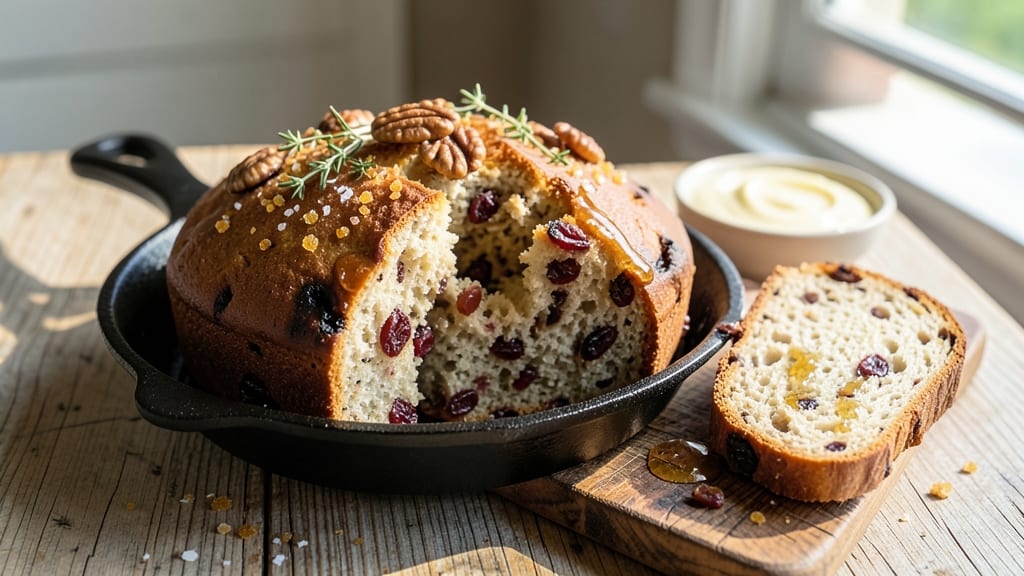
This Amish raisin bread recipe delivers the warm, comforting sweetness of a Pennsylvania Dutch kitchen, with tender crumb and nutty swirls that disappear faster than you can say "kumm" (come). 🌟 The secret lies in slow fermentation and a touch of cinnamon that transforms simple ingredients into something extraordinary—perfect for breakfast, gifts, or sharing with neighbors.
What makes this recipe special is the balance of sweetness and texture: plump raisins soaked in rum, a tender crumb studded with walnuts, and a golden crust that crackles just enough to hold your interest.
Unlike quick breads, this version develops rich flavor through overnight proofing, creating a loaf that’s both rustic and refined. The nutty swirl adds depth, while the molasses base ensures that sweetness lingers without overpowering.
By the time you pull this bread from the oven, your kitchen will smell like a slice of nostalgia—warm, spiced, and inviting. The raisins stay plump, the walnuts add satisfying crunch, and every bite reveals layers of flavor that make it worth the wait.
This isn’t just bread; it’s a centerpiece for any table, whether you’re feeding a family or bringing a loaf to a potluck.
For best results, bake it in a Dutch oven for that signature crust, and let it cool completely before slicing—patience ensures clean cuts and maximum enjoyment. The recipe scales easily, so you can make two loaves for sharing. Here’s how to create this homestyle treasure step by step.
Ingredients for amish raisin bread
Eight essential ingredients plus a few pantry staples—this bread delivers rustic Amish charm with every bite.
| Ingredient | Amount | Notes |
|---|---|---|
| All-Purpose Flour 🌾 | 6 cups | Spooned and leveled, not packed |
| Dark Brown Sugar 🍚 | 1 ½ cups | Packed firmly for accuracy |
| Unsalted Butter 🧈 | 1 cup | Cold, cubed for easier mixing |
| Large Eggs 🥚 | 2 whole | Room temperature for even mixing |
| Warm Water 💧 | 1 cup | 110°F, not boiling (microwave 30 sec) |
| Active Dry Yeast 🍞 | ¼ oz | 1 packet, proofed in warm water |
| Raisins 🍇 | 2 cups | Golden or dark, soaked in rum |
| Light Rum 🍹 | ½ cup | For soaking raisins, optional |
| Walnuts 🌰 | 1 ½ cups | Chopped, toasted for extra flavor |
| Ground Cinnamon 🌿 | 2 tsp | Freshly ground preferred |
| Ground Nutmeg 🌿 | ½ tsp | Freshly grated for warmth |
| Salt 🧂 | 1 tsp | Kosher or sea salt |
| Molasses 🍯 | ½ cup | Unsulphured for best flavor |
The yeast is your secret weapon here. Bob's Red Mill or Saf-Instant work best—check the expiration date, as old yeast won't activate properly. For the raisins, Costco or bulk bins usually have the best prices, and Golden raisins stay plumper than dark ones. Walnuts? Trader Joe's sells pre-chopped toasted ones for convenience, but toasting your own makes all the difference. The molasses should be thick and syrupy—Goya unsulphured is my go-to, but any quality brand works. If you can't find unsulphured, sulphured molasses will still work but has a slightly different flavor profile.
No rum? Apple juice or orange juice works just as well for soaking the raisins—just add a pinch of cinnamon to mimic the spice notes. Short on walnuts? Pecans or almonds are great substitutes, though the flavor will shift slightly. The cinnamon and nutmeg are non-negotiable for that classic Amish taste, but if you're out of one, allspice or cardamom can add depth in a pinch. For the butter, don't skimp on quality—Plugrá or Land O'Lakes work fine, but if you've got European-style butter, use that instead. And if you're making this ahead, the dough improves with an extra hour of proofing—just be sure to keep it covered.
This dough is best made a day ahead—it develops more flavor overnight. Store it in the fridge, covered, for up to 24 hours. The raisin-soaking liquid can be saved for cocktails or baking later. Once baked, let the bread cool completely on a wire rack before slicing—this prevents a gummy texture. It keeps well at room temperature for 3-4 days, wrapped in a clean kitchen towel. For longer storage, slice and freeze portions—just thaw at room temperature before serving. The crust gets crunchier as it cools, so slice it when it's still slightly warm for the best texture.
Why You'll Love This Recipe
- No Yeast Needed: I’ll admit, skipping yeast means no waiting around for dough to rise—just mix, bake, and enjoy. That brown sugar caramelizes into something rich and moist without the fuss, and honestly? It’s a lifesaver when I’m short on time.
- Sweet-Savory Magic: The raisins soak up that buttery brown sugar like little flavor sponges, while the warm water helps dissolve the sugar into a sticky, aromatic dough. First bite? That’s the kind of bread you’ll reach for when you’re craving something comforting but not too sweet.
- Breakfast to Dessert: Serve it toasted with butter for breakfast, or split a loaf with ice cream when you’re in the mood for something indulgent. Between us, I’ve even used slices to top oatmeal—because why not? It’s that versatile.
- Budget-Friendly Staples: Flour, sugar, butter, eggs—these are pantry basics that won’t break the bank. Plus, a single loaf lasts me days, whether I’m packing it for lunches or sneaking slices when no one’s looking. (Yes, even on a Tuesday night.)
Step-by-step instructions for Amish raisin bread
Here's how to bake that signature Amish raisin bread with perfect swirls and moist crumb.
👨🍳 Step 1: Proof the Yeast and Soak the Raisins
In a small bowl, combine the 1 cup warm water (about 110°F) with the 0.25 oz active dry yeast and let sit for 5-10 minutes until foamy. This tells you your yeast is alive and ready to work. Meanwhile, in a separate bowl, mix the 2 cups raisins with the 0.5 cup light rum and set aside. The rum will plump the raisins and add depth of flavor.
Here's the thing—if your yeast doesn't foam, don't panic. Just start over with fresh yeast and warm water. And remember, the rum is optional, but it makes a world of difference in that classic Amish flavor. If you skip it, just use extra water to soak the raisins instead.
🍳 Step 2: Mix the Dough Base
In a large mixing bowl, combine the 6 cups all-purpose flour, 1.5 cups dark brown sugar, 2 tsp ground cinnamon, 0.5 tsp ground nutmeg, and 1 tsp salt. Whisk until evenly distributed—you want no pockets of flour left. This is your dry mix foundation.
In a separate bowl, beat the 2 whole large eggs until frothy, then mix in the 1 cup cold unsalted butter (cut into cubes) and the 0.5 cup molasses. The butter should be cold so it creates those beautiful flaky layers later. Add the yeast mixture and mix until just combined, then stir in the soaked raisins.
🥘 Step 3: Create the Nutty Swirl Dough
Toast the 1.5 cups walnuts in a dry skillet over medium heat for 3-4 minutes until fragrant and lightly golden. Let them cool slightly, then chop roughly. In your mixing bowl, combine the toasted walnuts with 1 tablespoon of the flour mixture to create your swirl filling.
Now for the fun part—rolling out the dough. On a lightly floured surface, pat the dough into a 12x8-inch rectangle about ½-inch thick. Spread the nut mixture evenly over the dough, leaving a ½-inch border around the edges. Roll up tightly from the long side, then pinch the seam to seal. This creates those classic spiral swirls you love.
🔥 Step 4: First Rise and Shape
Place the rolled dough seam-side down in a greased 9x5-inch loaf pan. Cover with a clean kitchen towel and let rise in a warm place for 1-1.5 hours until it reaches the top of the pan. You'll know it's ready when the dough feels springy and has puffed noticeably.
I like to preheat my oven to 350°F while the dough rises—this keeps everything moving smoothly. If your kitchen is cold, place the pan near a warm spot like the top of your fridge or near a light bulb to help it rise faster. The goal is to get that dough nice and puffy before baking.
🔥 Step 5: Bake to Golden Perfection
Bake the covered loaf in the preheated oven for 30 minutes, then remove the cover and bake for another 20-25 minutes until the top is deep golden brown and a toothpick inserted comes out clean. The bread should smell like warm cinnamon and molasses—pure comfort food.
Let the bread cool in the pan for 10 minutes before transferring to a wire rack. This resting time prevents it from falling apart when you slice it. And here's a pro tip: If the top browns too quickly, tent it loosely with foil during the final baking time to prevent over-browning.
Pro Tips For Making Amish Raisin Bread
- Soak Raisins Properly: Dump them in warm water with a splash of vanilla extract and let them sit for at least 30 minutes—no, don’t skimp. I used to just toss them in dry, and the bread tasted like it was missing half its soul. The syrup they absorb makes all the difference when they bake.
- Cream Butter Slowly: Beat the butter and brown sugar until it’s light and fluffy, but don’t rush it. If it looks like wet sand, keep going—another 2-3 minutes will get you that ribbon stage. I learned this the hard way when my first batch turned out dense as a brick.
- Measure Flour Right: Spoon it into the cup, then level it off with a knife. Packing it down or scooping straight from the bag adds extra moisture, and suddenly your bread’s more cake than loaf. Trust me, a kitchen scale or proper measuring cup saves headaches later.
- Bake Low and Slow: 325°F is the magic number—don’t crank it higher to hurry things. The raisins need time to soften and release their flavor, and a hot oven will just burn the outside before the center’s done. I was skeptical until I tried it; now I won’t bake it any other way.
Troubleshooting your amish raisin bread
Dense Dough Issues
If your dough feels too thick or sticky after mixing, you’ve likely overworked the gluten or used too much liquid. First, check your flour measurement—spoon and level your 6 cups all-purpose flour to avoid packing.
If the dough sticks to your hands, add 1-2 tablespoons of flour at a time while kneading. For extra stickiness, chill the dough for 15 minutes before shaping—this firms it up. I’ve found that using cold butter (as specified) helps prevent a gummy texture. 🥖
Raisins Too Dry
Dry raisins are the fastest way to ruin your bread’s texture. Always soak them in 0.5 cup rum (or juice) for at least 30 minutes before mixing. For extra plumpness, microwave the soaked raisins for 20 seconds before adding them to the dough.
If you forget to soak them, toss them in 2 tablespoons warm water right before mixing—this works in a pinch. Pro tip: Use Golden raisins instead of dark—they absorb moisture better. 🍇
Poor Swirl Shape
The nutty swirl should be even and tight, but uneven rolling or too much dough can cause gaps. First, ensure your dough is ½-inch thick when rolled out—thicker dough is harder to seal. If the swirl looks lumpy, gently press down on the filling before rolling.
For a cleaner seam, pinch the edges firmly as you roll. If the dough springs back too much, let it rest 10 minutes before shaping. I’ve had the best luck using a rolling pin with a smooth surface to avoid tearing. 🌰
Pale or Cracked Crust
A pale crust usually means the bread didn’t bake long enough or the oven wasn’t hot enough. Preheat your oven to 350°F for at least 15 minutes before baking. For extra color, brush the top with 1 tablespoon melted butter after the first 30 minutes of baking.
If the crust cracks too much, tent the bread loosely with foil during the final 10 minutes of baking. A Dutch oven creates the best crust—if you have one, bake the bread uncovered in it for the last 10 minutes. 🔥
Dough Not Rising
Cold kitchens or dead yeast are the top culprits for dough that won’t rise. First, check your yeast—it should foam within 5-10 minutes in warm water. If not, replace it.
Place your dough in a warm spot (like the top of the fridge or near a light bulb) to help it rise. For extra warmth, turn your oven on low (200°F), place the dough inside with the light on, and turn it off once it starts rising.
Don’t rush it—1-1.5 hours is ideal for a good rise. 🌡️
Nutrition facts
Frequently asked questions
Can I make this bread without rum?
The rum adds depth but isn't essential. Replace it with ½ cup apple juice or orange juice for soaking the raisins—just add a pinch of cinnamon to mimic the spice notes. The raisins will still plump beautifully, and the bread will maintain its classic sweetness.
How do I store leftovers?
Wrap cooled slices in a clean kitchen towel or store in an airtight container at room temperature for 3-4 days. For longer storage, freeze slices in a ziplock bag for up to 3 months. Thaw at room temperature before serving to preserve that perfect texture.
Why does my dough spring back when rolling?
This happens when gluten develops too much during mixing. Let the dough rest for 10-15 minutes before rolling, then gently pat it into shape. Avoid overworking it—just handle it enough to combine ingredients. Cold butter and proper flour measurement (spoon and level) also help prevent this.
Can I substitute walnuts?
Yes! Try pecans or almonds for a different texture. Toast them first for extra flavor, then chop as directed. Pecans add a slightly sweeter note, while almonds keep the nutty profile but with a finer crunch. Just reduce the quantity by ¼ cup if using almonds—they're denser.
How do I know when it's fully baked?
Look for a deep golden brown crust and insert a toothpick—it should come out clean. Tap the bottom: it should sound hollow. If the top browns too quickly, tent with foil during the last 10 minutes of baking. The internal temperature should reach 190°F.