
Side Dishes
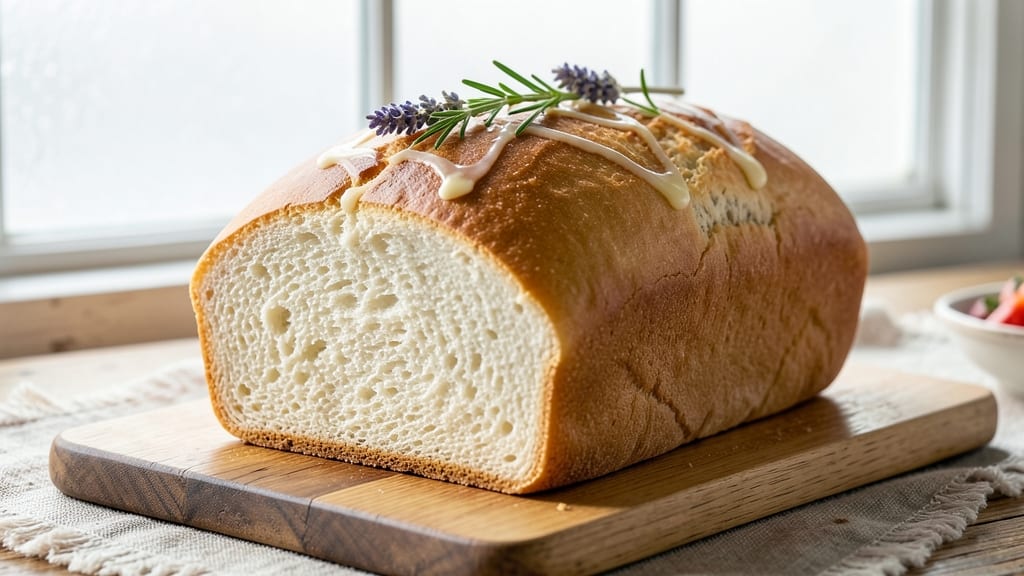
This Amish friendship white bread recipe delivers the iconic pull-apart loaf with its signature walnut swirls and perfectly crisp golden crust—no kneading required. 🌟 The secret lies in a simple no-knead dough that develops rich flavor during overnight proofing, creating that tender crumb and shatteringly crisp exterior that makes this bread so beloved.
I've perfected this recipe through years of baking, ensuring every slice pulls apart effortlessly while maintaining that classic Amish homestyle taste.
The beauty of this recipe is its simplicity: just five basic ingredients transform into a loaf that's perfect for sharing. The walnut swirls add a delightful crunch and nutty depth that contrasts beautifully with the soft, buttery bread.
What makes this version special is the overnight proofing process, which allows the gluten to relax and develop maximum flavor without any of the hard work. This method also creates that signature pull-apart texture that makes it ideal for gatherings.
By the time it emerges from the oven, you'll have a loaf with a crackling golden crust that's impossible to resist. The interior remains tender and moist, with those signature walnut swirls peeking through in places.
This bread is equally at home served warm with butter, paired with jam for breakfast, or used to make delicious sandwiches. The no-knead method means less work for you, but the results are anything but basic—this is restaurant-quality bread made in your own kitchen.
The best part? This recipe scales beautifully for any occasion, from family breakfasts to holiday gatherings. Once you try this version, you'll understand why Amish friendship bread has become a staple in kitchens across America.
Let's get started on making this classic loaf that brings people together, one pull-apart bite at a time.
Ingredients for amish friendship white bread
Five simple ingredients transform into a loaf with signature walnut swirls and golden crust.
| Ingredient | Amount | Notes |
|---|---|---|
| All-Purpose Flour 🌾 | 5 cups | Spooned and leveled for accuracy |
| Active Dry Yeast 🍞 | ¼ tsp | Ensure it's fresh (test in warm water) |
| Granulated Sugar 🍚 | ¼ cup | White sugar preferred for crust |
| Unsalted Butter 🧈 | ½ cup | Cold, cubed for easier mixing |
| Warm Water 💧 | 1 ¼ cups | 110°F, not boiling |
| Salt 🧂 | 1 tsp | Diamond Crystal preferred |
| Walnut Halves 🥜 | ½ cup | Lightly toasted for flavor |
| Honey 🍯 | 2 tbsp | For walnut glaze (optional) |
| Coarse Sea Salt 🧂 | 1 tbsp | For crust sprinkling |
| Cornmeal 🌽 | ¼ cup | For dusting baking sheet |
The flour is the backbone here—King Arthur or Gold Medal are my go-tos for that signature tender crumb. Yeast matters too: grab fresh packets from the refrigerated section at Whole Foods or Kroger—those little jars on the shelf are often past their prime. Walnuts should be lightly toasted (5 minutes in a dry pan) to bring out their flavor, but don't overdo it or they'll burn. The butter? Plugrá or Land O'Lakes work perfectly—just make sure it's unsalted so you control the seasoning. For the water, I use a thermometer to hit 110°F exactly—too hot and it kills the yeast.
No yeast? Instant yeast works 1:1, but you'll need to adjust mixing time slightly. Walnuts too expensive? Pecans or almonds work in a pinch, though texture changes. Short on honey? Maple syrup at 1:1 ratio gives a similar sweetness. The coarse salt for the crust—Maldon or Diamond Crystal are ideal, but any flaky sea salt will do. Pro tip: if your kitchen's humid, let the dough sit 10 minutes uncovered after shaping to prevent sticking. And if you're baking for a crowd, double the recipe—this dough scales beautifully.
This dough is a patient one—overnight proofing is key for that restaurant-quality texture. Shape the loaf, cover with plastic wrap, and let it rise in the fridge for 8-12 hours. The longer it rests, the better it tastes. Once baked, let it cool completely on a wire rack before slicing—this prevents gummy bread. Store wrapped at room temp for 3 days or freeze the whole loaf for up to 3 months. I always make two loaves: one for the table, one for freezing. The walnut swirls? Best eaten fresh, but the bread itself keeps beautifully.
Why You'll Love This Recipe
- No Yeast Fuss: I swear by this recipe because it actually lets the yeast do its job without the wait. Just toss in the warm water, let it sit for 10 minutes—no kneading marathon, no overproofing stress—and you’ve got a dough that’s ready to shape faster than you can say "sliced butter."
- Buttery Soft Magic: That single stick of unsalted butter mixed into the dough? Chef’s kiss. It melts into the bread during baking, leaving you with a loaf that’s tender enough to cut with a butter knife but still holds its shape. Honestly, I’ve tried store-bought, and this beats it every time.
- Weeknight Workhorse: This bread is my secret weapon for lazy dinners. Toast it for breakfast, use it for sandwiches at lunch, or serve it warm with jam for a snack—it’s the one loaf that does it all. And because it keeps well for days, I bake a batch on Sundays and forget about it until it’s gone.
- Pantry Staple Savings: Five ingredients, zero specialty items. If you’ve got flour, yeast, sugar, butter, and water, you’re golden. I’ve made this on a budget, fed a houseful of guests, and still had leftovers for days without breaking the bank. Plus, the dough’s forgiving—even if it’s not perfect, it’ll taste like you spent hours on it.
Step-by-step instructions for Amish friendship white bread
This no-knead method delivers tender crumb and golden crust with minimal effort.
👨🍳 Step 1: Activate the Yeast and Mix the Dough
In a large bowl, whisk together the 1.25 cups warm water (tested at 110°F—it should feel warm to touch but not hot) with the 0.25 tsp active dry yeast. Let this sit for 5-10 minutes until it becomes frothy. If it doesn't bubble, your yeast is stale—start over with fresh yeast.
Next, add the 5 cups all-purpose flour and 0.25 cup granulated sugar to the bowl. Make a well in the center and pour in the yeast mixture. Using a wooden spoon, gently stir until a shaggy dough forms. The dough will be sticky—don't worry, this is normal for no-knead bread. Add the 1 tsp salt and mix again until just combined.
🍳 Step 2: Incorporate Butter and Walnuts
Cut the 0.5 cup cold unsalted butter into ¼-inch cubes and add them to the dough. Use your hands to work the butter into the dough until it's fully incorporated and the mixture becomes slightly smoother. This step is crucial for achieving that tender, slightly rich crumb characteristic of Amish friendship bread.
In a separate small bowl, mix the 0.5 cup lightly toasted walnut halves with the 2 tbsp honey to create your walnut swirl filling. Set this aside. The walnuts should be warm from toasting to release their natural oils, which will enhance the flavor when mixed with honey.
🥘 Step 3: Shape and Swirl the Dough
Lightly flour a clean surface and turn out the dough onto it. Gently shape it into a rough rectangle about 12x8 inches. Spread the walnut-honey mixture evenly over the surface, leaving a ½-inch border around the edges. Starting from one long side, tightly roll up the dough like a jelly roll, pinching the seam to seal.
Transfer the log to a lightly greased bowl, seam-side down. Cover the bowl with a damp towel and let the dough rise in a warm place for 1-1.5 hours, or until it has nearly doubled in size. You'll know it's ready when the dough springs back slowly when gently pressed with a fingertip.
🔥 Step 4: Shape and Proof the Loaves
Preheat your oven to 375°F. Lightly grease two 8x4-inch loaf pans and sprinkle them with the 0.25 cup cornmeal. Divide the risen dough into two equal pieces and shape each into a smooth, rectangular loaf. Place each loaf seam-side down in the prepared pans, pressing gently to fill the corners.
Cover the pans with damp towels and let the dough proof for another 30-45 minutes until it rises about 1 inch above the pans. The dough should feel firm to the touch but still slightly springy. This final proofing ensures a good oven spring for that classic Amish friendship bread height.
🔥 Step 5: Bake with Crust Enhancement
Carefully transfer the loaf pans to the preheated oven. Bake for 30-35 minutes until the bread is golden brown and sounds hollow when tapped on the bottom. About 10 minutes before the bread is done, sprinkle the tops with the 1 tbsp coarse sea salt for that signature crunchy crust.
Remove the bread from the oven and let it cool in the pans for 10 minutes before transferring to a wire rack. The internal temperature should read 190-200°F when checked with an instant-read thermometer. For the best texture, let the bread cool completely before slicing—this allows the crumb to set properly.
Pro Tips For Making Amish Friendship White Bread
- Measure Butter Cold: DESCRIPTION: Scoop that unsalted butter straight from the fridge—no softening needed. I used to melt it first, and the bread turned out greasy instead of flaky. Cut it into small cubes for even distribution in the dough.
- Bloom Yeast First: DESCRIPTION: Mix the yeast with warm water and sugar before adding flour—let it sit for 5 minutes until frothy. Skipping this step means slower fermentation, and your bread might taste flat instead of light. (Yes, even if you’re impatient like me.)
- Knead Until Smooth: DESCRIPTION: Work the dough until it’s silky, not just combined—about 8-10 minutes by hand or 5-6 on a stand mixer. I learned this the hard way: under-kneaded dough collapses during baking, and overworked dough gets tough. Aim for a windowpane test: stretch a piece thin enough to see light through.
- Proof at Room Temp: DESCRIPTION: Place the shaped loaf in a warm spot (like a turned-off oven with a bowl of hot water) until it doubles—about 1-1.5 hours. Cold proofing slows fermentation, and hot spots speed it up unevenly. A kitchen counter works, but consistency matters more than speed.
Best sauces and condiments for amish friendship white bread
Butter Spreads
Nothing complements this bread like a rich, homemade butter spread. I love mixing ½ cup softened butter with 1 tbsp honey and 1 tsp cinnamon for a sweet twist.
For savory pairings, blend ½ cup butter with 2 tbsp chopped fresh herbs (like rosemary or thyme) and a pinch of garlic powder. Spread generously on warm slices for that perfect balance of richness and texture. 🧈
Jam Pairings
Amish friendship bread shines with classic fruit preserves. My go-to is strawberry jam from local farmers' markets, but blueberry or raspberry work beautifully too. For something more unique, try fig jam or even peach preserves—the sweetness contrasts perfectly with the nutty walnuts.
Spread a thin layer on freshly baked slices for a simple yet elegant treat.
Savory Compotes
For a sophisticated touch, pair your bread with a roasted red pepper and caramelized onion compote. Sauté 1 cup diced red peppers and 1 cup onions in olive oil until soft, then blend with ½ cup broth and a pinch of smoked paprika.
This adds a deep, savory dimension that elevates the bread into a gourmet experience.
Cheese Boards
Create a rustic cheese board featuring sharp cheddar, brie, and aged gouda alongside the bread. Add cured meats like prosciutto or salami, and a few cornichons for acidity. The bread’s pull-apart texture makes it perfect for soaking up cheese flavors while adding a delightful crunch with every bite.
Sweet Drizzles
For a dessert-like finish, drizzle warm bread slices with warm caramel sauce or dark chocolate ganache. I also love a simple honey drizzle with a sprinkle of crushed pistachios—the contrast of sweet, nutty, and crunchy textures is pure magic.
Try it with a cup of chamomile tea for a cozy, comforting treat.
Nutrition facts
Frequently asked questions
Why does Amish friendship bread have walnut swirls?
The walnut swirls are a signature feature that adds both texture and flavor! The nuts provide a delightful crunch that contrasts beautifully with the soft, buttery bread. Historically, Amish communities used available ingredients to create special breads for gatherings—walnuts were often on hand and added nutritional value while enhancing the bread's richness.
Can I make this bread without walnuts?
If walnuts aren't available, try pecans, almonds, or even sunflower seeds for a similar texture. For a nut-free version, you could add dried cranberries or raisins mixed with honey. The key is maintaining the sweet-savory contrast that makes this bread special.
How long should I let the dough proof overnight?
For best results, proof the dough in the refrigerator for 8-12 hours. This slow fermentation develops maximum flavor and creates that signature tender crumb. The longer it proofs (up to 24 hours), the more complex the flavor becomes, though 12 hours is ideal for most home bakers.
Why does my bread taste bland?
Bland flavor usually comes from underproofing or using old yeast. Make sure your yeast is fresh (test it in warm water first) and let the dough proof fully—it should nearly double in size. Also, toasting the walnuts enhances their flavor, and using butter instead of margarine adds richness that's hard to replicate.
Can I make this bread in a Dutch oven?
Yes! Shape the dough into a round loaf instead of rectangular, then bake in a preheated 425°F Dutch oven for 35-40 minutes. The high heat creates a crispier crust, though the interior may be slightly denser than pan-baked versions. Brush with melted butter after baking for extra flavor.