
Side Dishes
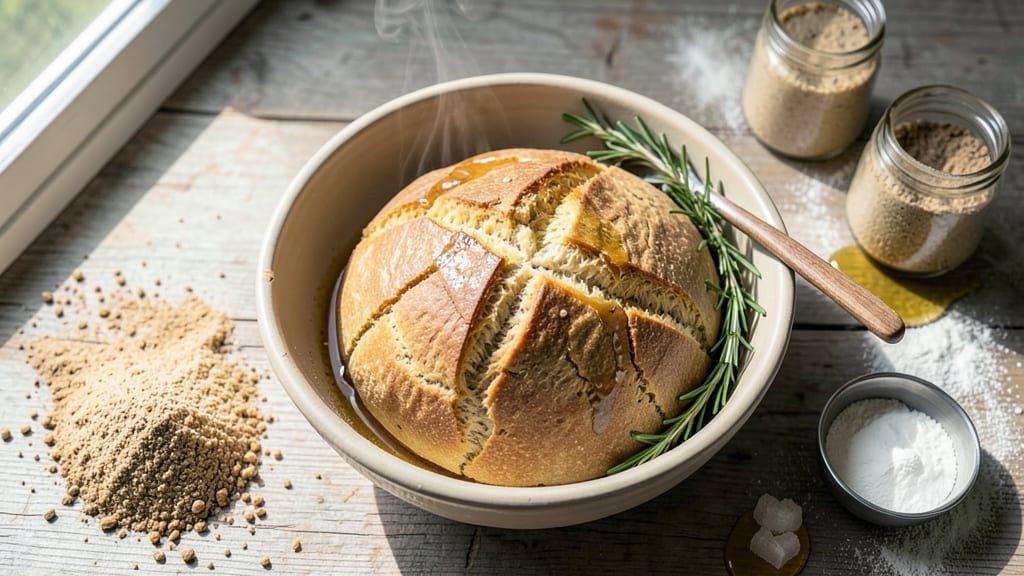
This Amish friendship sourdough bread recipe delivers the perfect balance of crispy crust and tender crumb—plus those signature walnut swirls that make it irresistible. The secret lies in a well-fed sourdough starter and careful shaping, where the dough's pull-apart texture becomes the star.
I've baked this loaf for gatherings where it disappears faster than you can say "friendship bread," and the aroma alone makes any meal feel special.
The process begins with cultivating a lively sourdough starter, which adds depth of flavor and that signature tang. Once the dough comes together, the shaping technique transforms it into a loaf that's both beautiful and functional—ideal for sharing.
The walnut swirls add richness and texture, while the crust develops a satisfying crunch that contrasts perfectly with the soft interior. This isn't just bread; it's a centerpiece that brings people together.
What makes this recipe truly special is how it captures the essence of Amish baking traditions while being approachable for home cooks. The dough requires patience—allowing it to proof slowly develops its best flavor—but the result is worth every minute.
Each slice offers a mix of crispy edges, chewy crumb, and nutty swirls that make it perfect for breakfast toast, sandwiches, or simply enjoyed with butter and jam.
Whether you're baking for a family gathering or treating yourself to homemade bread, this recipe delivers restaurant-quality results with a rustic touch. The key is attention to detail during shaping and baking, ensuring that every bite lives up to the tradition.
Let's get started on creating a loaf that will become a staple in your kitchen.
Ingredients for amish friendship sourdough bread
The heart of this Amish friendship bread lies in its sourdough soul and nutty swirls—simple ingredients that transform into a loaf worth sharing.
| Ingredient | Amount | Notes |
|---|---|---|
| Active Sourdough Starter 🍞 | 2 cups | Well-fed, bubbly starter (100% hydration) |
| All-Purpose Flour 🌾 | 5 cups | Unbleached, high-protein preferred |
| Whole Wheat Flour 🌾 | 1 cup | For added texture and nutrition |
| Granulated Sugar 🍚 | ¼ cup | Brown sugar for deeper flavor |
| Instant Yeast 🍞 | ¼ tsp | For reliable rise |
| Salt 🧂 | 1 ½ tsp | Diamond Crystal preferred |
| Warm Water 💧 | 1 ½ cups | 105-110°F for optimal hydration |
| Chopped Walnuts 🥜 | 1 ½ cups | Toasted for enhanced flavor |
| Honey 🍯 | 2 tbsp | For sweetness and moisture |
| Cornmeal 🌽 | ½ cup | For dusting and crispy crust |
| Coarse Sea Salt 🧂 | 1 tbsp | For sprinkling on crust |
| Olive Oil 🫒 | 2 tbsp | Extra-virgin for richness |
The sourdough starter is non-negotiable—it's what gives this bread its signature tang and chewy texture. King Arthur or Bob's Red Mill flours work beautifully, but if you're buying whole wheat, grab the organic stone-ground kind for better flavor. Walnuts? Trader Joe's has the best-priced pre-chopped ones, but toast your own for deeper flavor. The honey should be raw and local if you can find it—local farmers markets often have small jars. And that starter? Feed it daily for 5 days before using to ensure maximum activity. The yeast might seem redundant with sourdough, but it gives that extra lift during the first rise.
No walnuts? Pecans or almonds work in a pinch, though texture will differ. Short on honey? Maple syrup or agave at the same amount keeps things vegan-friendly. The olive oil can be swapped for melted butter if you're not strictly plant-based, but trust me on the full-fat version—it makes the crust shine. For the flour, if you can't find whole wheat, spelt flour adds a nice nutty flavor. And if your starter isn't ready? Store-bought sourdough starter from the baking aisle works, but feed it for 3 days first to wake it up. The cornmeal is key for that rustic crust—don't skip it!
This dough needs patience—proof it overnight in the fridge for maximum flavor development. Once baked, let it cool completely before slicing (the hardest part!). The loaf keeps beautifully for 5-7 days wrapped in a cotton towel, or you can freeze slices for up to 3 months. I always bake two loaves—one for the table, one for gifts. The aroma alone makes any gathering feel special, and those walnut swirls? Absolute game-changer. Store any extra flour in the freezer to keep it fresh, and keep that starter alive—it's the secret weapon for all your baking adventures.
Why You'll Love This Recipe
- No-Knead Magic: I’ll be real—this recipe lets me skip the whole kneading struggle. Just mix the starter with all-purpose and whole wheat flours, a pinch of sugar, and a tiny bit of yeast, then let it rise. My hands stay clean, and the dough does all the work.
- Sweet & Tangy Crunch: That whole wheat flour gives it a nutty bite, while the sourdough starter brings a bright, tangy depth. Honestly, the first time I bit into it still warm, I grabbed another slice before my toast even cooled.
- Lunchbox Hero: Between us, this bread is my go-to for sandwiches—whether it’s PB&J for my kid’s lunch or a quick grilled cheese when I’m starving. The crust holds up, and the texture stays soft for days. (Yes, even on a Tuesday night.)
- Budget-Friendly Staple: I make a double batch and freeze half—no waste, just fresh bread anytime. The whole wheat flour adds fiber, and using my own starter cuts costs. Three loaves later, and I’m still smiling at the savings.
Step-by-step instructions for Amish friendship sourdough bread
This recipe transforms simple ingredients into a rustic loaf with walnut swirls and a golden crust—just like the Amish make it.
Mix the Wet Ingredients and Toast the Walnuts
In a large mixing bowl, combine the 2 cups Active Sourdough Starter, 1.5 cups Warm Water, 2 tbsp Honey, and 2 tbsp Olive Oil. Stir until everything is fully incorporated and the mixture looks slightly shimmery. This creates a smooth foundation for the dough.
While the wet ingredients rest, toast the 1.5 cups Chopped Walnuts in a dry skillet over medium heat for 5-6 minutes, stirring constantly, until they release their aroma and turn a rich golden brown. Let them cool completely before adding to the dough—this enhances their flavor and prevents the dough from becoming too warm.
Combine Dry Ingredients and Form the Dough
In a separate bowl, whisk together the 5 cups All-Purpose Flour, 1 cup Whole Wheat Flour, 0.25 cup Granulated Sugar, 0.25 tsp Instant Yeast, and 1.5 tsp Salt. Gradually add this dry mixture to the wet ingredients, stirring with a wooden spoon until a shaggy dough forms. The dough should be sticky but manageable—this is normal for a high-hydration sourdough.
Knead the dough on a lightly floured surface for 5-7 minutes until it becomes smooth and elastic. If it feels too sticky, wet your hands slightly to help it come together. Once the dough is cohesive, shape it into a round ball and place it back in the bowl. Cover with a damp towel and let it rest for 30 minutes at room temperature.
Create the Walnut Swirl and Shape the Loaf
After the dough rests, gently flatten it into a rectangle on a floured surface. Sprinkle the cooled, toasted 1.5 cups Chopped Walnuts evenly over the dough, leaving a ½-inch border around the edges. Roll the dough tightly into a log, starting from one of the short ends, to create a swirl of walnuts inside.
Shape the log into a 12-inch oval loaf, pinching the seams to seal. Place the loaf seam-side down on a piece of parchment paper and cover it loosely with a damp towel. Let it rise at room temperature for 1-2 hours, or until it has nearly doubled in size. The dough should feel light and airy when pressed gently.
Prepare the Dutch Oven and Bake
Preheat your oven to 425°F with a Dutch oven inside for 30 minutes. While the oven heats, dust a baking sheet with 0.5 cup Cornmeal and place the risen loaf on it. Sprinkle the top generously with 1 tbsp Coarse Sea Salt for that classic Amish touch.
Carefully transfer the loaf and baking sheet into the preheated Dutch oven. Bake for 30 minutes, then remove the lid and continue baking for another 15-20 minutes until the crust is deep golden brown and the internal temperature reaches 190°F. The bread should sound hollow when tapped on the bottom.
Cool and Slice for Maximum Enjoyment
Remove the loaf from the Dutch oven and let it cool on a wire rack for at least 1 hour before slicing. This resting period allows the crumb to set and the flavors to meld. The crust should be crispy and fragrant, while the interior reveals beautiful walnut swirls throughout.
Slice the bread into ½-inch thick pieces and serve warm with butter or jam. The combination of the tangy sourdough, nutty walnuts, and crispy crust makes every bite worth the wait—just like the Amish have been doing for generations.
Pro Tips For Making Amish Friendship Sourdough Bread
- STRETCH AND FOLD: I learned this the hard way—skipping the final stretch-and-fold after bulk fermentation makes the dough dense and gummy. Give it 3-4 sharp pulls and folds at 90-degree angles, then let it rest 30 minutes before shaping. The extra effort guarantees that open crumb and airy texture.
- WEIGH THE WHOLE WHEAT: Whole wheat flour packs differently than all-purpose, and eye-balling it leads to dry dough. Use a scale for the whole wheat portion—it’s usually about 10-15% less by volume. I was skeptical until I tried it: the bread stays tender without turning dense.
- DON’T OVERPROOF THE STARTER: Amish recipes often call for a small amount of instant yeast alongside the sourdough starter, but if your starter’s already active, skip it. Overproofing the starter (beyond 4-6 hours at room temp) kills the tang and weakens the rise. Test it by dropping a spoonful in water—if it floats within 10 seconds, it’s ready.
- CHILL THE SHAPED LOAF: Sounds weird, but it works: refrigerate the shaped loaf overnight before baking. The cold slows fermentation, deepens the flavor, and prevents a flat top. I skip this when I’m lazy, but the crust is noticeably better when I don’t—more color, less risk of a sad, squat loaf.
Make-ahead tips for leftovers
Starter Prep Ahead
Feed your sourdough starter for 5 days before baking—this ensures maximum activity and flavor. I like to keep mine in a glass jar on my counter, feeding it 1:1:1 (starter:flour:water) ratio daily.
For extra convenience, store the active starter in the fridge between feedings—it’ll last 1-2 weeks without feeding. Just pull it out 12 hours before using to wake it up. 💪
Dough Pre-Rise
Shape your dough the night before and let it cold-proof in the fridge for 8-12 hours. This slow rise develops deeper flavor and makes the walnut swirls more pronounced.
I wrap mine in plastic wrap and place it in a loaf pan to maintain shape. The next morning, it’ll be ready to bake—just preheat that Dutch oven! ❄️
Walnut Prep Shortcut
Toast your walnuts in advance and store them in an airtight container at room temperature for up to 1 week. I often toast a big batch and keep them on hand for other recipes too.
For extra flavor, mix in 1 tsp cinnamon or ½ tsp cardamom while toasting—it adds a cozy twist to the swirls. 🥜
Baking Timeline
Plan your baking session 2-3 hours before mealtime. The Dutch oven needs 30 minutes to preheat, baking takes 45-50 minutes, and cooling is 1 hour minimum. Pro tip: Set a timer for 15 minutes after removing the lid to check for doneness—overbaking dries out the crust. 🌡️
Freezer-Friendly Slices
Slice the cooled loaf and wrap individual pieces in parchment paper, then store in a freezer bag for up to 3 months. To reheat, warm in a 350°F oven for 5-7 minutes or toast in a skillet over medium heat for 2 minutes per side.
The crust stays crispy, and the walnuts maintain their crunch. Perfect for quick breakfasts! ⏰
Gift-Worthy Packaging
For sharing, wrap the cooled loaf in burlap or brown paper tied with twine—just like Amish bakers do. Add a sprig of rosemary or a handwritten tag for a personal touch.
I’ve given these as gifts for holidays, and they’re always a hit. Store any extras in a bread box to keep them fresh longer. 🎁
Nutrition facts
Frequently asked questions about Amish friendship sourdough bread
Why does this bread have walnut swirls?
The walnut swirls are a signature feature of Amish friendship bread, adding both texture and richness. They create beautiful visual patterns when sliced and provide a satisfying crunch that contrasts perfectly with the soft, chewy sourdough interior. The nuts also enhance the bread's nutritional value while keeping it moist longer than traditional sourdough.
Can I make this without a Dutch oven?
Yes, but you'll need to adjust your approach. Use a baking sheet with a rim and place a metal bowl upside down over the loaf during baking to create steam. Alternatively, bake on a pizza stone for 10 minutes before transferring to a baking sheet. The crust won't be as crispy, but the interior will still be delicious. For best results, try to find a heavy oven-safe pot as a substitute.
How do I know when my sourdough starter is ready?
Your starter is ready when it's bubbly, doubles in size within 4-6 hours after feeding, and has a slightly tangy aroma. For this recipe, feed it daily for 5 days before using to ensure maximum activity. It should float in water when dropped in—a classic test for readiness. If it's sluggish, give it one more feeding and try again in 24 hours.
What's the best way to store leftover bread?
Wrap the cooled loaf in a clean cotton towel or beeswax wrap and store at room temperature for 3-4 days. For longer storage, slice and freeze individual pieces in parchment-lined bags for up to 3 months. To revive frozen slices, warm in a 350°F oven for 5-7 minutes until crispy again. The walnuts stay fresh this way!
Can I substitute the walnuts with other nuts?
Pecans or almonds work well as substitutes, though texture will differ slightly. For a sweeter variation, try candied pecans or even dried cranberries mixed with chopped nuts. Just toast them first to enhance flavor. If you're avoiding nuts entirely, consider adding 1 tbsp cinnamon or ½ cup dried fruit for similar texture and sweetness contrast.