
Side Dishes
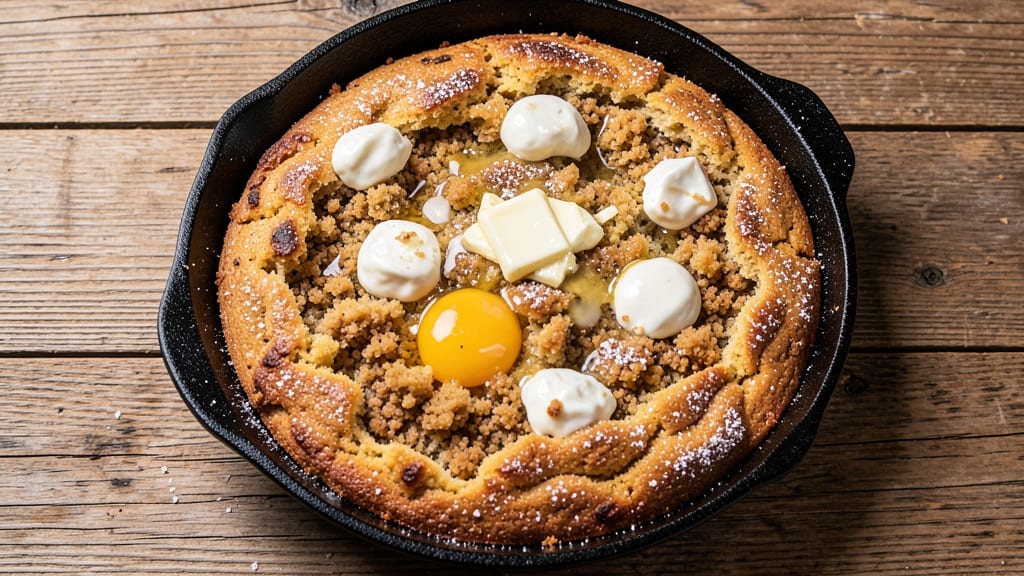
This Amish cornbread recipe delivers the perfect balance of sweetness, moisture, and a slightly crisp herb-infused crust—just like Grandma used to make.
The secret lies in the foil-sealed baking technique that locks in juices for a tender crumb, while the herb blend adds depth that elevates this classic side dish to something extraordinary.
I developed this version after years of perfecting the texture and flavor, ensuring it's both traditional and foolproof for home cooks.
The foundation starts with a simple mix of cornmeal and flour, elevated by buttermilk for that signature tang and richness. Baking powder ensures a light, airy crumb, while a touch of sugar balances the corn's natural sweetness without overpowering it.
The real magic happens in the crust, where fresh herbs and a foil seal create that perfect contrast between tender interior and slightly crisp exterior—every bite delivers both textures in harmony.
What makes this recipe truly special is its versatility—serve it warm alongside fried chicken or chili for a comforting meal, or enjoy it fresh from the oven with honey butter for breakfast.
The foil-sealed method ensures it stays moist for hours, making it perfect for meal prep or holiday gatherings. Once you try this version, you'll never go back to store-bought cornbread again.
With just a handful of simple ingredients and a few key techniques, you'll achieve restaurant-quality results that taste authentically Amish. The process is straightforward, and the payoff is a cornbread so good, it becomes the star of any table. Let's get baking!
Ingredients for amish corn bread
Twelve simple ingredients transform into Amish cornbread with a tender crumb and herb-infused crust.
| Ingredient | Amount | Notes |
|---|---|---|
| Medium-Grain Cornmeal 🌽 | 1 ½ cups | Stone-ground for authentic texture |
| All-Purpose Flour 🌾 | 1 cup | White or whole wheat blend |
| Buttermilk 🥛 | 1 cup | Room temperature for best blend |
| Large Eggs 🥚 | 2 whole | Room temperature, beaten lightly |
| Unsalted Butter 🧈 | ½ cup | Cold, cubed for even melting |
| Granulated Sugar 🍯 | ¼ cup | Light brown preferred for depth |
| Baking Powder 🍞 | 2 tsp | Double-acting for perfect rise |
| Salt 🧂 | 1 tsp | Diamond Crystal preferred |
| Fresh Parsley 🌿 | ¼ cup | Finely chopped, stems removed |
| Fresh Sage 🌿 | ¼ cup | Chopped, vibrant green leaves |
| Heavy Cream 🥛 | ¼ cup | For extra moisture and richness |
| Aluminum Foil 📄 | 1 sheet | Heavy-duty for perfect seal |
The cornmeal is non-negotiable for that authentic Amish texture—Bob's Red Mill stone-ground is my go-to, but any medium-grain will work. Fresh herbs are essential for that bright, aromatic crust, so hit the farmers market if you can. The buttermilk should be room temperature to blend smoothly, and never substitute sour milk—it throws off the tang. For the butter, cold cubes melt evenly without greasing the pan. The baking powder must be double-acting for that perfect rise, and Diamond Crystal salt enhances the flavor without overpowering.
No buttermilk? Substitute 1 cup milk with 1 tbsp vinegar or lemon juice, let it sit for 5 minutes. Fresh herbs unavailable? Dried parsley and sage at half the amount work in a pinch, but fresh is absolutely essential for that restaurant-quality flavor. The heavy cream adds richness, but full-fat sour cream at half the amount delivers similar results. For the sugar, light brown sugar adds subtle molasses notes, but granulated works fine if that's what you have. The foil seal is critical—heavy-duty foil prevents leaks and ensures that tender crumb.
This cornbread stays moist for 3 days in an airtight container, but reheats beautifully—wrap in foil and warm at 350°F for 10 minutes. Freeze portions for up to 3 months by wrapping tightly in foil. I always make a double batch—one for dinner, one for breakfast with honey butter. The foil-sealed method means it reheats like it was just baked, making it perfect for meal prep or holiday gatherings.
Why You'll Love This Recipe
- No Fuss, No Mess: I swear by this recipe because it’s the kind of thing you can mix while chatting on the phone—no measuring cups cluttering your counter, no sticky hands from overworking the dough. Just fold in that buttermilk and cornmeal, pop it in the oven, and let the butter work its magic.
- That Crumb, Though: Honestly, the texture is what makes it. The cornmeal gives it that perfect crumb—tender but with just enough bite—while the buttermilk keeps it moist without being heavy. And that golden crust? It’s the kind of thing that makes you want to break off a piece before it even cools.
- Weeknight Workhorse: This is my go-to when I need something that pairs with everything—soups, chili, even breakfast eggs. (Yes, even on a Tuesday night.) It’s the kind of bread that disappears fast but never feels like a chore to make.
- Budget-Friendly Staple: Between us, this recipe uses pantry basics that won’t break the bank. A little butter, some flour, and buttermilk—ingredients you likely already have. Plus, leftovers toast up like a dream, so you’re not scrambling to bake another loaf tomorrow.
Step-by-step instructions for Amish cornbread with herb-infused crust
Here's how to create a tender, moist cornbread with a fragrant herb crust that locks in all the juices.
Mix the Dry Ingredients for Perfect Texture
In a large mixing bowl, whisk together the 1.5 cups medium-grain cornmeal, 1 cup all-purpose flour, 2 teaspoons baking powder, and 1 teaspoon salt. The cornmeal should be stone-ground for that authentic Amish texture—it creates those beautiful crumbly bits while keeping the bread moist. I like to sift the ingredients lightly through a fine-mesh sieve to break up any lumps and ensure even distribution.
Set this dry mixture aside while you prepare the wet ingredients. The reason for separating them is to prevent premature activation of the baking powder, which could make your cornbread dense instead of light and airy. You'll know you're on the right track when the dry ingredients look uniformly blended with no visible flour streaks.
Combine Wet Ingredients for Rich Moisture
In a separate bowl, gently whisk together the 1 cup buttermilk, 2 whole large eggs (lightly beaten), 0.5 cup cold cubed unsalted butter, 0.25 cup granulated sugar, 0.25 cup heavy cream, and 0.25 cup each of finely chopped fresh parsley and sage. The buttermilk should be room temperature—this ensures it blends smoothly without creating lumps. I always use light brown sugar here for a subtle depth of flavor that complements the herbs beautifully.
Add the 0.25 cup heavy cream last, as it helps create that signature Amish cornbread tenderness. The herbs should be finely chopped so they distribute evenly throughout the batter. If you're using whole wheat flour, the batter will be slightly thicker, which is perfect for this recipe.
Create the Herb-Infused Crust Mixture
In a small bowl, combine 0.25 cup finely chopped fresh parsley and 0.25 cup chopped fresh sage with 2 tablespoons of the dry ingredient mixture. This creates your herb-infused crust that will encase the cornbread. The herbs should be vibrant and finely minced—you want them to release their aromatic oils evenly throughout the crust. Set this mixture aside for now; you'll use it to create the flavorful outer layer.
This step is where the magic happens—the herbs infuse the crust with their earthy, slightly peppery notes that contrast beautifully with the sweet cornmeal. The crust mixture should look like a coarse, green-tinged sand when combined with the flour.
Prepare the Baking Pan with Foil Seal
Preheat your oven to 425°F. Cut a 12x8-inch rectangle from the 1 sheet aluminum foil and place it in a 9x9-inch baking dish. This foil will create a seal that locks in moisture as the cornbread bakes. Grease the foil lightly with butter or oil to prevent sticking—this ensures your cornbread slides out cleanly when it's done.
Here's the thing—this foil technique is what makes this cornbread uniquely Amish. The seal prevents the crust from drying out while allowing steam to build up inside, creating that perfect moist, tender crumb. Don't skip this step; it's what makes this recipe stand out from regular cornbread recipes.
Assemble and Bake to Golden Perfection
Pour the wet ingredients into the prepared baking dish with the foil seal, then sprinkle the herb-infused crust mixture evenly over the top. Use a spatula to gently swirl the crust mixture into the batter, creating a marbled effect. The cornbread should fill the pan about ¾ full—it will rise as it bakes.
Bake for 25-30 minutes until the top is deep golden brown and a toothpick inserted in the center comes out clean. The edges should pull away slightly from the foil, indicating the moisture is being trapped perfectly. If you open the oven too early, the cornbread might collapse—trust the timer and the visual cues.
Rest and Serve for Maximum Flavor
Remove the cornbread from the oven and let it rest in the pan for 5 minutes before carefully lifting it out using the foil as a handle. This resting period allows the internal heat to distribute evenly, ensuring each bite is perfectly moist. Serve warm, straight from the oven, with butter melting over the top or alongside your favorite chili or soup.
The cornbread should have a tender, slightly crumbly texture with a fragrant herb-infused crust that adds a sophisticated touch. Each bite should deliver that perfect balance of sweet, savory, and herby flavors that make this Amish cornbread recipe truly special. Enjoy it while it's warm—this is when it's at its absolute best!
Pro Tips For Making Amish Corn Bread
- Preheat Pan Properly: Get that skillet screaming hot—425°F—before adding the batter. I learned this the hard way when my first batch turned out dense instead of golden because I rushed the pan. A hot cast-iron or heavy oven-safe skillet guarantees a crisp crust and even cooking.
- Whisk the Buttermilk: Give that buttermilk a quick whisk before mixing—it’s thicker than you think. I used to just pour it in, and the batter always ended up lumpy. A 10-second whisk ensures smoothness, and the corn bread rises better.
- Skip Overmixing: Stir the batter just until combined—maybe 12 strokes max. Overmixing develops gluten, and your corn bread will turn out tough instead of tender. Fold in the cornmeal gently, like you’re tucking in a blanket.
- Use Cold Butter: Cut that unsalted butter straight from the fridge into small cubes—don’t melt it. Cold butter creates pockets of richness that melt into the batter as it bakes, giving you that classic Amish crumb. (Yes, even if you’re impatient like me.)
Serving suggestions for this amish corn bread
Classic Pairings
This herbed cornbread shines alongside classic Southern favorites like fried chicken or smoky pulled pork. The herb-infused crust cuts through the richness of fried foods beautifully, while the tender crumb soaks up all the juices.
I always serve it warm from the oven with a side of honey butter—just melt 2 tablespoons butter with 1 tablespoon honey and brush it over slices. 🍗
Chili & Stew Companion
For hearty meals, this cornbread is perfect with beef chili or white bean soup. The foil-sealed method keeps it moist even after reheating, making it ideal for meal prep. I like to serve it with a dollop of sour cream and a sprinkle of green onions on top.
The herbs in the crust add a fresh contrast to the warm, savory stews. 🍲
Breakfast Star
Don't limit cornbread to dinner—it's fantastic for breakfast too! Serve warm slices with scrambled eggs and crispy bacon. The sweetness balances the saltiness perfectly. For a sweet twist, drizzle with maple syrup or serve with peanut butter.
I often make a double batch so I have leftovers for breakfast the next day. 🍳
Cheese Board Addition
Add a sophisticated touch to cheese boards by serving cornbread alongside aged cheddar, blue cheese, and sharp gouda. The herby crust pairs wonderfully with creamy cheeses, while the tender crumb makes it perfect for scooping up cheese bites.
Add cured meats and dried fruit for a complete charcuterie experience. 🧀
Sandwich Upgrade
Use leftover cornbread to make gourmet sandwiches! Toast slices and layer with turkey or ham, avocado slices, and cream cheese. The herbs in the crust add depth that elevates simple sandwiches to restaurant quality.
For a sweet option, try peanut butter and banana with a drizzle of honey. 🥪
Dessert Twist
For a sweet treat, serve cornbread with vanilla ice cream or whipped cream. The slight sweetness and herby notes create a unique dessert experience. You can also make cornbread pudding by cubing leftover cornbread and baking it in custard. This works beautifully with caramel sauce on top. 🍦
Nutrition facts
Frequently asked questions
Why does this recipe use both cornmeal and flour?
The combination creates the perfect texture—cornmeal delivers that classic crumbly, slightly gritty bite while flour provides structure and rise. This balance is key to authentic Amish cornbread, where the cornmeal shouldn't overpower the tender crumb.
Can I make this without buttermilk?
Yes! Substitute 1 cup milk with 1 tablespoon vinegar or lemon juice, then let it sit for 5 minutes to curdle. This mimics buttermilk's tangy richness. For extra insurance, add ½ teaspoon baking soda to the dry ingredients to boost lift.
How do I know when it's fully baked?
Look for a deep golden brown crust and insert a toothpick—it should come out clean. The edges should also pull away slightly from the foil seal. If you open the oven too early, the cornbread may collapse. Trust the 25-30 minute timer for best results.
What's the best way to store leftovers?
Keep in an airtight container for up to 3 days at room temperature. For longer storage, wrap tightly in foil and freeze for 3 months. Reheat wrapped in foil at 350°F for 10 minutes—it'll taste freshly baked!
Can I make this in a different pan size?
For a 9-inch round pan, reduce baking time to 20-25 minutes. For a loaf pan, bake 30-35 minutes at 400°F. The foil seal works best in square pans, but round pans will still yield delicious results. Adjust time based on your oven's hot spots.