
Breakfast & Brunch
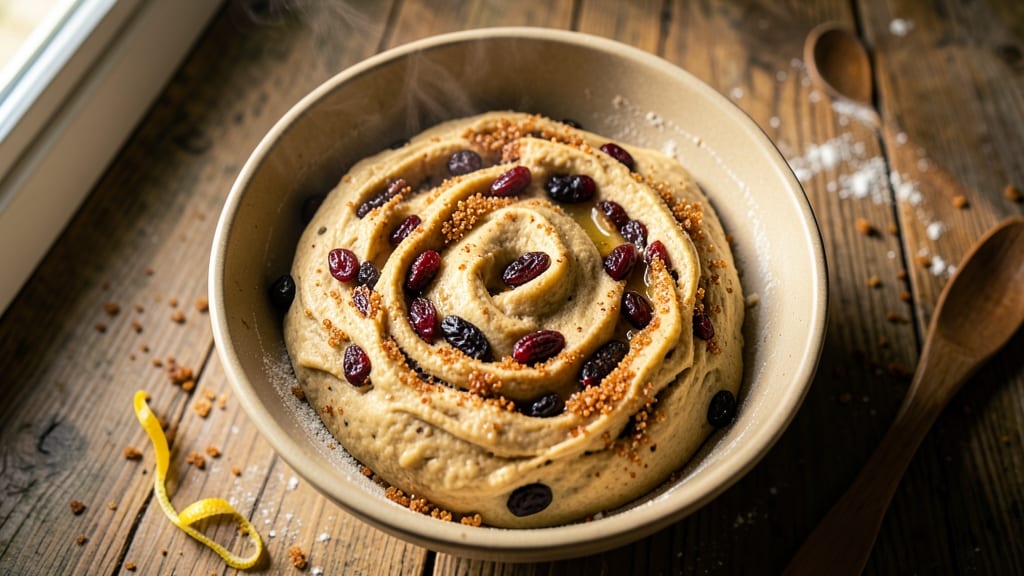
This Amish cinnamon raisin bread recipe delivers the comforting warmth of a homesteader's kitchen, where fragrant cinnamon and plump raisins swirl into tender, golden loaves. The secret lies in a slow-rise dough that develops deep flavor, while the cinnamon-sugar filling creates irresistible pockets of sweetness in every bite.
I've perfected this recipe over years of baking, ensuring a soft interior with just enough crust to hold its shape—no dense, heavy loaves here.
The dough begins with a simple mix of flour, yeast, and sugar, but it's the cinnamon that transforms this into something special—its warm aroma fills your kitchen as it bakes.
Raisins plump up during proofing, releasing their natural sweetness, while the butter-rich filling adds richness without overpowering. This isn't just bread; it's a nostalgic taste of tradition with every slice.
What you'll end up with is a loaf that's perfect for breakfast toast, lunch sandwiches, or as a sweet treat with coffee. The texture is consistently tender, with just the right balance of chewiness from the raisins and cinnamon's signature warmth.
No special equipment is needed—just patience and a little time for the dough to work its magic.
Whether you're baking for a family gathering or treating yourself to a homemade loaf, this recipe delivers restaurant-quality results with a rustic touch. The key is letting the dough rise slowly, allowing the flavors to develop fully. Ready to bake something that tastes like home?
Ingredients for amish cinnamon raisin bread
Four cups flour, a pinch of yeast, and cinnamon that fills your kitchen with warmth.
| Ingredient | Amount | Notes |
|---|---|---|
| All-Purpose Flour 🌾 | 4 cups | Spooned and leveled, not packed |
| Active Dry Yeast 🍞 | 2 ¼ tsp | One packet or 2.25 tsp |
| Granulated Sugar 🍚 | ¼ cup | White sugar preferred |
| Unsalted Butter 🧈 | ½ cup | Cold, cubed for filling |
| Whole Milk 🥛 | ½ cup | Warmed to room temp |
| Large Eggs 🥚 | 1 whole | Room temperature |
| Ground Cinnamon 🌶️ | ½ cup | Freshly ground for warmth |
| Light Brown Sugar 🍯 | ½ cup | Packed, not leveled |
| Raisins 🍇 | 1 ½ cups | Plump, not dried out |
| Salt 🧂 | 1 tsp | Diamond Crystal preferred |
| Vanilla Extract 🌸 | 1 tsp | Pure vanilla preferred |
| Vegetable Oil 🫒 | ¼ cup | For greasing pan |
The flour is your foundation—King Arthur or Gold Medal work best for that tender crumb. Yeast is non-negotiable here: Fresh is ideal, but active dry works too—just make sure it's not expired. For the cinnamon, Penzeys or bulk bins at Whole Foods have the freshest ground. Raisins? Soak them in warm water for 10 minutes first—they'll plump up and taste sweeter. Butter should be cold when you mix the filling, or it'll melt into the dough too soon. I always grab Land O'Lakes or Organic Valley for consistency.
No vanilla extract? Vanilla bean paste works too, or even a dash of vanilla sugar if you're in a pinch. Substituting raisins? Chopped dried cranberries or apricots add a nice twist. The brown sugar can be swapped for white if needed, but the molasses notes in light brown sugar are what make this taste Amish-style. For the dough, if you're short on time, instant yeast cuts rise time by 20 minutes. And if your kitchen's cold, warm the milk slightly—yeast loves warmth. The filling needs to stay cold until you roll it into the dough, or it'll get too soft to handle.
Dough keeps in the fridge for up to 48 hours if wrapped tightly in plastic. The filling? Make it a day ahead—flavors meld beautifully. Baked loaves stay fresh for 3-4 days at room temperature, wrapped in a towel. For longer storage, freeze slices on a tray first, then bag them—they'll reheat perfectly in the toaster. I always bake two loaves and freeze one—nothing beats pulling out a frozen loaf for a lazy weekend breakfast.
Why You'll Love This Recipe
- No-Knead Nightmare Solved: I swear by this dough—just mix, let it rise, and forget it. That warm, spiced aroma wafting through the house? Zero effort, all reward.
- Cinnamon-Sugar Magic: The raisins plump up in the buttery dough while the cinnamon sugar swirl cuts through like a hug. Honestly, I’ve made bread a thousand ways, but this combo? It’s my new favorite.
- Breakfast, Snack, Gift: Toast it for breakfast, pack slices for lunch, or wrap it in parchment for a hostess gift. The milk and butter keep it rich enough to eat straight from the pan—(yes, even on a Tuesday night).
- Stretches Every Penny: Flour, yeast, sugar—pantry staples that won’t break the bank. One loaf feeds my family for days, and the leftovers? Perfect for French toast or toast crumbs for meatloaf. Budget-friendly? Check.
Step-by-step instructions for Amish cinnamon raisin bread
Let's make this homemade bread with layers of spiced butter and sweet raisins that'll have your kitchen smelling like a country bakery.
Mix the Dough and Let It Rise
In a large bowl, combine the 4 cups all-purpose flour, 1 tsp salt, and 2.25 tsp active dry yeast. Make a well in the center and add the 0.5 cup whole milk (warmed to about 110°F), 1 whole large egg, 0.25 cup granulated sugar, and 1 tsp vanilla extract. Mix with a wooden spoon until a shaggy dough forms.
Turn the dough out onto a lightly floured surface and knead for about 10 minutes until smooth and elastic. You'll know it's ready when it springs back slowly when poked. Place the dough in a lightly greased bowl, cover with a damp towel, and let it rise in a warm place for 1 to 1.5 hours, or until doubled in size. I like to put my oven on its lowest setting with a bowl of hot water inside to create a warm, cozy environment for rising.
Prepare the Cinnamon Filling
While the dough rises, make the filling by combining 0.5 cup unsalted butter, 0.5 cup light brown sugar, and 0.5 cup ground cinnamon in a small bowl. Mix until crumbly. In a separate bowl, toss the 1.5 cups raisins with 1 tablespoon flour to keep them from sinking into the dough.
Once the dough has risen, punch it down and divide it into two equal pieces. Roll each piece into a 12x8-inch rectangle on a floured surface. Spread half of the cinnamon butter mixture evenly over one rectangle, leaving a ½-inch border around the edges. Sprinkle half of the raisins over the butter, then roll it up tightly from the long side. Repeat with the remaining dough, filling, and raisins.
Shape and Proof the Loaves
Place each rolled-up dough seam-side down in two 9x5-inch loaf pans that have been lightly greased with vegetable oil. Cover the pans with a damp towel and let the dough rise again for 30 to 45 minutes, or until the dough reaches the top of the pans. The tops should look slightly domed and feel springy when pressed gently.
Preheat your oven to 350°F while the dough proofs. This is where the magic happens—those warm spices will fill your kitchen with the most comforting aroma. If you're worried about overproofing, just look for the dough to rise just to the top of the pan edges. Overproofing can lead to dense bread, so don't let it rise too much beyond that point.
Bake to Golden Perfection
Bake the loaves for 45 to 50 minutes, until the tops are deep golden brown and a toothpick inserted into the center comes out clean. If the tops brown too quickly, tent the pans with aluminum foil to prevent over-browning. The bread is done when it sounds hollow when tapped on the bottom.
Let the bread cool in the pans for 10 minutes, then transfer to a wire rack to cool completely. This resting time is crucial—it allows the bread to set properly and prevents a gummy texture. Once cooled, slice into thick pieces and serve warm with butter or jam. The aroma alone will make your home feel like a cozy Amish kitchen.
Pro Tips For Making Amish Cinnamon Raisin Bread
- Test Your Yeast First: Skip the guesswork—mix 1 packet yeast with ¼ cup warm milk (110°F) and 1 tsp sugar, then wait 5-10 minutes. If it doesn’t foam, your yeast is dead or your milk’s too hot, and you’ll save yourself a sad, flat loaf.
- Soften Butter Properly: Don’t melt it—cut the unsalted butter into small cubes and let them sit at room temp for 30-45 minutes until they’re soft but still hold shape. Over-softened butter makes the dough greasy; too cold butter won’t mix smoothly.
- Don’t Over-Knead the Dough: After the first 5 minutes of kneading by hand, the dough will spring back slowly—stop when it’s smooth but still slightly tacky. Overworking it develops gluten too much, and your bread turns out dense instead of tender.
- Use a Thermometer for Oven Temp: Amish cinnamon bread needs a steady 350°F—your oven’s dial lies. Check with a thermometer, and if it’s off by even 25°F, adjust. Underbaked bread stays gummy; overbaked bread dries out fast.
Storing and reheating this recipe
Room-Temp Storage
Keep your freshly baked loaves at room temperature for up to 3-4 days by wrapping them tightly in a clean kitchen towel. This method preserves moisture and keeps the crust from drying out too quickly.
I always store mine in a burlap bread bag for that authentic homestyle feel—it works wonders for maintaining freshness. 🌾
Fridge Preservation
For longer storage, transfer slices to an airtight container with parchment paper between layers. The bread stays fresh for 5-7 days this way, though the texture becomes slightly denser.
I like to freeze individual slices on a tray first, then transfer them to a bag—they reheat perfectly in the toaster. 🥖
Freezer-Friendly Tips
Whole loaves freeze beautifully for up to 3 months when wrapped tightly in plastic wrap followed by aluminum foil. Thaw at room temperature for 2-3 hours before slicing, or reheat directly from frozen in a 350°F oven for 15-20 minutes covered with foil.
The cinnamon filling stays gooey this way—trust me! ❄️
Reheating Perfection
For the best texture, reheat slices in a toaster or toaster oven until golden brown and crisp. If using an oven, wrap slices in foil and heat at 300°F for 8-10 minutes—this restores that fresh-baked aroma.
Microwave reheating works in a pinch, but it can make the bread gummy. Always reheat from frozen or refrigerated state. 🔥
Reviving Stale Bread
If your bread loses its freshness, don't toss it! Spritz slices with water or milk, then reheat in a 375°F oven for 5-7 minutes until crisp.
This trick works especially well for toast—just add a pat of butter and jam for that classic Amish breakfast. The raisins will plump up again beautifully. ✨
Nutrition facts
Frequently asked questions
Why does Amish cinnamon raisin bread need a long rise time?
The slow rise (1-1.5 hours) is key to developing that deep, warm cinnamon flavor and tender crumb. Yeast works slowly at room temperature, allowing the gluten to relax and the dough to become more flavorful. This is why traditional Amish baking often uses this method—it creates a bread with a lighter texture and more complex taste.
Can I make this bread without a stand mixer?
This recipe is perfect for hand-kneading. Just work the dough on a lightly floured surface for about 10 minutes until it becomes smooth and elastic. The kneading helps develop the gluten, which gives the bread its structure. A wooden spoon or dough whisk works great for mixing the initial ingredients too.
What if my dough doesn't rise properly?
Cold kitchen? Warm the milk to 110°F and place the dough bowl in a warm spot (like your oven with the light on). Expired yeast? Test it by mixing with warm water and sugar—it should foam in 5-10 minutes. If it doesn't, start fresh. Also, make sure your yeast packet is fresh (check the expiration date).
How do I prevent the raisins from sinking into the dough?
Toss the raisins with 1 tablespoon flour before adding them to the dough. This creates a light coating that helps them stay distributed throughout the loaf. Another trick is to use slightly larger raisins—they're less likely to sink. If you prefer, you can also fold them into the dough after rolling it up.
Can I make this recipe without a loaf pan?
Yes! Shape the dough into free-form rounds or ovals and bake on a parchment-lined baking sheet. Brush with milk before baking for a golden crust. Bake at 350°F for 30-35 minutes until golden. For extra flavor, bake on a preheated pizza stone or in a Dutch oven. The texture will be slightly denser but still delicious.