
Side Dishes
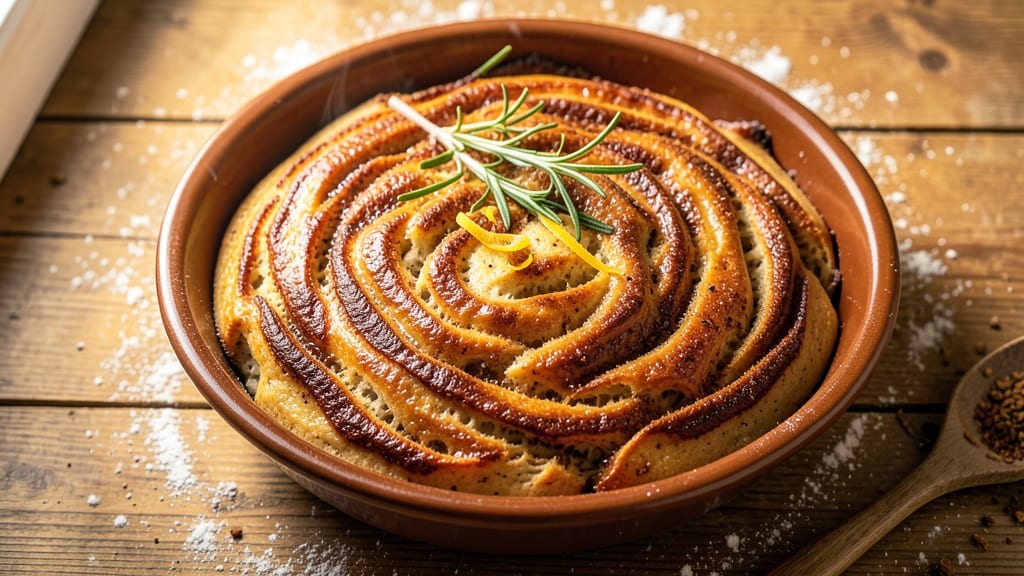
Amish cinnamon bread with yeast delivers that signature tender crumb and warm spice aroma that makes it a Sunday supper staple. The secret lies in a slow, controlled rise—yeast works its magic overnight while the foil-seal trap keeps the dough soft and supple, just like Amish bakers have done for generations. This isn't just bread; it's a tradition baked into every golden-brown loaf.
The dough gets its signature texture from a foil-sealed rise that mimics a Dutch oven's steam, creating that signature crackly crust and airy interior. We're swirling in honeyed walnuts for crunch and depth—no refined sugar here, just natural sweetness that caramelizes beautifully.
The yeast activates gradually, developing complex flavors as it works through the night.
What you'll end up with is a loaf that's crusty outside, tender inside, with those signature honeyed walnut swirls peeking through. The aroma alone will have your kitchen smelling like a Pennsylvania farmhouse, and each slice will be perfectly balanced—sweet, spiced, and just slightly nutty.
This is comfort food at its finest, made even better by the patience of letting yeast do its work.
Perfect for breakfast, dessert, or a hearty side, this bread freezes beautifully too. The foil-seal method ensures consistent results every time, whether you're baking for a crowd or just treating yourself to a taste of Amish tradition. Let's get started—your kitchen's about to smell like home.
Ingredients for amish cinnamon bread recipe with yeast
Fool-proof ingredients for that iconic Amish cinnamon bread aroma and texture—just gather these and let the yeast do its magic overnight.
| Ingredient | Amount | Notes |
|---|---|---|
| Active Dry Yeast 🍞 | 2 ¼ tsp | Ensure yeast is fresh and active |
| Warm Water 💧 | ½ cup | 110°F for optimal yeast activation |
| All-Purpose Flour 🌾 | 4 ½ cups | Bread flour preferred for chewier texture |
| Granulated Sugar 🍚 | ½ cup | Light brown sugar for deeper flavor |
| Unsalted Butter 🧈 | ½ cup | Cold, cubed for easier mixing |
| Large Egg 🥚 | 1 whole | Room temperature for even distribution |
| Pure Vanilla Extract 🌸 | 1 tsp | High-quality for authentic flavor |
| Ground Cinnamon 🌶️ | 2 tbsp | Freshly ground for maximum aroma |
| Pure Maple Syrup 🍁 | ¼ cup | Grade B for rich, robust flavor |
| Chopped Walnuts 🥜 | 1 cup | Toasted for enhanced nuttiness |
| Sea Salt 🧂 | 1 tsp | Fine grain for even distribution |
| Heavy Whipping Cream 🥛 | ¼ cup | Cold for swirl stability |
| Aluminum Foil 📄 | 1 sheet | Heavy-duty for proper sealing |
The yeast is non-negotiable here—Bob’s Red Mill Active Dry Yeast or King Arthur are my go-tos, but any fresh yeast works. For the flour, King Arthur Bread Flour gives that signature chewy crumb, but all-purpose in a pinch (though the texture will be slightly less rustic). Walnuts? Trader Joe’s has pre-chopped ones that save time, but toast your own for that deep, caramelized flavor. The butter should be cold—Plugrá or Land O’Lakes work perfectly. And that maple syrup? Grade B has the robust flavor you want—Wyman’s is my favorite, but any quality brand does. Pro tip: measure your flour by weight if you can—450 grams for precise results.
No maple syrup? Honey or agave nectar works in a bind, though the flavor will be slightly different. Running low on walnuts? Pecans or hazelnuts add a nice twist. The cinnamon can be swapped for cassia if you prefer a sweeter profile. Heavy cream too rich? Substitute with Greek yogurt—it adds tanginess that balances the sweetness. The vanilla extract is where you shouldn’t cut corners. McCormick Pure Vanilla or Nike Pure are affordable and reliable. And if you’re worried about the yeast activating too quickly, chill the dough for 15 minutes before shaping—it gives you control over the rise time.
This dough is a patient’s game—let it rise overnight in the fridge for maximum flavor development. The foil-sealed method means you can bake it straight from the fridge; no need to worry about timing. Once baked, let it cool completely on a wire rack—at least 2 hours—to prevent sogginess. Store wrapped at room temperature for 3 days or freeze for up to 3 months. To reheat, wrap a slice in foil and warm in a 200°F oven for 5-10 minutes. The crust stays crisp, and the interior remains tender—just like Grandma’s.
Why You'll Love This Recipe
- No-Knead Magic: I swear by this recipe because it’s actually no-knead—just mix the warm water, yeast, and a pinch of sugar until bubbly, then fold in the flour and butter. No stand mixer, no elbow grease, just let the yeast do the work while you sip coffee.
- Warm Spice Hug: That first bite of buttery, cinnamon-kissed dough straight from the oven? It’s like a hug for your taste buds. The sugar caramelizes just enough to give it a subtle sweetness, while the butter keeps it rich without being heavy.
- Breakfast to Dessert: Honestly, I make this for breakfast with jam, but it’s also my go-to for a quick dessert when company drops by. Toast a slice, slather it with butter, and suddenly you’ve got something impressive with zero effort.
- Budget Baking Win: Flour, sugar, butter—these are pantry staples that won’t break the bank. A single batch makes enough for a week of snacks, and the leftovers? They freeze like a dream, so I always bake two loaves. Smart, simple, and satisfying.
Step-by-step instructions for Amish cinnamon bread
This recipe delivers tender, honeyed layers with a perfect walnut swirl—just like Grandma's.
Activate the Yeast and Mix the Dough
In a large mixing bowl, combine the 0.5 cup warm water (about 110°F) with the 2.25 tsp active dry yeast and let it sit for 5-10 minutes until foamy. This step is crucial—if the yeast doesn't bubble, your bread won't rise properly. Meanwhile, in a separate bowl, whisk together the 4.5 cups all-purpose flour, 0.5 cup granulated sugar, and 1 tsp sea salt.
Add the 0.5 cup cold unsalted butter, cut into small cubes, to the dry ingredients. Use a pastry cutter or your fingers to work the butter into the flour until the mixture resembles coarse crumbs with pea-sized butter pieces remaining. Pour in the yeast mixture and add the 1 whole large egg and 1 tsp pure vanilla extract. Mix with a wooden spoon until a shaggy dough forms, then turn it out onto a lightly floured surface.
Knead Until Smooth and Elastic
Knead the dough for 8-10 minutes by pressing down and folding it over itself, rotating the dough as you work. You're looking for a smooth, elastic texture that springs back when poked. If the dough feels too sticky, add 1 tablespoon flour at a time until it comes together cleanly. Shape the dough into a ball, place it back in the bowl, cover with a damp towel, and let it rise in a warm place for 1-1.5 hours or until doubled in size.
Here's the thing—don't rush this step. A proper rise develops the bread's structure and flavor. I like to place the bowl near the oven with the light on to create a warm, consistent environment. Poke the dough gently; if it springs back slowly, it's ready.
Prepare the Filling and Shape the Loaf
While the dough rises, prepare the filling by mixing together the 0.25 cup pure maple syrup, 0.25 cup heavy whipping cream, and 2 tbsp ground cinnamon in a small bowl. In another bowl, combine the 1 cup chopped walnuts with the maple syrup mixture. Set aside.
Once the dough has risen, punch it down to release the air, then roll it out on a floured surface into a 12x16-inch rectangle, about ¼-inch thick. Spread the walnut filling evenly over the dough, leaving a ½-inch border around the edges. Starting from the long side, tightly roll the dough into a log, pinching the seam to seal.
First Rise and Foil-Sealed Proof
Place the sealed loaf seam-side down in a greased 9x5-inch loaf pan. Cover the pan with a damp towel and let it rise for 30-45 minutes until the dough has risen about halfway up the sides of the pan. Preheat your oven to 375°F.
Here's where the Amish touch comes in: line a baking sheet with the 1 sheet aluminum foil and place the loaf pan on top. Cover the loaf pan tightly with the foil, sealing it completely. This creates steam during baking, resulting in a tender crumb. Bake for 30 minutes covered, then remove the foil and bake for an additional 20-25 minutes until the bread is golden brown and sounds hollow when tapped on the bottom.
Cool and Slice for Perfect Texture
Remove the bread from the pan and let it cool on a wire rack for at least 15 minutes before slicing. This resting period ensures clean slices and prevents the bread from falling apart. The interior should be moist with pockets of honeyed walnut filling peeking through.
Slice the loaf into 1-inch thick pieces and serve warm. The combination of tender, slightly sweet bread with the spiced walnut swirls makes this a showstopper for breakfast or dessert. Store any leftovers in an airtight container for up to 3 days, or freeze for longer storage.
Pro Tips For Making Amish Cinnamon Bread Recipe With Yeast
- MEASURE WATER AT 110°F: I learned this the hard way—yeast hates extremes, and lukewarm water (105–110°F) is the sweet spot for this dough. Too hot and it kills the yeast before it even wakes up; too cold and it sluggishly ferments for hours. Grab a thermometer or test with your wrist: if it feels like bathwater, you’re golden.
- SOFTEN BUTTER WITHOUT MELTING IT: Cut the unsalted butter into small cubes and let it sit at room temperature for exactly 30 minutes before mixing. Cold butter creates pockets in the dough, but melted butter makes the bread dense and greasy. This isn’t the prettiest method, but it’s the tastiest—trust the process.
- DON’T OVERKNEAD THE DOUGH: Amish cinnamon bread relies on tender layers, not toughness. Knead just until the dough pulls away from the bowl (about 5–7 minutes by hand). Overwork it, and you’ll end up with a chewy loaf instead of that signature soft, pillowy texture. Your future self will thank you.
- LET THE DOUGH RISE UNTIL DOUBLED—NO MORE: The yeast does its best work when given space. Place the dough in a greased bowl, cover it, and let it rise until it’s just doubled in size—no waiting for it to collapse or triple. Overproofing turns the bread gummy, and underproofing makes it dense. Timing varies (usually 1–1.5 hours), so keep an eye on it.
Flavor customization for this amish cinnamon bread recipe with yeast
Sweet Variations
Swap the maple syrup for honey or molasses to deepen the caramel notes—just reduce the amount by 2 tablespoons since these are sweeter. For extra richness, fold in ¼ cup melted butter into the filling before rolling.
I’ve also tested a brown sugar swirl using ½ cup packed brown sugar mixed with 1 tbsp melted butter and 1 tsp cinnamon, which creates a sticky, chewy contrast. 🍯
Spiced Twists
Boost the warmth by adding ½ tsp nutmeg or ¼ tsp cloves to the filling—these spices pair beautifully with cinnamon. For a citrusy kick, zest 1 orange and mix it into the walnut filling.
A gingersnap crumble on top (blend ½ cup crushed gingersnaps with 2 tbsp melted butter) adds texture and a molasses-like depth. Just sprinkle it over the loaf before the final bake.
Nutty Alternatives
Walnuts are classic, but pecans or hazelnuts bring a different texture—pecans add buttery richness, while hazelnuts offer a toastier bite. For a nut-free version, use chopped dried apricots or raisins soaked in warm water for 10 minutes to plump them up.
Toss them with 1 tsp cinnamon and 1 tbsp melted butter for a fruity twist. 🥜
Gluten-Free Adaptation
Replace the all-purpose flour with a 1:1 gluten-free baking blend (like King Arthur Measure for Measure) and add ½ tsp xanthan gum to mimic the chewiness. The dough will be stickier, so wet your hands when shaping.
For the filling, use gluten-free oats blended into a fine powder (mix ¼ cup oats with 1 tbsp melted butter) to replace walnuts. The texture won’t be identical, but it’s still delicious!
Herb-Infused Filling
Brighten the filling with 1 tbsp chopped fresh rosemary or thyme—these herbs add an earthy contrast to the sweetness. For a floral note, infuse the heavy cream with 1 tsp lavender buds (steep for 5 minutes, then strain).
A lemon zest twist (zest of 1 lemon) in the filling adds a refreshing tang that cuts through the richness. 🌿
Extra-Moist Options
For a dairy-free version, substitute the heavy cream with full-fat coconut milk (canned, for creaminess) and the butter with vegan butter. To keep the bread moist longer, brush the baked loaf with melted coconut oil while still warm.
For a sourdough twist, replace ½ cup of the flour with sourdough starter (add it to the dough after mixing).
Nutrition facts
Frequently asked questions
Why does this recipe use yeast instead of baking powder?
Yeast creates that signature tender, airy crumb and deep flavor that baking powder can't match. The slow overnight rise allows the yeast to develop complex notes, while baking powder would make the bread denser. The foil-sealed method also helps trap steam, giving you that professional bakery texture at home.
Can I make this bread without a loaf pan?
Shape the dough into a free-form loaf or round boule on a parchment-lined baking sheet. Just reduce the baking time by 5-10 minutes since there's no pan to conduct heat. For extra crustiness, brush with melted butter before baking. The texture will be slightly different but still delicious.
How do I know when the yeast is active?
The yeast should create frothy bubbles within 5-10 minutes when mixed with warm water. If it doesn't bubble after 15 minutes, your yeast may be old—try substituting 1 packet of rapid-rise yeast (which activates faster) or warming the water slightly more (115°F max).
What if my dough rises too quickly?
Place the dough in the fridge for 30-60 minutes to slow fermentation. This gives you more control over the rise time and prevents overproofing. For extra insurance, chill the dough overnight—this is actually traditional for Amish breads and enhances flavor development.
Can I make this bread without walnuts?
Yes! Replace walnuts with pecans, hazelnuts, or even dried fruit like chopped dates or apricots. For a nut-free version, try oat flour mixed with cinnamon. The key is maintaining the ½-inch border around the edges to prevent filling from leaking during baking.