
Side Dishes
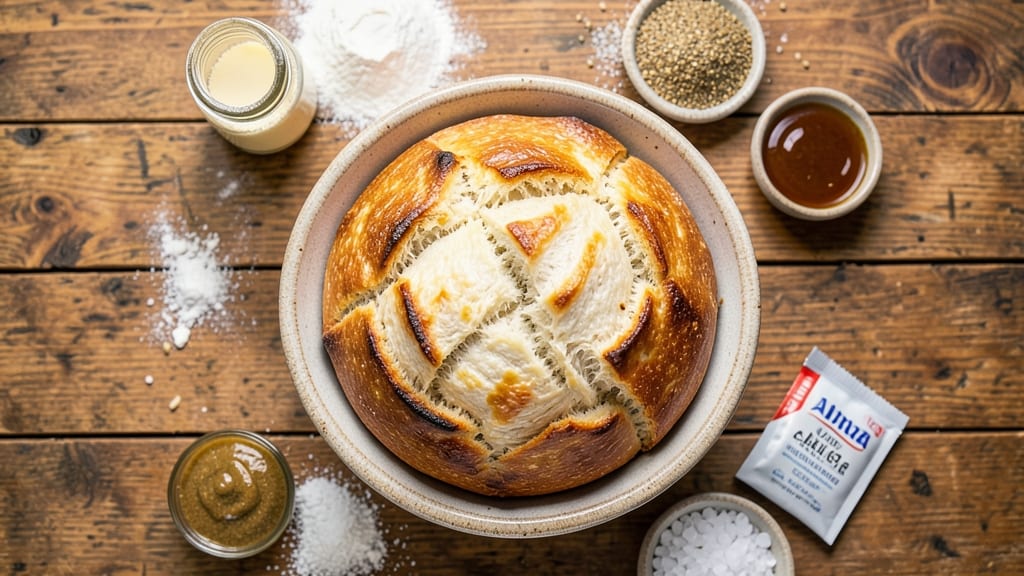
This Alpha Gal bread recipe delivers the perfect balance of a crispy crust and pillowy softness inside—without any mammalian ingredients. Designed for those managing Alpha Gal syndrome, it replaces traditional dairy and animal fats with plant-based alternatives that still create that satisfying texture.
The key lies in a precise blend of flours and binders that mimic the structure of classic bread while staying safe and delicious. What sets this recipe apart is its versatility—ideal for sandwiches, toast, or garlic bread—while maintaining a light, airy crumb.
The secret to the crispy crust is a combination of aquafaba (chickpea brine) and coconut oil, which work together to create that golden, shatterable exterior without compromising the soft interior. No special equipment is needed, just a standard loaf pan and about 45 minutes of active time.
By the time it emerges from the oven, you’ll have a loaf that looks and feels like traditional bread but is entirely free of mammalian products. The aroma alone—warm, buttery (thanks to vegan butter), and slightly sweet—will make your kitchen feel like a bakery.
This bread holds up well for 3-4 days when stored properly, making it perfect for meal prep. Whether you're hosting a dinner or simply craving toast, this recipe ensures everyone at the table can enjoy bread without compromise. Let’s get baking!
Ingredients for alpha gal bread
Eight servings of plant-based perfection—crispy crust meets pillowy interior without mammalian ingredients.
| Ingredient | Amount | Notes |
|---|---|---|
| All-Purpose Flour 🌾 | 3 cups | Unbleached preferred for lighter texture |
| Vital Wheat Gluten 🌾 | ½ cup | For improved structure and elasticity |
| White Whole Wheat Flour 🌾 | 1 cup | For added nutritional value |
| Granulated Sugar 🍚 | ¼ cup | Ensures proper browning and sweetness |
| Instant Yeast 🍞 | 2 ½ tsp | Ensures quick activation and rise |
| Salt 🧂 | 1 ½ tsp | Diamond Crystal preferred for precise measurement |
| Aquafaba 🥫 | ½ cup | Fresh from canned chickpeas for best results |
| Vegan Butter 🧈 | ¼ cup | Melted, full-fat for optimal texture |
| Refined Coconut Oil 🥥 | ¼ cup | Melted, for crispy crust development |
| Cold Water 💧 | ¾ cup | Chilled for proper gluten development |
| Apple Cider Vinegar 🍎 | 1 tbsp | Enhances flavor and activates gluten |
| Ground Flaxseed 🌱 | 1 tbsp | Mixed with water to replace eggs |
| Non-Dairy Milk 🥛 | ¼ cup | Unsweetened, for moisture and richness |
The flours form the foundation of this Alpha Gal-friendly bread. King Arthur All-Purpose Flour and Bob’s Red Mill White Whole Wheat Flour are ideal for texture—both available at Whole Foods or any well-stocked grocery store. Vital wheat gluten, found in the baking aisle, is critical for that classic bread structure. Look for brands like Anthony’s Goods for the highest quality. The yeast should be fresh—test by dropping a pinch in warm water; it should foam within 10 minutes. For aquafaba, save the liquid from a can of chickpeas (like Goya or Chickpeas from Trader Joe’s) and refrigerate it until ready to use.
No aquafaba? Vegan mayo or silken tofu blended until smooth works as a substitute, though texture may vary slightly. Short on flaxseed? Chia seeds soaked in water at a 1:3 ratio (1 tbsp chia to 3 tbsp water) serves as an egg replacement. The coconut oil should be refined to avoid coconut flavor dominance—Trader Joe’s or Goya brands are reliable. For a sweeter loaf, add 1 tbsp of maple syrup to the dough. The apple cider vinegar can be swapped for white vinegar in a pinch, but it adds a subtle tang that enhances flavor.
Store the loaf in an airtight container at room temperature for up to 3 days to maintain freshness. For longer storage, slice and freeze portions for up to 3 months. To revive stale bread, wrap slices in a damp paper towel and microwave for 10-15 seconds. This bread reheats beautifully—wrap in foil and bake at 350°F for 5 minutes to restore that bakery-fresh aroma. The crust stays crispy when stored properly, so avoid refrigerating unless necessary.
Why You'll Love This Recipe
- No-Knead, No-Fuss Rise: I swear by the mix of vital wheat gluten and all-purpose flour—it gives that signature chewy texture without me having to punch and fold until my arms give out. Just toss everything in a bowl, let the yeast do its magic, and walk away.
- Sweet & Savory Flex: That granulated sugar isn’t just for show—it caramelizes just enough to give every bite a subtle, warm depth, but it’s not cloying. Honestly, I’ve used it for breakfast toast and dinner sandwiches without a second thought.
- Meal Prep MVP: Between us, this bread stays fresh for days if you wrap it right. I make a double batch on Sundays, slice it, and freeze half—no sad, stale loaves here. Perfect for when you’re too tired to bake midweek.
- Budget Stretch Star: White whole wheat flour and basic pantry staples mean this costs less than half what store-bought speciality bread rings up at. Plus, the gluten boost means you get more loaves per bag—win-win for my wallet.
Step-by-step instructions for Alpha Gal bread
This method delivers the perfect balance of crispy crust and pillowy softness—every slice turns out golden and irresistible.
Create the Egg Substitute and Activate the Yeast
In a small bowl, whisk together the 1 tablespoon ground flaxseed with 3 tablespoons of the cold water until fully combined. Let it sit for 5 minutes to thicken into a gel-like consistency—this will replace eggs in our dough. Meanwhile, in a separate bowl, dissolve the 2.5 teaspoons instant yeast in the remaining ¼ cup cold water with 1 tablespoon apple cider vinegar. The mixture should begin bubbling within 5 minutes—this confirms the yeast is active and ready to work.
Here's the thing—yeast activation is non-negotiable. If it doesn't bubble, your bread will fail to rise properly. Keep this mixture at room temperature while you prepare the rest of your ingredients. The vinegar enhances gluten development and adds subtle tang that elevates the final flavor profile.
Mix the Wet and Dry Ingredients
In a stand mixer fitted with the dough hook attachment, combine the 3 cups all-purpose flour, 0.5 cup vital wheat gluten, and 1 cup white whole wheat flour in the bowl. Add the 0.25 cup granulated sugar, 1.5 teaspoons salt, and mix on low speed for 1 minute to distribute evenly. In a separate bowl, whisk together the 0.5 cup aquafaba, melted 0.25 cup vegan butter, 0.25 cup refined coconut oil, and the yeast mixture until smooth.
With the mixer running on low speed, gradually pour the wet ingredients into the dry ingredients while mixing. Scrape down the sides of the bowl as needed to ensure everything incorporates evenly. The dough will initially appear shaggy but will begin coming together after 2-3 minutes of mixing. This is where the vital wheat gluten really shines—it creates that signature chewy texture while maintaining structure.
Develop the Dough and First Rise
Increase the mixer speed to medium and knead the dough for 5-7 minutes until it becomes smooth, elastic, and pulls away from the sides of the bowl. The dough should be slightly tacky but not sticky—if it sticks to your fingers, add 1 teaspoon more cold water at a time until it reaches the proper consistency. Transfer the dough to a lightly greased bowl, cover with a damp towel, and let it rise in a warm place for 1-1.5 hours or until it has doubled in size.
This first rise is critical for developing gluten structure. I like to place the bowl in a slightly warm oven with a cup of boiling water underneath to create a consistent environment. The dough should spring back slowly when poked with a finger—if it springs back immediately, it needs more time. Overproofing is easy to do, so keep an eye on it during the final 15 minutes of rising.
Shape and Second Rise for Crispy Crust
Once the dough has risen, punch it down gently to release air, then turn it out onto a lightly floured surface. Divide the dough into 8 equal portions (about 4 ounces each) and shape each into a smooth, round loaf. Place each loaf in a greased 8x4-inch loaf pan, seam-side up. Cover loosely with a towel and let rise for another 30-45 minutes until the dough has risen about 1 inch above the pans.
This second, shorter rise ensures we get that perfect oven spring while maintaining the crispy crust. The loaf pans help create those classic pull-apart texture layers. Here's a pro tip: If your kitchen is cold, place the pans in a warm oven (turned off) with the light on to maintain consistent temperature during rising.
Bake to Golden Perfection
Preheat your oven to 375°F with a baking stone or inverted baking sheet on the middle rack. This creates steam that's essential for that crispy crust. Once preheated, bake the loaves for 25-30 minutes until they're deep golden brown and sound hollow when tapped on the bottom. For extra crispiness, brush the tops with a mixture of 1 tablespoon melted vegan butter and 1 tablespoon non-dairy milk just before baking.
The internal temperature should reach 190-200°F when measured with an instant-read thermometer. As soon as they're done, transfer the loaves to a wire rack to cool completely before slicing. This resting period prevents the bread from becoming gummy. The crust should be shatteringly crisp while the interior remains soft and pillowy—exactly what we're after with this alpha gal bread recipe.
Pro Tips For Making Alpha Gal Bread
- SIFT THE GLUTEN FIRST: Mix the vital wheat gluten into the dry ingredients before adding liquids—this prevents clumping and ensures it hydrates evenly. I learned this the hard way when my first batch turned into a doughy mess because the gluten absorbed water unevenly.
- WEIGH YOUR FLOURS: Skip the scooping. Use a kitchen scale for all flours (especially the whole wheat and gluten)—volume measurements can vary wildly, and this bread is fussy about ratios. A 1% difference in flour weight changes the texture more than you’d expect.
- LET IT RISE COOL: Don’t rush the second rise in a warm oven or sunny window. A slow, room-temp rise (1–1.5 hours) develops deeper flavor and a lighter crumb—no need to crank the heat. (Yes, even if you’re impatient like me.)
- STEAM THE FIRST 10 MINUTES: Spray the oven walls with water or place a baking tray on the lower rack to create steam. This helps the crust form evenly and prevents the top from cracking prematurely—critical for that signature soft, pillowy texture.
Regional styles of these flavors
Southern U.S. Style
In the Southern U.S., bread often gets a rich, buttery flavor boost—this version swaps traditional butter for Miyoko’s Cultured Vegan Butter (found at Whole Foods or online) and adds 1 teaspoon smoked paprika to the dough for a subtle BBQ-inspired depth.
For an extra touch, brush the baked loaves with a mix of 1 tablespoon vegan honey and 1 tablespoon apple cider vinegar before serving. This creates a caramelized crust that’s perfect for cornbread-style sandwiches or as a side to fried chicken. 🌶️
Italian-Inspired Focaccia
Transform this recipe into a plant-based focaccia by increasing the olive oil to 0.5 cup refined coconut oil and reducing the aquafaba to 0.25 cup.
After the first rise, dimple the dough with your fingers and drizzle generously with 2 tablespoons olive oil, then sprinkle with 1 teaspoon sea salt and 1 teaspoon dried rosemary. Bake at 375°F for 20-25 minutes until golden and crisp.
Top with fresh rosemary sprigs and serve warm with balsamic glaze—ideal for bruschetta or as a base for vegan pesto. 🌿
French Baguette Adaptation
For a baguette-style loaf, combine all ingredients except the aquafaba and coconut oil, then replace them with 0.5 cup melted vegan butter and 0.25 cup aquafaba.
Shape the dough into a long, narrow loaf (about 12x4 inches) and bake at 425°F for 15-20 minutes on a preheated baking stone. For extra crispiness, spray the dough with water before baking to create steam.
This version is perfect for dipping in olive oil and sea salt or using for garlic bread. 🥖
German-Style Pretzel Twist
Add a pretzel-like crust by dissolving 2 tablespoons baking soda in 0.5 cup hot water and brushing the shaped loaves with this solution before baking. For flavor, mix 1 tablespoon caraway seeds and 1 teaspoon sea salt into the dough.
Bake at 375°F for 25 minutes until deep golden brown. Serve with vegan mustard or smoky BBQ sauce for a hearty, satisfying bite. This version is a hit for game day or as a side to hearty stews. 🏆
Mexican Cornbread Hybrid
Blend 1 cup masa harina (corn flour) into the dry ingredients and add 0.5 cup almond milk to the wet mix for a cornbread-bread hybrid. Fold in 1 cup corn kernels (fresh, frozen, or canned) and 1 teaspoon cumin for a Southwestern flair.
Bake in a greased 8x4-inch loaf pan at 375°F for 30 minutes. This loaf is perfect for tacos, chili, or as a side with salsa. The corn adds natural sweetness that balances the savory notes. 🌽
Nutrition facts
Frequently asked questions
What makes this bread safe for Alpha Gal syndrome?
This recipe eliminates all mammalian-derived ingredients—no whey, gelatin, or animal fats. Instead, it uses plant-based alternatives like aquafaba (chickpea brine) for binding and vegan butter for richness. The flours and coconut oil ensure the texture mimics traditional bread without triggering reactions.
Can I substitute aquafaba if I don’t have it?
Yes! Use vegan mayo or silken tofu blended until smooth in equal amounts, though texture may vary slightly. For best results, ensure your substitute has a similar protein structure to mimic the egg-like properties aquafaba provides in this recipe.
Why does the dough need two rises?
The first rise develops gluten for structure, while the second rise ensures proper oven spring for that crispy crust. The second rise should be shorter (30-45 minutes) to avoid overproofing, which can make the bread dense. A warm environment (like a turned-off oven with the light on) helps maintain consistent temperature.
How do I store this bread to keep it fresh?
Store in an airtight container at room temperature for up to 3-4 days. For longer storage, slice and freeze portions for up to 3 months. To revive stale slices, wrap them in a damp paper towel and microwave for 10-15 seconds. The crust stays crispy when stored properly!
Can I make this bread without a stand mixer?
Mix the dough by hand in a large bowl using a wooden spoon or your hands. Knead for 8-10 minutes until smooth and elastic. The dough will be slightly tacky but not sticky—add 1 teaspoon cold water at a time if needed. Just be prepared for more elbow grease!