
Side Dishes
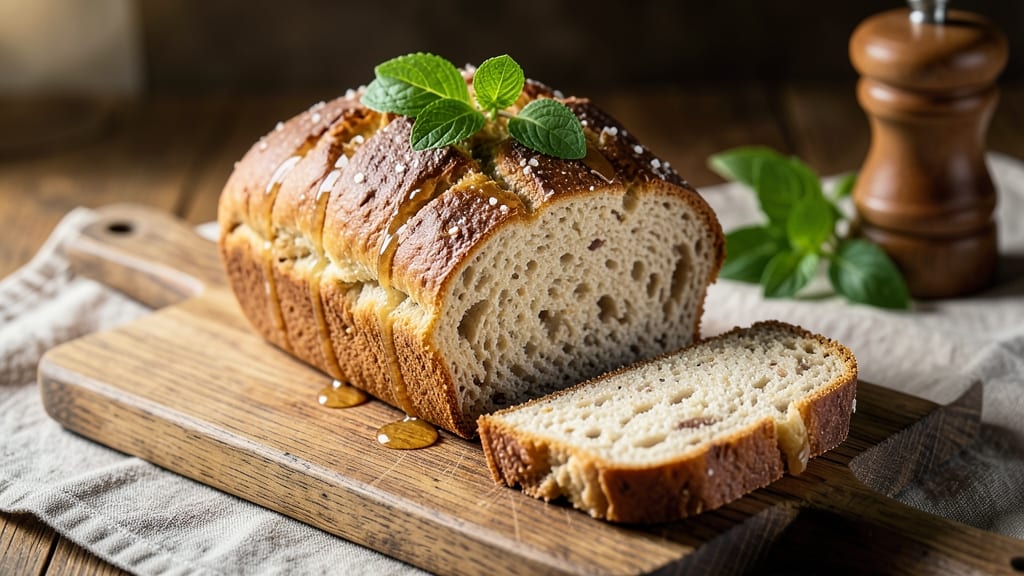
This almond loaf bread recipe delivers a perfect balance of nutty sweetness and foil-sealed moistness that keeps slices tender for days. 💛 The secret lies in the combination of finely ground almonds and a simple batter that bakes into a dense yet crumbly loaf—ideal for breakfast, snacks, or even dessert.
Unlike traditional bread, this version stays fresh without drying out, thanks to the almond flour's natural moisture retention.
The recipe uses basic pantry staples—flour, almonds, eggs, and a touch of sweetener—to create a rich, nutty flavor that pairs beautifully with tea or coffee. A foil-wrapped bottom during baking locks in moisture, ensuring every slice remains soft and flavorful.
The texture is dense yet tender, making it a satisfying treat that holds up well for meal prep or gifting.
What sets this loaf apart is its versatility—serve it as a breakfast staple, a midday snack, or even a dessert with a dusting of powdered sugar. The almonds add a subtle crunch, while the sweetness balances perfectly for a comforting, foolproof result.
Whether you're a beginner or an experienced baker, this recipe delivers a loaf that feels like a restaurant-quality treat.
Ready in about 45 minutes with minimal effort, this almond loaf is perfect for any occasion. The instructions are straightforward, and the ingredients are easy to find, making it a great project for weeknights or special gatherings. Let’s get started on a loaf that’s as delicious as it is impressive.
Ingredients for almond loaf bread
Basic pantry staples meet almond flour for a moist, nutty loaf that stays fresh for days.
| Ingredient | Amount | Notes |
|---|---|---|
| All-Purpose Flour 🌾 | 1 ½ cups | For structure and lightness |
| Blanched Almond Flour 🌰 | 1 ½ cups | Finely ground for texture |
| Large Eggs 🥚 | 2 whole | Room temperature for even baking |
| Granulated Sugar 🍬 | ½ cup | Balances nutty flavor |
| Unsalted Butter 🧈 | ½ cup | Softened, not melted |
| Vanilla Extract 🌸 | 1 tbsp | Pure extract preferred |
| Baking Powder 🍞 | 1 tsp | Diamond Crystal preferred |
| Salt 🧂 | ½ tsp | Fine sea salt |
| Milk 🥛 | ¼ cup | Whole milk for richness |
| Almond Extract 🌰 | ½ tsp | Enhances nutty aroma |
| Heavy Cream 🥛 | ¼ cup | For moisture retention |
| Powdered Sugar 🍬 | 2 tbsp | For dusting (optional) |
| Aluminum Foil 📄 | 1 sheet | For moisture sealing |
The almond flour is the star here—Bob's Red Mill or King Arthur brands yield the finest texture. Look for blanched almond flour, not skin-on, for a smoother crumb. The almond extract might seem subtle, but it's what elevates the nutty flavor from good to restaurant-quality. Walmart or Whole Foods carry reliable brands, but if you're feeling adventurous, toast your own almonds first for deeper flavor. The baking powder is non-negotiable; Diamond Crystal measures differently than others, so don't substitute without adjusting.
No almond flour? Substitute with 1:1 almond meal—just pulse it briefly in a food processor for finer texture. Out of almond extract? Vanilla bean paste adds complexity, or a pinch of ground cardamom for warmth. The butter must be softened, not melted—this keeps the crumb tender. For extra moisture, Greek yogurt at half the heavy cream quantity works beautifully. The foil is your secret weapon; don't skip wrapping the bottom—it's what locks in that signature foil-sealed moistness the intro promises.
Store wrapped in foil at room temperature for 3 days, or refrigerate for 1 week to maintain freshness. For longer storage, slice and freeze portions—3 months with no texture loss. The powdered sugar dusting is optional but adds that final touch of elegance. This loaf reheats beautifully; wrap a slice in foil and warm for 10 seconds in the microwave for maximum tenderness. The foil-sealed method isn't just for show—it's what makes this loaf stay moist longer than traditional bread.
Why You'll Love This Recipe
- No Mixer Needed: Mixing this dough is a breeze—just fold the almond flour and butter until it’s crumbly, then add eggs one at a time. Honestly, I’ve made it with my hands in the sink while chatting with my neighbor. The texture comes together without a single sticky mess.
- Rich Nutty Depth: That almond flour isn’t just for texture—it adds a warm, buttery nuttiness that regular bread can’t touch. Pair it with a schmear of butter or jam, and you’ve got a loaf that tastes like a fancy bakery’s secret.
- Weeknight & Weekend Star: Slice it for toast in the morning, pack it for lunches, or serve it warm with soup on a chilly evening. Between us, I’ve even used the leftovers to make French toast the next day—no one’s complained yet.
- Budget-Friendly Luxury: You’d pay $12 for a similar loaf at the store, but this costs half that. The almond flour gives it that gourmet vibe, but the rest—flour, eggs, sugar—are pantry staples. Plus, it keeps for days, so you’re not scrambling for fresh bread.
Step-by-step instructions for almond loaf bread
Master the art of creating a perfectly moist almond loaf with a nutty-sweet crust using this precise technique.
👨🍳 Step 1: Cream Butter and Sugars to Lighten the Dough
In a stand mixer fitted with the paddle attachment, beat the 0.5 cup unsalted butter and 0.5 cup granulated sugar on medium speed for 3-4 minutes until the mixture is light and fluffy, nearly doubling in volume. You're looking for a pale, airy texture—this incorporates air that will create a tender crumb.
I press down on the butter mixture occasionally with a spatula to ensure it's fully combined and to check for proper aeration. The butter should be softened but not melted—if it's too warm, chill the bowl in the freezer for 5 minutes before continuing. This step is critical for achieving that signature moist texture promised in the recipe.
👨🍳 Step 2: Incorporate Wet Ingredients for Richness
Add the 2 whole large eggs one at a time, mixing on low speed after each addition until fully incorporated. Then stir in the 1 tbsp vanilla extract, 0.5 tsp almond extract, 0.25 cup milk, and 0.25 cup heavy cream on low speed until smooth. The mixture should be thick and well-combined, with no visible streaks of liquid.
Here's where the magic happens: the combination of milk and heavy cream adds moisture while the extracts enhance the nutty flavor profile. I like to taste the batter at this stage—it should be sweet with a subtle almond aroma. If it tastes too thin, add 1-2 tablespoons of the 1.5 cups blanched almond flour to adjust consistency.
👨🍳 Step 3: Combine Dry Ingredients for Structure
In a separate bowl, whisk together the 1.5 cups all-purpose flour, 1.5 cups blanched almond flour, 1 tsp baking powder, and 0.5 tsp salt until evenly distributed. Gradually add this dry mixture to the wet ingredients, mixing on low speed just until combined—you should still see small flour streaks. Overmixing develops gluten and can make the loaf dense.
This is the moment that matters: the combination of all-purpose and almond flour creates the perfect balance of structure and tenderness. I use a silicone spatula to gently fold in any stubborn dry bits from the bowl edges. The dough will be thick and slightly sticky—this is normal and indicates proper moisture content for that moist texture we're aiming for.
🔥 Step 4: Prepare and Bake with Foil Seal
Preheat your oven to 350°F and grease a 9x5-inch loaf pan thoroughly with butter or cooking spray. Pour the batter into the prepared pan and smooth the top with a spatula. Cut a piece of the 1 sheet aluminum foil to fit over the top of the loaf pan, then crimp the edges tightly to create an airtight seal.
The foil seal is what ensures that moist texture throughout. Bake for 50-55 minutes until a toothpick inserted in the center comes out clean and the top is golden brown. Don't open the oven during baking—this releases steam and can lead to a dry crust. The internal temperature should reach 205-210°F for perfect doneness.
⏰ Step 5: Rest and Serve for Optimal Texture
Remove the loaf from the oven and carefully peel back the foil. Let the bread rest in the pan for 10 minutes before transferring to a wire rack to cool completely. This resting period allows the moisture to redistribute, preventing a dry crust while maintaining that tender crumb throughout.
Once cooled, dust the top with the 2 tbsp powdered sugar if desired. The bread should have a nutty-sweet aroma and a moist crumb that's slightly dense but tender. Slice with a serrated knife for clean cuts, and serve within 2 days for best texture—this bread doesn't freeze well but makes excellent toast or French toast within that window.
Pro Tips For Making Almond Loaf Bread
- Whisk Eggs Cold: Pull those eggs straight from the fridge—room temperature eggs lose volume when baked, and this loaf needs every ounce of lift. I learned this the hard way when my first batch turned out dense as a brick.
- Sift Almond Flour Twice: That gritty texture? It’s not your fault—almond flour clumps like a stubborn toddler. Sift it first into the dry ingredients, then sift again after mixing. Trust me, your crumb will thank you.
- Butter Must Melt Slow: Cream that butter and sugar until it’s pale and fluffy, then reduce the oven to 325°F (165°C) before baking. I used to blast it at 350°F, and the top always burned before the center set.
- Don’t Overmix the Batter: Mix just until the flour disappears—overworking it turns your loaf into a chewy, dense brick. Fold in the almond flour gently, like you’re tucking in a newborn. Less effort, better texture.
Wine and beer pairings for this dish
Sweet White Wine
For this almond loaf's nutty-sweet profile, I reach for a crisp Sauvignon Blanc from New Zealand—think Cloudy Bay or Kim Crawford. The citrus notes and bright acidity cut through the richness while enhancing the almond flavor.
Serve slightly chilled (45-50°F) to let the wine's freshness complement the loaf's moist texture. 🍷
Dessert-Style Port
When serving this loaf as dessert, a Ruby Port like Graham's Six Grapes is a perfect match. The caramel and berry notes harmonize with the almond's natural sweetness, while the wine's viscosity coats your palate beautifully. Sip at room temperature to let the flavors meld together. 🍷
Light Beer Pairings
A Belgian Witbier like Hoegaarden or Stella Artois works surprisingly well with this loaf. The coriander and citrus notes in the beer balance the almond's richness, while the effervescence cleanses your palate between bites.
For a darker option, try a honey ale like Allagash Honey Farmer—the floral and caramel notes enhance the nutty sweetness. 🍺
Coffee or Tea
This loaf shines as a breakfast or afternoon snack, so why not pair it with a classic? A medium-roast coffee with notes of chocolate and nuts complements the almond flavor beautifully.
For tea lovers, an Earl Grey with its bergamot notes adds a sophisticated twist, while a chamomile tea offers a soothing contrast to the richness. ☕
Spiced Wine for Warmth
For a cozy fall or winter pairing, warm a Mulled Wine with cinnamon, cloves, and orange peel. The spices echo the vanilla and almond extracts in the loaf, creating a harmonious flavor experience. Serve in small glasses to sip alongside slices of the warm bread. 🍷✨
Nutrition facts
Frequently asked questions
Can I substitute almond flour with regular flour?
The almond flour is key for that signature nutty texture and moisture. If you must substitute, use 1 cup almond flour = 1 cup all-purpose flour plus 1 extra egg to maintain structure. The flavor will be less pronounced, but the crumb will stay tender. For best results, stick with almond flour—it's what makes this loaf special!
Why does my almond loaf turn out dry?
Dryness usually happens from overbaking or opening the oven too soon. Always bake until a toothpick comes out clean (205-210°F internal temp) and keep the foil sealed until the end. For extra moisture, add 1 tablespoon extra heavy cream to the batter. The foil-sealed method is non-negotiable for that promised moist texture!
Can I make this loaf gluten-free?
Yes! Replace the 1.5 cups all-purpose flour with 1.5 cups gluten-free 1:1 baking flour (like Bob's Red Mill) and add 1 tsp xanthan gum to bind the crumb. The texture will be slightly denser, but still delicious. The almond flour remains unchanged for that nutty flavor.
How do I store leftovers to keep them moist?
Wrap the cooled loaf tightly in aluminum foil and store at room temperature for 3 days, or refrigerate for 1 week. For longer storage, slice and freeze portions for up to 3 months. Reheat slices wrapped in foil for 10 seconds in the microwave to restore tenderness. The foil-sealed method isn't just for baking—it's your secret weapon for freshness!
Can I add chocolate chips or nuts to this recipe?
Fold in ½ cup chocolate chips or ½ cup chopped toasted almonds during Step 3 when combining dry ingredients. For chocolate lovers, try white chocolate chunks instead—they melt beautifully during baking. Just don't overmix after adding them to keep the texture tender.