
Side Dishes
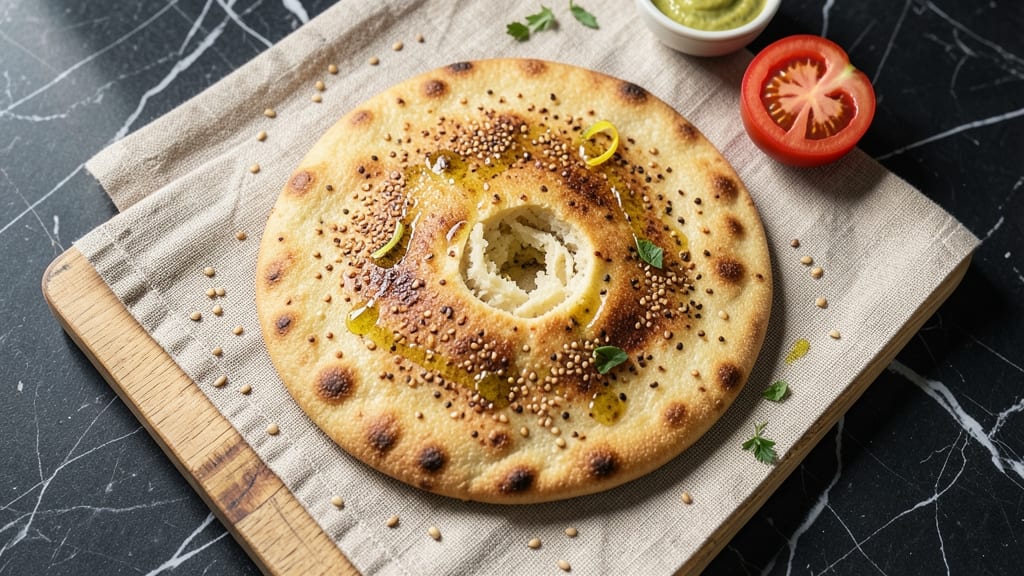
Mastering an almond flour flatbread bread recipe with crispy edges and a light, airy center transforms simple ingredients into a versatile vegan masterpiece. This recipe delivers a texture that's crisp yet tender—perfect for dipping in olive oil or pairing with soups and spreads.
The secret lies in balancing hydration and baking techniques to achieve that ideal contrast between exterior and interior. What sets this almond flour flatbread apart is its simplicity and adaptability.
With just five core ingredients—almond flour, water, oil, salt, and a touch of leavening—you create a dough that's easy to shape and bake. The key to success is pressing the dough thin enough for even crisping while maintaining a soft, slightly chewy center.
This method ensures every bite delivers that satisfying crunch without sacrificing tenderness. The result is a flatbread that's both elegant and functional—ideal for serving at gatherings or as a daily staple.
You can customize it with herbs, seeds, or spices to suit your taste, making it as versatile as it is delicious. Whether you're exploring vegan baking or simply looking for a healthier alternative, this recipe delivers restaurant-quality results at home.
Ready in just 20 minutes, this almond flour flatbread requires minimal effort but maximum impact. The aroma of warm, golden-brown flatbreads fresh from the oven will have everyone asking for seconds. Here's how to achieve that perfect texture every time.
Ingredients for almond flour flatbread bread
Five simple ingredients create a vegan flatbread with perfect crispy edges and tender centers.
| Ingredient | Amount | Notes |
|---|---|---|
| Almond Flour 🌰 | 2 cups | Finely ground, unsweetened |
| Extra-Virgin Olive Oil 🫒 | ¼ cup | Cold-pressed for best flavor |
| Warm Water 💧 | ½ cup | Room temperature preferred |
| Fine Sea Salt 🧂 | 1 tsp | Diamond Crystal preferred |
| Active Dry Yeast 🍞 | ¼ tsp | Instant yeast works too |
| Sesame Seeds 🌾 | 1 tbsp | Optional for garnish |
| Toasted Sesame Oil 🫒 | 1 tsp | For brushing after baking |
The almond flour is non-negotiable here—Bob's Red Mill or Anthony's Goods brands yield the finest texture. Freshly ground almond flour makes all the difference, so avoid pre-ground if possible. For the yeast, Saf-Instant ensures faster activation without proofing time. Olive oil should be extra-virgin and cold-pressed—avoid refined versions that lack flavor. Warm the water to body temperature (about 100°F) to activate the yeast properly. If you can't find sesame seeds, toasted poppy seeds work as a neutral alternative.
No sesame oil? Avocado oil or neutral vegetable oil for brushing works equally well. Substitute yeast with 1 tsp baking powder for a quick version (texture will differ). For extra crispiness, add 1 tbsp cornstarch to the almond flour mix. If your kitchen runs hot, reduce the yeast by half—almond flour dough rises faster than wheat. The salt enhances flavor dramatically, so don't skip it even if your almond flour is unsalted.
Store baked flatbreads in an airtight container at room temperature for 3 days—they crisp up beautifully when reheated. For longer storage, freeze portions between parchment paper for up to 2 months. Reheat in a 350°F oven for 5 minutes to restore crispness. The dough itself keeps in the fridge for 24 hours before shaping, though it's best used immediately for optimal texture.
Why You'll Love This Recipe
- No-Knead Magic: I swear, this dough comes together in five minutes—just mix, let it rise, and roll. No stand mixer, no fuss. The yeast works its magic while you sip coffee, and honestly? That’s my kind of baking.
- Crispy-Creamy Dream: The almond flour gives it that perfect texture—crisp edges, soft center—plus the olive oil adds this subtle richness that makes it taste like a fancy bakery’s secret. (Yes, even with just salt and yeast.)
- Wrap It All: Breakfast burritos? Sandwiches? A quick flatbread for dipping? This stuff stretches, holds shape, and eats like a hero every time. My kids grab it for lunch without complaint—unheard of.
- Pantry-Friendly Staple: Almond flour lasts forever, and you’re using yeast, not expensive shortcuts. Make a batch on Sunday, freeze extras, and boom—homemade flatbread anytime. Budget win, zero waste.
Step-by-step instructions for almond flour flatbread
Here's the precise method to achieve that coveted crispy exterior and tender interior using only almond flour.
Activate the Yeast and Form the Dough
In a small bowl, combine the 0.5 cup warm water with the 0.25 tsp active dry yeast and 1 tsp fine sea salt. Let it sit for 5 minutes until you see frothy bubbles forming on the surface—this confirms the yeast is active. If no bubbles appear, your yeast may be dead or the water too hot.
In a separate large bowl, whisk together the 2 cups almond flour and 0.25 cup extra-virgin olive oil until fully incorporated. The mixture should resemble coarse sand. Pour the yeast mixture into the almond flour and stir with a wooden spoon until a shaggy dough forms. The dough will be sticky and irregular, which is normal with almond flour's moisture absorption properties.
Knead and Rest the Dough
Turn the dough onto a lightly floured surface and knead gently for 2-3 minutes until just combined. Unlike wheat flour dough, almond flour dough won't develop gluten, so don't overwork it. Shape into a loose ball and place it in a lightly oiled bowl. Cover with a damp towel and let rest at room temperature for 30 minutes.
This resting period allows the dough to relax slightly and develop subtle flavor. The texture will remain soft and pliable—don't expect it to rise dramatically like wheat dough. If the dough feels too sticky after resting, wet your hands slightly before handling to prevent tearing.
Divide and Roll the Flatbreads
After resting, divide the dough into 4 equal portions (about ¼ cup each). On a clean surface, roll each portion into a ¼-inch thick circle using a rolling pin. Almond flour dough resists traditional rolling, so apply gentle but firm pressure. If the dough cracks, simply press it back together—this won't affect the final texture.
For extra crispiness, brush each rolled flatbread lightly with toasted sesame oil on both sides. This creates a golden crust while adding nutty depth. Cover with a damp towel to prevent drying while you prepare the oven.
Bake Until Golden and Crisp
Preheat your oven to 375°F with a baking sheet inside for 10 minutes to ensure even heat distribution. Place the rolled flatbreads on the hot baking sheet and bake for 12-15 minutes until the edges are deep golden brown and the centers feel slightly firm to the touch. Rotate the baking sheet halfway through for even browning.
The flatbreads will puff slightly at the edges during baking—this is normal. They should emerge from the oven with a crisp exterior that gives way to a tender, slightly chewy interior. If they brown too quickly, tent with foil for the last 2-3 minutes of baking to prevent over-browning.
Finish and Serve Immediately
Remove the flatbreads from the oven and immediately brush the tops with any remaining toasted sesame oil. Sprinkle with 1 tbsp sesame seeds while still warm for added texture. Serve immediately while crisp—almond flour flatbreads soften rapidly as they cool.
For best results, stack the flatbreads with parchment paper between each layer to maintain crispness. These flatbreads pair beautifully with soups, stews, or as a base for Mediterranean-inspired dishes. The nutty flavor from the almond flour complements the toasted sesame notes perfectly, creating a balanced bite with every crisp edge.
Pro Tips For Making Almond Flour Flatbread Bread
- Measure Yeast Precisely: Almond flour absorbs moisture differently than wheat flour, so don’t eyeball the yeast. Use a kitchen scale for 1/4 teaspoon (1.25g) of active dry yeast—too much makes the dough sour, too little leaves it flat. I learned this after tossing out a batch that tasted like overproofed sourdough.
- Rest the Dough Longer: Skip the 30-minute rise—give it 45 to 60 minutes. Almond flour dough needs extra time to hydrate and develop gluten-like structure. Cover it with a damp towel and let it sit in a warm spot (like a turned-off oven with the light on) until it nearly doubles. Patience here makes the difference between a dense flatbread and one with a proper chew.
- Use Cold Water for Yeast: Warm water activates yeast too fast, leading to a gummy dough. Mix the yeast with 1/4 cup cold water first, then add the warm water (110°F/43°C) to the almond flour. This gives the yeast time to bloom gradually without overfermenting. I was skeptical until I tried it—now it’s non-negotiable.
- Brush Oil Twice: After shaping, brush the top with olive oil before baking, then again immediately after removing from the pan. The first coat helps crisp the edges, while the second seals in moisture. Use a light hand—too much oil makes the flatbread greasy. This is the thing that keeps it tender for days.
Serving suggestions for leftovers
Dipping Sauces
Warm extra-virgin olive oil drizzled over fresh flatbreads is my go-to—simply heat ¼ cup olive oil with 1 crushed garlic clove and a pinch of red pepper flakes for 2 minutes.
The nutty almond flavor pairs beautifully with the rich, fruity notes of a high-quality oil like California Avocado Ranch. For a vegan twist, blend ½ cup tahini with 2 tbsp lemon juice, 1 tbsp maple syrup, and 3 tbsp water until smooth. 🫒
Soup Pairings
Ladle your flatbreads into warm bowls of minestrone soup or lentil stew for a hearty meal. The crisp edges soak up the broth perfectly while the tender center stays intact.
I love serving them with a roasted red pepper soup—the smoky depth of the peppers contrasts wonderfully with the nutty almond flavor. For a lighter option, pair with cucumber-dill yogurt soup (use vegan coconut yogurt).
Mediterranean Spreads
Spread hummus or baba ganoush on warm flatbreads and fold into triangles for a handheld appetizer. I like to add a sprinkle of za'atar and a drizzle of pomegranate molasses for a tangy, herby contrast.
For a protein boost, layer with marinated white beans and kalamata olives. These combinations turn your flatbreads into a complete meal in minutes. 🌿
Breakfast Serving
Toast your flatbreads lightly and top with avocado mash, cherry tomatoes, and crumbled feta (use vegan feta if needed). Add a sprinkle of flaky sea salt and black pepper for a simple yet satisfying breakfast.
For extra richness, drizzle with balsamic glaze and serve with a side of scrambled tofu. The crisp texture holds up perfectly to these toppings. 🍳
Garnish Ideas
Fresh herbs like cilantro or parsley add brightness to your flatbreads. I like to tear them by hand and sprinkle over warm flatbreads just before serving. For a smoky touch, add crumbled smoked paprika or toasted cumin seeds.
A final drizzle of chili oil (mix 2 tbsp neutral oil with 1 tsp chili crisp) brings instant heat and depth. These garnishes elevate your flatbreads from simple to showstopping. 🌶️
Nutrition facts
Frequently asked questions
Why does my almond flour flatbread turn out dense instead of crispy?
Overworking the dough or using too much liquid creates dense results. Almond flour dough requires gentle handling—just combine until shaggy, then roll ¼-inch thick for even crisping. Also, ensure your oven reaches 375°F and preheat for 10 minutes with the baking sheet inside. Too much moisture or insufficient heat prevents crisp edges.
Can I make this flatbread without yeast? What's the substitute?
Yes! Replace the yeast with 1 tsp baking powder for a quick version. The texture will be lighter but less chewy. For extra crispiness, add 1 tbsp cornstarch to the almond flour. Bake immediately after mixing—no resting time needed. This method works best for flatbreads without the traditional rise.
How do I store leftovers to keep them crispy?
Cool completely, then stack with parchment paper between layers. Store in an airtight container at room temperature for 3 days. To revive crispiness, reheat in a 350°F oven for 5 minutes or toast in a dry skillet over medium heat for 1-2 minutes per side. Freeze portions for up to 2 months—thaw at room temperature before reheating.
What's the best way to add herbs or spices to the dough?
Mix dried herbs (like oregano or thyme) or spices (such as garlic powder or smoked paprika) directly into the almond flour before adding wet ingredients. For fresh herbs (like cilantro or parsley), sprinkle them on top after baking while the flatbreads are still warm. This preserves their flavor and prevents wilting during baking.
Can I use this flatbread for sandwiches or wraps?
These flatbreads hold up well to fillings like hummus, roasted veggies, or grilled tofu. For best results, assemble sandwiches immediately after baking while the flatbreads are still warm and pliable. If storing, reheat briefly in the oven to restore flexibility. Avoid heavy fillings like wet salads—they can make the flatbread soggy.