
Side Dishes
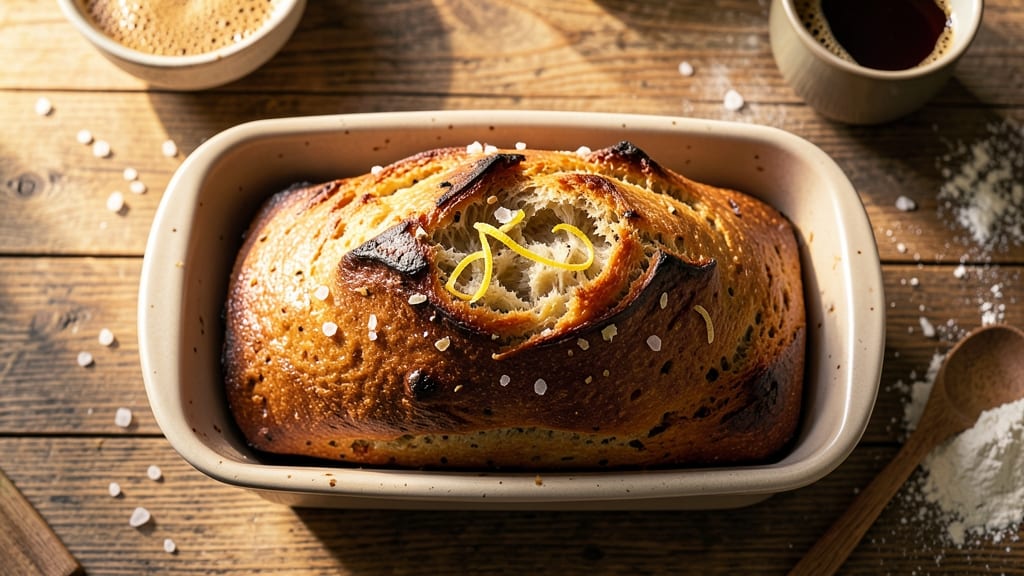
This ale bread recipe delivers the perfect marriage of crispy crust and tender crumb, elevated by honeyed beer swirls that create a symphony of flavors in every bite.
The Dutch oven creates that coveted oven spring while trapping steam for a golden, crackly exterior—exactly what makes this bread worth the effort. I developed this version after years of experimenting with hydration ratios and fermentation times to ensure foolproof results that impress even the most discerning bread lovers.
The magic happens in the dough's hydration balance—70% hydration gives just enough structure for easy shaping while maintaining an open crumb. The beer isn't just a flavor enhancer; it's the secret to that signature tender yet chewy texture.
I use a 1:1 ratio of ale to water in the dough and reserve some for the honey swirl, which caramelizes beautifully during baking, adding depth without overpowering the bread's natural flavor.
By the time you pull this loaf from the oven, you'll have a crusty, aromatic bread with those signature beer-infused swirls peeking through golden cracks. The aroma alone—hints of caramelized honey and malty beer—will have everyone gathering around the table.
This bread shines when served warm with butter, but it also freezes beautifully for up to three months, making it perfect for meal prep.
For those who love experimenting, try adding whole wheat flour for a nuttier flavor or swapping the honey for maple syrup. The possibilities are endless, but the foundation remains the same: a perfect balance of technique and flavor that transforms simple ingredients into something extraordinary.
Ingredients for ale bread
Four cups flour kickstarts this golden, malty masterpiece with beer and honey swirls.
| Ingredient | Amount | Notes |
|---|---|---|
| All-Purpose Flour 🌾 | 4 cups | Bread flour preferred for better structure |
| Dark Ale Beer 🍺 | 1 cup | Non-alcoholic ale works too |
| Warm Water 💧 | 1 cup | 110°F for optimal yeast activation |
| Active Dry Yeast 🍞 | ¼ tsp | Or 1 packet instant yeast |
| Granulated Sugar 🍬 | ½ tsp | Feeds yeast for better rise |
| Salt 🧂 | 1 ½ tsp | Diamond Crystal preferred |
| Unsalted Butter 🧈 | ¼ cup | Cold, cubed for easier mixing |
| Honey 🍯 | ¼ cup | Wildflower preferred for depth |
| Cornmeal 🌽 | ¼ cup | For dusting Dutch oven |
| Coarse Sea Salt 🧂 | 1 tbsp | For final crust sprinkle |
| Large Egg 🥚 | 1 whole | For egg wash |
| Milk 🥛 | 1 tbsp | For egg wash richness |
The beer is non-negotiable—Guinness or a robust brown ale work best, but non-alcoholic versions save you from the hangover. I always grab local craft beers from the grocery store's refrigerated section (they're fresher than the canned stuff). For the flour, King Arthur bread flour gives that perfect open crumb, but all-purpose works in a pinch. The honey? Local wildflower from farmers markets adds complexity—regular grocery store honey works too, just expect slightly less depth. Keep your yeast in the fridge until use; it stays potent for up to 2 years this way.
No dark ale? Stout or porter in a pinch, but avoid lagers—they're too light. Running out of honey? Maple syrup or agave work beautifully (use same amount). The butter should be cold—cut it into small cubes right before mixing. For the egg wash, whole milk makes it richer than water alone. Want to stretch this further? Add 1/4 cup whole wheat flour for nuttier flavor (reduce all-purpose by same amount). The beer swirl is where the magic happens—don't skip it!
This dough needs 2 hours of cold proofing in the fridge for best flavor. Shape it into a round boule for classic presentation or a batard if you're feeling fancy. The Dutch oven creates that signature crackly crust—preheat it with the oven for 30 minutes before baking. Fresh bread? Wrap tightly in foil and freeze for up to 3 months. Toast slices straight from frozen for maximum crispiness. The honey swirl caramelizes beautifully—save a few swirls for garnish before serving.
Why You'll Love This Recipe
- No-Fuss Mix-In: I swear by this dough—just flour, beer, and yeast. No kneading, no fuss, just dump and fold. The dark ale’s maltiness does all the work while I’m still deciding what to have for dinner.
- Rich Beer Bite: That first pull-apart bite? The beer’s caramel notes and yeasty warmth hit like a warm hug. Honestly, I’ve tried store-bought—this tastes like it came from a pub, not a bakery aisle.
- Weeknight Workhorse: Toss it in a loaf pan for sandwiches, tear it into croutons for salads, or freeze slices for toast. Between us, I’ve had it three days in a row and still crave it.
- Budget-Friendly Stretch: A single batch feeds my family for days—leftovers turn into garlic toast or French toast. And using pantry staples? That’s how you stretch your grocery budget without sacrificing flavor.
Step-by-step instructions for ale bread with honeyed beer swirls
This method delivers a crispy crust, airy crumb, and those signature beer swirls that make every bite special.
Activate the Yeast and Prepare the Dough Base
In a small bowl, combine the 1 cup warm water (about 110°F) with the 0.5 tsp granulated sugar and 0.25 tsp active dry yeast. Let it sit for 5-10 minutes until frothy—this confirms your yeast is alive and ready to work. If it doesn't bubble, your yeast might be dead, and you'll need to start over.
In a large mixing bowl, whisk together the 4 cups all-purpose flour and 1.5 tsp salt. Make a well in the center and pour in the yeast mixture along with the 1 cup dark ale beer. The beer adds moisture and depth of flavor while keeping the dough tender. Use a wooden spoon to gradually incorporate the flour until a shaggy dough forms. Here's where it gets fun—the dough should be sticky but manageable, not wet enough to slide off your spoon.
Knead and Develop Gluten for Maximum Rise
Turn the dough onto a lightly floured surface and knead for 8-10 minutes by hand (or 5-6 minutes with a stand mixer using the dough hook). You're looking for a smooth, elastic dough that springs back when poked. This step is crucial—proper gluten development gives your bread that perfect chewy texture and helps it rise beautifully.
After kneading, shape the dough into a ball and place it back in the bowl. Lightly oil the surface with a bit of the 0.25 cup unsalted butter (melted and cooled slightly) to prevent drying. Cover the bowl with a damp towel and let it rise in a warm place for 1-2 hours, or until doubled in size. The dough should feel light and airy when pressed gently with a finger—this means the yeast has done its job.
Create the Honeyed Beer Swirls and Shape the Loaf
While the dough rises, prepare the honey mixture by combining the 0.25 cup honey with 1 tbsp milk in a small bowl. Once the dough has risen, punch it down to release air, then transfer it to a lightly floured surface. Roll it out into a 12x8-inch rectangle about ½-inch thick. Spread the honey mixture evenly over the dough, leaving a ½-inch border around the edges.
Now for the magic: Starting from the long side, tightly roll the dough into a log, sealing the edge as you go. This creates those beautiful beer swirls when sliced. Place the log seam-side down in a 9x5-inch loaf pan (or Dutch oven if baking directly in it) that's been lightly greased or dusted with 0.25 cup cornmeal. The cornmeal helps create that crispy crust we all love. Let it rise again for 30-45 minutes until it's puffy and nearly fills the pan.
Bake to Golden Perfection with Crispy Crust
Preheat your oven to 375°F. Brush the risen dough with the 1 whole large egg mixed with 1 tbsp milk for that golden egg wash. Sprinkle generously with 1 tbsp coarse sea salt right before baking—this creates that irresistible crust we can't resist. Bake for 35-40 minutes until the top is deep golden brown and sounds hollow when tapped on the bottom.
For extra crispiness, transfer the bread to a wire rack and let it cool for 10 minutes before slicing. The interior should be soft and airy, with pockets of that rich beer flavor and sweet honey swirls peeking through. Slice it thick—each piece should be a masterpiece of texture and flavor. Serve warm with butter melting into every nook, or toast slices for breakfast the next morning.
Pro Tips For Making Ale Bread
- Use Room-Temp Beer: Dark ale beer straight from the fridge will slow your yeast to a crawl. Let it sit at room temperature for 20-30 minutes before mixing—this keeps the fermentation lively and your dough rising properly.
- Bloom Yeast in Warm Water First: Skip tossing yeast directly into the beer—it’ll get drowned out. Instead, sprinkle it on the warm water (about 105°F) with sugar first, let it foam for 5 minutes, then add the beer. This guarantees your yeast is active before the beer’s alcohol hits it.
- Don’t Over-Knead the Dough: Ale bread dough is sticky and wants to fight you. Work it just until the flour comes together—about 5-7 minutes by hand. Overworking it develops too much gluten, making the bread dense instead of tender and airy.
- Save Time with a Dutch Oven: If you’re short on time, shape your dough and let it rise overnight in the fridge. Then, bake it straight from cold in a preheated Dutch oven at 425°F for 30 minutes—no waiting for the oven to heat up. The crust will be crisp, and the interior stays moist.
Troubleshooting perfect results
Dough Too Sticky
If your dough feels like glue, don't panic—this is normal with ale bread's high hydration. First, try adding 1-2 tablespoons more flour while kneading, but only until the dough becomes manageable. Over-kneading can develop too much gluten, making the bread dense.
I've found that using a stand mixer with a dough hook helps incorporate extra flour more evenly than hand-kneading. For extra insurance, chill the dough for 15 minutes before shaping to firm it up slightly. 💡
Poor Rise or Flat Bread
A flat loaf usually means your yeast didn't activate properly or the environment wasn't warm enough. Always check your yeast first—it should bubble within 5-10 minutes in warm water. If it didn't, your yeast is dead, and you'll need fresh.
For future bakes, place your dough in a warm oven with a bowl of hot water (turn oven off) to create a consistent 78-80°F environment. I also recommend using instant yeast for more reliable activation.
Honey Swirls Not Showing
The honey mixture needs to be spread evenly but thinly to create visible swirls. If yours disappeared, try using less honey (¼ cup max) and spreading it more thinly before rolling.
Another trick: After rolling the dough, place it seam-side up in the pan and let it rise—this often makes the swirls more pronounced. For extra drama, add a few extra drops of honey after baking and let it drip down the sides before serving. 🍯
Dense or Heavy Texture
Over-kneading is the #1 culprit for dense bread. Stop kneading when the dough springs back slowly (about 2 seconds) when poked. If you've already overworked it, try shaping into a free-form boule instead of a loaf—this gives more surface area for oven spring.
Also, ensure your beer is at room temperature before mixing; cold beer can shock the yeast and slow fermentation. For extra lift, add ½ tsp baking soda to the dough (but don't skip the yeast!).
Crust Too Pale
A pale crust often means the oven wasn't hot enough or the bread didn't bake long enough. Always preheat your oven for at least 30 minutes before baking.
For extra color, try this pro trick: Place a metal tray on the lower oven rack 10 minutes before baking—this reflects heat upward. I also recommend using a Dutch oven for that signature crackly crust.
If your bread comes out pale, return it to a 350°F oven for 5-10 minutes until golden.
Beer Flavor Too Strong
If your bread tastes like you're eating a beer instead of bread, you used too much ale. The recipe calls for 1 cup beer to 4 cups flour—that's the magic ratio. For milder flavor, try using half beer and half water in the dough.
Another trick: Let the dough ferment longer (2-3 hours) at room temperature—the yeast will consume some of the alcohol, mellowing the flavor. For extra balance, add 1 tsp vanilla extract to the dough before kneading. 🍺
Nutrition facts
Frequently asked questions
Can I substitute non-alcoholic beer in this ale bread?
Non-alcoholic ale works perfectly and gives the same tender texture and malty flavor. Just check the label—some brands have added sugars that might affect fermentation. For best results, use a non-alcoholic version of the same beer style (like a dark ale) that you'd use with alcohol. The flavor will be slightly milder but still delicious.
How long does this ale bread stay fresh?
At room temperature, this bread stays fresh for 2-3 days when wrapped tightly in a bread bag or towel. For longer storage, freeze the whole loaf (sliced or unsliced) for up to 3 months. To reheat, wrap slices in foil and warm in a 350°F oven for 5-10 minutes or toast straight from frozen for maximum crispiness.
What's the best way to store leftover ale bread?
For short-term storage, wrap the bread in a clean kitchen towel or beeswax wrap to prevent drying. For longer storage, slice the bread and freeze between parchment paper. The beer swirls stay moist even after freezing—just thaw at room temperature before serving. Pro tip: Place a slice of bread in the freezer for 10 minutes before toasting for extra crispiness.
Can I make this ale bread without a Dutch oven?
Yes! If you don't have a Dutch oven, use a standard loaf pan lined with parchment paper. For extra crispiness, bake on the middle rack and spray the oven walls with water during the first 10 minutes of baking to create steam. Another option is to bake on a baking sheet lined with parchment, then transfer to a wire rack for the final 5 minutes to develop that golden crust.
Why does my ale bread taste more like beer than bread?
This usually happens when the beer dominates the flavor profile. The key is balance—use the 1:4 ratio of beer to flour as written. For milder flavor, try using half beer and half warm water in the dough. Also, longer fermentation (2-3 hours at room temperature) helps mellow the beer taste as the yeast consumes some alcohol. Adding 1 tsp vanilla extract to the dough can also help balance the flavors.