
Side Dishes
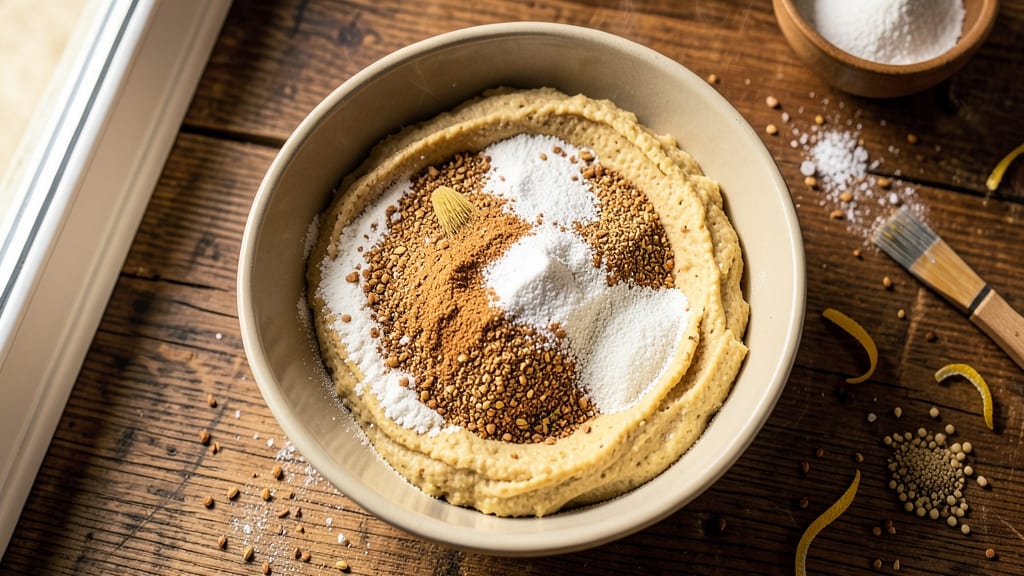
Unlike traditional white flour bread, whole wheat dough benefits from longer resting times—allowing gluten to develop fully despite the flour’s natural density. We’ll incorporate extra vital wheat gluten and adjust water content to prevent dryness, ensuring your loaf rises beautifully without collapsing.
The result? A bread with rich, nutty depth and a satisfying chew that still slices cleanly.
This recipe maintains the familiar comfort of homemade bread while boosting fiber, protein, and minerals. The crust develops a golden, crisp exterior with each slice revealing an airy interior speckled with wholesome flecks. Perfect for sandwiches, toast, or serving alongside soups, this bread proves healthy ingredients can deliver restaurant-quality results.
Whether you’re replacing half or all of your white flour, the adjustments are simple and yield dramatic improvements. Let’s create bread that’s as good for you as it tastes—without compromising on that home-baked magic. The process is straightforward once you understand the science behind the flour.
Ingredients for adding whole wheat flour to bread
These ingredients transform your basic bread into a nutrient-rich loaf with perfect texture and flavor.
| Ingredient | Amount | Notes |
|---|---|---|
| All-Purpose Flour 🌾 | 2 cups | For light structure and rise |
| Whole Wheat Flour 🌾 | 2 cups | Unbleached, high protein preferred |
| Vital Wheat Gluten 🌾 | ¼ cup | For improved gluten development |
| Active Dry Yeast 🍞 | 2 ¼ tsp | Or 1 packet instant yeast |
| Granulated Sugar 🍚 | 1 tbsp | Feeds yeast for activation |
| Salt 🧂 | 1 ½ tsp | Diamond Crystal preferred |
| Unsalted Butter 🧈 | ½ cup | Cold, cubed for dough enrichment |
| Warm Water 💧 | 1 ¼ cups | 110°F ideal for yeast activation |
| Honey 🍯 | 1 tbsp | For moisture and subtle sweetness |
| Extra-Virgin Olive Oil 🫒 | 1 tbsp | For dough elasticity |
| Cornmeal 🌽 | ¼ cup | For dusting and crust texture |
The whole wheat flour is the star—look for high-protein, unbleached at stores like King Arthur Flour or Bob's Red Mill. Their flours have that perfect balance of protein and moisture retention. Vital wheat gluten is non-negotiable here; it compensates for whole wheat's lower gluten content. I always grab mine in the baking aisle at Whole Foods—it keeps well for months in the pantry. The yeast? Fresh is best, but instant yeast works too if you're in a pinch. Just make sure it's not expired—old yeast won't activate properly.
No whole wheat flour? Substitute with white whole wheat flour at the same ratio—it's lighter but still adds nutrients. Running low on vital wheat gluten? Add 1 extra tbsp of all-purpose flour and reduce water slightly, but expect slightly less rise. The honey can be swapped for maple syrup or agave, though honey adds that subtle depth. For the butter, vegan butter works if needed, but it may slightly alter the crust's crispness. And if you're avoiding gluten? This recipe isn't for you—whole wheat requires gluten for structure.
Store your flours in airtight containers to prevent moisture absorption. The yeast packet? Keep it in the fridge—it lasts longer that way. Once mixed, the dough benefits from 2-3 hours of resting in the fridge before shaping. This slow fermentation develops better flavor. The finished loaf keeps well at room temperature for 3 days wrapped in a clean towel, or 1 week in the fridge. For longer storage, freeze slices wrapped in parchment—just thaw at room temperature before toasting.
Why You'll Love This Recipe
- No-Fuss Mix-In: I just toss the whole wheat flour right into my usual dough—no special techniques, no stress. The vital wheat gluten keeps it light, so you’d never guess it’s packed with nutrients.
- Rich, Earthy Crunch: That whole wheat adds a satisfying bite, while the yeast and sugar give it a tender, slightly sweet finish. Honestly, it’s the best of both worlds—white bread’s softness with whole grain’s depth.
- Weeknight & Picnic Hero: I make a big batch on Sundays—it’s perfect for sandwiches, toast, or even French toast later. (Yes, even on a Tuesday night when I’m too tired to think.)
- Budget-Boosting Secret: Using whole wheat cuts costs while adding fiber, and the gluten ensures it rises just like store-bought. My wallet and my family’s health win without sacrificing flavor.
Step-by-step instructions for enriched whole wheat bread
Here's how to blend whole wheat flour without sacrificing texture or rise.
Combine Dry Ingredients for Optimal Gluten Development
In a large mixing bowl, whisk together the 2 cups all-purpose flour, 2 cups whole wheat flour, and 0.25 cup vital wheat gluten until evenly distributed. The gluten acts as a binder, compensating for whole wheat's lower protein content. I like to sift this mixture through a fine-mesh sieve to eliminate any lumps and ensure even distribution of ingredients.
Add the 2.25 teaspoons active dry yeast, 1 tablespoon granulated sugar, and 1.5 teaspoons salt to the dry ingredients. The sugar helps activate the yeast, while the salt both seasons and regulates yeast activity. Mix these ingredients gently with a whisk to avoid activating the yeast prematurely—you want it to bloom properly when combined with the liquids.
Cut in Cold Butter for Richness and Texture
Add the 0.5 cup cold, cubed unsalted butter to the dry mixture. Using a pastry cutter or your fingers, work the butter into the flour until you achieve pea-sized crumbs. The cold butter should remain firm but begin to soften slightly from the contact with the flour. This step creates pockets of fat that will melt during baking, creating a tender crumb.
Real talk: Don't overwork the butter here. You're aiming for even distribution, not a fully developed dough. If the mixture feels too dry, it's okay—we'll add the liquids next. The butter's cold temperature is crucial; it prevents the gluten from developing too early, which would make the final bread dense.
Hydrate with Warm Water and Honey
In a separate bowl, combine the 1.25 cups warm water (about 110°F), 1 tablespoon honey, and 1 tablespoon extra-virgin olive oil. The warm water activates the yeast while the honey adds moisture and subtle sweetness. The olive oil enhances dough elasticity and prevents cracking. Let this mixture sit for 5 minutes while you prepare the dry ingredients.
Pour the liquid mixture into the dry ingredients and stir with a wooden spoon until a shaggy dough forms. The whole wheat flour will absorb more liquid than all-purpose, so you might need to add an extra 1 tablespoon of warm water if the dough feels too dry. Don't worry if it looks messy—this is normal with whole wheat. The dough should be soft but not sticky enough to cling to your hands.
Knead Until Elastic and Smooth
Turn the dough onto a lightly floured surface and knead for 8-10 minutes until smooth and elastic. I press down with the heel of my hand, fold the dough toward me, and rotate the bowl a quarter turn with each press. This technique develops gluten evenly without overworking the dough. With whole wheat flour, you'll notice the dough is denser and less springy than all-purpose, but it should still become smooth with proper kneading.
Here's the thing—whole wheat dough can be tricky. If it feels too dry during kneading, add 1 teaspoon of warm water at a time until it reaches the right consistency. The dough should be slightly tacky but not sticky. Once properly kneaded, the dough should spring back slowly when pressed with your finger—a good sign of proper gluten development.
First Rise and Shaping for Perfect Structure
Lightly oil a large bowl, place the dough inside, and turn it to coat all surfaces. Cover with a damp towel or plastic wrap and let rise in a warm place (about 75°F) for 1-1.5 hours, or until doubled in size. The whole wheat flour will make the dough rise more slowly than all-purpose, so be patient. You'll know it's ready when it leaves an indentation when gently pressed with your finger that slowly fills back in.
Punch down the risen dough to release air, then shape it into a loaf by folding the ends toward the center and rolling it tightly. Place the loaf seam-side down in a 9x5-inch loaf pan that's been lightly greased with olive oil. Sprinkle the 0.25 cup cornmeal evenly over the top—this creates a beautiful crust and prevents sticking. Cover again and let rise for another 30-45 minutes until the dough has risen about **1 inch above the pan.
Pro Tips For Making Adding Whole Wheat Flour To Bread
- Mix Gluten First: Before adding liquids, whisk the vital wheat gluten into the all-purpose flour—this ensures even distribution and prevents dense pockets in your bread. I learned this the hard way when my loaves turned out gummy; the gluten needs to blend in completely or it clumps like a bad soufflé.
- Soften the Wheat: Whole wheat flour absorbs moisture faster than all-purpose. Mix it with warm water (about 100°F) for 5 minutes before combining with the rest of the dough—this hydrates the bran and prevents a dry, crumbly texture. Yes, it’s an extra step, but your bread will thank you.
- Don’t Over-Knead: Whole wheat dough is tougher and needs less handling. Stop kneading when the dough springs back slowly (about 10 minutes by hand or 5-6 on a stand mixer). Overworking it activates the gluten too much, and your bread will turn out chewy instead of light.
- Use Less Yeast: Whole wheat flour feeds yeast slower, so cut the active dry yeast by 20% (e.g., use 1.5 tsp instead of 2 tsp for a standard recipe). I was skeptical until I tried it—my bread now rises properly without collapsing. Trust the process.
Perfect pairings for this dish
Buttery Spreads
Whole wheat bread pairs beautifully with rich, creamy spreads that balance its earthy flavor. I love slathering cultured butter like Plugrá or Land O'Lakes Organic—their tangy notes complement the bread's nutty depth.
For extra richness, try a mix of herb-infused butter (like Trader Joe's Garlic & Herb) with a sprinkle of flaky sea salt before serving. The salt enhances the bread's crust while the herbs add freshness to each bite. 🧈
Sweet Toppings
Sweet pairings transform this bread into a dessert-like experience. A thin layer of honey or maple syrup drizzled over warm slices creates instant toast that's perfect for breakfast. For something more indulgent, spread with ricotta cheese mixed with 1 tbsp honey and a pinch of cinnamon.
The creaminess contrasts wonderfully with the bread's chewy texture. I also love adding sliced bananas or peaches for natural sweetness and moisture. 🍯
Savory Spreads
For savory applications, avocado mash with a squeeze of lime and salt creates a luscious, creamy texture that pairs perfectly with the bread's hearty flavor. Another favorite is hummus—I recommend a roasted red pepper variety for its smoky depth.
For a protein boost, try whipped goat cheese mixed with 1 tbsp Dijon mustard and chopped walnuts. The tangy cheese and crunchy nuts elevate every sandwich or open-faced toast. 🥑
Cheese Pairings
Sharp cheeses cut through the bread's density beautifully. Aged cheddar like Cabot Clothbound Cheddar or Gouda provide a rich, nutty contrast. For something lighter, try fresh mozzarella with a drizzle of balsamic glaze—the sweet-tart balance is divine.
I also love blue cheese crumbles on toast with a sprinkle of toasted pecans for a sophisticated flavor profile. The bread's texture holds up perfectly to these bold cheeses. 🧀
Condiment Combinations
Classic condiments get an upgrade with whole wheat bread. Apple butter adds a fruity sweetness that pairs wonderfully with the bread's earthy notes. For something tangy, try spicy brown mustard or sriracha mayo—the heat contrasts beautifully with the bread's chewiness.
I also love olive tapenade** for its briny, fruity depth. These pairings turn simple toast into a gourmet experience without extra effort. 🍎
Nutrition facts
Frequently asked questions
Why does my whole wheat bread turn out dense?
Whole wheat flour absorbs more moisture and has less gluten than white flour, so your dough needs extra hydration and kneading. Try adding 1 extra tablespoon of water and kneading for 10-12 minutes until elastic. Also, let the dough rest in the fridge overnight for better gluten development. The result should be lighter with an open crumb!
Can I replace all white flour with whole wheat in any recipe?
Not without adjustments! Whole wheat works best in recipes where you replace 50% or less of white flour. For full replacement, add 1 tbsp vital wheat gluten per cup of whole wheat flour and increase water by 1-2 tablespoons. Also expect longer fermentation times—whole wheat dough needs 1.5-2 times the rising time of white flour dough.
How do I prevent my whole wheat bread from tasting bitter?
Bitterness comes from over-developed gluten or old flour. Use high-quality, unbleached whole wheat flour (King Arthur or Bob's Red Mill) and knead just until smooth—not until tough. Also, avoid overproofing—whole wheat dough should rise until it's about 50% larger, not doubled like white flour. A touch of honey or sugar in the dough helps balance flavors too!
What's the best way to store whole wheat bread?
Whole wheat bread dries out faster than white flour bread. Store it in a paper bag at room temperature for 2-3 days, or wrap tightly in foil for 4-5 days. For longer storage, freeze slices wrapped in parchment paper—they'll stay fresh for 3 months. To revive stale bread, sprinkle with water and toast in a 375°F oven for 5-10 minutes.
Can I make this bread without vital wheat gluten?
You can try, but expect a denser result. If omitting gluten, reduce whole wheat flour by 10% and add 1 tbsp extra all-purpose flour per cup of whole wheat. Also increase water by 1 tbsp and knead 2 minutes longer. For best results, though, use 1 tbsp vital wheat gluten per cup of whole wheat flour—it makes a noticeable difference in texture!