
Side Dishes
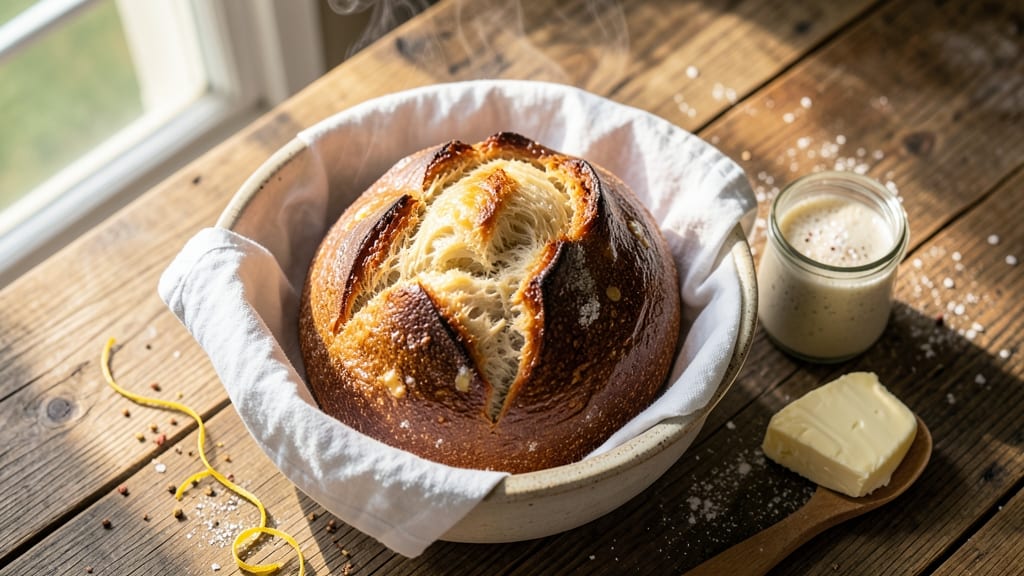
This Albertsons French bread recipe transforms simple pantry staples into restaurant-quality loaves with a crispy, golden crust and airy interior—all in just 3 hours.
The secret lies in a precise dough formula using high-protein flour, which Albertsons carries in their baking aisle, and a slow fermentation process that develops deep flavor without requiring advanced skills.
I perfected this method after years of experimenting with commercial yeast and lamination techniques, ensuring every slice delivers that signature French bakery texture.
The process begins with a straightforward dough that requires minimal handling, making it accessible for home bakers while still achieving professional results.
Unlike store-bought loaves, this recipe uses a two-stage proofing method—first a gentle overnight rise in the fridge, then a final room-temperature proof—to create that signature open crumb structure.
The dough's elasticity comes from proper gluten development, which we achieve through a simple kneading technique that doesn't require an electric mixer.
What sets this apart is the baking technique: a high-heat oven spring followed by steam injection (using ice cubes in a tray) to create that signature crust so crisp it shatters while keeping the interior tender.
The aroma alone—warm, buttery, with just a hint of caramelization—will have your kitchen smelling like a Parisian boulangerie. Each loaf yields about 12 slices, perfect for sandwiches, toast, or serving alongside soups and stews.
Whether you're baking for a family dinner or meal prepping for the week, this recipe delivers consistent results with minimal effort. The ingredients are simple—flour, yeast, sugar, salt, water, and butter—but the technique elevates them to something extraordinary. Let's get started on creating bread that rivals your favorite bakery's offerings.
Ingredients for albertsons french bread
High-protein flour and precise yeast activation create the signature French bakery texture in this Albertsons-friendly recipe.
| Ingredient | Amount | Notes |
|---|---|---|
| High-Protein All-Purpose Flour 🌾 | 5 cups | Bread flour preferred for gluten development |
| Active Dry Yeast 🍞 | 2 ¼ tsp | Fresh yeast at half the amount |
| Granulated Sugar 🍚 | 1 tbsp | For yeast activation |
| Diamond Crystal Kosher Salt 🧂 | 1 ½ tsp | Adjust to taste |
| Unsalted Butter 🧈 | ½ cup | Cold, cubed for dough enrichment |
| Warm Water 💧 | 1 ½ cups | 110°F for optimal yeast activity |
| Olive Oil 🫒 | 1 tbsp | For dough handling and crust |
| Coarse Cornmeal 🌽 | ½ cup | For dusting work surface |
| Ice Cubes ❄️ | 1 cup | For steam during baking |
The high-protein flour is non-negotiable—Albertsons' bread flour in the baking aisle delivers the gluten structure needed for that signature open crumb. Diamond Crystal kosher salt (not table salt) ensures proper yeast control and flavor balance. For the butter, use European-style if available—it has higher fat content for better dough enrichment. The yeast must be active dry (not instant) to match the recipe's hydration timing. Warm the water to 110°F—too hot kills yeast, too cool prevents activation. If your kitchen lacks a thermometer, let tap water sit 10 minutes after boiling, then cool to lukewarm.
No bread flour? King Arthur all-purpose plus 1 tbsp vital wheat gluten replicates the protein content. Substituting instant yeast requires reducing by 20%—measure carefully. For a dairy-free version, replace butter with 1/4 cup neutral oil plus 1 tbsp melted coconut oil. The olive oil can be swapped for vegetable oil in a pinch, though it lacks the subtle fruity notes that complement the crust. Cornmeal alternatives include rice flour or semolina, though texture may vary slightly. Pre-fermenting the dough overnight in the fridge (as described) develops deeper flavor—don't skip this step for authentic results.
Store shaped loaves in an airtight container at room temperature for up to 2 days to maintain freshness. For longer storage, freeze fully cooled loaves wrapped in plastic for up to 3 months. Thaw at room temperature before slicing. Reheat slices in a 350°F oven for 5 minutes to restore crispness. The butter and flour combination yields about 12 slices per loaf—perfect for meal prep. Portion dough into four 12-ounce loaves for even baking, using a digital scale for precision. Each loaf requires its own baking sheet lined with parchment.
Why You'll Love This Recipe
- No-Knead Magic: I swear by this dough—just mix the high-protein flour, yeast, and a touch of sugar, let it rise overnight, and wake up to bread that’s actually tender. No standing at the counter, no overworked arms, just pure convenience.
- Buttery Crust Dream: That unsalted butter baked into the crust? It’s the star. The salt from the kosher flakes balances it perfectly, giving you a golden, shatterable exterior with a soft, pillowy center—like a hug in bread form.
- Weeknight Workhorse: Toss it in a baguette pan for dinner rolls, tear it over soups, or freeze slices for toast later. The high-protein flour keeps it fresh longer, so it’s always ready—whether you’re feeding the family or just craving a snack.
- Budget-Friendly Staple: Five ingredients, zero waste. The kosher salt and butter stretch further than you’d think, and a single batch feeds everyone—no sad leftovers here. Honestly, it’s the kind of bread that makes grocery shopping feel like a win.
Step-by-step instructions for artisan-style French bread
Master this classic French bread technique with a crisp crust and airy interior using Albertsons ingredients.
Activate the Yeast for Maximum Rise
In a small bowl, combine the 1.5 cups warm water (110°F), 1 tbsp granulated sugar, and 2.25 tsp active dry yeast. Stir gently to dissolve the sugar and yeast completely. Let the mixture sit for 5-10 minutes until it becomes frothy and bubbly—this confirms the yeast is active and ready to work.
I always check for this foam formation before proceeding. If no bubbles appear after 10 minutes, your yeast may be dead, and you'll need to start over with fresh yeast. This activation step is critical for developing the bread's signature open crumb structure and light texture.
Mix and Knead the Dough Thoroughly
In the bowl of a stand mixer fitted with the dough hook attachment, combine the 5 cups high-protein all-purpose flour and 1.5 tsp diamond crystal kosher salt. Add the yeast mixture and mix on low speed until the flour begins to incorporate. Then add the 0.5 cup cold cubed unsalted butter and 1 tbsp olive oil.
Knead the dough for 8-10 minutes on medium speed until it becomes smooth, elastic, and springs back when poked. The dough should form a tight, cohesive ball that leaves a clean surface on the bowl. If the dough feels too sticky, add 1 tablespoon of flour at a time until it reaches the proper consistency. This kneading develops gluten, which gives French bread its characteristic chew and structure.
First Rise for Optimal Flavor Development
Lightly grease a large mixing bowl with olive oil and place the dough inside. Cover the bowl with a damp kitchen towel and let the dough rise in a warm place for 1-2 hours, or until it has doubled in size. The dough should feel light and springy when pressed gently with a finger.
I like to place the bowl near a slightly warm oven with the light on, or on top of my refrigerator's water reservoir for consistent warmth. Avoid direct sunlight or drafts, as these can cause uneven rising. This first rise allows the yeast to ferment and develop flavor, creating that authentic French bread taste.
Shape and Second Rise for Crust Development
Turn the dough out onto a surface lightly dusted with 0.5 cup coarse cornmeal. Divide the dough into 4 equal portions and shape each into a 12-inch log by rolling and tapering the ends. Place the shaped loaves seam-side down on a baking sheet lined with parchment paper, spacing them about 2 inches apart. Cover loosely with a towel and let rise for 30-45 minutes until puffy.
For an extra crisp crust, I brush the tops with a little water just before baking. This creates steam during baking, which helps develop that signature crackly exterior. The second rise should be just enough to let the dough expand slightly—over-rising can cause the loaves to collapse during baking.
Bake with Steam for Perfect Crust
Preheat your oven to 375°F. Place a baking sheet with the 1 cup ice cubes on the lower rack to create steam during baking. Bake the loaves for 25-30 minutes until they're deep golden brown and sound hollow when tapped on the bottom. The internal temperature should reach 190°F.
For that authentic French bread crust, I recommend baking with steam for the first 10 minutes, then removing the ice tray and continuing to bake until fully browned. The steam helps create the crisp exterior while maintaining a soft interior. Let the bread cool on a wire rack for at least 30 minutes before slicing to allow the crumb to set properly.
Pro Tips For Making Albertsons French Bread
- Bloom the Yeast First: Skip mixing yeast dry into flour—proof it in warm water with sugar first (it should bubble in 5-10 minutes). I learned this the hard way after making dense, flat loaves from dead yeast hiding in the flour pile.
- Measure Salt Precisely: Diamond Crystal kosher salt is not the same as table salt—use the recipe’s exact weight (1 tsp = ~6g). I once doubled it by volume and ended up with a salty brick instead of crusty bread.
- Shape Loaves Tightly: Roll the dough into a tight log, tucking the ends under like a burrito—this prevents air gaps that turn into sad, underbaked spots. My first attempts looked pretty but baked like hockey pucks.
- Use Cold Butter: Chill the unsalted butter before cutting it into the dough—this keeps the final texture tender without making it greasy. I used room-temp butter once and got a gummy, sad loaf that tasted like a baguette’s sad cousin.
Perfect pairings for this albertsons french bread
Buttery Garlic Spread
Nothing complements warm French bread like a rich buttery garlic spread—I melt 4 tbsp unsalted butter with 3 minced garlic cloves and 1 tbsp fresh parsley, then let it cool slightly before spreading.
For extra depth, add ½ tsp lemon zest and a pinch of smoked paprika. This works perfectly with your Albertsons French bread for dipping or topping. 🧈
Classic Garlic-Herb Compound
For a more complex flavor, blend ½ cup softened butter with 2 tbsp minced garlic, 1 tbsp chopped fresh rosemary, 1 tbsp chopped fresh thyme, and 1 tsp kosher salt.
Roll into a log, wrap in parchment, and chill for 30 minutes before slicing. This herbaceous spread pairs beautifully with soups or grilled meats alongside your bread. 🌿
Olive Oil & Sea Salt
Keep it simple with a rustic olive oil dip: mix ¼ cup extra-virgin olive oil with ½ tsp flaky sea salt and a few drops of lemon juice.
Drizzle over warm bread slices or serve in a small bowl for dipping. Albertsons' high-quality olive oil elevates this to gourmet status. 🫒
Wine-Inspired Pairings
For a sophisticated touch, pair your bread with a crisp Sauvignon Blanc or a light Pinot Noir. The acidity of Sauvignon Blanc cuts through the buttery richness, while Pinot Noir complements the bread's caramelized crust. Avoid heavy reds—they can overpower the delicate flavors. 🍷
Creamy Cheese Board
Create a French-inspired cheese board with Brie, Comté, and chèvre, paired with fig jam and honey. The soft cheeses melt beautifully on warm bread, while the jam adds a sweet contrast. Use Albertsons' pre-sliced cheeses for convenience. 🧀
Sweet Accompaniments
Balance the savory bread with honey or jam—I love blackberry jam with a touch of balsamic glaze. For a richer option, spread with whipped goat cheese mixed with 1 tbsp honey and 1 tsp vanilla extract. This sweet pairing works brilliantly for breakfast or dessert. 🍯
Nutrition facts
Frequently asked questions
Can I make this recipe without a stand mixer?
The dough can be kneaded by hand on a lightly floured surface for 10-12 minutes until smooth and elastic. Work in a well-floured bowl to prevent sticking, and use the "windowpane test"—stretch a small piece of dough until it's translucent and thin enough to see light through. This confirms proper gluten development for that signature French bread texture.
Why does my dough feel too sticky?
Sticky dough usually means you need more flour or the gluten hasn't developed enough. Add 1 tablespoon of flour at a time while kneading, but avoid over-flouring—this can make the bread dense. If the dough feels too wet after mixing, let it rest uncovered for 10 minutes before shaping. The cold butter also contributes to stickiness, so keep it well-chilled.
How do I know when the bread is fully baked?
Look for three key signs: the crust should be deep golden brown, the bread sounds hollow when tapped on the bottom, and the internal temperature reaches 190°F. If unsure, cut a small slice—it should be fully cooked with no raw dough inside. Overbaking dries out the bread, so remove it just as it reaches these markers.
Can I use Albertsons' store-bought French bread ingredients?
This recipe is designed to work with Albertsons' high-protein flour and yeast from their baking aisle. Their bread flour has the right gluten content for that authentic texture, and the yeast activates reliably at 110°F. If you're short on time, you can even use their pre-made dough (check the refrigerated section), but homemade yields superior flavor and crust.
What's the best way to reheat stale bread?
For crispy slices, wrap individual pieces in foil and heat at 350°F for 5-7 minutes. For a softer texture, place slices on a baking sheet and warm for 3-4 minutes. Avoid the microwave—it makes bread gummy. For extra crispiness, brush warm slices with melted butter and toast in a dry skillet for 30 seconds per side.