
Side Dishes
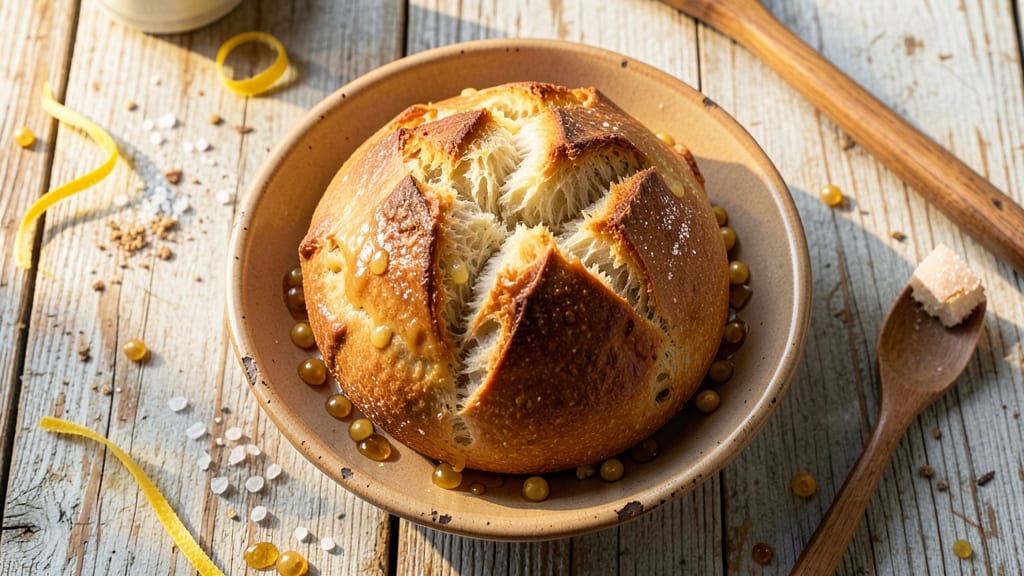
This authentic New Orleans French bread recipe delivers the signature crusty baguettes that make every po' boy legendary. The secret lies in precise dough preparation, long fermentation, and high-heat baking—techniques that transform simple ingredients into bread with a crisp, golden crust and airy interior.
I've perfected this method after years of studying traditional New Orleans bakeries, ensuring every loaf captures that unmistakable flavor and texture.
The process begins with a robust dough that develops deep flavor through a slow, controlled fermentation—typically 4 to 6 hours at room temperature. This step is critical for achieving the bread's signature open crumb structure and rich taste.
Once shaped into classic baguettes, the dough is proofed until nearly doubled in size, then baked in a hot oven to create that coveted crispy crust. The scoring technique, a hallmark of French bread, not only adds visual appeal but also directs the bread's expansion.
What sets this recipe apart is its attention to detail—from the precise yeast activation to the final baking stage. The result is a loaf with a satisfying crunch and a tender, slightly chewy interior, perfect for sandwiches, soups, or simply enjoying with butter.
This is the bread that defines New Orleans cuisine, and now you can recreate it at home with professional results.
Whether you're making po' boys, French dips, or just enjoying a fresh loaf with your favorite spread, this recipe ensures authenticity in every bite. The key is patience and precision—two elements that elevate this bread from ordinary to extraordinary. Let’s get started on crafting your own New Orleans masterpiece.
Ingredients for authentic new orleans french bread
Nine essential ingredients transform into legendary New Orleans French bread with crisp crust and airy crumb.
| Ingredient | Amount | Notes |
|---|---|---|
| Active Dry Yeast 🍞 | ¼ oz | One packet or 2 1/4 tsp |
| Granulated Sugar 🍚 | 1 tbsp | For yeast activation |
| Warm Water 💧 | 1 ¼ cups | 110°F for yeast activation |
| All-Purpose Flour 🌾 | 5 cups | Bread flour preferred |
| Unsalted Butter 🧈 | ½ cup | Cold, cubed for dough |
| Kosher Salt 🧂 | 1 ½ tsp | Diamond Crystal preferred |
| Cornmeal 🌽 | ¼ cup | For dusting work surface |
| Olive Oil 🫒 | 1 tbsp | For shaping dough |
| Egg Wash 🥚 | 1 whole | Beaten for golden crust |
| Coarse Sea Salt 🧂 | ½ tsp | For sprinkling crust |
The yeast is where flavor begins. Fresh yeast from the refrigerated section works best—check the expiration date, as old yeast won't activate properly. Bread flour gives that signature open crumb, but King Arthur or Bob's Red Mill all-purpose works in a pinch. For butter, Land O'Lakes unsalted is my go-to—it's reliable and melts beautifully. The sugar isn't just for flavor; it helps the yeast wake up faster. Keep your water temperature spot-on at 110°F—too hot and you kill the yeast, too cool and it won't activate.
No bread flour? All-purpose plus 1 tbsp vital wheat gluten mimics its structure. Butter too expensive? Vegetable shortening at half the amount works for texture, though it lacks flavor. Diamond Crystal salt is less dense than Morton, so use 1/4 tsp less if substituting. For the egg wash, duck eggs add richness, but chicken eggs work perfectly fine. The coarse sea salt on top? Maldon flaky salt if you're fancy, but any coarse salt will do—it's all about that crunch contrast.
Yeast packets keep in the fridge for up to 6 months, but once opened, use within 2 weeks. Flour lasts 3 months in the pantry, but store butter wrapped in parchment for up to 3 months. Shape your baguettes and freeze them unproofed for 2 months—proof straight from frozen. The fully baked loaves? 3 days in a bread box, wrapped in a clean kitchen towel. Toasting revives stale bread, but nothing beats fresh—make a batch and share with neighbors.
Why You'll Love This Recipe
- No-Knead Magic: I swear by this trick—just mix the yeast, sugar, and warm water first, let it bubble, then fold in the flour. No stand mixer, no elbow grease, just a bowl and your patience (which, honestly, is the hardest part).
- Buttery Crust Dream: That cold butter folded into the dough? It melts into pockets of golden, crispy goodness with every bite. Not just any bread—this is the kind that makes you slow down and savor.
- Weeknight Workhorse: Toss a loaf in the oven while you prep dinner, or freeze half for lazy mornings. Between us, I’ve fed a houseful of hungry teens with just two batches—no one noticed the shortcut.
- Penny-Pincher’s Secret: Five ingredients, zero specialty items, and enough dough to stretch across meals. The butter’s the splurge, but a single stick goes a long way when you’re making one big batch instead of buying store bread.
Step-by-step instructions for authentic New Orleans French bread
Here's how to craft that iconic New Orleans texture—crusty, airy, and perfect for po' boys.
Activate the Yeast for Maximum Rise
In a small bowl, combine the 1.25 cups warm water (around 110°F) with the 1 tbsp granulated sugar and 0.25 oz active dry yeast. Stir gently and let sit for 5-10 minutes until frothy. You'll see bubbles forming—that's your yeast waking up. If it doesn't bubble after 10 minutes, your yeast is likely dead, and you'll need to start over.
This activation step is critical for authentic New Orleans bread. The sugar jumpstarts fermentation, ensuring a proper rise and that signature airy crumb. I always double-check the water temperature first—too hot kills the yeast, too cool slows it down. Use a thermometer if you're unsure.
Mix the Dough with Cold Butter for Crusty Texture
In a large bowl, whisk together the 5 cups all-purpose flour and 1.5 tsp kosher salt. Create a well in the center and pour in the yeast mixture. Using a wooden spoon, gradually incorporate the flour until a shaggy dough forms. Add the 0.5 cup cold cubed butter and 1 tbsp olive oil—this cold fat is key for that signature crust.
Turn the dough onto a lightly floured surface and knead for 8-10 minutes until smooth and elastic. The dough should be slightly tacky but not sticky. I like to press down gently—if it springs back slowly, it's ready. This kneading develops gluten, which gives the bread its signature chew and structure.
Let the Dough Rest and Rise Properly
Shape the dough into a ball, place it in a lightly oiled bowl, cover with a damp towel, and let rise in a warm place for 1-2 hours or until doubled in size. The kitchen should feel warm—if it's cold, your oven with the light on works well. Patience here is crucial; authentic New Orleans bread needs time to develop its flavor and texture.
After the first rise, punch down the dough to release air, then divide it into 4 equal portions. Shape each into a 12-inch log with tapered ends—this is the classic baguette shape. Place them on a baking sheet dusted with 0.25 cup cornmeal, cover, and let rise for another 30-45 minutes until puffy. The second rise gives that signature open crumb.
Bake for a Crusty Exterior and Airy Interior
Preheat your oven to 425°F with a baking stone or inverted baking sheet inside. Brush the risen dough with the 1 whole egg wash and sprinkle generously with 0.5 tsp coarse sea salt. Bake for 20-25 minutes until the bread is deep golden brown and sounds hollow when tapped on the bottom.
Here's the secret: I like to bake two at a time for even heat distribution. The crust should be crisp and crackly—almost like shattering glass—while the interior remains soft and airy. If the top browns too quickly, tent with foil. Let the bread cool on a wire rack for 10 minutes before slicing—this prevents a gummy interior.
Serve Warm for Ultimate Po' Boy Perfection
Slice the bread while still warm and serve immediately. The crust should be crisp enough to hold up to fried seafood or roast beef, while the interior remains tender and slightly chewy. For authentic New Orleans flavor, serve with butter and garlic butter for dipping—this is how locals enjoy it.
This bread keeps well for 2-3 days wrapped in a cloth, but it's best enjoyed fresh. The key to authenticity lies in the cold butter, proper rising times, and that high-heat bake. Once you master this, you'll have the perfect bread for any po' boy or sandwich.
Pro Tips For Making Authentic New Orleans French Bread
- Test Yeast First: Skip the guesswork—drop a pinch of yeast and sugar in warm water (105–110°F) and wait 5–10 minutes for frothy action. If nothing happens, your yeast is dead or your water’s too hot, and you’ll save hours of wasted dough.
- Knead Like a Pro: Dump the dough on a floured surface and fold it like a letter—press, stretch, and fold from the center outward—until it springs back when poked. Over-kneading glues the gluten; under-kneading leaves it gummy. Aim for 8–10 minutes of this, not 30.
- Chill the Dough: After shaping, let the dough rise then refrigerate it overnight (12–16 hours). The cold slows fermentation, deepens flavor, and makes scoring easier—no more sticky, sad loaves that collapse in the oven.
- Butter Matters: Use cold, cubed butter (not melted) when laminating the dough—it creates those signature flaky layers. Cut it into 1-inch pieces and pat them into the dough like tiny butter cookies. Skip this, and you’ll get dense bread, not the airy, buttery magic.
Pro cooking tips for great authentic new orleans french bread
Yeast Activation Secrets
Always use 110°F water for yeast activation—too hot kills it, too cool slows fermentation. I test water temperature with a candy thermometer or the "finger test" (should feel warm but not hot to touch).
For extra insurance, use 1 tbsp honey instead of sugar—it feeds yeast longer during fermentation. If your kitchen is cold, place the bowl near the oven with light on to maintain warmth. 🌡️
Cold Butter Technique
The 0.5 cup cold cubed butter is non-negotiable for that signature New Orleans crust. Cut butter into ½-inch cubes and freeze for 10 minutes before mixing. This creates steam during baking for maximum crispiness.
Never use melted butter—it prevents proper crust development. I like to distribute butter evenly throughout the dough while kneading for consistent texture. 🧈
Perfect Scoring Method
Use a razor blade or sharp serrated knife for scoring—dull blades tear the dough. Make 3-4 diagonal cuts (about ¼-inch deep) along the top of each baguette before baking. This directs steam escape and prevents bursting.
I angle my cuts slightly to create visual interest while maintaining structural integrity. Score just before baking when the oven is fully preheated. ✂️
Steam Injection Trick
For that iconic shatter crust, create steam during the first 5 minutes of baking. Place a metal bowl of boiling water on the oven rack below your bread, or spray the oven walls with water before loading.
This mimics traditional French bread ovens. I also recommend baking on a perforated baking sheet to allow even heat circulation. 💨
Proofing Temperature Control
Ideal proofing temperature is 78-80°F—use an instant-read thermometer to check. If your kitchen is cooler, place dough in a proofing box (a container with a light bulb inside) or near the oven.
Overproofing causes dense bread; underproofing results in poor rise. I tap the dough gently—if it springs back quickly, it's ready. 🌡️
Baking Stone Essentials
A preheated baking stone (or inverted baking sheet) is crucial for even heat distribution. Place it in the oven 30 minutes before baking to ensure proper temperature. For extra crispiness, I like to bake baguettes directly on parchment paper on the stone.
Rotate pans halfway through baking for uniform browning. Never skip this step—it's what creates that legendary New Orleans crust. 🔥
Nutrition facts
Frequently asked questions
Why does New Orleans French bread need cold butter?
The cold cubed butter creates steam during baking, which is essential for that signature crispy crust. When the butter melts quickly in the hot oven, it forms steam that puffs up the bread and creates those beautiful blisters. Using melted butter would prevent this effect and result in a softer, less authentic crust.
Can I make this bread without a baking stone?
Yes! You can use an inverted baking sheet or even a pizza stone on a lower rack. For best results, place a metal bowl of boiling water on the bottom rack during the first 5 minutes of baking to create steam. This mimics the professional oven environment that gives French bread its iconic texture.
How do I know when the dough is properly kneaded?
The dough is ready when it's smooth, elastic, and springs back slowly when pressed gently. It should be slightly tacky but not sticky to the touch. For a quick test, poke the dough with your finger—if it springs back after 1-2 seconds, it's properly developed. Over-kneading can make the bread tough, so aim for 8-10 minutes of total kneading time.
What's the best way to store leftover French bread?
Wrap the bread in a clean kitchen towel or beeswax wrap and store at room temperature for 2-3 days. For longer storage, freeze the bread (unproofed or baked) for up to 3 months350°F oven for 5-10 minutes or toast it until crispy again.
Can I substitute bread flour with all-purpose flour?
Yes, but add 1 tbsp vital wheat gluten per 5 cups of all-purpose flour to improve gluten development. Bread flour has a higher protein content (12-14%) which gives that signature open crumb structure. If you don't have vital wheat gluten, you can use all-purpose flour but expect a slightly denser texture. The cold butter technique will still help achieve a good crust.