
Breakfast & Brunch
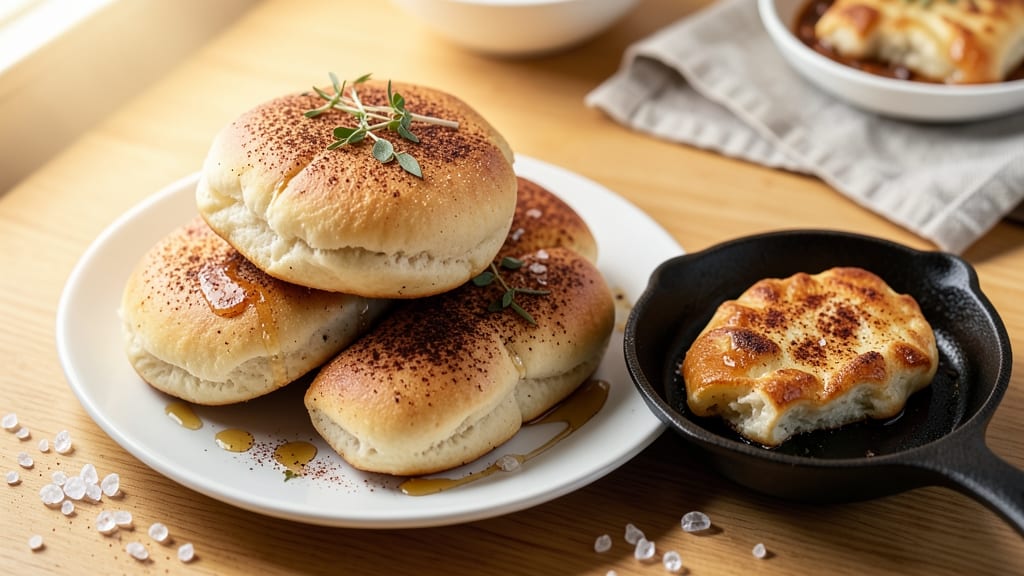
This Alaska Native fry bread recipe brings the warmth of Indigenous traditions to your kitchen with its signature smoky crust and pillowy softness inside. 🔥 Born from resilience and adapted from Native American fry bread, this dish carries stories of history while delivering comfort in every bite.
The dough comes together with just flour, water, baking powder, and salt—simple ingredients that transform into golden, crispy perfection when fried. What makes this recipe special is its versatility.
Traditionally served as a staple, it’s equally at home as a sweet breakfast treat with honey or powdered sugar or as a savory base for eggs, bacon, or even chili. The key lies in the frying technique: high heat for a crisp exterior while keeping the inside tender and fluffy.
The aroma alone will transport you to a communal gathering, where fry bread symbolizes both sustenance and celebration. Whether you're honoring its cultural roots or simply craving a delicious, foolproof dish, this recipe delivers restaurant-quality results with minimal effort.
Ready in just 15 minutes, it’s perfect for breakfast, brunch, or even a late-night snack. Let’s get cooking!
Ingredients for alaska native fry bread
Four core ingredients transform into Alaska Native fry bread with cultural depth and crispy perfection.
| Ingredient | Amount | Notes |
|---|---|---|
| All-Purpose Flour 🌾 | 2 cups | Unbleached preferred for texture |
| Baking Powder 🍞 | 1 tbsp | Aluminum-free for best rise |
| Diamond Crystal Kosher Salt 🧂 | ½ tsp | Fine grain preferred |
| Filtered Water 💧 | 1 cup | Room temperature preferred |
| Vegetable Oil 🫒 | 3 tbsp | High smoke point preferred |
| Smoked Paprika 🌶️ | ½ tsp | For signature smoky flavor |
| Ground Black Pepper 🌶️ | ¼ tsp | Freshly ground preferred |
| Honey 🍯 | ¼ cup | Optional for sweet variation |
| Powdered Sugar 🍚 | ¼ cup | Optional for sweet variation |
| Unsalted Butter 🧈 | 2 tbsp | Optional for savory variation |
| Fresh Cinnamon 🌿 | ½ tsp | Optional for sweet variation |
The flour is the foundation—King Arthur or Bob's Red Mill work beautifully for that tender crumb. Baking powder must be fresh; test by mixing with water—it should fizz immediately. Diamond Crystal kosher salt (not table salt) ensures proper seasoning without overpowering. For the water, filtered or spring water prevents off-flavors, though tap water works in a pinch. The smoked paprika is non-negotiable for that authentic smoky aroma—Penzeys or Simply Organic brands deliver consistent quality. Store flour in an airtight container away from heat to prevent rancidity, and baking powder in a cool, dark place for up to 6 months after opening.
No smoked paprika? A pinch of liquid smoke (¼ tsp) mimics the flavor, though it lacks the depth. Substitute honey with maple syrup at the same ratio, but expect a slightly denser texture. For a savory twist, swap butter for olive oil (2 tbsp) or avocado oil. The dough should be slightly sticky but workable—add 1 tsp more flour if needed. Traditional fry bread uses lard for frying, but vegetable oil achieves the same crispiness. If you're feeling adventurous, try ghee for a richer flavor, though it's not traditional. Always fry in small batches to maintain oil temperature at 350°F for that signature crust.
Fry bread reheats beautifully—wrap in foil and warm in a 350°F oven for 5-10 minutes to restore crispiness. Store leftovers in an airtight container for up to 3 days at room temperature or freeze for 1 month. For serving, keep a warm towel handy to drain excess oil. The dough can be made ahead and refrigerated for up to 24 hours, though it's best used fresh. When frying, work quickly—high heat is key—and use a slotted spoon to drain excess oil. The aroma alone makes this worth the effort, so embrace the process as part of the tradition.
Why You'll Love This Recipe
- Four-Ingredient Magic: The dough comes together with just flour, baking powder, salt, and water—no fancy mixers or measuring cups. Honestly, I’ve made it while chatting on the phone, and it still turns out golden and perfect every time.
- Crispy Yet Soft: That first bite? The outside shatters with a satisfying crackle, while the inside stays pillowy—like a hug from your grandma’s kitchen. The salt cuts through the richness just enough to keep it balanced.
- Crowd-Pleaser Any Day: Serve it warm with honey for breakfast, slathered in jam for a picnic, or stuffed with tuna salad for a quick lunch. Between us, my kids fight over the leftovers, and that’s saying something.
- Pantry Staple Power: You’re using things you already have, and the oil stretches far—no need to buy specialty ingredients. I’ll be real: this recipe saved me during a grocery budget crunch, and it still tastes like a treat.
Step-by-step instructions for Alaska Native fry bread
Master this traditional recipe with a crispy exterior and soft interior using precise techniques.
👨🍳 Step 1: Mix Dry Ingredients for Perfect Texture
In a medium bowl, whisk together the 2 cups all-purpose flour, 1 tablespoon baking powder, 0.5 teaspoon Diamond Crystal kosher salt, 0.5 teaspoon smoked paprika, and 0.25 teaspoon ground black pepper. I use a wire whisk for this step to ensure no lumps remain in the dry ingredients. The smoked paprika adds that signature depth of flavor that makes this fry bread so special.
If you're making the sweet variation, add the 0.25 cup powdered sugar and 0.5 teaspoon fresh cinnamon now. For the savory version with butter, set aside the 2 tablespoons unsalted butter for later. The key here is to thoroughly combine everything before adding liquids—this prevents dense pockets in your bread.
🍳 Step 2: Create the Batter with Room-Temperature Water
In a separate bowl, measure the 1 cup filtered water and 3 tablespoons vegetable oil. The water should be room temperature—cold water can make the batter too stiff. If you're using the optional 0.25 cup honey, add it to the water now and stir to dissolve completely.
Make a well in the center of your dry ingredients and pour in the wet mixture. Use a wooden spoon or silicone spatula to gently fold everything together until just combined. The batter should be thick but pourable—like heavy pancake batter. Overmixing develops gluten, which makes the bread tough instead of pillowy.
🔥 Step 3: Heat Oil to 350°F for Perfect Crispiness
Pour about 1 inch of vegetable oil into a deep, heavy-bottomed skillet. Heat over medium-high heat until the oil reaches 350°F on a deep-fry thermometer. This is critical—too low and your bread will absorb oil; too high and it'll burn before cooking through. I test the oil by dropping in a small piece of batter—it should sizzle and float immediately.
Real talk: Your oil temperature might fluctuate. If it drops below 340°F, add a few more minutes of heating. The smoke should be gentle, not billowing. Once ready, reduce heat to medium to maintain that perfect 350°F range throughout cooking.
🍽️ Step 4: Fry in Small Batches for Even Cooking
Using a spoon or small ladle, carefully drop 2-tablespoon portions of batter into the hot oil. The batter will immediately begin to bubble and rise. Fry for 2-3 minutes per side until golden brown all over. You'll know it's done when it releases easily from the spoon and the underside is crispy with no raw batter spots.
Don't overcrowd the pan—fry in batches if needed. Each piece should have space to cook evenly. For the sweet version, add a small pat of 2 tablespoons unsalted butter to the top of each piece while still hot. The butter will melt into the bread, creating that signature rich flavor.
⏰ Step 5: Drain and Serve Immediately
Transfer the fried bread to a paper towel-lined plate to drain excess oil. The bread will be at its peak texture when served fresh—hot and crispy on the outside, soft and pillowy inside. For serving, I like to cut each piece into wedges and arrange them on a platter. They're perfect for dipping in honey, jam, or even savory toppings like scrambled eggs.
If you're making ahead, let them cool completely, then reheat in a 350°F oven for 5-10 minutes to restore crispiness. The secret to great fry bread isn't just the frying—it's the immediate serving that keeps that perfect texture. Enjoy while warm for the full experience!
Pro Tips For Making Alaska Native Fry Bread
- Use a fork to cut dough: I learned this the hard way—trying to tear fry bread dough with my hands leads to uneven pieces that puff up at odd angles. A fork gives clean, consistent cuts, and those straight edges help the bread puff evenly in the oil. (Yes, even if you're impatient like me.)
- Let the dough rest 10 minutes: This isn’t the prettiest method, but it’s the tastiest. Skipping the rest makes the dough tough and dense—it needs time to relax. Just cover it loosely with a towel while you heat the oil, and you’ll get that perfect, pillowy texture.
- Heat oil to 375°F—no higher: After burning three batches, I finally figured out that fry bread demands patience. Too hot, and it browns outside before cooking through; too cool, and it soaks up oil like a sponge. Stick to 375°F, and you’ll get that golden, crispy finish without the grease.
- Sift the flour first: Sounds weird, but it works: clumps in the flour mean uneven baking powder distribution, leading to flat spots or overproofed pockets. Sift it into the bowl before mixing—your bread will rise more evenly, and you’ll avoid that sad, lopsided look. (Your future self will thank you.)
Serving suggestions for this dish
Sweet Breakfast Platter
Serve warm fry bread as a sweet breakfast centerpiece with local honey and powdered sugar for dipping. Arrange pieces on a wooden board with fresh berries and whipped cream for a rustic presentation.
I like to sprinkle toasted pecans on top for extra crunch and texture. This setup feels like a communal feast, perfect for brunch gatherings. 🍯
Savory Brunch Spread
For a hearty brunch, top fry bread with scrambled eggs, crumbled bacon, and shredded cheddar cheese. Add a side of sautéed mushrooms and avocado slices for a well-rounded meal.
The crispy bread soaks up flavors beautifully, making it a satisfying base. I often serve this with a side of chili for a filling, traditional-style dish.
Dessert Variations
Drizzle warm fry bread with warm maple syrup or Nutella for a decadent dessert. Add chopped walnuts and a sprinkle of cinnamon for extra flavor. For a festive touch, serve with vanilla ice cream or caramel sauce on the side. These sweet variations are especially popular during holidays and celebrations.
Cultural Presentation Tips
When serving fry bread in a cultural context, consider presenting it on a traditional woven basket or handmade ceramic platter. Include dried herbs like sage or rosemary as garnishes to honor Indigenous traditions.
I’ve found that adding a small bowl of honey at the center of the table invites guests to share and connect, just as it would in a Native gathering. ✨
Make-Ahead Serving
Prepare fry bread ahead of time and reheat in a 350°F oven for 5-10 minutes to keep it crispy. Store in an airtight container with a paper towel to absorb excess moisture. Serve with pre-portioned toppings like jam, butter, or savory fillings in small bowls for easy assembly.
This makes it perfect for potlucks or large gatherings where you want everything ready to go. 💫
Kid-Friendly Fun
Turn fry bread into a fun activity by letting kids assemble their own mini versions. Set out small bowls of toppings like sprinkles, mini marshmallows, or crushed cookies.
Use a cookie cutter to shape the bread into fun forms like stars or circles. This interactive approach makes serving fry bread a memorable experience for families. 🎉
Nutrition facts
Frequently asked questions
Why does traditional Alaska Native fry bread use baking powder instead of yeast?
Baking powder creates an instant rise without waiting for yeast activation, making this recipe perfect for quick preparation. The chemical reaction produces carbon dioxide bubbles that give fry bread its signature pillowy texture in just 15 minutes—ideal for communal gatherings where time matters. This method also preserves the dough's simplicity, using just flour, water, and a leavening agent.
Can I make this recipe without smoked paprika?
Yes! If you don't have smoked paprika, try ½ teaspoon liquid smoke or ¼ teaspoon ground chipotle powder for a smoky depth. For a milder flavor, omit it entirely—the dough will still taste delicious, though less authentic. The key is balancing the smokiness with other seasonings like cinnamon or black pepper to maintain harmony.
How do I fix fry bread that's too dense or heavy?
Overmixing the batter is usually the culprit—stop folding once just combined to avoid developing gluten. For next time, ensure your baking powder is fresh (it should fizz when mixed with water) and use room-temperature water. If your oil isn't hot enough (350°F), the bread will absorb too much oil and turn greasy instead of crispy.
What's the best way to store leftover fry bread?
Keep it crispy by storing in an airtight container with a paper towel to absorb moisture. Reheat in a 350°F oven for 5-10 minutes—this restores the perfect crunch. For longer storage, freeze pieces wrapped in foil for up to 1 month. Thaw at room temperature before reheating for best results.
Can I use this recipe for a savory version?
Skip the honey and powdered sugar, then serve with toppings like scrambled eggs, bacon, or chili. For extra flavor, brush warm pieces with melted butter and sprinkle with shredded cheese or crumbled sausage>. The crispy texture makes it perfect for soaking up savory sauces while keeping the inside soft.