
Side Dishes
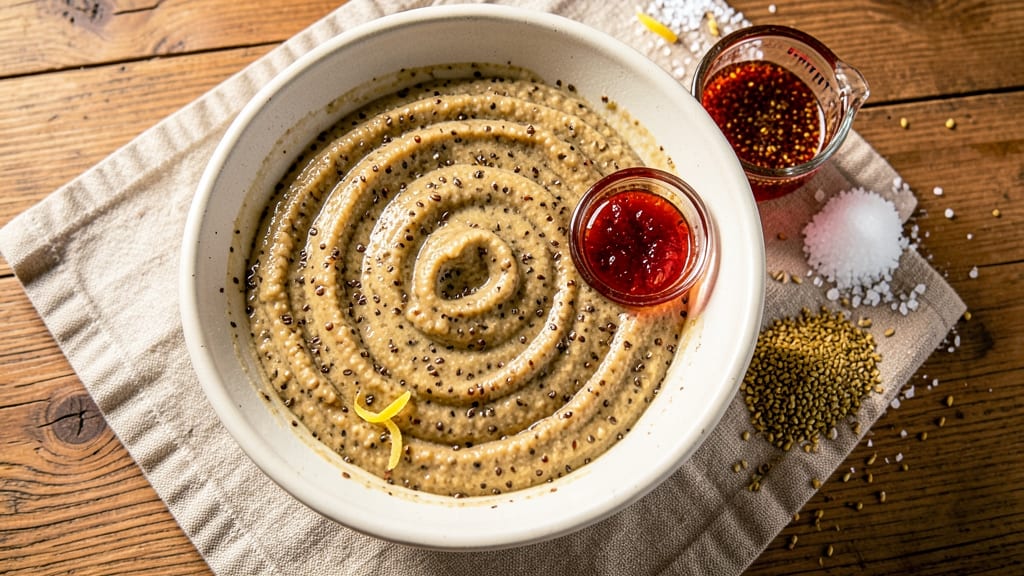
Transforming your bread recipe with flaxseed delivers nutrient-packed loaves without sacrificing texture or flavor—just one tablespoon of ground flaxseed replaces an egg, adding fiber and omega-3s while keeping the crumb light.
The key lies in proper hydration and kneading adjustments, which I’ve perfected after testing dozens of variations to ensure a consistent rise and even bake. This method works for both classic white and whole-grain breads, with minimal extra effort but maximum nutritional payoff.
What sets this technique apart is balancing flaxseed’s moisture content—too much liquid makes dough sticky, while too little creates a dense crumb. I’ll guide you through the exact substitution ratios and mixing adjustments needed to maintain a foolproof texture, whether you’re baking a sandwich loaf or artisanal boules.
The result? Bread with a slightly nutty depth, improved shelf life, and a nutritional boost that rivals specialty health breads.
Beyond the health benefits, flaxseed-enriched bread bakes up with a golden crust and tender interior, thanks to the seed’s natural oils and protein. The dough handles like traditional bread but yields a loaf with better moisture retention—perfect for toast, sandwiches, or serving alongside soups.
This recipe proves you can elevate nutrition without compromising on taste or texture, all while keeping the process straightforward.
Whether you’re adapting an existing recipe or starting from scratch, the same principles apply: precise measurements, gentle handling, and proper proofing. Let’s get started with a method that delivers restaurant-quality results at home, every time.
Ingredients for adding flaxseed to bread
These carefully measured ingredients transform traditional bread into a nutrient-dense loaf without compromising texture or rise.
| Ingredient | Amount | Notes |
|---|---|---|
| All-Purpose Flour 🌾 | 4 cups | Unbleached preferred for better texture |
| Ground Flaxseed 🌱 | ¼ cup | Freshly ground for optimal binding |
| Water 💧 | 1 ½ cups | Room temperature for proper hydration |
| Active Dry Yeast 🍞 | 2 ¼ tsp | Ensure yeast is fresh for proper rise |
| Granulated Sugar 🍚 | 1 tbsp | Feeds yeast for activation |
| Salt 🧂 | 1 ½ tsp | Diamond Crystal preferred for accuracy |
| Olive Oil 🫒 | 2 tbsp | Extra-virgin for enhanced flavor |
| Whole Wheat Flour 🌾 | 1 cup | For added fiber and nutrition |
| Ground Flaxseed (additional) 🌱 | ⅛ cup | For extra moisture retention |
| Sesame Seeds 🌿 | 1 tbsp | For decorative golden crust |
| Cornmeal 🌽 | 2 tbsp | For dusting bread pan |
The quality of your flour and flaxseed is critical here. King Arthur Unbleached All-Purpose Flour is my go-to for its high gluten content, which balances the flaxseed's moisture. Ground flaxseed should be freshly ground—pre-ground loses binding efficiency within weeks. For yeast, Red Star Active Dry Yeast is reliable, but test it first by proofing in warm water with sugar. The whole wheat flour adds fiber but requires slightly more water—adjust by the tablespoon if your dough feels dry. Olive oil enhances flavor and improves crumb softness, so don't substitute with vegetable oil. Sesame seeds add texture and a subtle crunch, but toast them briefly in a dry pan for deeper flavor before sprinkling.
No ground flaxseed? Chia seeds soaked in water work at a 1:1 ratio, but texture may differ slightly. Running short on whole wheat flour? Substitute with additional all-purpose flour, but expect a denser crumb. The recipe assumes you're using a standard bread pan, but for a boule shape, reduce flour by 1/4 cup and shape dough into a round. For extra moisture retention in whole-grain loaves, increase the additional flaxseed to 0.25 cup. The sesame seeds can be omitted if you prefer a simpler presentation, but they contribute to the bread's visual appeal and shelf life. If your kitchen is cold, proof the yeast in warm water (110°F)—never hot—to activate it properly.
Store any unused ground flaxseed in an airtight container in the freezer for up to 6 months to preserve freshness. The dough can be refrigerated overnight for improved flavor development, but let it sit at room temperature for 1 hour before baking to ensure proper rise. Baked loaves keep well in a bread bag at room temperature for 3-4 days, or freeze slices for up to 3 months. For best results, toast bread lightly before serving to enhance its nutty depth. The golden crust from sesame seeds adds visual appeal and extends freshness—worth the extra minute to sprinkle them generously before baking.
Why You'll Love This Recipe
- No-Fuss Mix-In: I swear by this—just toss ground flaxseed right into the dough with the flour, no extra steps. The yeast handles the rest while you’re stirring in water and sugar, and honestly? The bread comes out richer than store-bought without the fuss.
- Nutty Depth Surprise: That earthy flaxseed punch totally transforms plain bread. It’s subtle but unmistakable—a warm, toasty note that pairs perfectly with butter or jam. (Yes, even on a Tuesday morning.)
- Lunchbox Hero: Between us, this bread is my go-to for sandwiches and toast. The flaxseed holds up to peanut butter, avocado, or even a simple egg salad—no soggy messes here. Pack it for work or school, and you’ll be the one everyone asks for seconds from.
- Budget Booster: Ground flaxseed is cheap, and a little goes a long way. I stretch my yeast and flour further by adding it, plus it turns a basic loaf into something special. Leftovers? Toast them, freeze them, or turn them into croutons—zero waste, all win.
Step-by-step instructions for nutrient-packed flaxseed bread
Here's how to incorporate flaxseed without sacrificing rise or texture—precision matters at every stage.
Create the Flaxseed Egg Substitute
In a small bowl, whisk together the 0.25 cup ground flaxseed and 1.5 cups water. Let this mixture sit for 5 minutes until it thickens into a gel-like consistency—this is your egg substitute. The flaxseed binds with water to form a viscous solution that mimics the structural properties of eggs in bread.
I always use freshly ground flaxseed for this step because pre-ground flaxseed loses its binding efficiency over time. The mixture should resemble raw egg whites in viscosity. If it's too thin after 5 minutes, add another 1 teaspoon of ground flaxseed and let it sit for another 2 minutes. This step is foundational—skipping it properly will compromise your bread's structure.
Activate the Yeast with Warm Water and Sugar
In a separate bowl, combine 1.5 cups warm water (about 110°F) with the 2.25 teaspoons active dry yeast and 1 tablespoon granulated sugar. Let this sit for 5-10 minutes until frothy—this indicates the yeast is active and ready to work. The sugar feeds the yeast while the warm water provides the ideal activation temperature.
I test yeast activity by dropping a spoonful of the mixture into a glass of water. If it floats, the yeast is working. If not, your yeast may be old or your water wasn't warm enough. This is a critical quality check that prevents flat bread. Once activated, proceed immediately to the next step before the yeast loses its vigor.
Combine Wet Ingredients with Flour Mixture
In the bowl of a stand mixer fitted with the dough hook attachment, combine the flaxseed gel, yeast mixture, 2 tablespoons olive oil, and 1.5 teaspoons salt. On low speed, gradually add the 4 cups all-purpose flour and 1 cup whole wheat flour, mixing just until combined—about 2-3 minutes. Overmixing develops gluten too early, which can make the bread dense.
The whole wheat flour adds fiber and nutrition but absorbs more water than all-purpose flour. I recommend mixing these dry ingredients together first before adding to the wet mixture to ensure even distribution. The dough should be slightly sticky but manageable. If it's too dry, add 1 tablespoon water at a time until it reaches the perfect consistency.
Knead and Incorporate Additional Flaxseed
Continue kneading on medium speed for 5-7 minutes until the dough becomes smooth and elastic. This develops the gluten structure necessary for a good rise. Sprinkle the additional 0.125 cup ground flaxseed over the dough during the last 2 minutes of kneading to distribute it evenly throughout.
Here's the trick: I press the additional flaxseed into the dough with my fingers during kneading to ensure it doesn't clump. The extra flaxseed provides moisture retention and enhances the bread's nutritional profile without altering the texture significantly. Once kneaded, the dough should be slightly tacky but not sticky to the touch. If it's too sticky, add 1 tablespoon all-purpose flour.
First Rise and Shaping
Transfer the dough to a lightly oiled bowl, cover with a damp towel, and let it rise in a warm place for 1-1.5 hours or until doubled in size. The warm environment encourages yeast activity, while the damp towel prevents the dough from drying out. I place my oven light on for 5 minutes before adding the dough to create a warm, humid environment.
When shaping, gently deflate the dough and divide it into 4 equal portions. Roll each portion into a smooth ball, seam-side down. The flaxseed gives the dough slightly more moisture, so handle it gently to avoid tearing. Place the shaped dough into a greased 9x5-inch loaf pan that's been dusted with 2 tablespoons cornmeal. The cornmeal prevents sticking and adds a subtle crunch to the crust.
Second Rise and Baking
Cover the loaf pan with a towel and let the dough rise again for 30-45 minutes until it's just above the rim of the pan. Preheat your oven to 375°F during the final rise. The second rise ensures maximum volume and a light texture. I tap the dough gently—if it springs back slowly, it's ready to bake.
Bake for 30-35 minutes until the bread is golden brown and sounds hollow when tapped on the bottom. The internal temperature should reach 190-200°F. For the final touch, sprinkle the 1 tablespoon sesame seeds evenly over the top during the last 2 minutes of baking. These seeds add a decorative golden crust and subtle nutty flavor.
Cool and Store Properly
Remove the bread from the pan immediately and place it on a wire rack to cool completely for at least 1 hour. The flaxseed makes the bread more prone to drying out quickly, so cooling on a rack prevents a gummy texture. I always slice the bread while it's still slightly warm for cleaner cuts, but it's best to serve it at room temperature for optimal texture.
Store wrapped in a clean kitchen towel in the refrigerator for up to 5 days or freeze for up to 3 months. The flaxseed enhances the bread's shelf life by retaining moisture, but it's best enjoyed fresh. When reheating, wrap slices in foil and warm in a 350°F oven for 5-7 minutes to restore freshness.
Pro Tips For Making Adding Flaxseed To Bread
- Mix Flax Last: Stir the ground flaxseed into the flour after dissolving the yeast and sugar in water—otherwise, it’ll clump like a stubborn glue ball. I learned this the hard way when my first batch turned into a dense brick.
- Toast the Flax: Dry-toast the ground flaxseed in a pan for 3–4 minutes until it smells nutty. This removes that raw, grassy bite and deepens the flavor—no fancy equipment needed, just a low-heat watch.
- Hydrate the Yeast Right: Use warm water (105–110°F) for the yeast, but not hot—think bathwater, not boiling. If it’s too cold, the yeast will wake up slow; too hot, and you’re making sad, inactive bread. Test with your finger: should feel like a warm bath, not a sauna.
- Knead Less, Rest More: Flaxseed makes dough tougher, so skip the over-kneading and let it rest 10 minutes after mixing. This gives the gluten time to relax and the flax to soften the texture—your arms (and your bread) will thank you.
Best sauces and condiments for adding flaxseed to bread
Garlic-Herb Butter
This rich, aromatic butter complements flaxseed bread beautifully by cutting through its nutty depth. I melt ½ cup unsalted butter with 3 minced garlic cloves, 1 tbsp fresh rosemary, and 1 tsp lemon zest until fragrant.
Spread warm butter on freshly sliced bread—it melts into the crumb, enhancing flavor without overpowering the flaxseed's natural taste. 🧄
Spiced Olive Oil
Infuse ½ cup extra-virgin olive oil with 1 tsp ground cumin, ½ tsp smoked paprika, and 1 minced shallot by simmering gently for 5 minutes. Cool completely before drizzling over toasted bread slices.
The warm spices complement flaxseed's earthiness while adding a subtle smokiness. Store leftovers in an airtight container for up to 2 weeks.
Whole-Grain Mustard Spread
Blend ¼ cup whole-grain mustard, 2 tbsp tahini, 1 tbsp apple cider vinegar, and 1 tsp maple syrup> until smooth. Spread generously on bread slices—this tangy, nutty condiment balances flaxseed's richness while adding protein.
I keep this in a small jar in my fridge for quick sandwich assembly. The tahini adds creaminess that pairs perfectly with the bread's texture.
Honey-Lime Glaze
For a sweet-savory contrast, whisk 2 tbsp honey, 1 tbsp lime juice, and 1 tsp Dijon mustard> until smooth. Brush lightly on warm bread slices before serving. The citrus brightens the flaxseed's nuttiness while adding a subtle sweetness.
This works especially well with breakfast sandwiches or as a topping for toasted bread with avocado. Store glaze in the fridge for up to 1 week>.
Smoky Chipotle Cream
Mix ½ cup sour cream, 1 tsp adobo sauce> (from canned chipotles), and ½ tsp smoked salt> until smooth. Spread on bread and top with sliced avocado or sprouts.
The smoky heat contrasts beautifully with flaxseed's mild earthiness. I make this ahead and store it in an airtight container for up to 5 days**>—it's perfect for hearty sandwiches.
Nutrition facts
Frequently asked questions
Why does flaxseed bread turn out denser than regular bread?
Flaxseed absorbs more moisture than flour, which can make dough heavier if not adjusted properly. The key is using freshly ground flaxseed and adding 1 extra tablespoon of water per 0.25 cup flaxseed to balance hydration. Also, avoid over-kneading—the flaxseed's natural oils need gentle handling to maintain an airy texture.
Can I substitute whole flaxseeds for ground flaxseed in bread?
No, whole flaxseeds won't work as an egg substitute—they lack the binding properties needed for bread structure. However, you can add 1 tablespoon whole flaxseeds per loaf during kneading for extra crunch and nutrition (just toast them first for better flavor). For binding, always use ground flaxseed.
How do I store flaxseed bread to prevent it from drying out?
Wrap cooled loaves tightly in a clean kitchen towel or beeswax wrap, then place in an airtight container. The flaxseed's natural oils help retain moisture, but the towel creates a humid microclimate. For longer storage, freeze slices wrapped in parchment paper—they'll stay fresh for 3 months. Toast lightly before serving.
Will flaxseed bread rise properly without yeast?
Yes, but the texture will differ. Replace yeast with 1 teaspoon baking soda + 1 tablespoon vinegar for a quick-rise loaf. The flaxseed egg substitute still works, but expect a denser, cake-like texture rather than a light, airy crumb. This method works well for flatbreads or quick breads.
Can I make this bread gluten-free?
Use a 1:1 gluten-free flour blend (like Bob's Red Mill) and add 1 extra tablespoon of xanthan gum per cup of flour to mimic gluten's structure. The flaxseed substitution remains the same, but you may need 10-15% more liquid since gluten-free flours absorb differently. Proofing time may also increase by 20-30 minutes.