
Side Dishes
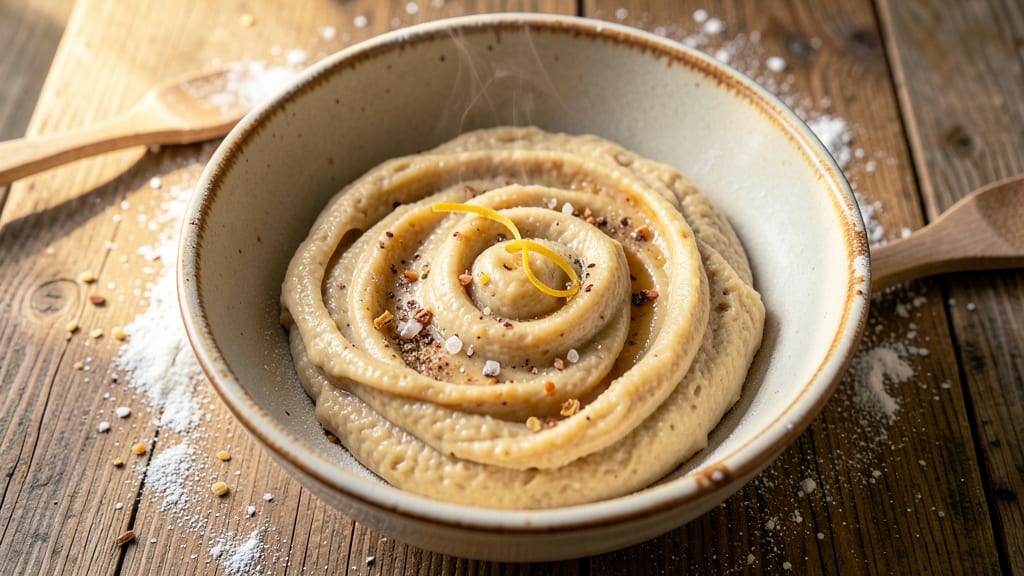
Transforming add sourdough discard to a bread recipe into fluffy, no-waste loaves is the baking game-changer you didn’t know you needed. This recipe turns what many toss out into the gold standard of artisanal bread—richer flavor, better structure, and all in one rise.
The discard’s natural acids create that signature tang, while its enzymes develop gluten for a tender crumb. No more buying starter or dealing with waste; every drop gets used.
The secret lies in balancing hydration and fermentation time—too much discard can slow rise, but the right ratio (about 20-30%) keeps the dough lively. We’ll use whole wheat flour for depth, but you can swap in seeds or honey for variations.
The dough proofing at room temperature ensures maximum flavor development without overworking the gluten. This isn’t just bread; it’s a textural and flavorful upgrade to your daily routine.
By the time you pull that golden-brown loaf from the oven, you’ll taste the difference: a crust with snap, a crumb that’s airy yet substantial, and that unmistakable sourdough tang.
The best part? No specialized equipment—just a mixing bowl, a warm spot, and patience. Whether you’re a seasoned baker or a beginner, this recipe delivers restaurant-quality results with minimal effort.
Ready to bake? We’ll cover hydration adjustments, troubleshooting underproofed dough, and creative twists like adding herbs or nuts. Let’s turn discard into dough—and waste into wonder.
Ingredients for add sourdough discard to bread
Four simple ingredients transform discard into restaurant-quality loaves with minimal effort.
| Ingredient | Amount | Notes |
|---|---|---|
| Active Sourdough Discard 🍞 | ½ cup | Unfed discard, 100% hydration |
| All-Purpose Flour 🌾 | 2 ½ cups | Bread flour preferred for structure |
| Whole Wheat Flour 🌾 | ½ cup | For depth and nutrition |
| Warm Water 💧 | 1 ½ cups | 105°F for optimal hydration |
| Granulated Sugar 🍚 | ½ tsp | Feeds discard, enhances browning |
| Salt 🧂 | 1 ½ tsp | Diamond Crystal preferred |
| Olive Oil 🫒 | ½ tbsp | Extra-virgin for richness |
| Instant Yeast 🍞 | ¼ tsp | Optional for extra lift |
| Honey 🍯 | 1 tbsp | For subtle sweetness |
| Sunflower Seeds 🌻 | ¼ cup | Optional for texture |
| Cornmeal 🌽 | ¼ cup | For dusting and crust |
The sourdough discard is the star—look for unfed discard with active bubbles, not that thick, sour stuff you’ve had too long. King Arthur or Bob’s Red Mill flours work best for structure, but any high-protein flour will do. If your discard is too thick, add a splash of water; too thin? Toss in a spoonful of flour. The whole wheat flour adds depth, but you can swap it for rye or spelt if you’re feeling adventurous. Warm water is key—105°F is ideal, but room temp works in a pinch. Too hot and it kills the yeast; too cold and the dough won’t rise properly.
No discard? Feed your starter with equal parts flour and water, let it bubble for 4-6 hours, then use that. Running low on yeast? Skip it entirely—the discard’s natural fermentation will still work, just slower. Honey can be swapped for maple syrup or agave, but don’t omit it entirely unless you’re okay with a denser crumb. The sunflower seeds are optional but add crunch; sub with chia seeds or walnuts if you’ve got them. For a nutty flavor, toast the seeds first—worth the extra minute. If you’re baking in a dry climate, brush the loaf with olive oil after baking for extra shine.
This dough is forgiving—proof it at room temp for 1-2 hours or overnight in the fridge for deeper flavor. Shape it gently to avoid overworking the gluten. Bake at 375°F for 35-40 minutes until the crust is deep golden. Cool completely before slicing—rushing this step ruins the crumb. Leftovers? Store in a bread box or paper bag for up to 5 days, or freeze slices for 3 months. The flavor actually improves overnight, so bake extra if you can. Trust me, your kitchen will smell like heaven.
Why You'll Love This Recipe
- No Waste, All Flavor: I’ll be real—this is how I actually use up discard without guilt. That tangy, funky discard? It’s the secret weapon here, giving your bread a depth you won’t find in store-bought loaves. Mix it with whole wheat and all-purpose flour, and suddenly you’ve got a loaf that’s actually interesting.
- Weeknight Wonder: Between us, this is the bread I make when I’m too tired for anything fancy. Toast it for breakfast, slice it for sandwiches, or just eat it straight from the pan. It’s the kind of loaf that works for every meal, no matter how exhausted I am.
- Budget Loaf, Big Payoff: I save money and reduce food waste with this one. A cup of discard + a few dollars’ worth of flour stretches further than any pre-made dough. Plus, it keeps well—freeze half for when you’re too busy to bake. Smart, simple, and satisfying.
Step-by-step instructions for fluffy sourdough bread with one rise
Transform your discard into a tender, flavorful loaf with minimal effort and maximum flavor.
Mix the Hydrated Discard and Autolyse
In a large mixing bowl, combine the 0.5 cup active sourdough discard with the 1.5 cups warm water (about 105°F). Let this sit for 5 minutes while you prepare the rest of your ingredients. You'll see bubbles forming—this confirms your discard is alive and active.
Next, add the 2.5 cups all-purpose flour and 0.5 cup whole wheat flour to the discard mixture. Using a wooden spoon or your hands, mix until a shaggy dough forms. This initial mix, called an autolyse, allows the flour to fully hydrate and develop gluten strands. Let it rest for 20 minutes covered with a damp towel—this step dramatically improves your bread's texture.
Develop the Dough with Wet Ingredients
After the autolyse, add the 0.5 tbsp olive oil, 1 tbsp honey, 0.5 tsp granulated sugar, 1.5 tsp salt, and 0.25 tsp instant yeast to the dough. Using a dough scraper, fold these ingredients into the dough until fully incorporated. The honey and sugar will help feed the discard while adding subtle sweetness, and the olive oil contributes richness.
Now perform a series of stretch-and-folds every 30 minutes for 2 hours. Wet your hands slightly and grab one side of the dough, stretch it upward, then fold it over itself. Rotate the bowl and repeat this motion all around the dough. You'll notice the dough becomes smoother and more elastic with each fold—this builds the gluten structure needed for a light, airy crumb.
Bulk Fermentation with Controlled Rise
After the final stretch-and-fold, let the dough rest for 1 hour at room temperature. You'll see it rise noticeably, with bubbles forming on the surface. The dough should feel slightly puffy but still have some resistance when pressed gently with one finger. If it rises too quickly, place it in the refrigerator for 15 minutes to slow fermentation—this prevents overproofing.
During this time, prepare your baking surface by dusting a baking sheet with 0.25 cup cornmeal. The cornmeal creates a crispy, golden crust while preventing sticking. Gently shape the dough into a round loaf by folding the edges toward the center and tucking them underneath. Place the dough seam-side down on the prepared baking sheet.
Proof and Bake for Maximum Rise
Let the shaped dough proof for 1 to 1.5 hours until it has visibly doubled in size and feels light when pressed. The edges should pull away slightly from the baking sheet, and you'll see a few large bubbles on the surface. If the dough doesn't rise enough, it may be too cold—move it to a warmer spot near the oven.
Preheat your oven to 375°F with a baking stone or inverted baking sheet inside. Once preheated, bake the loaf for 30 to 35 minutes until the internal temperature reaches 190°F and the crust turns a deep golden brown. For extra crispiness, sprinkle the 0.25 cup sunflower seeds on top during the last 5 minutes of baking.
Cool and Enjoy Your No-Waste Loaf
Remove the bread from the oven and let it cool on a wire rack for at least 1 hour before slicing. This resting period allows the steam inside the loaf to escape, preventing a gummy texture. The internal structure will firm up, and the crust will crisp further as it cools.
Slice into 4 even servings and serve warm with your favorite butter or jam. The bread should have a tender, open crumb with a crisp exterior and subtle sweetness from the honey. Each bite should be light and airy, with just enough chew from the whole wheat flour to add depth of flavor.
Pro Tips For Making Add Sourdough Discard To Bread
- Weigh Your Discard: Skip eyeballing that sourdough discard—it’s heavier than you think. Use a kitchen scale for 100g (or your recipe’s weight), not volume, to avoid dense, gummy bread. I learned this the hard way when my loaf turned into a brick because I scooped too much.
- Mix Whole Wheat Last: Add the whole wheat flour after the all-purpose and discard have hydrated for 10 minutes. This prevents the dough from turning tough too soon—your hands will thank you later when it’s still stretchy, not gluey.
- Hydrate the Discard Fully: If your discard is thick (like yogurt), mix it with all the warm water first, then add the flours. Dry discard absorbs liquid differently, and skipping this step means your dough will fight you during kneading—or worse, never rise properly.
- Skip the Sugar Rush: That granulated sugar isn’t just for sweetness—it feeds the yeast. But if your discard is already bubbly (like it’s been active for 24+ hours), halve the sugar. Too much can make the crust burn before the crumb bakes through.
Regional styles of add sourdough discard to bread
Italian Rustic Style
In Italy, bakers often use discard in panettone-style loaves or ciabatta variations, where the tangy flavor pairs beautifully with olive oil and rosemary. Replace the honey with 1 tbsp maple syrup and add 1 tsp dried rosemary to the dough.
Shape it into a round boules or a batard loaf, then bake at 350°F for 35 minutes. Brush the warm loaf with extra-virgin olive oil and sprinkle with flaky sea salt for an authentic touch. 🌿
German Sauerteig Bread
German bakers favor a denser, heartier loaf called Sauerteigbrot, where discard is the backbone of the dough. Swap the whole wheat flour for 100% rye flour and reduce the all-purpose flour to 2 cups. Add 1 tbsp caraway seeds and 1 tsp coriander for a classic flavor.
Shape into a round loaf, score deeply, and bake at 375°F for 40 minutes until the crust is dark and crisp. This bread pairs perfectly with butter and smoked salmon. 🥖
French Fougasse Twist
For a French-inspired twist, shape the dough into a fougasse—a rustic, dimpled loaf often topped with herbs and olive oil. After shaping, dimple the dough with your fingers, then brush with olive oil and sprinkle with coarse salt and thyme.
Bake at 400°F for 25 minutes for a crisp, golden crust. Serve warm with herb butter or as a side to charcuterie. 🍃
American Artisan Loaf
In the U.S., many artisanal bakers use discard in high-hydration sourdough loaves with added seeds or nuts. Increase the water to 1.75 cups and add 0.5 cup toasted pumpkin seeds or walnuts for texture.
Shape into a round or oval loaf, then bake at 375°F for 35 minutes. This loaf has a chewy interior and crisp crust, perfect for sandwiches or toast. 🌟
Scandinavian Cardamom Bread
Nordic bakers often infuse discard with cardamom for a fragrant, slightly sweet loaf. Add 1 tsp ground cardamom to the dough and replace honey with 2 tbsp brown sugar. Shape into a round loaf, then bake at 350°F for 30 minutes.
The cardamom adds a warm, aromatic note that pairs well with lingonberry jam or cheese plates. ❄️
Nutrition facts
Frequently asked questions
How much sourdough discard can I safely add to bread?
Start with 20-30% of your total flour weight as discard—this is ideal for flavor and structure. For example, in a 3.5 cup flour recipe, use 0.5-1 cup discard. Too much (50%) can make the dough sluggish, while too little (10%) may not deliver that signature tang. Adjust based on your discard's strength—younger discard works better than old, tangy starter.
Why does my discard dough rise slower than regular bread?
Sourdough discard contains wild yeast and bacteria that ferment more slowly than commercial yeast. Expect a 2-4 hour bulk fermentation at room temperature (vs. 1 hour for yeasted dough). If your kitchen is cold (65°F), extend fermentation to 4-6 hours or use a proofing box. The wait is worth it—the longer fermentation develops deeper flavor and better texture.
Can I substitute discard with active sourdough starter?
Not directly—discard is unfed starter with 100% hydration (equal parts flour and water), while active starter is typically 50-75% hydration. To use starter, reduce water by 50% and increase flour to match your discard's hydration. For example, replace 1 cup discard with 0.5 cup starter + 0.5 cup flour + 0.5 cup water. This mimics discard's hydration level.
What if my discard smells too sour or has mold?
Discard should smell tangy but not rotten. If it smells like vinegar or has mold, toss it—it's unsafe. For mild sourness, reduce the discard to 10-15% of flour weight or add 0.25 tsp baking soda to neutralize acidity. Store discard in the fridge (3-5 days) or freezer (1 month) to slow fermentation and preserve freshness.
How do I fix a dense or gummy bread texture?
Dense bread usually means overproofing or underdeveloped gluten. Next time, check dough readiness by doing the "poke test": press gently with a finger—it should spring back slowly (not quickly or not at all). For gummy texture, ensure you cool the loaf completely before slicing (steam inside keeps it soft). Also, reduce discard to 20% and increase yeast to 0.5 tsp for a lighter crumb.