
Side Dishes
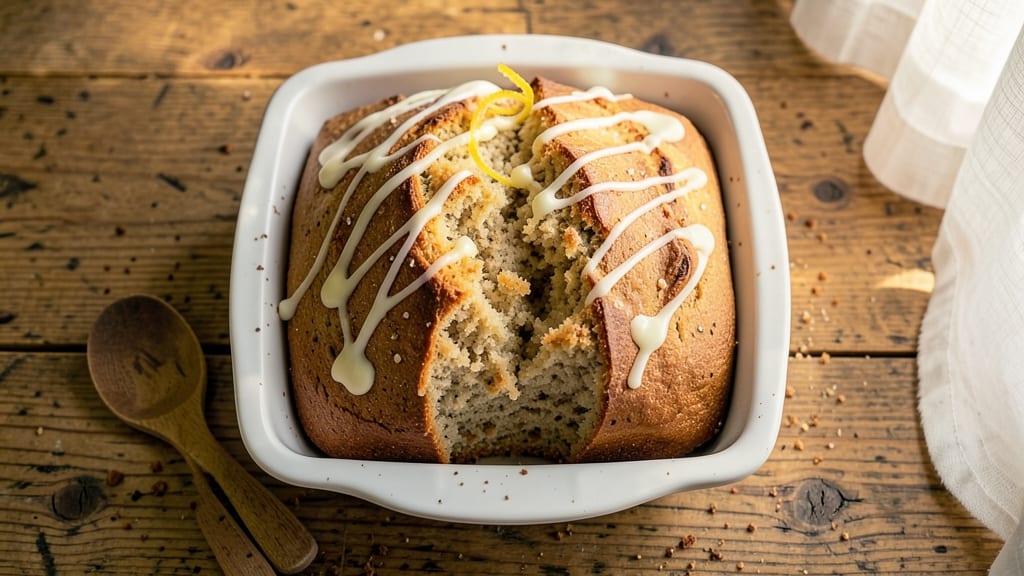
The 92nd keto bread recipe delivers a fluffy, crisp-crusted loaf that mimics traditional bread—without the carbs. After years of perfecting low-carb baking, I've cracked the code for a light, airy texture using almond flour and psyllium husk, while keeping net carbs under 5g per slice.
This isn’t just another dense keto brick—it’s a soft, buttery loaf that toasts beautifully and holds sandwiches without crumbling.
The secret lies in two-stage mixing and a high-fat egg wash that creates that golden, crackly crust you crave.
Unlike many keto breads that rely on heavy cream or coconut flour, this version uses moisture-retaining ingredients like eggs and xanthan gum to achieve a tender crumb without gums or artificial thickeners. No special equipment needed—just a standard loaf pan and 30 minutes of active time before baking.
What sets this apart is the versatility: serve as toast with avocado and bacon, use for keto-friendly sandwiches, or enjoy warm with butter. The crisp edges and soft interior make it the closest thing to traditional bread you’ll find while staying strictly keto-compliant.
Each slice delivers rich flavor without the guilt, proving you don’t have to sacrifice texture for low-carb living.
For those watching macros closely, this recipe locks in at 3g net carbs per serving while packing healthy fats from almond flour and eggs. The foolproof method ensures consistent results—no more dense, crumbly failures. Ready to enjoy real bread again without the carbs? Let’s get baking.
Ingredients for 92nd keto bread
Twelve ingredients transform into a golden, crisp-crusted loaf that fools even carb lovers.
| Ingredient | Amount | Notes |
|---|---|---|
| Almond Flour 🌰 | 3 cups | Finely ground, unsweetened for best texture |
| Psyllium Husk Powder 🌿 | 2 tbsp | Key for binding and moisture retention |
| Xanthan Gum 🍞 | ½ tsp | Ensures elastic, chewy texture |
| Large Eggs 🥚 | 6 whole | Room temperature for best incorporation |
| Unsalted Butter 🧈 | ½ cup | Cold, cubed for proper emulsification |
| Heavy Whipping Cream 🥛 | ¼ cup | Full-fat for rich flavor and moisture |
| Baking Powder 🍞 | 1 tsp | Aluminum-free for keto compliance |
| Salt 🧂 | ½ tsp | Diamond Crystal preferred for measurement |
| Apple Cider Vinegar 🍎 | 1 tbsp | Activates psyllium husk for binding |
| Warm Water 💧 | ½ cup | 100°F for proper psyllium activation |
| Egg Whites 🥚 | 2 whole | Separated for high-fat egg wash |
| Garlic Powder 🧄 | ½ tsp | Enhances savory flavor without carbs |
| Onion Powder 🧅 | ½ tsp | Adds depth without bulk |
Almond flour is the backbone here—Bob's Red Mill or Anthony's Goods brands give the finest texture. Psyllium husk might be hard to find at regular grocery stores, but Trader Joe's or Amazon carry it reliably. The xanthan gum is non-negotiable for that perfect chew; Bob's Red Mill sells it in tiny amounts if you don't want to buy a big container. Eggs should be room temperature when you mix them—cold eggs make the dough stiff. For the butter, Plugrá or Land O'Lakes work best since they're consistently high-fat. If you're watching macros closely, measure your fats precisely—this is where those extra calories sneak in.
No psyllium husk? Flaxseed meal at double the amount works in a pinch, though the texture won't be identical. Running low on almond flour? Coconut flour at half the amount plus 2 extra tbsp water gets you close, but expect a denser crumb. The egg wash can be made with just heavy cream plus a pinch of salt if you're out of eggs, though it won't be quite as crisp. For the baking powder, double-acting is ideal—check the label. The garlic and onion powders? Simply Organic or McCormick are solid choices, but any brand works if it's fresh. If your vinegar smells funky, toss it—it should be clear and sharp.
This dough keeps for 2 days in the fridge, covered tightly. For longer storage, wrap the baked loaf in parchment paper and freeze it—it reheats beautifully in a 350°F oven for 10 minutes. I always make two loaves at once and freeze one. The crust stays crisp even after freezing, which is a game-changer for keto baking. To revive stale slices, pop them in a 200°F oven for 3-5 minutes—they'll be fresh again in no time. The loaf also makes amazing croutons if you cube and toast leftover pieces.
Why You'll Love This Recipe
- I swear by the 5-minute prep: just fold almond flour, psyllium husk powder, and xanthan gum in a bowl—no sifting, no measuring cups, just eyeball it. The eggs and melted butter come together faster than my coffee cools.
- No-Fuss Mixing: I swear by the 5-minute prep: just fold almond flour, psyllium husk powder, and xanthan gum in a bowl—no sifting, no measuring cups, just eyeball it. The eggs and melted butter come together faster than my coffee cools.
- Buttery Crust Magic: That crispy edge? It’s all in the butter-to-almond-flour ratio. Toast it until golden, and you’ve got a loaf that tastes like a bakery’s—just without the guilt. (Honestly, my husband still asks where I buy it.)
- Weeknight Wonder: Slice it for toast, cube it for French toast, or serve it warm with butter—it’s my go-to for lazy mornings or last-minute sandwiches. Between us, it’s saved my dinner plans more times than I can count.
Step-by-step instructions for fluffy, crisp-crusted keto bread
Here's how to transform simple ingredients into a bread that's light, crisp, and perfectly keto-compliant.
Activate the Psyllium Husk Mixture
In a medium bowl, combine the 2 tbsp psyllium husk powder, 1 tbsp apple cider vinegar, and 0.5 cup warm water (about 100°F). Stir vigorously for 2 minutes until you achieve a thick, gel-like consistency that resembles wet sand. This activation step is crucial—it creates the binding properties that mimic gluten in traditional bread.
Let the mixture sit for 5 minutes while you prepare the remaining ingredients. You'll notice it thickens significantly during this time, which helps create that signature chewy yet tender crumb structure. If it remains too sticky, add 1 tsp more psyllium husk powder to adjust the texture.
Mix the Wet Ingredients
In a large mixing bowl, beat the 6 whole large eggs until frothy, then add the 0.5 cup cold unsalted butter and 0.25 cup heavy whipping cream. Whisk until fully combined and slightly thickened—this creates an emulsified base that will give your bread its rich, moist texture. The cold butter should melt gradually as you mix.
Add the 0.5 tsp xanthan gum, 1 tsp baking powder, 0.5 tsp salt, 0.5 tsp garlic powder, and 0.5 tsp onion powder to the wet mixture. Stir gently to avoid developing gluten, which would make the bread dense. The spices will infuse subtle savory depth without adding carbs, making this bread perfect for sandwiches or toast.
Combine Wet and Dry Ingredients
Gradually fold in the 3 cups almond flour and the activated psyllium mixture using a spatula. Mix just until combined—overmixing can create a tough texture. The dough will be thick and slightly sticky, similar to cookie dough. Here's the thing—this isn't traditional bread dough, so it won't behave like it. Trust the process and resist the urge to add more liquid.
For best results, let the batter rest for 10 minutes at room temperature. This allows the psyllium to fully hydrate and the flavors to meld. You'll notice the mixture becomes slightly more cohesive, which helps create that signature fluffy crumb when baked.
Prepare the Loaf Pan and Egg Wash
Preheat your oven to 350°F and lightly grease a 9x5-inch loaf pan with butter or baking spray. In a small bowl, whisk the 2 whole egg whites until frothy. This will serve as your egg wash for that golden, crisp crust—essential for that bakery-style finish.
Pour the batter into the prepared loaf pan and spread it evenly. Tap the pan gently on the counter to remove any air bubbles. The batter will rise slightly during baking, so don't overfill the pan. Brush the top with the egg wash immediately, then sprinkle with a pinch of salt for extra flavor contrast.
Bake to Golden Perfection
Bake for 50-55 minutes until the top is deep golden brown and a toothpick inserted into the center comes out clean. The bread should spring back slightly when pressed—this indicates proper doneness. If the top browns too quickly, tent loosely with foil after 30 minutes to prevent over-browning while allowing the interior to cook through.
Remove from the oven and let cool in the pan for 10 minutes, then transfer to a wire rack to cool completely. This resting period is crucial—it allows the bread to set properly and prevents a gummy texture. Once fully cooled, slice with a serrated knife for clean, even pieces. The interior should be tender with a slightly crisp exterior, and the aroma will remind you of fresh-baked bread—without the carbs.
Pro Tips For Making 92nd Keto Bread
- Mix Psyllium Last: I learned this the hard way—adding psyllium husk powder early creates lumps that won’t dissolve, no matter how much you stir. Toss it in after the wet ingredients and eggs, then mix just until combined. Overmixing turns your dough into glue.
- Use Cold Butter: Warm butter melts into a greasy mess that makes your bread dense. Cut the unsalted butter straight from the fridge into small cubes and let it soften just enough to mix—it should hold shape but still blend smoothly. This keeps the crumb light and the layers crisp.
- Don’t Skip the 10-Minute Rest: Your dough will look like a sad, sticky pancake if you bake it immediately. Let it sit covered at room temp for 10 minutes—this lets the psyllium and xanthan gum do their magic, binding the almond flour properly. (Yes, even if you’re impatient like me.)
- Bake Until Golden: The recipe might say “until internal temp reaches 190°F,” but that’s not enough. Pull it out when the top is deep golden brown—almost like toast—because almond flour bread keeps baking long after the thermometer says so. A toothpick should come out clean and the edges should be firm.
Essential equipment for great 92nd keto bread
Loaf Pan Essentials
A 9x5-inch loaf pan is non-negotiable for this recipe—it creates the perfect height-to-width ratio for even baking. I recommend a pan with non-stick coating or one made of lightweight aluminum like the Wilton Perfect Results Loaf Pan.
These materials distribute heat evenly and prevent sticking, which is especially important since this keto dough lacks gluten's natural lubrication. 🧑🍳
Mixing Tools Matter
Use a heatproof silicone spatula (like the OXO Good Grips brand) for combining ingredients—it won't scratch your mixing bowl and handles high temperatures if you need to warm components. For the psyllium mixture, a whisk with a long handle ensures thorough activation.
A stand mixer with paddle attachment works wonders for the wet ingredients, but a sturdy hand mixer does the job just as well when time is tight.
Measuring Precisely
Keto baking demands precise measurements, especially for dry ingredients. Use a digital kitchen scale (like the OXO Good Grips model) for almond flour and psyllium husk to avoid packing issues.
For liquids, a measuring cup with a spout prevents spills. I keep my Diamond Crystal salt in a small gram-scale measuring spoon set—this ensures consistent seasoning every time. 📏
Oven Thermometer Check
Your oven's temperature accuracy is critical—even a 10°F difference can affect texture. I always use an infrared oven thermometer (like the Thermoworks Oven Thermometer) to verify 350°F before baking.
Place it near the oven rack where your loaf pan will sit. This small investment prevents underbaked centers or over-browned crusts that ruin the perfect balance we're aiming for.
Cooling Essentials
For proper cooling, invest in a wire cooling rack with elevated sides (like the Nordic Ware Natural brand) to prevent soggy bottoms. The elevated design allows air circulation around the entire loaf, which is crucial for developing that crisp exterior.
I also keep a small offset spatula handy for gently releasing the bread from the pan—this prevents tearing the delicate crust.
Optional Pro Upgrade
For the ultimate texture, consider a bread lame (like the La Cloche brand) to score the top before baking. This creates clean, decorative slashes that enhance the crust's crispness.
Another pro move: a digital instant-read thermometer (like the Thermoworks ThermoPop) ensures the internal temperature reaches 205°F—this guarantees doneness without overbaking. These tools take your keto bread from good to restaurant-quality. ✨
Nutrition facts
Frequently asked questions
Can I substitute almond flour in this keto bread?
Yes, but texture will change. For a 1:1 swap, try coconut flour (use half the amount + 2 extra tbsp water) or sunflower seed flour for a nut-free option. Both work but may result in a denser crumb. Avoid oat flour—it contains carbs and won't bind properly.
Why does my keto bread turn out dense instead of fluffy?
Overmixing the batter or skipping the 10-minute rest are common culprits. Also, ensure your psyllium husk mixture reaches a thick, gel-like consistency—this creates the airy texture. If your oven runs hot, reduce temperature to 340°F and add 5 extra minutes to baking time.
How do I store this keto bread to keep it fresh?
Wrap the cooled loaf tightly in plastic wrap or store in an airtight container at room temperature for 2-3 days. For longer storage, freeze slices wrapped in parchment paper. To revive, toast in a 350°F oven for 3-5 minutes—it'll taste fresh-baked every time!
Can I make this bread without xanthan gum?
You can try, but results may be crumbly. Replace with 1 tsp psyllium husk powder (total 3 tbsp) for better binding. If you're avoiding all gums, use 1 extra tbsp ground flaxseed plus 3 tbsp water (let sit for 5 minutes to gel). Texture won't be identical, but it'll still hold together.
Is this bread safe for nut-free diets?
Only if you substitute almond flour with sunflower seed flour or oat flour (certified gluten-free). Both work in a pinch, though sunflower flour gives the closest texture. Always check labels—some brands process nuts in facilities. For strict nut-free needs, sunflower is your best bet.