
Side Dishes
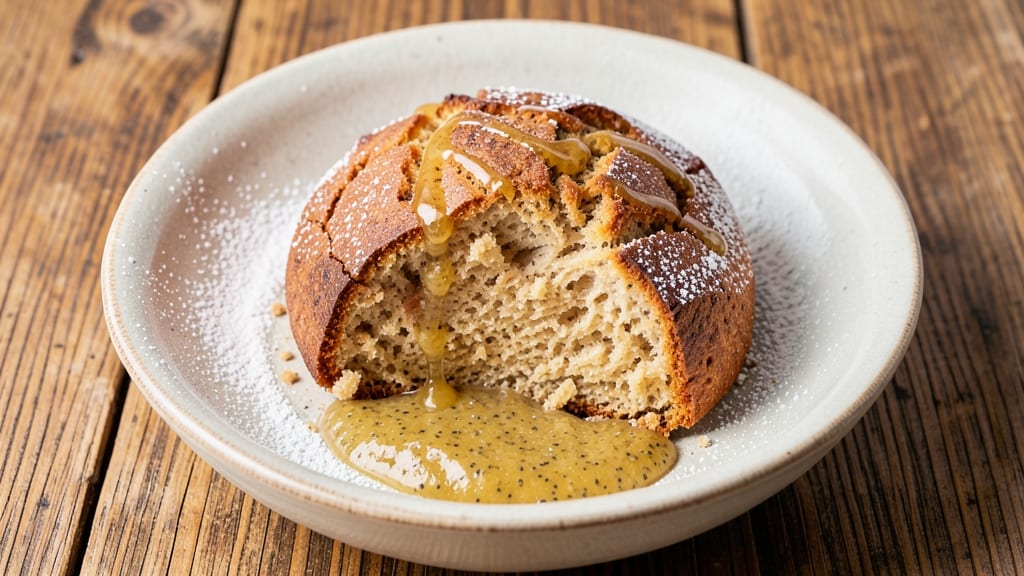
This almond flour bread recipe without eggs delivers a surprisingly light, airy loaf with deep nutty flavor and perfect texture—no binders or dairy required. The secret lies in a simple yet effective combination of flaxseed meal and applesauce that mimics egg functionality while keeping the bread tender and moist.
I developed this recipe after years of experimenting with grain-free baking, and it consistently produces a loaf that rivals traditional bread in both structure and taste.
The beauty of this recipe is its versatility—it works equally well for savory rolls, sweet cinnamon bread, or even sandwich loaves. With just 10 ingredients and 30 minutes of active prep time, you'll achieve a golden-brown crust and a crumb that's both delicate and substantial.
The almond flour provides that characteristic nutty depth while maintaining a satisfying chew, making it perfect for those following grain-free or low-carb diets.
What makes this bread truly impressive is how it holds its shape without collapsing, thanks to the careful balance of hydration and binding agents. The proofing stage is crucial—allowing the dough to rise for 1 hour ensures that airy texture we all love in bread.
Once baked, you'll have a loaf that's crisp on the outside and tender within, with a subtle sweetness that pairs beautifully with soups, spreads, or simply butter.
Store it wrapped at room temperature for 3 days or freeze for up to 3 months—the flavor actually improves with time. For variations, try adding seeds or herbs to savory versions, or fold in chocolate chips for a decadent dessert bread. Let's get baking!
Ingredients for almond flour bread recipe without eggs
Ten ingredients deliver a loaf that rivals traditional bread in texture and flavor.
| Ingredient | Amount | Notes |
|---|---|---|
| Blanched Almond Flour 🌰 | 3 ½ cups | Finely ground for smooth texture |
| Flaxseed Meal 🌿 | ½ cup | Ground from whole flaxseeds |
| Unsweetened Applesauce 🍎 | ½ cup | No sugar added preferred |
| Coconut Oil (Melted) 🥥 | ½ cup | Refined for neutral flavor |
| Warm Water 💧 | ¾ cup | 100°F for optimal hydration |
| Baking Powder 🍞 | 1 ½ tbsp | Aluminum-free preferred |
| Salt 🧂 | 1 ½ tsp | Diamond Crystal kosher salt |
| Vanilla Extract 🌸 | 1 tsp | Pure alcohol-free preferred |
| White Vinegar 🍶 | 1 tbsp | For subtle tang |
| Ground Cinnamon 🌿 | 1 tsp | Optional for sweetness |
The almond flour is non-negotiable here—Bob's Red Mill or Anthony's Goods brands provide the finest grind for optimal texture. Flaxseed meal must be freshly ground from whole flaxseeds to maximize binding properties; pre-ground meal loses potency within weeks. For coconut oil, refined virgin is ideal as it won't impart coconut flavor, though unrefined works if you prefer that taste. Warm water at 100°F ensures proper hydration without activating the baking powder prematurely. The baking powder should be aluminum-free to avoid metallic aftertaste—Bob's Red Mill is a reliable brand for this.
No flaxseed meal? Chia seeds soaked in water (1 tbsp chia + 3 tbsp water = 1 tbsp flax equivalent) works as a binder, though texture may vary slightly. Substitute applesauce with mashed banana or pumpkin puree for moisture, but reduce by 1 tbsp to maintain structure. For coconut oil, avocado oil or melted vegan butter are direct swaps. The vanilla extract can be omitted if preferred, though it enhances the bread's subtle sweetness. If you're making a savory loaf, reduce cinnamon to 0.5 tsp and add 1 tsp dried herbs like rosemary or thyme instead.
This bread holds its shape best when baked immediately after mixing, but the dough can be refrigerated for up to 24 hours if needed—simply let it sit at room temperature for 30 minutes before baking. Once cooled, wrap tightly in parchment paper and store at room temperature for 3-4 days or freeze for 3 months in an airtight container. For reheating, wrap slices in a damp paper towel and warm in a 350°F oven for 5-7 minutes to restore crispness. The flavor actually deepens over time, making it perfect for batch baking.
Why You'll Love This Recipe
- No Fuss Mix-In: Honestly, this bread comes together with just five ingredients—no measuring cups, no sifting, no stress. The flaxseed meal handles the binding while you’re stirring, and the applesauce keeps things moist without extra fuss. I swear, I’ve made it while scrolling through my phone.
- Nutty Comfort: That first bite? Rich, subtly sweet from the applesauce, with a toasty almond warmth that’s just enough. The coconut oil adds a buttery depth without dairy, and the crust? Crisp enough to hold jam or butter without falling apart. (Yes, even on a Tuesday night.)
- Lunchbox Hero: Between us, this bread is my go-to for sandwiches, toast, or French toast—no one can resist it. Slice it thick for breakfast, pack it for work, or freeze half for when you’re too tired to bake. It reheats beautifully, too, so leftovers never feel like a chore.
- Budget-Friendly Staple: Almond flour can be pricey, but this recipe stretches further than you’d think. The flaxseed meal and applesauce cut costs while keeping it nutritious, and a single loaf lasts my family for days. Plus, no wasted ingredients—every bit gets used up. My wallet and my pantry thank me.
Step-by-step instructions for almond flour bread without eggs
This method delivers a light, airy crumb with perfect rise using only plant-based binders.
Create the Flaxseed Egg Substitute
In a small bowl, combine the 0.5 cup flaxseed meal with the 0.75 cup warm water (about 100°F). Stir vigorously for 2-3 minutes until completely dissolved and a gel-like consistency forms. This flaxseed mixture acts as our egg substitute, providing both binding and moisture to the batter.
The gel should look thick and slightly translucent—similar to raw egg whites. If it's too runny, add an extra tablespoon of flaxseed meal. Let it rest for 5 minutes while you prepare the remaining ingredients. This resting period allows the flax to fully hydrate and develop maximum binding properties.
Mix Wet Ingredients for Proper Hydration
In a large mixing bowl, combine the 0.5 cup unsweetened applesauce, 0.5 cup melted coconut oil, and the flaxseed gel. Add the 1 tbsp white vinegar and 1 tsp vanilla extract, then whisk until completely smooth. The applesauce provides natural sweetness and moisture while the vinegar helps activate the baking powder for better rise.
This wet mixture should be uniformly blended with no visible streaks of oil or applesauce. The texture should be similar to thick pancake batter. If it appears too thick, add 1 tablespoon warm water at a time until it reaches a pourable consistency. The proper hydration is critical for achieving that light, airy crumb characteristic of good bread.
Combine Dry Ingredients with Precision
In a separate bowl, sift together the 3.5 cups blanched almond flour, 1.5 tbsp baking powder, 1.5 tsp salt, and 1 tsp ground cinnamon. The sifting ensures even distribution of the baking powder and salt throughout the batter, which prevents dense pockets in your final bread. Gently fold these dry ingredients into the wet mixture using a spatula, mixing just until combined.
Overmixing develops gluten in the almond flour, which can make the bread dense rather than light and tender. Stop mixing as soon as you see no more flour streaks remaining. The batter should hold its shape when spooned but still be pourable. If it's too stiff, add 1 tablespoon warm water to help with the rise.
Bake for Optimal Texture and Rise
Preheat your oven to 350°F and line a 9x5-inch loaf pan with parchment paper, allowing it to extend slightly above the pan edges for easy removal. Pour the batter into the prepared pan and smooth the top with a spatula. Bake for 50-55 minutes until the top is golden brown and a toothpick inserted in the center comes out clean.
The bread is done when it springs back slightly when pressed in the center and has developed a golden crust. For best results, avoid opening the oven door during the first 40 minutes of baking to prevent the bread from collapsing. If the top browns too quickly, tent loosely with aluminum foil after 30 minutes to allow even cooking throughout.
Cool and Slice for Perfect Crumb
Remove the bread from the oven and let it cool in the pan for 10 minutes, then transfer to a wire rack to cool completely for at least 1 hour. This cooling period is essential—it allows the bread to set properly and prevents a gummy texture. The internal temperature should drop to below 100°F before slicing for clean cuts.
Slice the bread with a serrated knife for clean edges and serve warm. The interior should reveal a light, airy crumb with subtle nutty flavor from the almond flour. Store any leftovers in an airtight container at room temperature for up to 3 days or freeze for longer storage. The bread reheats beautifully in a 350°F oven for 5-10 minutes to restore its freshness.
Pro Tips For Making Almond Flour Bread Recipe Without Eggs
- Mix Flaxseed Early: Stir the flaxseed meal into the warm water first—let it sit for 5 minutes to thicken properly before adding it to the batter. I learned this the hard way when my bread turned out gummy; the flax needs time to gel, or it won’t bind like it should.
- Use Room-Temp Applesauce: Scoop that unsweetened applesauce straight from the fridge, but give it 10 minutes to soften before mixing. Cold applesauce makes the batter lumpy, and no one wants a bread with texture issues. Trust me, your dough will thank you.
- Don’t Overmix the Dough: Once you’ve combined everything, stop stirring after 10-12 turns—just until the ingredients are barely incorporated. Overmixing develops gluten (which almond flour lacks), and you’ll end up with a dense brick instead of a light, airy loaf.
- Preheat Pan and Oven: Get your loaf pan and oven to 350°F (175°C) before you mix a thing. Cold pans steal heat, and your bread will bake unevenly—especially with coconut oil, which needs that initial burst of heat to set properly. No excuses, just preheat.
Make-ahead tips for this dish
Prep Ahead Dough
Mix the batter up to 24 hours ahead and store it in an airtight container in the fridge. The cold temperature slows fermentation, preserving the rise. When ready to bake, let the batter sit at room temperature for 30 minutes before pouring into your pan.
This simple step ensures the bread rises properly without sacrificing texture. 🌰
Freeze for Later Baking
For maximum convenience, freeze the prepared batter in quart-sized freezer bags or airtight containers. Thaw overnight in the fridge before baking—no need for a microwave. The texture remains light and airy when baked from frozen, though baking time may extend by 5-10 minutes.
Label with the date to track freshness. ✨
Baked Loaf Storage
Once fully cooled, wrap the baked loaf tightly in parchment paper or aluminum foil. Store at room temperature for 3-4 days in a cool, dark place. The paper prevents moisture loss while maintaining that perfect crust.
For longer storage, slice the bread and freeze individual portions on a baking sheet before transferring to a bag. 💫
Reheating Tricks
Revive stale slices by wrapping them in a damp paper towel and heating at 350°F for 5-7 minutes. The steam restores moisture without making the bread soggy.
For whole loaves, wrap in foil and warm in the oven for 10 minutes—this maintains the crust while gently reheating the interior. 🔥
Batch Baking Tips
Double or triple the recipe for efficient batch baking. Use two 9x5-inch loaf pans or a single 9x13-inch pan for a larger sheet loaf. The same ratios apply—just scale up the ingredients proportionally.
Label each pan with the bake date to track freshness. This method is perfect for meal prep or sharing with neighbors! 💛
Flavor Development
The bread actually tastes better after 24 hours of storage as the almond flavor deepens. Keep it wrapped at room temperature and slice as needed. For extra richness, brush warm slices with melted coconut oil before serving—this adds a subtle sheen and enhances the nutty notes. 🌟
Nutrition facts
Frequently asked questions
Why does this almond flour bread need applesauce and flaxseed?
The flaxseed creates a gel that mimics egg's binding properties, while applesauce adds moisture and natural sweetness. Together, they replace eggs without compromising texture—flaxseed provides structure and applesauce keeps the crumb tender. Both are essential for that light, airy rise!
Can I make this bread without applesauce?
You can substitute with ½ cup mashed banana or ½ cup pumpkin puree, but reduce by 1 tbsp to maintain structure. The moisture level is critical—too much liquid makes the bread dense. For savory versions, skip the applesauce and add 1 tbsp olive oil instead.
Why did my bread turn out dense instead of light?
Overmixing develops gluten in the almond flour, making it dense. Also check your baking powder (must be fresh) and hydration—too little water means poor rise. Let the batter rest 5 minutes after mixing to activate the flaxseed fully. A toothpick test (clean when done) is more reliable than time alone!
How do I make this into rolls or dinner rolls?
Divide the batter into 12 equal portions and shape into balls. Place on a parchment-lined baking sheet 2 inches apart, then bake at 350°F for 18-20 minutes until golden. For extra tenderness, brush with melted coconut oil after baking. Perfect for sandwiches or soups!
Is this bread gluten-free and nut-free?
It's naturally gluten-free, but contains almond flour. For nut-free, substitute with sunflower seed flour (1:1 ratio) or oat flour. The texture will be slightly denser but still delicious. Always check labels—some almond flours are processed in nut-free facilities.