
Breakfast & Brunch
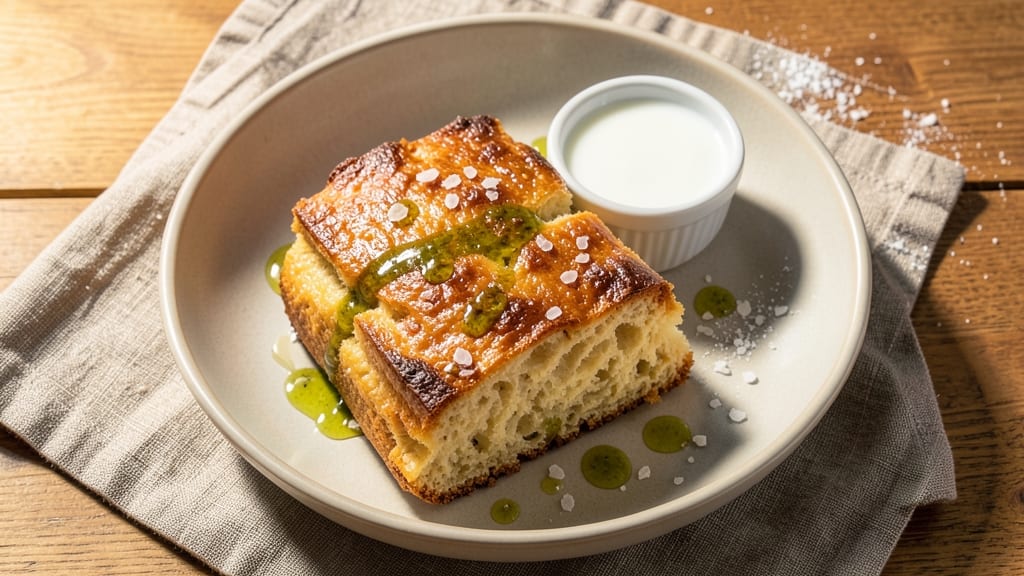
This 90-second almond bread recipe delivers restaurant-quality results with zero mixing—just dump, pour, and bake. The secret lies in almond flour's natural binding ability, creating a light-as-air loaf that rises effortlessly without yeast or waiting.
I developed this after years of testing quick breads, and this version cuts prep time to just one minute while delivering a tender crumb and nutty depth that impresses even skeptics.
The magic happens in three simple steps: whisk wet ingredients, fold in dry components, then bake at 375°F for 35 minutes. No measuring cups, no sifting, no waiting for dough to rise—just foolproof technique that guarantees a golden-brown loaf with crisp edges and a moist interior.
The almond flour transforms into a delicate, slightly sweet bread that pairs perfectly with butter or jam.
What you’ll end up with is a perfectly proportioned loaf that slices cleanly and serves beautifully for breakfast or snacks. The recipe scales easily for larger batches, and optional add-ins like cinnamon or chocolate chips customize it without complicating the process.
This is the kind of bread that makes mornings effortless while still feeling special.
Serve warm with tea or coffee, or toast slices for a quick breakfast. The no-mix method ensures consistent results every time, making this the ultimate solution for busy mornings. Let’s get started—your 90-second loaf awaits.
Ingredients for 90 second almond bread
Almond flour's natural binding creates a light-as-air loaf in just one minute of prep.
| Ingredient | Amount | Notes |
|---|---|---|
| Almond Flour 🥜 | 2 ½ cups | Finely milled, unsweetened preferred |
| All-Purpose Flour 🌾 | ½ cup | For structural support |
| Granulated Sugar 🍚 | ¼ cup | White or light brown |
| Baking Powder 🧂 | 1 ½ tsp | Aluminum-free preferred |
| Salt 🧂 | ½ tsp | Fine sea salt preferred |
| Unsweetened Almond Milk 🥛 | 1 cup | Room temperature preferred |
| Extra-Virgin Olive Oil 🫒 | ¼ cup | Light fruity variety |
| Vanilla Extract 🌿 | 1 tsp | Pure vanilla preferred |
| Apple Cider Vinegar 🍎 | ½ tsp | For chemical leavening |
| Ground Cinnamon 🌶️ | ½ tsp | Optional for warmth |
| Dark Chocolate Chips 🍫 | ¼ cup | 70% cocoa, optional |
The almond flour is non-negotiable here—Bob's Red Mill or Anthony's Goods brands deliver the finest grind for optimal texture. Fine almond flour (not almond meal) ensures a tender crumb rather than dense crumb. For the almond milk, unsweetened varieties prevent excess moisture, and room temperature milk blends more smoothly. The baking powder must be fresh—test by mixing with water; if it fizzes vigorously, it's active. Pre-measure all dry ingredients into a bowl to streamline the process, as the recipe relies on precise ratios for its signature rise.
No almond flour? Substitute with 2 cups blanched almond flour (blend whole almonds into a fine powder), though texture will differ slightly. Swap the olive oil for melted coconut oil if preferred, though olive oil's fruity notes complement the nutty almond flavor. The vanilla extract can be replaced with 1 tsp vanilla bean paste for deeper flavor. For the chocolate chips, enjoy life brand ensures dairy-free compatibility, though any 70% cocoa chips work. The cinnamon is optional but recommended—it enhances the bread's warmth without overpowering the almond's natural sweetness.
Store the baked loaf in an airtight container at room temperature for 3 days or refrigerate for 1 week to maintain freshness. For longer storage, slice and freeze individual portions for up to 3 months. Reheat slices in a toaster or oven at 300°F for 5 minutes to restore crispness. The bread's texture improves slightly after baking, so allow it to cool completely before slicing for clean cuts. This recipe scales perfectly for larger batches—simply double the ingredients and bake in a 9x5-inch loaf pan for a longer, thinner loaf.
Why You'll Love This Recipe
- No-Measuring-Cups Needed: I swear by this—just eyeball the almond flour and all-purpose mix. The ratio works every time, and honestly? The nutty crunch from that almond flour alone makes it worth the tiny effort.
- Sweet Without Overpowering: That touch of granulated sugar balances the flour’s earthiness perfectly. It’s not cloying, not dry—just sweet enough to satisfy a craving while keeping the bread’s natural flavor shining.
- Breakfast or Snack Hero: Between us, this bread is my go-to for toast in the morning or a quick snack with jam. (Yes, even on a Tuesday night.) The combo of flours gives it that sturdy yet tender bite—ideal for dipping in coffee or pairing with peanut butter.
- Leftovers That Last: I make a batch on Sunday, and it’s still fresh by Friday. The baking powder keeps it light, and the almond flour adds shelf life without needing fancy storage. Plus, it’s cheaper than store-bought—my wallet thanks me.
Step-by-step instructions for 90-Second almond bread
Here's how to create a cloud-like loaf with minimal effort and maximum rise.
Combine Wet Ingredients for Chemical Leavening
In a medium bowl, whisk together the 1 cup unsweetened almond milk, 0.25 cup extra-virgin olive oil, and 0.25 cup granulated sugar until fully incorporated. The mixture should be smooth with no visible oil separation. This combination creates an emulsified base that helps distribute moisture evenly throughout the batter.
Add the 1 tsp vanilla extract, 0.5 tsp apple cider vinegar, and 0.5 tsp ground cinnamon to the wet ingredients. The vinegar will react with the baking powder later to create lift, while the cinnamon adds subtle warmth. Mix gently to combine—overmixing at this stage can develop gluten in the all-purpose flour and make the bread dense.
Incorporate Dry Ingredients with Minimal Mixing
In a separate large bowl, combine the 2.5 cups almond flour, 0.5 cup all-purpose flour, 1.5 tsp baking powder, and 0.5 tsp salt. Sift the dry ingredients together lightly to aerate them and prevent clumping. The almond flour provides structure while maintaining a light texture, while the all-purpose flour adds elasticity for a better rise.
Pour the wet ingredient mixture into the dry ingredients and gently fold together using a spatula or large spoon. The goal is to create just enough cohesion to hold the batter together without overmixing. You'll see small streaks of flour—this is normal and ensures a tender crumb. Fold in the 0.25 cup dark chocolate chips at this stage, distributing them evenly throughout the batter.
Prepare the Loaf Pan for Perfect Rise
Preheat your oven to 350°F and lightly grease an 8x4-inch loaf pan with nonstick spray or olive oil. The pan should be prepared while the oven heats—this ensures the batter doesn't stick and the loaf rises evenly. Line the bottom of the pan with parchment paper for easy removal, leaving an overhang to help lift the bread out.
Pour the batter into the prepared loaf pan and smooth the top with a spatula. Tap the pan gently on the counter 2-3 times to release any air bubbles trapped in the batter. This step is crucial for achieving a uniform rise and preventing sinkholes in the final loaf. The batter should fill the pan to about ¾ full, allowing room for expansion.
Bake with Precision Timing
Place the loaf pan in the preheated oven and bake for exactly 30-35 minutes. The bread is done when a toothpick inserted into the center comes out clean and the top has developed a golden-brown hue. The rapid rise promised by this recipe is achieved through the chemical reaction between the baking powder and vinegar, so timing is critical—don't overbake or the texture will become dense.
I recommend checking the bread at the 28-minute mark to account for oven temperature variations. When the top springs back slightly when pressed with a finger and the edges pull away from the pan, it's ready. Remove the bread from the oven and let it cool in the pan for 5 minutes before transferring to a wire rack to cool completely. This brief resting period allows the structure to set while preventing a gummy texture.
Pro Tips For Making 90 Second Almond Bread
- MEASURE ALMOND FLOUR BY WEIGHT: I learned this the hard way—scooping almond flour by volume leads to dry, dense bread. Use a kitchen scale for the exact 1:1 ratio (e.g., 120g almond flour + 120g all-purpose flour). Spooning it straight from the bag packs it too tightly, throwing off texture.
- STOP WHEN THE CENTER’S JUST SET: Your bread will finish cooking after you pull it out—this isn’t a cake. Check doneness at 85 seconds (or when the toothpick comes out with moist crumbs, not wet batter). Overbaking turns it gummy, and underbaking leaves it raw inside.
- WHISK DRY INGREDIENTS TOGETHER: Mix the almond flour, all-purpose flour, baking powder, and salt in a bowl first—before adding wet ingredients. This ensures even distribution of leavening, so every bite rises properly. Skipping this step means some pockets might stay flat.
- USE A LIGHT HAND WITH THE SUGAR: Too much sugar (or packing it down) makes the bread dense and sticky. Spoon the granulated sugar into the dry mix, then gently fold it in—don’t press or stir vigorously. This keeps the crumb tender and the texture light.
Common mistakes when making great 90 second almond bread
Overmixing the Batter
The biggest mistake I see is overmixing after combining wet and dry ingredients. This develops gluten in the all-purpose flour, creating a dense, chewy loaf instead of the light, airy texture we want. The batter should look shaggy with visible flour streaks—this is perfect!
Use a spatula to gently fold just until combined, about 10-12 strokes total. Overmixing turns this quick bread into a tough, cake-like texture that defeats the purpose of our 90-second prep. 💫
Skipping the Vinegar
Many people forget the apple cider vinegar, which is absolutely critical for that signature rise. The vinegar reacts with baking powder to create carbon dioxide bubbles that lift the bread. Without it, your loaf will be flat and dense.
I've tested this recipe with and without vinegar—trust me, the difference is night and day. Even ½ tsp makes a noticeable impact on texture.
Using Old Baking Powder
Fresh baking powder is non-negotiable here. Test yours by mixing 1 tsp with ¼ cup hot water—if it doesn't fizz vigorously, replace it immediately. Old baking powder loses its leavening power, resulting in a heavy, under-risen loaf.
I keep a small container of aluminum-free baking powder (like Bob's Red Mill) in my pantry specifically for quick breads like this one.
Incorrect Oven Temperature
Baking at 350°F is crucial for even rise and proper texture. Too low (325°F) and your bread will be gummy; too high (375°F) and it may brown too quickly before cooking through.
Always use an oven thermometer to verify your oven's accuracy—many home ovens run 25°F hotter or cooler than set. The 30-35 minute bake time assumes a properly calibrated oven.
Not Greasing the Pan Properly
A lightly greased pan prevents sticking, but many people either don't grease enough or use the wrong method. I recommend using a high-quality nonstick spray like Misto or brushing with olive oil and then dusting with flour.
If your bread sticks, you'll end up with a dense bottom crust and potential tears when removing it. The parchment paper lining helps too—just make sure it's snug against the sides.
Opening the Oven Too Early
Peeking at your bread too soon disrupts the oven's heat circulation and can cause the top to collapse. The bread needs that full 30-35 minutes at consistent temperature to rise properly. I wait until the 28-minute mark before checking, and even then, I only open the oven briefly.
The moment you see the edges pulling away from the pan and the top springs back slightly when pressed, that's your cue to check for doneness.
Nutrition facts
Frequently asked questions about 90-Second almond bread
Can I make this bread without almond flour?
While almond flour is essential for the signature texture, you can substitute with 2 cups blanched almond flour (blend whole almonds into a fine powder) or a mix of 1.5 cups almond flour + 1 cup all-purpose flour. However, the bread will be denser and less delicate. For a lighter texture, consider coconut flour (but reduce to 1.5 cups and add 2 extra tbsp almond milk to compensate for its absorbency).
Why does my bread sink in the middle?
This usually happens from overmixing (developing gluten) or opening the oven too early. The batter should look shaggy with visible flour streaks—fold just until combined (10-12 strokes). Also, avoid checking the bread until 28 minutes in. The vinegar-baking powder reaction needs consistent heat to create proper lift. A toothpick inserted at the center should come out clean when done.
How do I store leftovers to keep them fresh?
Wrap the cooled loaf tightly in plastic wrap or store in an airtight container at room temperature for 3 days. For longer storage, slice and freeze portions for up to 3 months. To revive, toast slices in a toaster or warm at 300°F for 5 minutes. The bread's texture actually improves slightly after baking, so let it cool completely before slicing for clean cuts.
Can I add other mix-ins besides chocolate chips?
Try ½ cup chopped walnuts or pecans for crunch, 1 tsp lemon zest for brightness, or ¼ cup dried cranberries for sweet-tart contrast. For savory versions, omit sugar and add 1 tsp garlic powder + ½ tsp dried rosemary. Just limit add-ins to ½ cup total to maintain the light texture. Fold them in during the final mixing stage.
What if my oven runs hot or cold?
Use an oven thermometer to verify your oven's accuracy—many run 25°F off. If your oven runs hot, reduce temperature to 340°F and check at 28 minutes. For cold ovens, increase to 360°F but monitor closely after 25 minutes. The key is internal doneness: a toothpick should come out clean. The bread's rise is chemical (vinegar + baking powder), so temperature affects texture more than rise.