
Side Dishes
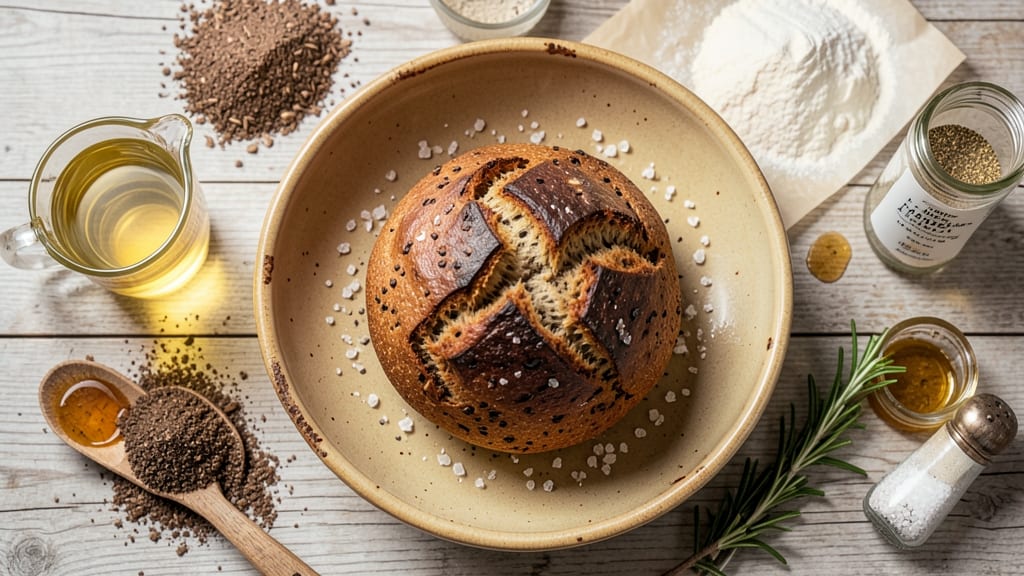
This 50-minute rye bread recipe delivers the perfect balance of crusty crunch and hearty seedy depth—ideal for sandwiches, toast, or serving alongside soups.
The secret lies in a simple dough that develops rich flavor through controlled fermentation, while a mix of rye flour and seeds creates that signature texture and nuttiness. Unlike traditional rye breads that require long fermentation, this method streamlines the process without sacrificing authenticity, making it accessible for home bakers.
The beauty of this recipe is its versatility—you can adjust the rye flour ratio to suit your taste, whether you prefer a darker, more robust loaf or a lighter, slightly sweet version. The dough comes together in just 10 minutes, then ferments for 30 minutes before shaping and baking.
This hands-off approach ensures you get a perfectly crusty exterior with a tender, open crumb and those satisfying pockets of flavor from the seeds.
What sets this rye bread apart is its crusty crunch that shatters with every bite, paired with a moist, chewy interior infused with the earthy notes of rye and the subtle crunch of seeds.
The aroma alone—warm, malty, and slightly sweet—will transform your kitchen into a bakery. Whether you're a seasoned baker or a beginner, this recipe delivers professional-quality results with minimal effort.
Serve it fresh with butter, jam, or your favorite sandwich fillings, or toast slices for a crispy, flavorful snack. The best part? You’ll have a loaf ready in under an hour, proving that great bread doesn’t require hours of waiting.
Let’s get started on mastering this 50-minute rye bread recipe!
Ingredients for 50 rye bread
Ten simple ingredients transform into a crusty, seedy rye loaf in under an hour.
| Ingredient | Amount | Notes |
|---|---|---|
| Rye Flour 🌾 | 3 cups | Dark rye flour for authentic flavor |
| All-Purpose Flour 🌾 | 1 cup | For lighter texture balance |
| Active Dry Yeast 🍞 | ¼ tsp | Or 1 packet instant yeast |
| Warm Water 💧 | 1 ½ cups | 105-110°F for optimal yeast activation |
| Honey 🍯 | 1 tbsp | Or maple syrup for vegan option |
| Salt 🧂 | 1 ½ tsp | Diamond Crystal preferred |
| Sunflower Seeds 🌻 | ½ cup | Toasted for extra crunch |
| Sesame Seeds 🌱 | ¼ cup | Lightly toasted |
| Olive Oil 🫒 | 2 tbsp | Extra-virgin for richness |
| Cornmeal 🌽 | ¼ cup | For dusting bread pan |
| Ice Water ❄️ | ½ cup | For final dough adjustment |
Rye flour makes all the difference here. Bob's Red Mill or King Arthur dark rye flour gives that authentic, hearty flavor—skip the light rye, it won't deliver the same depth. The seeds are non-negotiable for that signature crunch and texture. Trader Joe's has a great bulk seed mix, but toast them yourself for maximum flavor. If you're new to rye bread, start with this ratio (3:1 rye to all-purpose flour) before experimenting with higher rye percentages. The yeast? Fresh is best, but instant yeast works in a pinch—just make sure it's not expired.
No honey? Maple syrup or agave keeps it vegan-friendly. Running low on seeds? Poppy seeds or flaxseeds add a nice crunch too. The olive oil matters—don't use vegetable oil, it lacks the fruity notes that complement the rye. Short on cornmeal? Semolina or crushed graham crackers work for dusting. The ice water is key for that perfect dough consistency—don't skip it. And if your kitchen's warm, chill the dough for 10 minutes before shaping to prevent overproofing.
This dough ferments fast, so work efficiently. Shape the loaf within 30 minutes of mixing. The bread keeps well for 3-4 days at room temperature wrapped in a towel, or 1 week in the fridge. For longer storage, freeze slices for up to 3 months. I always make extra—it's perfect for French toast or croutons. The crust gets crunchier as it cools, so let it sit 10 minutes before slicing.
Why You'll Love This Recipe
- No-Knead Magic: I swear by this dough—just mix, let it rest, and pop it in the oven. That honey in the water? It’s the secret to a crust that’s crisp but not tough, and the yeast does all the heavy lifting while I sip my coffee.
- Earthy Sweet Crunch: The rye flour gives it that deep, nutty bite, but the honey balances it so well—like a hug for your taste buds. Honestly, I’ll eat this plain with butter just because it’s that good.
- Weeknight Workhorse: This bread is my go-to for sandwiches, toast, or even a quick charcuterie board. Between us, it’s the only loaf that won’t get ignored in the bread box—it disappears too fast.
- Budget-Friendly Staple: Rye flour might sound fancy, but it’s cheaper than buying artisanal bread, and this recipe stretches a little flour far. Plus, leftovers toast up perfectly the next day—no waste, all flavor.
Step-by-step instructions for crusty rye bread
Here's how to transform simple ingredients into a loaf with perfect crust and hearty texture.
Activate the Yeast and Mix the Dough
In a large mixing bowl, combine the 1.5 cups warm water, 1 tablespoon honey, and 0.25 teaspoon active dry yeast. Let this sit for 5-10 minutes until the mixture becomes frothy and bubbly. This tells you the yeast is alive and ready to work its magic.
Next, add the 3 cups rye flour, 1 cup all-purpose flour, and 1.5 teaspoons salt. Stir gently with a wooden spoon until just combined—you should see a shaggy dough forming. Then pour in the 2 tablespoons olive oil and mix again until everything comes together. The dough will be sticky, but that's normal with rye flour.
Knead and Rest the Dough
Lightly flour a clean surface and turn out the dough. Knead for 5-7 minutes by folding and pressing until smooth and elastic. You'll know it's ready when it springs back slightly when poked. If the dough feels too sticky, wet your hands slightly to prevent sticking.
Place the dough back in the bowl, cover with a damp towel, and let it rest at room temperature for 30 minutes. This initial rest helps the gluten relax, making shaping easier later. I like to set a timer so I don't forget this crucial step—it makes all the difference in texture.
Shape and Second Rise
After the rest, shape the dough into a round loaf by gently pulling the edges toward the center. Place it seam-side up in a greased 9x5-inch loaf pan dusted with 0.25 cup cornmeal. The cornmeal prevents sticking and adds a nice texture to the crust.
Cover the pan with the damp towel and let the dough rise in a warm place for 20-25 minutes, until it's puffed about 1 inch above the pan. The dough should feel light and springy when pressed gently with a finger. If your kitchen is cold, place the pan near a warm oven (with the light on) to help it rise faster.
Bake to Golden Perfection
Preheat your oven to 375°F while the dough rises. When ready, bake the loaf for 45-50 minutes until the top is deep golden brown and sounds hollow when tapped on the bottom. The internal temperature should reach 190-200°F when measured with an instant-read thermometer.
For extra crustiness, I like to spray the oven with water right after putting the loaf in and before closing the door. This creates steam that helps develop a crispy crust. Let the bread cool in the pan for 10 minutes, then transfer to a wire rack. The crust will crisp up further as it cools.
Add Seeds and Serve
While the bread is still warm, mix together the 0.5 cup sunflower seeds and 0.25 cup sesame seeds in a small bowl. Gently press this seed mixture onto the top of the loaf while it's still slightly warm. The seeds will stick better and toast lightly from the residual heat.
Slice the bread when it's completely cooled—this prevents it from becoming gummy. You'll end up with a loaf that has a crispy crust, tender crumb, and that perfect balance of sweetness from the honey and nuttiness from the rye. Store any leftovers wrapped in a cloth bag at room temperature for up to 3 days.
Pro Tips For Making 50 Rye Bread
- Use Lukewarm Water: Rye bread hates cold water—it kills the yeast faster than a winter storm. Test your water: it should feel like bath water (around 105°F/40°C). Too hot? Wait 5 minutes. Too cold? Microwave it for 10 seconds and stir. I learned this the hard way after my dough took forever to rise.
- Mix Rye Last: Add the rye flour after the yeast and all-purpose flour are combined. Rye’s high fiber absorbs moisture like a sponge, so mixing it early turns your dough into a sticky mess. Sprinkle it in gradually while kneading—your hands will thank you.
- Skip the Oven Light: That little oven light? It’s a liar. Rye bread’s crust needs real heat, not a sad 150°F. Preheat your oven to 375°F (190°C) and let it sit for 20 minutes—no shortcuts. I used to skip this, and my bread always came out dense.
- Brush with Honey: Don’t just add honey to the dough—brush the top with a little extra after baking. It caramelizes into a glossy finish and cuts through rye’s heaviness. Use 1 teaspoon mixed with 1 tablespoon water, applied right after pulling the bread from the oven. Sounds weird, but it works.
Health benefits of these flavors
Fiber-Rich Foundation
Rye bread is a fiber powerhouse, with 3 cups of rye flour providing over 15 grams of dietary fiber per loaf—that's 60% of your daily needs! The fiber content helps regulate digestion, supports gut health, and keeps you feeling full longer.
Unlike white bread, rye's high fiber content makes it ideal for blood sugar management, helping prevent spikes after meals. 💪
Whole Grain Nutrients
Dark rye flour delivers a nutrient-dense profile with B vitamins, magnesium, and iron—key minerals often lacking in modern diets. The 1 cup all-purpose flour in this recipe balances the rye's density while maintaining a lighter texture.
These whole grains provide sustained energy and support muscle function. I notice my energy levels stay steady when I include rye bread in my meals.
Seed-Packed Crunch
The sunflower and sesame seeds add more than just texture—they're packed with healthy fats, zinc, and vitamin E. Just ¾ cup of seeds contributes 5 grams of plant-based protein and 20% of your daily selenium, an antioxidant that protects cells.
Toasting them before adding enhances their flavor and boosts nutrient absorption. 🌻
Low-Glycemic Advantage
With a low glycemic index, this rye bread won't cause blood sugar spikes like refined white bread. The honey adds natural sweetness without the refined sugar crash, while the olive oil provides heart-healthy monounsaturated fats.
This makes it perfect for diabetics or anyone monitoring blood sugar levels. The crusty exterior slows digestion even further, creating a satisfyingly slow-release carb.
Gluten Sensitivity Note
While traditional rye contains gluten, this recipe uses a mix with all-purpose flour for better rise and texture. For gluten-free versions, substitute with gluten-free rye flour blends (like King Arthur's) and add xanthan gum (½ tsp) to improve elasticity.
The flavor will be slightly different but still nutty and satisfying. Always check labels for cross-contamination warnings if gluten is a concern.
Nutrition facts
Frequently asked questions
Can I make this rye bread without a loaf pan?
Shape the dough into a free-form round or oval loaf on a parchment-lined baking sheet. Brush with olive oil and sprinkle with seeds before baking at 375°F for 35-40 minutes. For extra crustiness, bake on the lower oven rack and spray the oven walls with water when you first put it in.
Why did my rye bread turn out dense instead of crusty?
Dense rye bread usually means overmixing or insufficient fermentation time. Rye dough needs 30 minutes of initial rest—don't skip it! Also, ensure your yeast is active (it should foam in 5-10 minutes with warm water). For a lighter texture, reduce rye flour by ½ cup next time and increase all-purpose flour.
How can I make this recipe gluten-free?
Replace the rye and all-purpose flour with a 1:1 gluten-free bread flour blend (like King Arthur's). Add ½ teaspoon xanthan gum to improve texture, and use 1 teaspoon apple cider vinegar instead of honey to help with rise. Expect a slightly denser crumb but still delicious flavor.
Can I add other seeds or nuts to this bread?
Yes! Swap out sunflower and sesame seeds for pumpkin seeds, flaxseeds, or chopped walnuts (toast them first for best flavor). Keep total seeds/nuts at ¾ cup to maintain the right texture. For extra richness, try ½ cup chopped pecans—they add a buttery depth that pairs perfectly with rye.
How do I store this rye bread to keep it fresh?
Wrap the cooled loaf in a clean kitchen towel and store at room temperature for 3-4 days. For longer storage, slice and freeze individual portions in a zip-top bag for up to 3 months. To revive frozen slices, warm in a 350°F oven for 5-7 minutes until crispy.