
Side Dishes
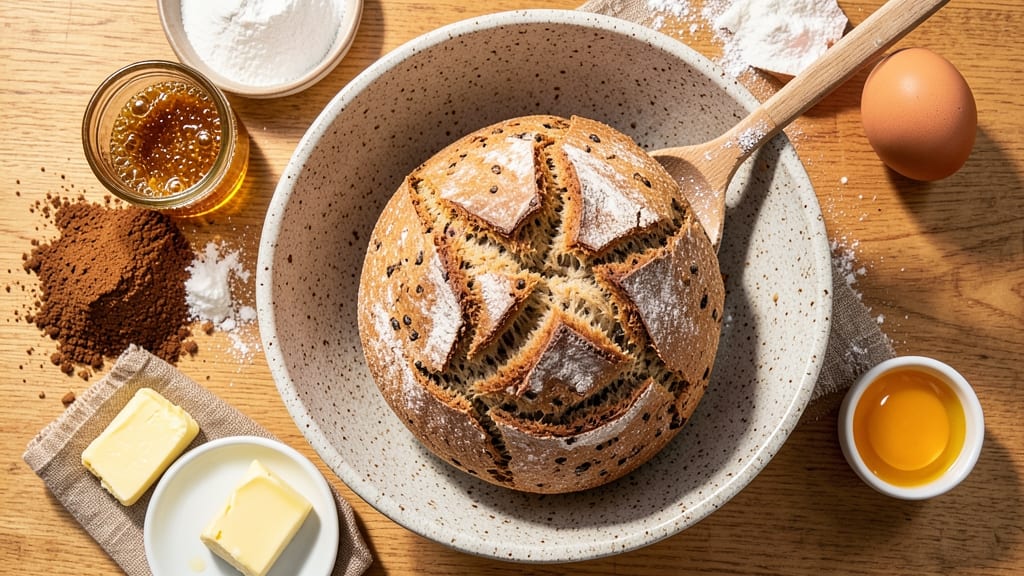
This 50/50 whole wheat sourdough bread recipe delivers the perfect balance of nutty depth and crispy crust you crave—without sacrificing texture. The secret lies in blending equal parts whole wheat and white flour, creating a loaf that's hearty yet tender, with an open crumb and golden-brown crust that cracks beautifully.
I've perfected this formula over years of baking, ensuring reliable results even for beginners.
The magic happens during fermentation, where the sourdough starter transforms the dough into something complex and flavorful. Unlike all-white sourdough, this version develops a subtle earthiness from the whole wheat while maintaining a light, airy texture.
The key is proper hydration and a slow bulk fermentation—this isn't a quick bread, but the wait is worth every crispy bite.
What you'll end up with is a loaf that's crusty on the outside and tender on the inside, with that signature sourdough tang balanced by whole wheat's nutty richness.
The open crumb structure makes it perfect for sandwiches, toast, or simply enjoying with butter. This recipe builds on traditional sourdough methods while adapting them for whole wheat success.
Whether you're a seasoned baker or new to sourdough, this approachable method delivers professional-quality results. Let's get started with the step-by-step process that transforms simple ingredients into artisanal bread.
Ingredients for 50 50 whole wheat sourdough bread
Equal parts flour blend, precise hydration, and slow fermentation create this artisanal loaf's signature texture.
| Ingredient | Amount | Notes |
|---|---|---|
| Active Sourdough Starter 🍞 | ½ cup | Unfed, 100% hydration, active bubbles |
| All-Purpose Flour 🌾 | 2 cups | Bread flour preferred for better structure |
| Whole Wheat Flour 🌾 | 2 cups | King Arthur or Bob's Red Mill preferred |
| Granulated Sugar 🍚 | ¼ cup | White or brown, fine granulation preferred |
| Unsalted Butter 🧈 | ½ cup | Cold, cubed, 68°F room temperature |
| Large Eggs 🥚 | 2 whole | Room temperature, separated if preferred |
| Diamond Crystal Kosher Salt 🧂 | 1 ½ tsp | Fine grain, not iodized table salt |
| Instant Yeast 🍄 | ¼ tsp | Fresh or active, not expired |
| Water 💧 | 1 ½ cups | Filtered, 70°F-75°F ideal temperature |
| Olive Oil 🫒 | 1 tbsp | Extra-virgin, for dough bowl |
| Cornmeal 🌽 | ¼ cup | For dusting baking surface |
The flour blend is non-negotiable—King Arthur whole wheat and bread flour create the ideal balance of structure and nutty flavor. Bob's Red Mill works too, but avoid pre-mixed blends with added ingredients. For the butter, Plugrá or Land O'Lakes are reliable choices, but European-style butter delivers richer flavor. The sourdough starter must be active with visible bubbles—test it in water to confirm viability. For the yeast, Saf-Instant is my go-to, but any active dry yeast works if proofed properly. Temperature matters: water should be 70-75°F for optimal fermentation.
No whole wheat flour? Substitute with rye flour at half the amount for deeper flavor, though texture will differ. Butter substitutes include vegetable shortening or coconut oil, though flavor and texture will shift. For the egg, aquafaba or flax eggs work in a pinch, though they alter the crumb structure. If you lack instant yeast, proof active dry yeast in warm water first. The olive oil can be swapped for avocado oil, but extra-virgin adds subtle fruity notes. For salt, Maldon flakes add visual appeal, though kosher remains ideal for even distribution.
This dough requires patience—48 hours total fermentation at room temperature. Store bulk dough in an airtight container in the fridge for up to 3 days if needed. The shaped loaf keeps 2 days at room temperature wrapped in a towel, or 1 week frozen for fresh-baked results. For reheating, steam at 350°F for 5 minutes to restore crispness. Slice with a serrated knife for clean cuts through the open crumb structure.
Why You'll Love This Recipe
- No-Knead Nightmare Solved: I swear by this—just mix, let it rise, and forget it. The whole wheat gives it a sturdy, chewy bite, but the butter keeps it from turning into a brick. My sourdough starter gets lazy days off, and so do I.
- Tangy Crunch in Every Bite: That 50/50 flour split? Gold. The whole wheat adds a nutty depth, while the all-purpose keeps it light. Tear into a warm slice with butter melting into the crumb—it’s like a hug for your sandwich game.
- Weeknight Wonder Bread: I make a loaf on Sundays, slice it, and it lasts all week. Toast it for breakfast, pack it for lunch, or use it to soak up soups. The sugar caramelizes just enough to make even plain butter taste like a treat.
- Budget-Friendly Staple: Whole wheat flour is cheaper than buying pre-made, and a little butter goes a long way. One batch feeds my family for days, and the leftovers? Perfect for croutons or breadcrumbs. Smart, simple, and satisfying.
Step-by-step instructions for 50 50 whole wheat sourdough bread
Master this balanced blend of whole grains and all-purpose flour for a bread with satisfying chew and nutty complexity.
Mix the Starter and Hydrate the Flours
In a large mixing bowl, combine the 0.5 cup active sourdough starter with the 1.5 cups water. The starter should be bubbly and active—if it's not, it needs more time to develop. Add the 2 cups all-purpose flour and 2 cups whole wheat flour to the bowl, then mix with a wooden spoon until no dry patches remain.
Whole wheat flour absorbs more moisture than all-purpose, so you may need to add an extra 1-2 tablespoons of water if the dough feels too stiff. Let the mixture rest for 10 minutes while you prepare the remaining ingredients. This initial hydration allows the gluten to begin forming and the flours to fully absorb the liquid.
Incorporate Wet Ingredients and Develop the Dough
In a separate bowl, whisk together the 2 whole large eggs, 0.5 cup unsalted butter (cold, cubed), 0.25 cup granulated sugar, 1.5 teaspoons diamond crystal kosher salt, and 0.25 teaspoon instant yeast. The butter should remain in small pieces—this will create pockets of richness in the final bread. Gradually pour this mixture into the flour mixture while stirring vigorously with a dough whisk or spatula.
Once combined, switch to your hands and knead the dough for 5-7 minutes on a lightly floured surface. The dough should become smooth and elastic, with a slightly sticky but manageable consistency. If it's too dry, add 1 tablespoon of water at a time; if too sticky, add 1 tablespoon of all-purpose flour. The whole wheat flour will make this dough denser than traditional sourdough, so don't overwork it.
Bulk Ferment for Optimal Flavor Development
Lightly oil a large bowl with 1 tablespoon olive oil, then transfer the dough to the bowl, turning it to coat all sides. Cover the bowl with a damp kitchen towel or plastic wrap and let it ferment at room temperature for 4-6 hours, or until it has roughly doubled in size. The dough should feel noticeably lighter and slightly puffy when pressed gently with a finger.
During this time, perform a series of "stretch and folds" every 30 minutes for the first 2 hours to strengthen the gluten. Wet your hands and gently grab one side of the dough, lift it, and fold it over itself. Rotate the bowl and repeat this motion all around the dough. This technique enhances the bread's structure and creates a more open crumb. The whole wheat flour will make the dough heavier, so handle it gently to avoid deflating it.
Shape and Final Proof for Crusty Texture
Turn the fermented dough onto a lightly floured surface and divide it into 4 equal portions. Shape each portion into a round loaf, tucking the edges underneath as you go. Place the shaped loaves onto a baking sheet lined with parchment paper, spacing them 2 inches apart. Cover them loosely with a damp towel and let them proof for an additional 1-2 hours, or until they've risen by about 50%.
For a more rustic finish, you can also shape the dough into a single large loaf or freeform boule. The whole wheat flour will give the bread a denser texture, so avoid over-proofing, which can lead to a gummy crumb. When the dough springs back slowly when poked with a finger, it's ready for baking. Preheat your oven to 375°F while the dough proofs.
Bake for a Crusty Exterior and Nutty Crumb
Just before baking, sprinkle each loaf generously with 0.25 cup cornmeal. This creates a beautiful crust and prevents sticking. Bake the bread in the preheated oven for 35-40 minutes, or until the internal temperature reaches 190-200°F and the crust is deep golden brown. For an even crustier result, you can also bake the bread on a preheated baking stone or in a Dutch oven.
Listen for a hollow sound when you tap the bottom of the loaf—this indicates a fully baked crumb. Let the bread cool on a wire rack for at least 1 hour before slicing. The whole wheat flour will make the bread more moist initially, but it will firm up as it cools. The final result should have a crisp crust with a tender yet slightly chewy interior and a rich, nutty flavor from the whole wheat.
Pro Tips For Making 50 50 Whole Wheat Sourdough Bread
- Weigh Your Flours: Whole wheat and all-purpose flour behave differently by volume—spooning them straight from the bag packs in air and throws off your 50/50 ratio. Use a kitchen scale for precision, especially when mixing these two flours. I learned this the hard way when my first loaf turned out too dense because I eyeballed it.
- Hydrate the Whole Wheat: Whole wheat flour absorbs more water than all-purpose, so add an extra 1-2 tablespoons of water to your dough if it feels stiff after mixing. This isn’t just guesswork—press your dough gently; if it springs back too quickly, it needs more hydration.
- Skip the Overproofing: Whole wheat dough ferments faster than all-purpose, so keep an eye on it—it’s ready when it’s just puffy and springs back slowly when poked (not rock-hard). Overproofing turns your crust chewy instead of crisp. I used to walk away, then come back to a sad, dense loaf.
- Use Cold Butter: Fold in your unsalted butter at the very end, straight from the fridge, and work it in quickly. Cold butter creates pockets of flavor and texture without melting into the dough prematurely—yes, even if you’re impatient like me. Warm butter = greasy bread.
Storing and reheating this recipe
Room-Temp Revival
Store your whole wheat sourdough in a burlap sack or towel-lined basket at room temperature for up to 2 days. The whole wheat flour keeps it moist longer than white bread, so avoid plastic bags that trap steam.
For extra crispiness, reheat slices in a 350°F oven for 3-5 minutes—the high heat reactivates the crust's starches. 🌾
Fridge Storage Secrets
Wrap cooled loaves tightly in plastic wrap or aluminum foil, then place in an airtight container with a slice of apple or lemon to slow staling. Whole wheat sourdough stays fresh for 3-4 days this way.
To revive, sprinkle slices with water and toast in a toaster oven at 375°F for 2 minutes—the steam softens the crumb while the heat crisps the crust.
Freezer Favorites
Slice your bread before freezing for perfect portions. Wrap individual slices in parchment paper, then store in a freezer bag for up to 3 months.
Thaw at room temperature for 1 hour, then toast in a skillet with butter for 1 minute per side—the butter melts into the bread's open crumb, restoring that bakery-fresh flavor. For whole loaves, freeze unwrapped for 1 month—the cold prevents moisture buildup that makes bread gummy.
Microwave Makeover
For quick sandwich prep, place 2 slices in a microwave-safe plate, cover with a damp paper towel, and heat on medium power (50%) for 20 seconds. The moisture revives the crumb without overcooking.
Add a thin layer of olive oil before reheating to mimic oven crispiness. Avoid high power—it dries out whole wheat bread faster than white varieties. ✨
Crusty Tricks
Need instant crispiness? Brush warm slices with melted butter and broil for 1 minute—the butter's fat re-crystallizes, locking in moisture while creating a golden crust. For extra flavor, mix 1 tsp honey into the butter before brushing.
Store reheated slices in a paper bag to maintain texture for 24 hours. The whole wheat's natural oils make this trick work better than with white bread.
Nutrition facts
Frequently asked questions
Why does my whole wheat sourdough dough feel heavier than regular sourdough?
The whole wheat flour contains bran and germ, which absorb more moisture and weigh down the dough. This is normal! The 50/50 blend balances the density while keeping the bread tender. Don't overwork it—whole wheat dough develops gluten differently, so handle gently during shaping.
Can I substitute all-purpose flour for bread flour in this recipe?
Yes, but expect slightly less structure. Bread flour's higher protein content creates better gluten development, which helps support the whole wheat's weight. If using all-purpose, increase kneading time by 2-3 minutes and let the dough ferment 30 minutes longer to compensate. The flavor will still be delicious!
How do I know when my sourdough starter is ready for this recipe?
Your starter should float in water (the float test) and have visible bubbles when dropped into a glass of water. It should also double in size within 4-6 hours after feeding. For this recipe, use 0.5 cup of active starter—if it's sluggish, feed it 12 hours before mixing.
My crust isn't crispy enough—what went wrong?
Whole wheat bread crusts can be trickier! Try these fixes: 1) Steam the oven by placing a baking tray of boiling water on the bottom rack for 5 minutes before baking. 2) Brush the dough with egg wash before baking. 3) Bake at 400°F for the first 10 minutes to set the crust faster. The whole wheat's moisture content makes it harder to achieve a crisp crust, so patience is key!
Can I make this bread without yeast? Is it still sourdough?
Yes, but it requires a much longer fermentation (72+ hours) and precise temperature control (75-80°F). The sourdough starter's wild yeast will still leaven the bread, but without commercial yeast, the rise will be slower and less predictable. For best results, use 0.25 tsp instant yeast as a backup. The flavor will be more complex, but the texture may be denser.