
Side Dishes
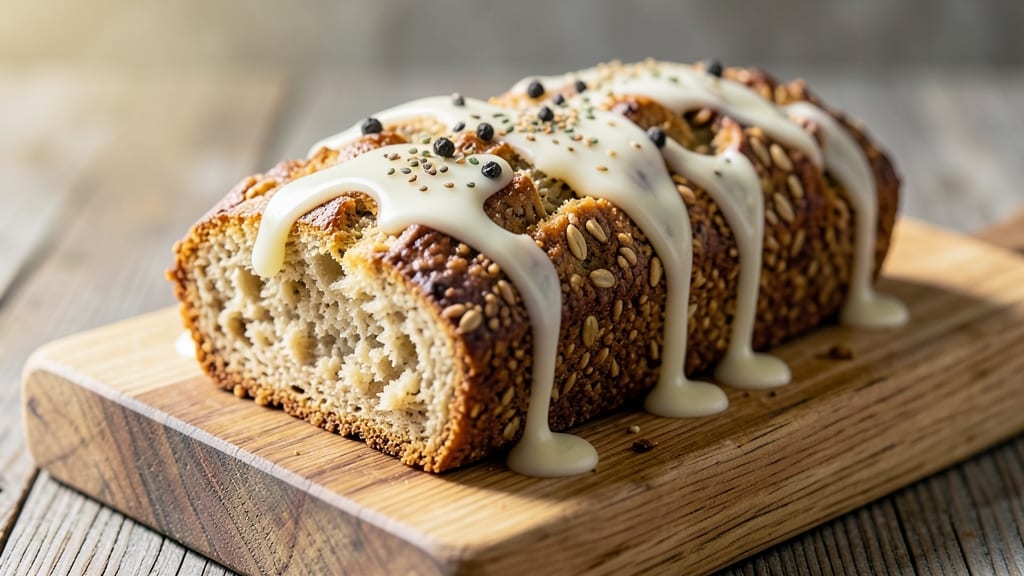
This Ayurvedic bread recipe transforms whole grains into a nourishing loaf designed to support digestion and balance your body’s natural rhythms. 🌿 The secret lies in warming spices like cumin and fennel, which aid digestion while traditional fermentation enhances nutrient absorption.
Unlike conventional bread, this recipe prioritizes whole-grain flours and ancient techniques to create a loaf that’s both satisfying and healing.
What sets this Ayurvedic bread apart is its thoughtful ingredient blend—millet, barley, and whole wheat flour work together to provide fiber, protein, and complex carbohydrates that stabilize blood sugar. The addition of ginger and black pepper not only enhances flavor but also supports circulation and metabolism.
For those following Ayurvedic principles, this bread aligns with Vata-pacifying qualities, making it ideal for grounding energy and promoting warmth in the body.
The baking process is straightforward yet intentional: a slow fermentation allows the dough to develop depth of flavor while improving digestibility.
Whether you’re looking to incorporate more whole grains into your diet or seeking a bread that aligns with Ayurvedic wellness, this recipe delivers a loaf that’s as nourishing as it is delicious.
The result is a crusty exterior with a tender, slightly dense interior—perfect for toast, sandwiches, or served alongside soups.
Adaptable to dietary needs, this recipe can be made vegan by substituting eggs with flaxseed or yogurt with coconut yogurt. The key is balancing the spices and hydration to maintain the bread’s structure and digestive benefits. Let’s bake a loaf that supports both your body and your taste buds.
Ingredients for ayurvedic bread
Eight whole grains and spices blend to create this Ayurvedic loaf—digestive-friendly and full of warmth.
| Ingredient | Amount | Notes |
|---|---|---|
| Millet Flour 🌾 | 1 ½ cups | Stone-ground for texture |
| Barley Flour 🌾 | 1 cup | Whole grain preferred |
| Whole Wheat Flour 🌾 | 1 ½ cups | Unbleached for nutrition |
| Active Dry Yeast 🍞 | 1 tbsp | Or 2.25g instant yeast |
| Warm Water 💧 | 1 ½ cups | 110°F (43°C) ideal |
| Unsweetened Coconut Milk 🥥 | ¼ cup | For richness (or yogurt) |
| Ground Fennel Seeds 🌿 | 1 tbsp | Freshly ground for aroma |
| Ground Cumin Seeds 🌿 | ½ tbsp | Toasted for depth |
| Fresh Ginger 🌶️ | 1 tbsp | Grated, for warmth |
| Black Peppercorns 🌶️ | ½ tsp | Freshly cracked |
| Sea Salt 🧂 | 1 ½ tsp | Diamond Crystal preferred |
| Honey 🍯 | 1 tbsp | Or maple syrup for vegan |
| Olive Oil 🫒 | ½ cup | Extra-virgin for flavor |
| Whole Milk Yogurt 🥛 | ¼ cup | Plain, unsweetened |
The flours are the foundation—millet and barley bring earthy depth while whole wheat adds structure. Bob's Red Mill has great organic options, but any stone-ground flours work. For the spices, Penzeys sells pre-ground fennel and cumin, but toasting whole seeds and grinding them fresh makes all the difference. Fresh ginger is a must (the dried stuff lacks punch), and I always grab extra—half goes in the dough, half gets infused into the olive oil for brushing later. The yogurt should be thick and tangy; Fage or Siggi's work perfectly.
No millet flour? Buckwheat flour or sorghum can substitute at the same ratio. Running low on fennel? Celery seeds at half the amount mimic the anise notes. The coconut milk can be swapped for Greek yogurt or buttermilk if you prefer a tangier crumb. For vegan adaptation, replace the honey with maple syrup and use coconut yogurt—just reduce liquid by 1 tbsp to maintain dough consistency. The black pepper isn't just for flavor; it's a key Ayurvedic ingredient that supports circulation, so don't skip it. Prefer a lighter loaf? Reduce the whole wheat by 0.5 cups and add 0.5 cups all-purpose flour.
This dough needs time to develop—4-6 hours at room temp is ideal, but overnight in the fridge works too. Store wrapped in a clean kitchen towel for 2 days at room temperature or 1 week refrigerated. For longer storage, slice and freeze—it reheats beautifully in a toaster or oven. The spices lose potency over time, so if your bread tastes flat after a few weeks, it's time to make a fresh batch. The crust stays crisp for about 2 days, but the interior remains soft for 3-4 days when properly stored.
Why You'll Love This Recipe
- No-Fuss Mixing: I swear by this combo—just toss the millet, barley, and whole wheat together, add yeast and water, and let the dough do the work. No kneading, no stress, just five minutes of hands-off magic.
- Earthy, Nutty Richness: That blend of millet and barley? It’s like a warm hug for your taste buds—slightly sweet, hearty, and packed with a toasty depth that sticks with you. (Yes, even my coffee-loving husband reaches for seconds.)
- Meal Prep MVP: Bake a batch on Sunday, and you’ve got breakfast, snacks, or sandwich bread covered all week. It reheats beautifully—toss slices in a toaster or warm them in a pan for that fresh-baked crunch.
- Pocket-Friendly Staple: Whole grains and yeast? Budget-friendly and packed with protein. I make this weekly because it’s cheaper than store-bought, lasts forever in the freezer, and still tastes like I slaved over it. (Between us, I did not.)
Step-by-step instructions for Ayurvedic spiced whole-grain loaf
Here's how to craft this nourishing loaf—where ancient spices meet modern baking.
👨🍳 Step 1: Bloom the Yeast and Mix the Wet Ingredients
In a small bowl, combine the 1 tbsp active dry yeast with ½ cup of the 1.5 cups warm water (should feel like bathwater, 110°F). Let it sit for 5-10 minutes until foamy—this confirms your yeast is active. If it doesn't foam, your yeast may be dead and you'll need to start over.
In a large mixing bowl, whisk together the remaining 1 cup warm water, 0.25 cup unsweetened coconut milk, 0.25 cup whole milk yogurt, 0.5 cup olive oil, and 1 tbsp honey. The mixture should be smooth with a slight sheen from the oil. This liquid base forms the foundation for your dough, providing moisture and richness that whole grains often lack.
👨🍳 Step 2: Combine Dry Ingredients and Create the Dough
In a separate large bowl, sift together the 1.5 cups millet flour, 1 cup barley flour, and 1.5 cups whole wheat flour. Add the 1 tbsp ground fennel seeds, 0.5 tbsp ground cumin seeds, 1 tbsp fresh ginger, 0.5 tsp black peppercorns, and 1.5 tsp sea salt. Use your fingers to break up any flour clumps and distribute the spices evenly—this ensures balanced flavor in every bite.
Create a well in the center and pour in the bloomed yeast mixture and wet ingredients. Using a wooden spoon or dough whisk, gradually incorporate the dry ingredients into the wet, mixing until a shaggy dough forms. The texture should be sticky but manageable—if it's too dry, add 1-2 tablespoons of warm water; if too wet, sprinkle in 1 tablespoon of flour. This balance is crucial for a light, airy loaf.
🥘 Step 3: Knead Until Elastic and Windowpane-Ready
Turn the dough onto a lightly floured surface and knead for 8-10 minutes until smooth and elastic. You'll know it's ready when you can stretch a small piece of dough and it forms a thin, translucent membrane (windowpane test). The dough should feel slightly tacky but not sticky—this indicates proper gluten development.
Here's the thing—whole grain doughs are trickier to handle than white flour doughs. If the dough resists, don't force it. Instead, wet your hands slightly and continue kneading. The spices and oils in this recipe make the dough more cohesive than you might expect, but patience is key. Once properly kneaded, the dough should spring back slowly when poked.
⏰ Step 4: First Rise and Shaping for Structure
Lightly oil a large mixing bowl and place the dough inside. Cover with a damp kitchen towel and let rise in a warm place for 1-1.5 hours, or until doubled in size. The dough should feel light and airy when pressed gently—it should leave an indentation that slowly fills back in. This first rise develops the gluten structure and allows the yeast to ferment properly.
Once risen, punch down the dough to release air bubbles. Turn it onto a lightly floured surface and shape into a round loaf. For extra texture, make a cross-shaped cut about ½ inch deep on the top using a sharp knife. This creates steam vents during baking and adds that beautiful rustic appearance. Place the shaped loaf on a parchment-lined baking sheet and cover again with the damp towel. Let it rise for another 30-45 minutes until slightly puffy.
🔥 Step 5: Bake to Golden Perfection with Ayurvedic Spice Aroma
Preheat your oven to 375°F with a baking stone or inverted baking sheet on the middle rack—this creates steam for a crisp crust. Bake the loaf for 40-45 minutes until the internal temperature reaches 190-195°F and the crust is deep golden brown with a crackly texture. The loaf should sound hollow when tapped on the bottom.
Here's where the magic happens—the warm spices should fill your kitchen with an intoxicating aroma that's both earthy and slightly sweet. If the top browns too quickly, tent loosely with foil after 20 minutes to prevent over-browning while allowing the interior to cook through. The coconut milk and yogurt in the dough create a tender crumb that balances the hearty whole grains perfectly.
Pro Tips For Making Ayurvedic Bread
- Mix Flours First, Then Hydrate: I learned this the hard way—dumping all three flours (millet, barley, whole wheat) into water at once creates a gummy mess. Sift them together first, then add warm water gradually while stirring with a wooden spoon. The barley flour especially loves to clump, so don’t let it sit in liquid too long before mixing.
- Bloom Yeast in Sweetened Water: Skip the plain water—dissolve 1 teaspoon sugar in the warm water first, then add the yeast. The sugar jumpstarts fermentation, and you’ll see bubbles in 5–10 minutes (if not, your yeast is dead—start over). This is non-negotiable for millet-heavy dough, which can overpower yeast otherwise.
- Knead Until Silky, Not Smooth: This dough won’t be elastic like white bread dough—it’ll feel dense and slightly sticky. Knead just until the flours combine into a shaggy mass (about 8–10 minutes by hand). Overworking it turns the millet into a gluey paste. Wet your hands often; the barley flour dries everything out fast.
- Proof in a Warm, Dark Spot: Place the dough in a bowl, cover it with a damp towel, and let it rise in a slightly warm spot (like near the oven with the light on). The millet and barley slow fermentation, so give it 1.5–2 hours—don’t rush it. If the dough springs back slowly when poked, it’s ready. Ignore this, and your bread flattens like a pancake.
Best sauces and condiments for this ayurvedic bread
Ayurvedic Spice Blends
This bread thrives on its warming spice blend—fennel, cumin, and black pepper—which work together to support digestion and circulation. For an extra boost, infuse 2 tbsp olive oil with 1 tsp each of ground fennel and cumin for 10 minutes before brushing on the baked loaf.
This creates a fragrant, flavorful crust that complements the earthy whole grains. 🌿
Herbal Compote Pairing
Balance the bread’s richness with a ginger-citrus compote made from ½ cup apple cider, 1 tbsp honey, 1 tsp grated ginger, and 1 tsp lemon juice. Simmer for 10 minutes, then drizzle over warm slices.
The tartness cuts through the bread’s warmth, while ginger reinforces its Ayurvedic benefits. Store compote in an airtight container for up to 5 days in the fridge.
Ghee or Coconut Oil Drizzle
For a Vata-pacifying touch, warm 1 tbsp ghee or coconut oil and lightly brush it over the crust before baking. The oil enhances the bread’s golden hue and adds a subtle richness.
For a Pitta-soothing option, replace ghee with almond butter mixed with 1 tsp honey—spread on toasted slices for a satisfying contrast. 🥛
Ayurvedic Chai Spread
Blend ½ cup brewed chai tea (with cardamom, cinnamon, and ginger) with 2 tbsp Greek yogurt and 1 tbsp honey for a creamy spread. The spices in the chai mirror the bread’s flavor profile while adding probiotics for gut health.
Serve on toasted slices with sliced banana for a Kapha-balancing breakfast. Store spread in the fridge for up to 3 days.
Spiced Yogurt Dip
Mix ½ cup plain yogurt with ½ tsp ground cumin, ½ tsp black pepper, and 1 tsp honey for a tangy dip. The yogurt’s coolness contrasts the bread’s warmth, while the spices echo its Ayurvedic roots.
For extra crunch, top with toasted sesame seeds or crumbled feta cheese. This dip keeps for 4 days refrigerated in an airtight container.
Sweet Date Paste
Blend ½ cup pitted dates with 2 tbsp warm water and ½ tsp vanilla extract until smooth. Spread this naturally sweet paste on toasted bread for a dessert-like treat.
The dates provide fiber and energy, while vanilla adds a comforting aroma. Store paste in the freezer for up to 2 weeks in a sealed container.
Nutrition facts
Frequently asked questions
Can I make this Ayurvedic bread without yeast?
Yes! For a yeast-free version, replace the yeast with 1 tbsp baking soda and 1 tbsp apple cider vinegar (mixed with the warm water). Let the dough rest for 30 minutes before shaping—this allows the baking soda to activate. The texture will be denser but still flavorful, with a slightly tangy note from the vinegar. This method works well for quick breads but lacks the depth of yeast fermentation.
How do I adjust this recipe for gluten-free baking?
Replace the millet, barley, and whole wheat flours with a 1:1 gluten-free flour blend (like Bob's Red Mill or King Arthur). Add 1 tsp xanthan gum to help bind the dough, and reduce the honey by 0.5 tbsp since gluten-free flours absorb more liquid. Let the dough rest for 10 minutes after mixing to hydrate properly. The result will be slightly denser but still packed with Ayurvedic benefits.
Why did my Ayurvedic bread turn out dense?
Dense bread often happens when the dough isn't kneaded enough or the rise time is too short. Whole grains need extra time to hydrate—try increasing the first rise to 2 hours and ensure your yeast is fresh (test it first). Also, overmixing after adding yeast can develop too much gluten, making the crumb heavy. For a lighter texture, reduce the whole wheat flour by 0.25 cups and replace with all-purpose or a lighter gluten-free blend.
Can I use this bread for sandwiches?
The dense, hearty texture makes it perfect for sandwiches, especially when lightly toasted. For extra flavor, brush slices with garlic-infused olive oil before assembling. Pair it with hummus, avocado, or spiced lentils for a protein-rich meal. The crust holds up well to moist fillings, but avoid overloading—this bread is designed to complement, not compete, with your main ingredients.
What’s the best way to reheat sliced Ayurvedic bread?
For crispy toast, heat slices in a dry skillet over medium heat for 1-2 minutes per side until golden. To revive stale slices, wrap them in a damp paper towel and microwave for 10-15 seconds. For a whole loaf, wrap in foil and bake at 300°F for 10 minutes. The spices and oils in the dough help retain moisture, so reheating works best when done quickly.