
Side Dishes
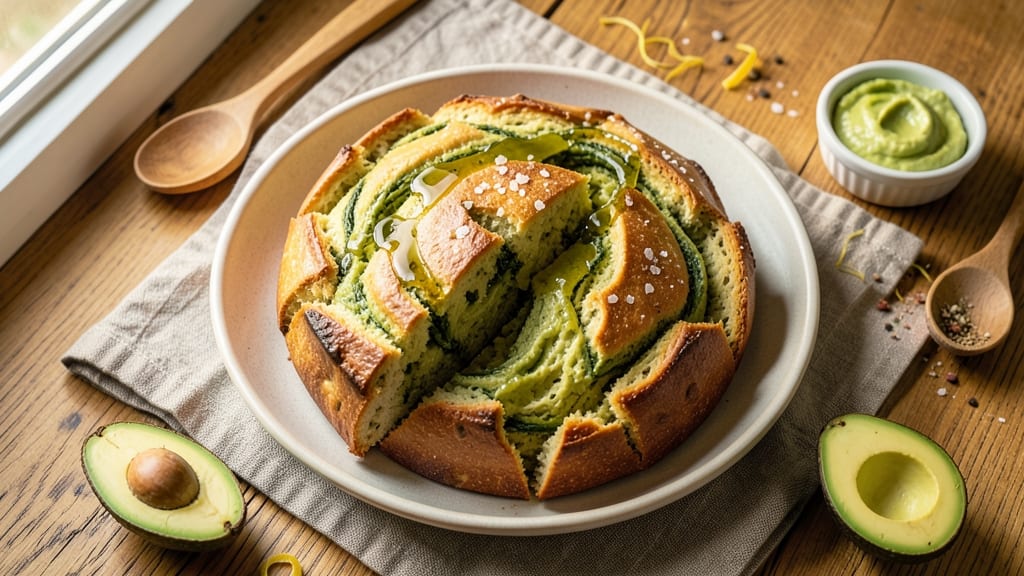
This avocado yeast bread recipe transforms humble loaves into something extraordinary—rich, fluffy, and infused with velvety avocado flavor that keeps every slice moist for days. The secret lies in blending ripe avocado directly into the dough, replacing butter entirely while maintaining that signature tender crumb.
I developed this recipe after years of experimenting with plant-based breads, and the results are nothing short of game-changing for vegan baking.
The dough comes together with simple pantry staples and just 15 minutes of active work, but the magic happens during the slow rise. Avocado's natural oils create an airy, almost brioche-like texture, while the bread's subtle nutty depth pairs perfectly with everything from hummus to jam.
Unlike most vegan breads, this one doesn't rely on egg substitutes—just avocado's natural fat and yeast's magic.
What you'll end up with is a loaf that's golden and fragrant on the outside, with a moist, slightly sweet interior where avocado's creaminess shines. The crust stays crisp for hours, making it ideal for toast or sandwiches.
Best of all, the flavor improves overnight as the avocado mellows into the dough, creating a complexity you won't find in regular bread.
Perfect for brunch spreads, vegan diets, or anyone craving bread with depth. The recipe scales easily for dinner rolls too. Here's how to make it—no special equipment required.
Ingredients for avocado yeast bread
Simple pantry staples meet velvety avocado for a bread that rivals brioche in richness.
| Ingredient | Amount | Notes |
|---|---|---|
| Ripe Avocados 🥑 | 2 whole | Pitted, flesh scooped and mashed |
| All-Purpose Flour 🌾 | 4 cups | Organic preferred, sifted lightly |
| Active Dry Yeast 🍞 | 2 ¼ tsp | Freshly opened, not expired |
| Granulated Sugar 🍚 | ¼ cup | Organic cane sugar preferred |
| Salt 🧂 | 1 ½ tsp | Diamond Crystal kosher salt |
| Extra-Virgin Olive Oil 🫒 | ⅓ cup | High-quality, fruity variety |
| Warm Water 💧 | 1 cup | 110°F, not boiling |
| Ground Flaxseed 🌱 | 1 tbsp | For dough elasticity |
| Apple Cider Vinegar 🍏 | 1 tbsp | For yeast activation |
| Sesame Seeds 🌻 | 1 tbsp | For topping (optional) |
| Poppy Seeds 🌷 | 1 tbsp | For topping (optional) |
Avocados are the star here—choose perfectly ripe ones (yield slightly when pressed) from Whole Foods or local farmers markets. The flesh should be smooth, not fibrous, and a deep green hue. Trader Joe's often carries organic avocados at a great price. Avoid bruised spots, as they can make the dough bitter. For the yeast, Bob's Red Mill active dry yeast is my go-to—it's reliable and widely available. Store your flour in the freezer to preserve freshness, and sift it lightly before measuring to prevent dense dough. The flaxseed adds structure without eggs, so Bob's Red Mill ground flaxseed works perfectly for this application.
No ripe avocados? Use 1/2 cup avocado oil plus 1 tbsp lemon juice to mimic the fat content, though texture will differ slightly. Substitute apple cider vinegar with white vinegar or lemon juice for yeast activation. For the seeds, sesame and poppy seeds can be swapped with sunflower or pumpkin seeds if preferred. If you're concerned about gluten, use a 1:1 gluten-free flour blend, but expect a denser crumb. The bread freezes beautifully—wrap tightly in foil before freezing for up to 3 months. For a nutty variation, replace 1/2 cup flour with almond flour.
This dough requires patience—let it rise overnight for maximum flavor development. Store the dough in an airtight container in the fridge for up to 24 hours before baking. Once baked, cool completely on a wire rack to prevent sogginess. The bread keeps well at room temperature for 3 days, wrapped in a clean kitchen towel. For longer storage, slice and freeze individual portions—toast directly from frozen for crispy results. The crust stays crisp for hours, making it perfect for toast or sandwiches. Leftovers can be reheated in a 350°F oven for 5 minutes to restore freshness.
Why You'll Love This Recipe
- No-Fuss Dough: I swear, this bread takes less effort than waiting for the coffee to brew. Just mash those avocados right into the flour—no weird textures, no extra steps—then let the yeast do its magic while you handle the rest of dinner.
- Rich Without the Guilt: That creamy avocado base gives it a buttery depth, but it’s secretly healthy. Honestly, my kids ask for this over store-bought bread, and I don’t even have to lie about the ingredients.
- Lunchbox Hero: Between us, this bread is my go-to for sandwiches, toast, or even garlic butter dipping. It holds up for days in the fridge, and the avocado keeps it moist longer than your average loaf—no sad, dry crust here.
- Budget-Friendly Luxury: I use ripe avocados that’d otherwise go to waste, and the rest of the ingredients? Basic pantry staples. It’s the kind of recipe that makes you feel fancy without breaking the bank—or your grocery budget.
Step-by-step instructions for avocado yeast bread
This method transforms ripe avocados into a tender, moist loaf with perfect rise and texture.
Activate the Yeast with Avocado Puree
In a small bowl, combine the 2 whole ripe avocados (pitted and mashed) with the 1 tbsp ground flaxseed and 1 tbsp apple cider vinegar. The avocado should be completely smooth—no chunks—so press it through a fine-mesh sieve if needed. This mixture creates the bread's signature richness while adding healthy fats.
In a separate bowl, whisk together the 1 cup warm water (about 110°F) with the 2.25 tsp active dry yeast and 0.25 cup granulated sugar. Let this sit for 5-7 minutes until frothy. The yeast should activate visibly—this confirms it's alive and ready to work. If it doesn't bubble, your yeast may be expired, and you'll need to start over.
Mix the Dough with Avocado and Wet Ingredients
In the bowl with the avocado mixture, add the yeast-sugar mixture, 0.33 cup extra-virgin olive oil, and 1.5 tsp salt. Stir well to combine, then gradually add the 4 cups all-purpose flour while mixing with a wooden spoon or dough whisk. The dough will be sticky—this is normal due to the avocado's moisture content.
Knead the dough on a lightly floured surface for 5-7 minutes until smooth and elastic. If it feels too sticky, wet your hands slightly to prevent tearing. The dough should pull away cleanly from the surface and spring back when poked. This kneading develops gluten, which gives the bread its structure and chewiness.
First Rise for Optimal Flavor Development
Place the dough in a lightly oiled bowl, cover it with a damp kitchen towel, and let it rise in a warm place (like the top of the oven with the light on) for 1-1.5 hours. The dough should nearly double in size and feel light when pressed gently. This rise allows the yeast to ferment the sugars, creating flavor and air pockets that make the bread tender.
Here's the thing—don't rush this step. The avocado adds natural sugars that feed the yeast, but the dough needs time to develop its structure. If your kitchen is cold, place the bowl on a tray of warm water to maintain a consistent 75-80°F temperature. Overproofing can collapse the loaf, while underproofing leads to dense bread.
Shape and Second Rise for Perfect Crust
Punch down the risen dough to release air, then divide it into two equal portions. Shape each portion into a smooth, round loaf. For a classic bouleshape, cup your hands and gently press the dough into a ball, then roll it on the counter to tighten the surface. Place the shaped loaves on a parchment-lined baking sheet, cover with the towel, and let them rise for another 30-45 minutes.
The dough should puff noticeably and feel springy when touched. This second rise is crucial for achieving that airy, fluffy texture. If you're short on time, you can skip the second rise and proceed to baking, but the bread will be slightly denser. For best results, let the dough rise until it's just about to overflow its shape.
Bake to Golden Perfection with Avocado Moisture
Preheat your oven to 375°F. Brush the loaves lightly with water or more olive oil, then sprinkle generously with 1 tbsp sesame seeds and 1 tbsp poppy seeds for texture and flavor. Bake for 25-30 minutes until the crust is golden brown and the internal temperature reaches 190-200°F. The bread should sound hollow when tapped on the bottom.
The avocado's natural moisture keeps the bread tender for days, but it's best enjoyed fresh. Let the loaves cool on a wire rack for at least 30 minutes before slicing—this prevents a gummy texture. The interior should be soft and slightly moist, with a delicate crumb that's denser than traditional bread but still light. The crust will be crisp and fragrant from the seeds.
Pro Tips For Making Avocado Yeast Bread
- Mash Avocados First: Avocados release more oil when mashed with a fork first—skip the food processor if you’re short on time. The extra moisture keeps the dough from drying out during the long rise, especially in dry climates.
- Use Warm Water for Yeast: The yeast packet says "warm," but I mean lukewarm—like bathwater, not scalding. If it’s too hot, you’ll kill the yeast before it even starts working. Test it by dipping your finger in; it should feel pleasant, not burning.
- Weigh Your Flour: Scooping flour from the bag packs it too tightly, which means your bread will be dense. Use a kitchen scale for 1:1 accuracy—this recipe lives or dies by the flour-to-moisture ratio, and avocado adds extra unpredictability.
- Let the Dough Rise Twice: The first rise is obvious, but the second—after shaping—is where the magic happens. Skip it, and your bread will taste flat and gummy. Give it 1–2 hours at room temp until it’s puffy and jiggly; no shortcut here.
Make-ahead tips for avocado yeast bread
Overnight Prep
Save time by mixing the dough the night before! Combine all ingredients except flour in a bowl, cover, and refrigerate for up to 24 hours. The next morning, simply add the flour and knead—this slow rise enhances flavor development.
I love doing this on Sunday nights for fresh bread Monday mornings. 🌙
Freezing Dough
For maximum convenience, shape the dough into loaves, wrap tightly in plastic wrap, then place in a freezer bag for up to 3 months. Thaw overnight in the fridge before baking.
This method preserves the avocado's freshness and keeps the bread's texture perfect. Just add 5-10 minutes to baking time when thawed. ❄️
Baked Loaf Storage
Once baked, store whole loaves in an airtight container at room temperature for 3 days. For longer storage, slice and freeze individual portions—toast directly from frozen for crispy results.
The avocado keeps the bread moist even after reheating. I always keep a loaf in the freezer for lazy mornings. 💡
Make-Ahead Jam
Prep jam or nut butter fillings ahead of time to assemble sandwiches in minutes. Spread almond butter or strawberry jam between slices of toasted bread for a quick breakfast. The avocado's richness pairs perfectly with sweet or savory spreads. Keep fillings refrigerated for up to 1 week. 🍓
Portion Control
Divide the dough into 4 equal portions before shaping for perfect dinner rolls. Bake at 350°F for 15-18 minutes until golden. These rolls freeze beautifully—reheat in a 300°F oven for 10 minutes to restore freshness. Great for meal prep or entertaining! 🍞
Crust Refresh
Revive stale bread by brushing slices with olive oil and toasting in a 375°F oven for 5 minutes. The avocado's natural oils help restore moisture. For extra flavor, sprinkle with flaky sea salt before toasting. This trick works like magic on day-old bread. ✨
Nutrition facts
Frequently asked questions
Why does this avocado bread stay moist longer than regular bread?
The avocado's natural oils replace butter while adding healthy fats that keep the crumb tender for days. Unlike traditional bread that dries out quickly, this recipe maintains moisture through the avocado's fat content and the flaxseed's binding properties. Store it in an airtight container to preserve freshness even longer.
Can I substitute avocado oil if I don't have fresh avocados?
Yes! Use ½ cup avocado oil plus 1 tbsp lemon juice to mimic the fat content, though the texture will be slightly different. The bread will still be flavorful, but you'll lose the subtle avocado notes. For best results, stick with fresh avocado for that signature richness.
How do I know when the dough is properly kneaded?
The dough is ready when it pulls away cleanly from the bowl and springs back when poked. It should feel smooth and elastic after 5-7 minutes of kneading. If it's too sticky, wet your hands slightly to prevent tearing. Over-kneading can make the bread tough, so stop when it's just right.
What's the best way to reheat slices?
For crispy toast, pop slices in a 375°F oven for 5 minutes until golden. To restore softness, wrap in a damp paper towel and microwave for 10-15 seconds. The avocado's natural oils help maintain moisture even after reheating.
Can I make this bread without a stand mixer?
This recipe works perfectly with just your hands. Knead the dough on a lightly floured surface for 5-7 minutes until smooth. The dough will be sticky, so wet your hands occasionally to prevent sticking. A wooden spoon works too if you prefer not to use your hands.