
Breakfast & Brunch
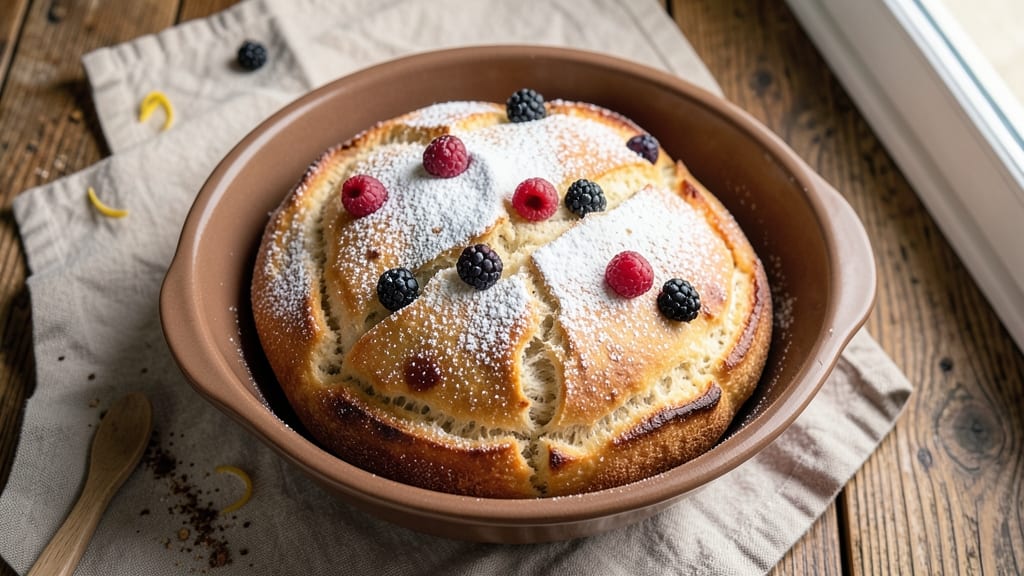
Avanti's Sweet Bread recipe delivers the perfect balance of tender crumb and golden crust, with honeyed walnut swirls that add texture and richness. This classic sweet bread stands out with its aromatic blend of spices and buttery layers, creating a breakfast that feels like a celebration. The secret lies in proper kneading and proofing—techniques that transform simple ingredients into something extraordinary.
The dough starts with a soft, slightly sweet base that develops its signature texture through careful handling. Walnuts and honey create those iconic swirls, while a touch of citrus zest brightens every bite.
Baking at the right temperature ensures a crispy crust that contrasts beautifully with the tender interior, making each slice irresistible.
What sets this recipe apart is its adaptability—whether you're baking for a family brunch or a special occasion, the result is consistently delicious. The honeyed walnut swirls add a luxurious touch, while the crusty gold exterior gives it that bakery-fresh appeal.
Perfect for toasting or enjoying fresh, this bread is a showstopper.
With just a few key techniques—proper proofing, gentle handling of the dough, and precise baking—you'll achieve restaurant-quality results at home. The rich aroma alone will have everyone gathered around the table, eager for their first taste. Let's get started on this timeless classic.
Ingredients for avanti's sweet bread
The heart of Avanti's Sweet Bread: flour, butter, honey, and walnuts—simple yet extraordinary when combined with precision.
| Ingredient | Amount | Notes |
|---|---|---|
| All-Purpose Flour 🌾 | 5 cups | Spooned and leveled for accuracy |
| Granulated Sugar 🍚 | ¼ cup | Plus 2 tbsp for dough and swirls |
| Unsalted Butter 🧈 | ½ cup | Cold, cubed for easier mixing |
| Large Eggs 🥚 | 2 whole | Room temperature for even mixing |
| Warm Water 💧 | ¾ cup | 110°F for optimal yeast activation |
| Active Dry Yeast 🍞 | 2 ¼ tsp | Or 1 packet instant yeast |
| Honey 🍯 | ¼ cup | Wildflower preferred for depth |
| Chopped Walnuts 🥜 | 1 ½ cups | Toasted for enhanced flavor |
| Lemon Zest 🍋 | 1 tbsp | Fresh, finely grated |
| Vanilla Extract 🌸 | 1 tsp | Pure, high-quality extract |
| Ground Cinnamon 🌿 | 1 tsp | Freshly ground preferred |
| Salt 🧂 | ½ tsp | Diamond Crystal kosher salt |
| Milk 🥛 | ¼ cup | For egg wash (whole milk preferred) |
The flour is non-negotiable here—King Arthur or Gold Medal for a tender crumb. Butter matters too; Plugrá or Land O'Lakes unsalted give that rich, golden crust. I always buy honey from local farmers markets—wildflower blends add depth. Walnuts should be toasted until fragrant (about 5 minutes in a dry pan), then chopped coarsely for texture. For yeast, Saf-Instant is my go-to—it activates faster and doesn't need proofing. Keep everything cold until mixing to prevent over-proofing.
No honey? Maple syrup works in a pinch, but reduce other liquids slightly. Walnuts too expensive? Pecans or almonds are fine, though texture changes. Fresh lemon zest unavailable? Bottled zest from Trader Joe's is surprisingly good. For the dough, if you're in a hurry, use 1 tsp instant yeast and skip proofing time—though texture won't be as light. The milk for egg wash can be any kind, but whole milk gives the best shine. And if you're gluten-sensitive, substitute a 1:1 gluten-free flour blend (like King Arthur's).
The dough keeps best in the fridge for 24 hours if you're not baking immediately—just let it warm to room temp before shaping. Walnuts lose freshness quickly, so store them in the freezer for up to 6 months. Once baked, this bread freezes beautifully—slice and freeze individual portions for quick toasting later. For maximum freshness, store wrapped at room temperature for 2-3 days. The crust stays crispy for about 48 hours, after which toasting revives it perfectly.
Why You'll Love This Recipe
- No-Yeast Magic: I swear by this—just flour, sugar, butter, eggs, and water. No waiting for dough to rise, no yeast fumbles. Mix, shape, bake, and boom, golden perfection in under an hour. Honestly, my lazy Sunday mornings thank me every time.
- Buttery-Sweet Payoff: That first bite? The tender crumb with just enough sugar to make it dangerously good—like a cross between brioche and a cinnamon roll, but simpler. The butter keeps it rich without being heavy, and the eggs bind it so it stays moist for days.
- Breakfast or Snack Star: Serve it warm with jam for a lazy breakfast, toast slices for a midday pick-me-up, or even pack it in lunches. My kids beg for it after school, and my husband sneaks bites straight from the pan. Versatile enough to fit anywhere.
- Budget-Friendly Staple: Flour, sugar, butter—these are pantry basics that stretch far. A single batch feeds four, and leftovers reheat beautifully. Between us, I’ve made this for holidays, potlucks, and "I-forgot-to-grocery-shop" nights. It’s my go-to without breaking the bank.
Step-by-step instructions for avanti's sweet bread recipe
Mastering this bread requires patience and precision—each step builds the signature honeyed swirl and golden crust.
Activate the Yeast and Create the Dough Base
In a large bowl, combine the 0.75 cup warm water (about 110°F) with the 2.25 tsp active dry yeast and let sit for 5-10 minutes until foamy. This activation ensures your dough rises properly. If the mixture doesn't bubble, your yeast may be inactive—start fresh with new yeast.
Add the 5 cups all-purpose flour, 0.25 cup granulated sugar, 0.5 tsp salt, and 1 tsp ground cinnamon to the bowl. Mix with a wooden spoon until a shaggy dough forms. The flour will absorb the liquid gradually, so don't rush this step.
Incorporate Wet Ingredients and Knead
Make a well in the center of the dough and add the 2 whole large eggs, 0.25 cup honey, 1 tbsp lemon zest, 1 tsp vanilla extract, and 0.5 cup cold cubed unsalted butter. Using a dough whisk or your hands, gradually incorporate these ingredients into the flour mixture.
Once combined, turn the dough onto a lightly floured surface and knead for 8-10 minutes until smooth and elastic. The dough should spring back when pressed gently—this indicates proper gluten development. If it feels sticky, add flour 1 tablespoon at a time until it's workable.
Prepare the Walnut Filling and First Rise
In a small bowl, mix the 1.5 cups chopped walnuts with 2 tbsp granulated sugar (the additional amount from the ingredients list) and 1 tsp vanilla extract. Set aside. This filling will create the signature swirls in the finished bread.
Shape the dough into a rectangle about 12x16 inches on a parchment-lined baking sheet. Spread the walnut mixture evenly over the dough, leaving a ½-inch border around the edges. Roll the dough tightly into a log, pinching the seam to seal. Place the sealed end down and let rise in a warm place for 1-1.5 hours until nearly doubled in size.
Shape and Second Rise for Texture
After the first rise, gently shape the dough into a round loaf (about 8 inches in diameter). Place it seam-side down on a parchment-lined baking sheet and let rise again for 45-60 minutes until puffy. The dough should feel light and springy when pressed gently with a finger.
Preheat your oven to 375°F during the final rise. Brush the top of the dough with a mixture of 1 whole egg beaten with 0.25 cup milk for a golden finish. The egg wash will create that signature crusty gold crunch.
Bake to Golden Perfection
Bake for 30-35 minutes until the bread is deeply golden brown and sounds hollow when tapped on the bottom. The internal temperature should reach 190-200°F. If the top browns too quickly, tent loosely with foil to prevent over-browning.
Transfer the bread to a wire rack to cool for 15 minutes before slicing. This resting period allows the crumb to set properly, preventing a gummy texture. The finished loaf should have a crisp exterior, tender crumb, and pockets of sweet walnut filling throughout.
Pro Tips For Making Avanti'S Sweet Bread
- Weigh Your Butter: I learned this the hard way—packing butter into cups gives wildly inconsistent measurements. Use a kitchen scale for the unsalted butter (aim for 160g for a standard batch) to guarantee that rich, tender crumb. The recipe’s texture depends on fat-to-flour balance, and eyeballing it leads to either dryness or greasiness.
- Cut Butter Cold: Take the butter straight from the fridge and cut it into the flour mixture like you’re chopping herbs—small, even cubes. Warm butter melts too fast, turning your dough into a sticky mess before the eggs can bind it properly. Cold butter also creates those coveted flaky layers when baked.
- Skip the Overmixing: Once the dough starts coming together, stop folding it the second it holds its shape. Overworking the gluten makes sweet bread dense and chewy. Just press the dough gently into a loaf pan—it’ll firm up as it rests, and you’ll end up with that light, airy crumb you’re after.
- Proof at Room Temp: Let the dough rise in a warm spot (like a turned-off oven with a bowl of hot water inside) until it’s just puffed over the pan—about 1 to 1.5 hours. Cold proofing slows yeast activity, and rushing it with heat will make the bread collapse. A gentle poke should leave a slow, springy bounce.
Pro cooking tips for great avanti's sweet bread
Perfect Dough Temperature
Your dough’s success hinges on keeping ingredients cool until mixing—especially the butter. Use cold cubed butter (not softened) to prevent overdevelopment of gluten, which can make the bread dense. I pull butter straight from the fridge and cut it into ½-inch cubes for even distribution.
If your kitchen runs warm, chill the mixing bowl in the freezer for 5 minutes before starting. This trick keeps the dough from rising too quickly during kneading. 🌡️
Kneading Like a Pro
Most home bakers under-knead, but this bread needs 8-10 minutes of vigorous kneading to develop proper gluten structure. Work the dough on a lightly floured surface, pressing down hard with your knuckles to stretch and fold. The dough should feel smooth, elastic, and spring back when poked.
If it tears easily, add flour sparingly—just enough to make it pliable. I use a digital kitchen scale to weigh flour additions (about 1 tbsp at a time) for precision. 💪
Walnut Swirl Secrets
The walnut filling should be evenly distributed but not overpowering. Toast the walnuts first—their nutty aroma intensifies when warm. Mix them with sugar and vanilla while still toasty so the filling binds slightly. When rolling the dough, keep the walnut layer ½-inch from edges to prevent leakage during baking.
For extra drama, sprinkle a pinch of flaky sea salt over the walnut mixture before sealing the dough. 🥜
Proofing Perfection
Proofing is where magic happens, but timing varies by humidity. Use the finger test: press gently—if the dough springs back slowly (not instantly), it’s ready. A warm oven with the light on creates an ideal proofing environment.
For extra insurance, place a tray of hot water in the oven while proofing. If your kitchen is cold, proof near a sunny window or use a proofing box set to 80°F. Overproofing is the #1 mistake—it makes bread gummy. 🌟
Egg Wash Hacks
The golden crust comes from proper egg wash technique. Beat the egg with milk until fully emulsified (no streaks) for even coverage. Use a pastry brush to apply it in thin, even strokes—thick globs create uneven browning.
For extra shine, add ½ tsp honey to the wash. Brush the wash just before baking—applying too early can cause a dull finish. I like to brush the sides too for that bakery-style all-over color. ✨
Baking with Confidence
Don’t open the oven door during the first 20 minutes—temperature fluctuations cause the bread to sink. If the top browns too quickly, tent with foil. The bread is done when it reaches 190-200°F internally and sounds hollow when tapped.
Let it cool on a wire rack for 15 minutes—this prevents a gummy crumb. For extra crispiness, bake for 5 minutes longer at 350°F after removing from the oven. 🔥
Nutrition facts
Frequently asked questions about avanti's sweet bread
Why does the dough need two rises?
The first rise develops the yeast and creates air pockets, while the second rise shapes the bread's final structure. Skipping either can make the crumb dense or the texture uneven. The first rise (1-1.5 hours) builds flavor, and the second (45-60 minutes) ensures that signature light, airy texture you crave in every slice.
Can I substitute honey with something else?
Yes! Use maple syrup or agave nectar in equal amounts, but reduce other liquids by 1 tablespoon to maintain balance. For a different flavor profile, try orange marmalade (2 tbsp) or molasses (1 tbsp) mixed with the walnuts. Each adds unique depth while keeping the bread moist.
How do I fix a dense or gummy bread?
Dense bread usually means underproofing or over-kneading. Next time, let the dough rise until it springs back slowly when poked (the finger test). For gummy texture, ensure you baked it to 190-200°F internal temp and cooled it fully on a rack. If it's already baked, slice and lightly toast to revive crispness.
Can I make this bread without walnuts?
Swap walnuts for pecans, almonds, or even chopped dried figs (soaked in warm water first). For a nut-free version, try candied ginger or raisins mixed with the dough. Just adjust the filling quantity to 1.5 cups total to maintain balance.
How long does this bread keep fresh?
At room temperature, it stays fresh for 2-3 days wrapped in a clean kitchen towel. For longer storage, freeze individual slices wrapped in plastic—thaw at room temp for 10 minutes before toasting. The crust stays crispy for about 24 hours, after which toasting revives it perfectly.